Cecilia Chamidah Nur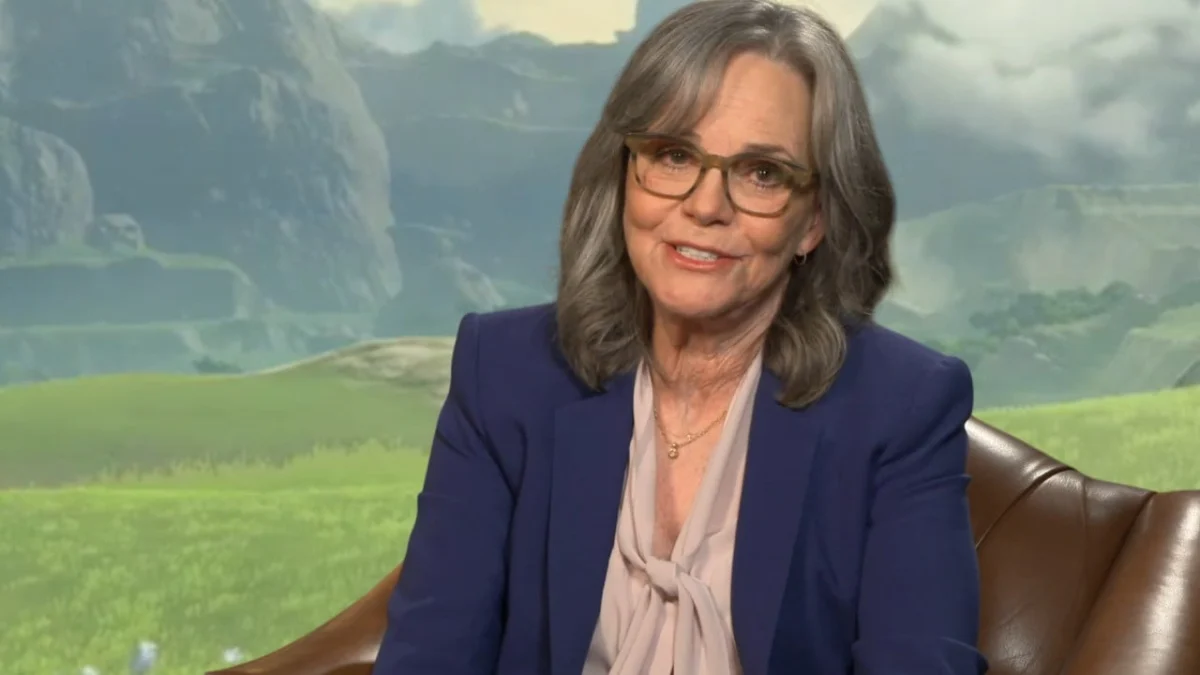
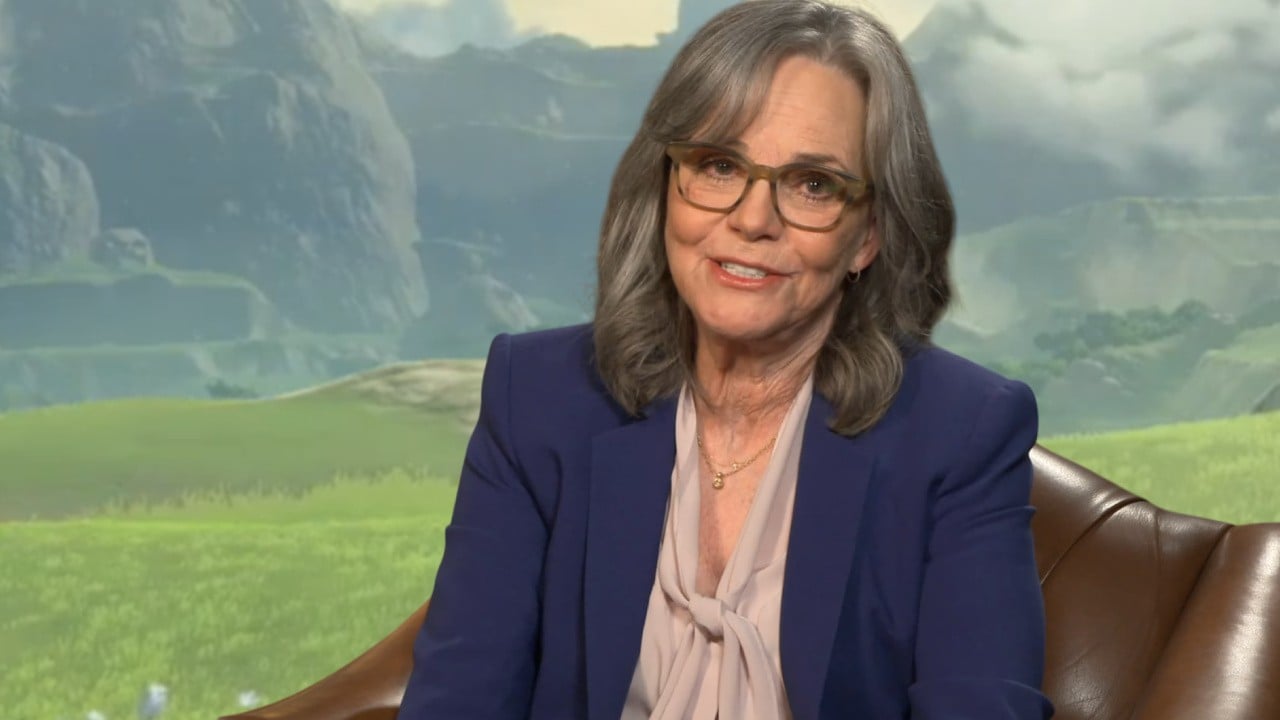
Two-time Academy Award-winning actress Sally Field recently delighted fans and the gaming community alike by openly sharing her deep and long-standing affection for Nintendo’s iconic The Legend of Zelda series. During a press tour for her upcoming Netflix film, Remarkably Bright Creatures, Field revealed her surprising gaming habit, which began decades ago with the late Robin Williams and continues today with her grandsons. The candid admission, made during an interview with entertainment reporter Jake Hamilton, not only showcased a rarely seen facet of the beloved actress but also underscored the intergenerational and enduring appeal of the fantasy adventure franchise.
The Revelation and Its Context: A Candid Interview Moment
The unexpected revelation unfolded as Sally Field, known for her powerful dramatic performances in films like Norma Rae, Places in the Heart, and Forrest Gump, and more recently for her role in Remarkably Bright Creatures, engaged in a promotional interview. Seated alongside her co-star, Lewis Pullman, Field was asked about her memories of working with the legendary comedian Robin Williams on the 1993 hit film Mrs. Doubtfire. Williams, a well-documented and fervent fan of The Legend of Zelda, famously named his daughter, Zelda Williams, after the titular princess of the series and appeared in several Nintendo advertisements promoting the games throughout his life. This line of questioning naturally steered the conversation toward the beloved gaming franchise.
Field, with a warmth characteristic of her public persona, confirmed Williams’ passion for the games and then shared a personal anecdote that resonated deeply with fans. She recounted how Williams would often visit her rented home during their time working together, and the two would spend time playing the early iterations of The Legend of Zelda. "I was lucky enough to get to know Robin and work with him," Field told Hamilton. "Yes, he was wonderful. He would also come to my little rented place, and we’d play the early games of Zelda together." This glimpse into their shared, private moments offered a poignant reminder of Williams’ multifaceted personality and the camaraderie he shared with his colleagues.
The interview took a lighthearted turn when Field, still discussing her enduring love for the series, turned to her younger co-star, Lewis Pullman, and inquired, "Do you play Zelda?" Pullman’s response, "No, I haven’t," elicited a playfully stern, jokingly admonishing question from Field: "What the hell is the matter with you?" The exchange highlighted Field’s genuine enthusiasm and her playful nature, charming both Pullman and the audience. Pullman quickly acknowledged his oversight, stating, "I’ve been missing out," to which Field enthusiastically affirmed, "It’s so fun." This interaction swiftly went viral, creating a buzz across social media platforms and gaming news outlets, celebrating Field’s unexpected gamer credentials.
A Shared Legacy: Sally Field and Robin Williams’ Hyrule Adventures
The shared history between Sally Field and Robin Williams, rooted in their collaboration on Mrs. Doubtfire, provides a unique context for Field’s gaming revelation. Mrs. Doubtfire, a comedic drama about a divorced actor who disguises himself as a female housekeeper to spend time with his children, was a critical and commercial success. Released in 1993, the film showcased Williams’ unparalleled comedic genius and his ability to blend humor with genuine emotion. During this period, Williams’ passion for The Legend of Zelda was already well-established. He had named his daughter, Zelda Rae Williams, born in 1989, after the princess from the Nintendo series, a testament to his deep admiration for the game.
Williams’ connection to the franchise extended beyond personal fandom. He became an unofficial ambassador for The Legend of Zelda, participating in various promotional campaigns for Nintendo over the years. Notably, he and his daughter Zelda starred in a series of memorable commercials for The Legend of Zelda: Ocarina of Time 3D in 2011 and The Legend of Zelda: Skyward Sword that same year, further cementing his public association with the games. These advertisements often featured Williams discussing his love for the series and how it inspired his daughter’s name, endearing him even more to the gaming community.
Field’s account of playing "the early games of Zelda" with Williams paints a vivid picture of their bond beyond the film set. While the specific titles they played were not mentioned, the original The Legend of Zelda for the Nintendo Entertainment System (NES) was released in 1986, followed by Zelda II: The Adventure of Link (1987) and The Legend of Zelda: A Link to the Past (1991) for the Super Nintendo Entertainment System (SNES). Given the timeframe of Mrs. Doubtfire‘s production in the early 1990s, it is highly probable they were exploring the vast lands of Hyrule in A Link to the Past, a game widely considered one of the greatest video games of all time and a significant milestone in the series’ evolution. Their shared gaming sessions speak to the universal appeal of Zelda and its ability to connect people, transcending age and professional boundaries.
The Enduring Appeal of The Legend of Zelda: A Brief History
The Legend of Zelda series, created by Shigeru Miyamoto and Takashi Tezuka, debuted in 1986 with The Legend of Zelda for the NES. Since then, it has evolved into one of the most critically acclaimed and commercially successful franchises in video game history, selling over 150 million copies worldwide across more than 20 main titles. The series is renowned for its innovative gameplay, intricate puzzles, expansive worlds, and compelling narratives that typically follow the adventures of the hero Link as he battles to save the land of Hyrule and its princess, Zelda, from the antagonist Ganon (or Ganondorf).
Key titles throughout its chronology have consistently pushed the boundaries of gaming. A Link to the Past (1991) established many conventions that would define action-adventure games for decades. The Legend of Zelda: Ocarina of Time (1998) for the Nintendo 64 revolutionized 3D gaming, earning perfect scores from numerous publications and is frequently cited as one of the greatest video games ever made. Subsequent titles like The Wind Waker (2002), Twilight Princess (2006), and Skyward Sword (2011) continued to innovate with unique art styles, mature themes, and motion controls, respectively.
More recently, the series has experienced a resurgence in mainstream popularity with The Legend of Zelda: Breath of the Wild (2017) and its sequel, The Legend of Zelda: Tears of the Kingdom (2023). These titles redefined the open-world genre with unprecedented freedom, physics-based puzzles, and emergent gameplay, garnering universal critical acclaim and breaking sales records for Nintendo Switch. Breath of the Wild alone has sold over 31 million units, making it one of the best-selling games of all time. The series’ consistent innovation, coupled with its rich lore and memorable characters, has ensured its status as a cultural touchstone, beloved by generations of players, including, as we now know, Hollywood legends.
From Past to Present: A Lifelong Gamer
Sally Field’s engagement with The Legend of Zelda is not merely a nostalgic memory; it’s a continuing passion. She confirmed that her history with the series did not end with her gaming sessions with Robin Williams. "I still play with my grandsons," Field added, revealing the intergenerational nature of her hobby. This statement resonates with millions of grandparents who share their love for video games with their grandchildren, bridging generational gaps through shared experiences.
Even more endearingly, Field admitted, "Even when my grandsons aren’t there, I pretend they are there." This candid confession highlights the personal escape and joy she finds in the fantastical world of Hyrule, a sentiment familiar to dedicated gamers worldwide. Her current platform of choice is the "Nintendo Switch 2," a detail that, while potentially referring to the rumored successor to the highly successful Nintendo Switch or a colloquialism for the current console, underscores her continued engagement with contemporary gaming technology. This suggests she remains current with the latest iterations of the series, likely having explored the expansive landscapes of Breath of the Wild and Tears of the Kingdom, titles that offer hundreds of hours of exploration and adventure.
Field’s dedication to gaming, particularly to a complex and immersive series like Zelda, challenges traditional perceptions of celebrity hobbies and reinforces the idea that video games are a legitimate and enriching form of entertainment for people of all ages and backgrounds. Her active participation, even when playing solo, underscores the deep immersion and personal connection that video games can foster.
Celebrities and Gaming: A Growing Trend
While Sally Field’s revelation might come as a pleasant surprise, the phenomenon of celebrities openly expressing their love for video games is not entirely new and has become increasingly common in recent years. As gaming has transitioned from a niche hobby to a mainstream cultural force, more public figures are comfortable sharing their passions. This trend helps to further normalize gaming and dismantle outdated stereotypes often associated with it.

Brendan Fraser, for instance, another beloved actor, is famously a vocal fan of The Legend of Zelda series, often discussing his appreciation for its storytelling and gameplay. Brie Larson, an Academy Award-winning actress known for her role as Captain Marvel in the Marvel Cinematic Universe, is also an avid gamer. Larson has not only spoken about her love for Nintendo titles but also recently lent her voice to the character of Rosalina in the animated Super Mario Galaxy Movie, further cementing her status as a prominent figure in the intersection of Hollywood and gaming.
Other notable celebrity gamers include Henry Cavill, who is a well-known PC gaming enthusiast and fan of The Witcher series (even playing a significant role in its Netflix adaptation), and Mila Kunis and Ashton Kutcher, who have discussed their shared enjoyment of Call of Duty. The increasing visibility of these figures in the gaming sphere serves to validate the medium as a significant form of art and entertainment, attracting new audiences and broadening its appeal beyond traditional demographics. Sally Field’s addition to this growing list further solidifies the notion that gaming is a universal language, capable of captivating minds across all walks of life.
The Hyrule Cinematic Universe: Implications for the Upcoming Film
Field’s timely declaration of her Zelda fandom coincides with a period of significant expansion for the franchise beyond its gaming roots. On May 7th, 2027, The Legend of Zelda is scheduled to make its highly anticipated debut on the silver screen as a live-action film. The project, announced in late 2023, is a collaboration between Nintendo and Sony Pictures, with Wes Ball (known for The Maze Runner series) directing and Avi Arad producing alongside Shigeru Miyamoto. The screenplay is being penned by Derek Connolly.
News surrounding the film’s production has generated immense excitement and speculation among fans. Reports indicate that filming officially wrapped last month, suggesting the movie is well into its post-production phase. The casting choices and the creative direction of adapting such a beloved and complex video game world for a cinematic audience remain a central topic of discussion.
While Field’s revelation is delightful, the timing of the film’s production timeline suggests it’s likely too late for her to secure a role or even a cameo in the initial Legend of Zelda movie. Principal photography would have concluded before her interview became public. However, the immense popularity and rich lore of the Zelda universe almost guarantee the potential for sequels, spin-offs, or an expanded cinematic universe. Should a second Zelda film be greenlit, or a different Hyrule-set project emerge, the possibility of an iconic actress like Sally Field, with her genuine passion for the source material, joining the cast would undoubtedly be a dream come true for many fans and a significant boost to the franchise’s cinematic endeavors. Her expressed love for the games could make her an ideal candidate for a future role, perhaps as a wise elder, a powerful sorceress, or even a sympathetic antagonist, adding another layer of authenticity and star power to the burgeoning Hyrule cinematic landscape.
Broader Cultural Impact and Analysis
Sally Field’s candid admission about her lifelong passion for The Legend of Zelda carries several significant implications for popular culture, the gaming industry, and her own public image. Firstly, it further normalizes video gaming as a legitimate and respected form of entertainment, enjoyed by individuals from all walks of life, regardless of age, gender, or professional stature. When an acclaimed, two-time Oscar-winning actress openly embraces a video game series, it helps to dismantle lingering stereotypes that might still portray gaming as a niche or immature hobby.
Secondly, for the Legend of Zelda franchise itself, Field’s endorsement is invaluable. It serves as a testament to the series’ timeless appeal and its ability to captivate diverse audiences across multiple generations. Her story of playing with Robin Williams and now with her grandsons beautifully illustrates the intergenerational bridge that Zelda games have built, passing down a love for adventure and puzzle-solving from one era to the next. This kind of organic, heartfelt endorsement from a respected public figure often resonates more powerfully than traditional marketing campaigns.
Finally, Field’s revelation adds a relatable and endearing dimension to her public persona. Known for her professionalism and dramatic intensity on screen, this glimpse into her personal life showcases a playful, enthusiastic side that connects her with millions of fans who share her love for gaming. It humanizes her in a way that resonates deeply in an increasingly digital and interconnected world, reminding everyone that even celebrated icons find joy and escape in the same virtual worlds as ordinary individuals. The ripple effect of her comments is likely to inspire new players, particularly older demographics, to explore the world of Hyrule, solidifying The Legend of Zelda‘s place not just as a gaming phenomenon, but as a cherished cultural institution.