 Cecilia Chamidah Nur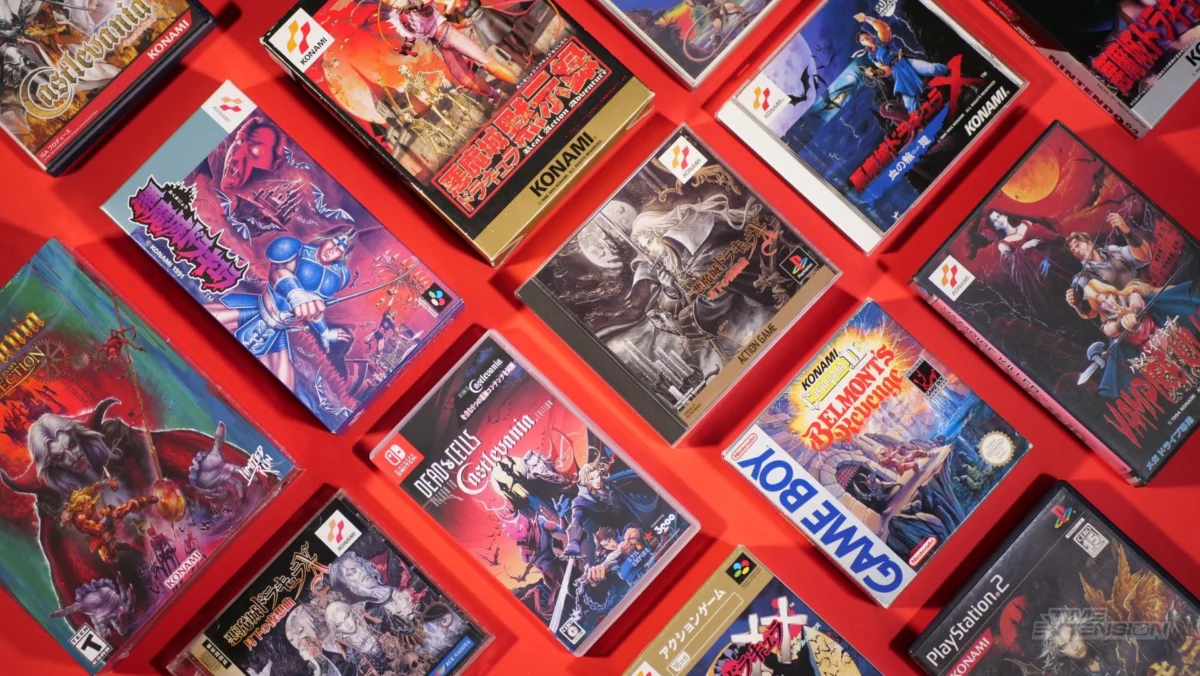
Chronological Evolution and Developmental Milestones
The history of Castlevania is marked by distinct eras, beginning with the 8-bit foundational period. The original 1986 Castlevania established the core mechanics that would define the series for years. However, the subsequent years saw Konami experimenting with the formula. Titles such as 1987’s Vampire Killer on the MSX2 and the 1988 NES title Castlevania II: Simon’s Quest represented early, albeit flawed, attempts to integrate non-linear exploration and RPG elements into the action-platformer framework.
By the 1990s, the series reached a technical zenith on 16-bit hardware. Super Castlevania IV (1991) and the Mega Drive’s Castlevania: Bloodlines (1994) refined the traditional platforming experience, while the PC Engine’s Dracula X: Rondo of Blood (1993) set a new standard for presentation through CD-ROM technology. The release of Castlevania: Symphony of the Night in 1997 served as the most significant inflection point in the series’ history. By shifting toward a non-linear, exploration-heavy "Metroidvania" structure, the title achieved near-universal critical acclaim and remains the franchise’s highest-regarded entry.
The 2000s saw the franchise migrate to handheld platforms, specifically the Game Boy Advance and Nintendo DS. Titles like Aria of Sorrow and Order of Ecclesia refined the "Metroidvania" template, introducing complex inventory and soul-gathering systems that bolstered replayability. Simultaneously, Konami attempted to pivot the series toward 3D environments on home consoles with titles like Lament of Innocence and Curse of Darkness, and later with the Lords of Shadow sub-series developed by MercurySteam. While these efforts were commercially successful, they remained polarizing among long-term fans.
Data-Driven Performance Ranking
Aggregated audience data highlights a stark divide between the series’ classic "Metroidvania" peak and its more experimental 3D iterations.
- Symphony of the Night (PS1): Widely cited as the franchise’s benchmark, it remains the gold standard for 2D action-adventure design.
- Castlevania Requiem (PS4): A compilation that provides essential access to the seminal Rondo of Blood and Symphony of the Night.
- The Dracula X Chronicles (PSP): Valued for its robust feature set, including the inclusion of the original Rondo of Blood as an unlockable.
- Castlevania Advance Collection (Switch): Noted for its high value-to-content ratio, anchored by the inclusion of Aria of Sorrow.
- Dawn of Sorrow (DS): Recognized as a technical evolution of the Aria of Sorrow formula, despite minor criticisms regarding its touch-screen gimmicks.
Conversely, entries such as the arcade original Haunted Castle and the Wii spin-off Castlevania Judgment consistently rank at the bottom of the list. Haunted Castle is frequently cited for its prohibitive difficulty and stiff controls, while Judgment is criticized for deviating from the franchise’s established artistic and mechanical identity. The 2024 release of Haunted Castle Revisited by M2 represents a rare instance of a legacy title being successfully overhauled, effectively moving the concept from a "worst-in-class" status to a respectable addition to the canon.
Analysis of Design Trends
The evolution of the Castlevania series can be categorized by three primary design philosophies:
- The Classic Era (1986–1994): Focused on tight, stage-based platforming, deliberate movement, and high difficulty. These games relied on precision and pattern recognition.
- The Metroidvania Era (1997–2008): Defined by interconnected level design, gear-gating, RPG stat progression, and exploration. This period represents the most sustained critical success for the brand.
- The 3D Reboot Era (2010–2014): Focused on cinematic narrative and action-oriented combat, heavily influenced by contemporary titles like God of War. While this era brought new audiences, it struggled to maintain the internal consistency that defined the series’ 2D peak.
Industry Implications and Legacy
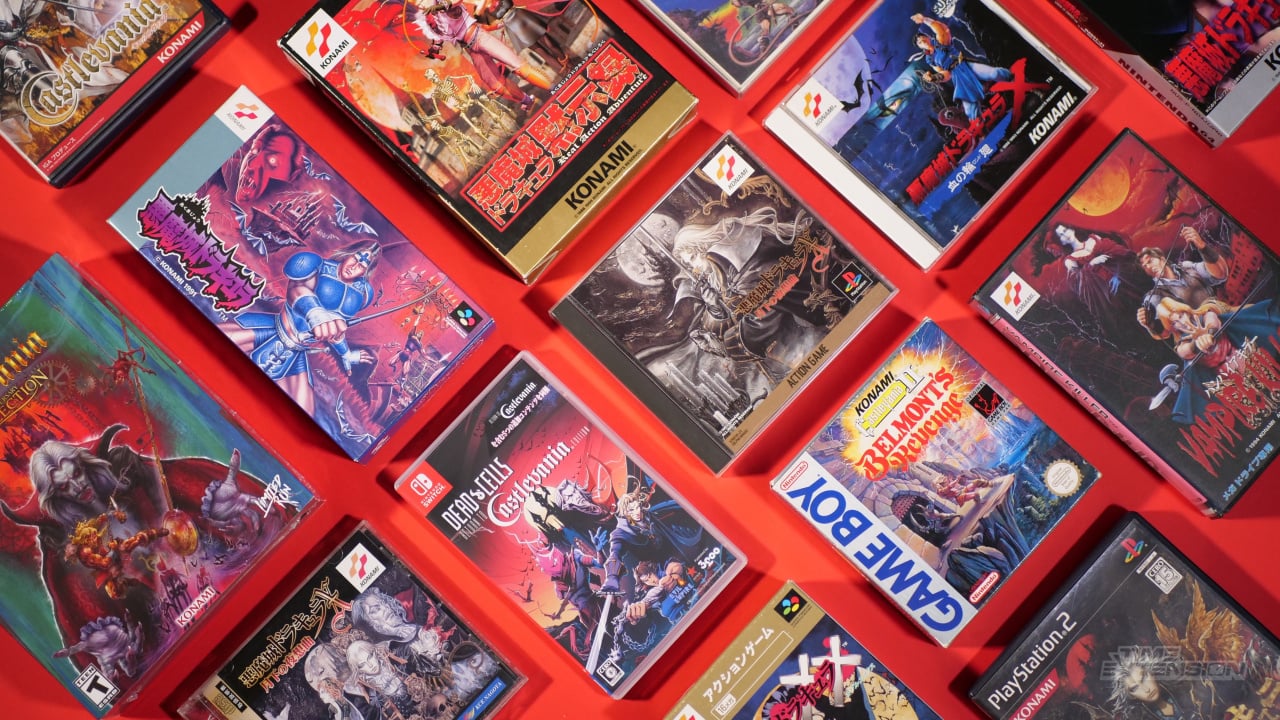
The enduring nature of the Castlevania brand, even during periods of relative dormancy, speaks to the strength of its core thematic elements. Konami’s recent strategy of bundling legacy titles—such as the Arcade Classics Anniversary Collection, the Advance Collection, and the Dominus Collection—demonstrates an industry-wide trend of prioritizing preservation and accessibility.
For new players, the current landscape of the franchise is more accessible than at any point in the last two decades. The shift from physical scarcity to digital availability has allowed the series to undergo a cultural resurgence. Industry observers have noted that the success of the Netflix animated series has served as a primary driver for this renewed interest, suggesting that the franchise’s narrative potential is as valuable as its mechanical history.
Challenges and Future Considerations
Despite its accolades, the franchise faces the challenge of managing a fragmented legacy. The "Metroidvania" sub-genre, which Castlevania helped pioneer, is now highly saturated with independent titles that often iterate on the formula more rapidly than major publishers. The decision by developers like M2 to remaster and refine older titles suggests that the most viable path forward for the franchise may lie in the preservation and enhancement of its existing library rather than attempting to force a return to 3D.
Furthermore, the lack of backward compatibility for certain titles, such as the original Curse of Darkness or the WiiWare exclusive The Adventure ReBirth, continues to limit the accessibility of the full series. Official statements from Konami regarding the "ReBirth" titles have been limited, though the fan demand for these titles to be brought to modern hardware remains high.
Conclusion
Castlevania stands as a case study in long-term franchise management. While the series has experienced significant fluctuations in quality and direction, its influence on the development of action games is undeniable. From the rigid, challenging design of the 1986 original to the expansive, exploration-based depth of Symphony of the Night, the franchise has consistently pushed the boundaries of its genre. As modern audiences continue to revisit these titles through updated collections, the consensus remains that the series’ 2D iterations—specifically those emphasizing exploration and atmosphere—constitute the defining legacy of the Castlevania name. The ongoing evolution of the brand, bolstered by the success of its spin-off media and the meticulous remastering efforts of partners like M2, ensures that the Belmont legacy will likely remain a fixture of the gaming landscape for the foreseeable future.