 Cecilia Chamidah Nur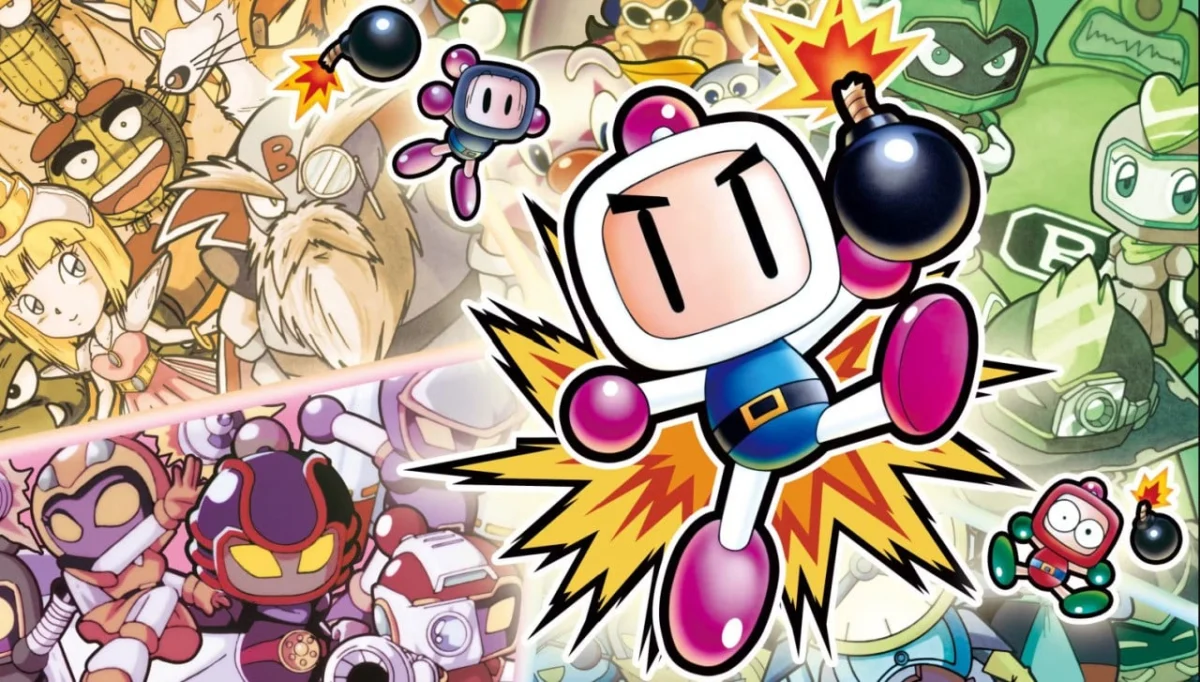
Red Art Games, in strategic partnership with Konami, has officially launched physical retail editions of the Super Bomberman Collection, marking a significant milestone for fans of the iconic multiplayer series. This release transitions a digital compilation that debuted earlier this year into the physical market, offering long-time enthusiasts and new players alike a tangible way to experience the foundational years of the Bomberman franchise. The collection serves as an expansive archive, focusing primarily on the series’ influential run during the 8-bit and 16-bit eras, while providing accessibility to titles that previously remained exclusive to the Japanese market.
A Historical Compendium of Explosive Gameplay
The Super Bomberman Collection is a curated anthology comprising eight distinct titles that trace the evolution of the series from its inception on the Nintendo Entertainment System to its peak performance on the Super Nintendo Entertainment System. The inclusion of these specific titles is notable for historical preservation, as it bridges the gap between different generations of hardware.
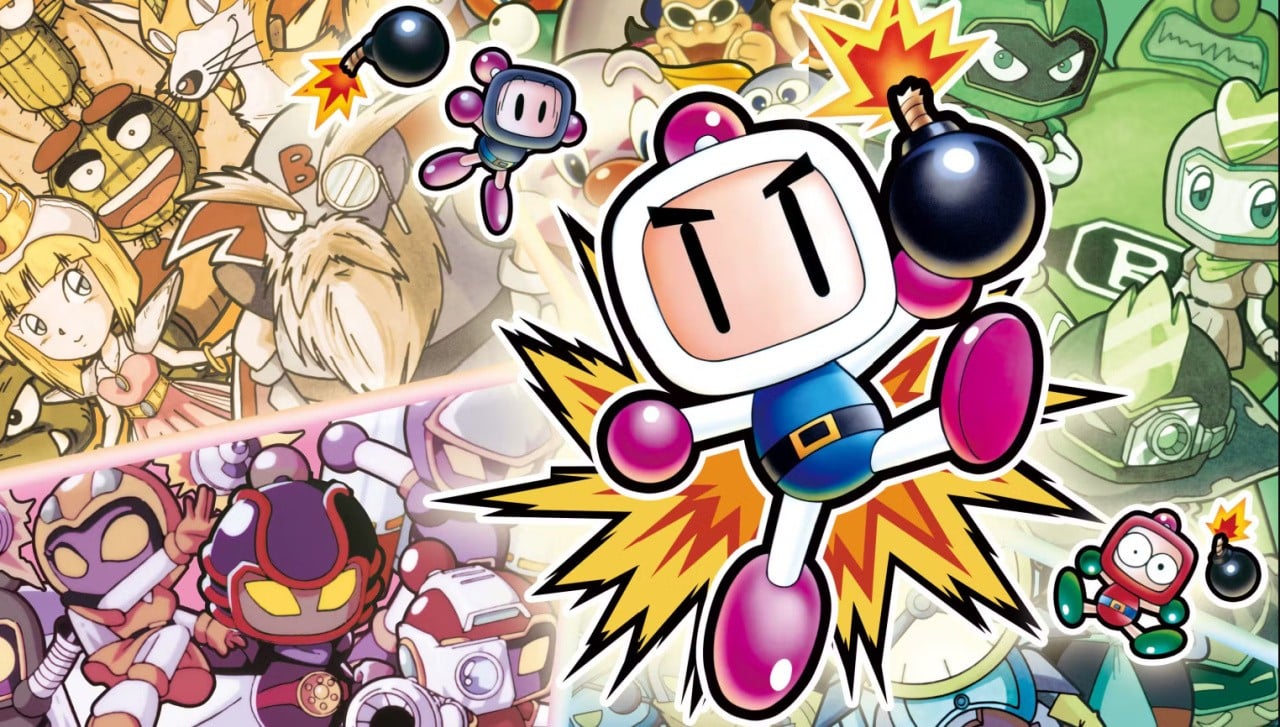
The lineup features the foundational NES releases, Bomberman (1985) and Bomberman II (1991), which established the core mechanics of grid-based arena combat and power-up progression. The transition to 16-bit hardware is represented by the core SNES quintet: Super Bomberman (1993), Super Bomberman 2 (1994), Super Bomberman 3 (1995), Super Bomberman 4 (1996), and Super Bomberman 5 (1997). Additionally, the set includes the spin-off puzzle title Super Bomberman: Panic Bomber W.
Of particular significance to the international gaming community is the inclusion of localized versions of Super Bomberman 4, Super Bomberman 5, and Panic Bomber W. Prior to the digital release of this collection earlier this year, these three titles had never received official localization for Western audiences. By bringing these games to modern platforms such as the PlayStation 5, Xbox Series, and Nintendo Switch, Konami and Red Art Games have effectively removed a long-standing barrier to entry for international collectors and historians of the franchise.
Strategic Physical Distribution and Editions
The physical release strategy employed by Red Art Games is multi-tiered, catering to both casual players seeking a standard experience and collectors interested in limited-run merchandise. The release is segmented into three primary categories: the Standard Edition, the Deluxe Edition, and the Collector’s Edition.
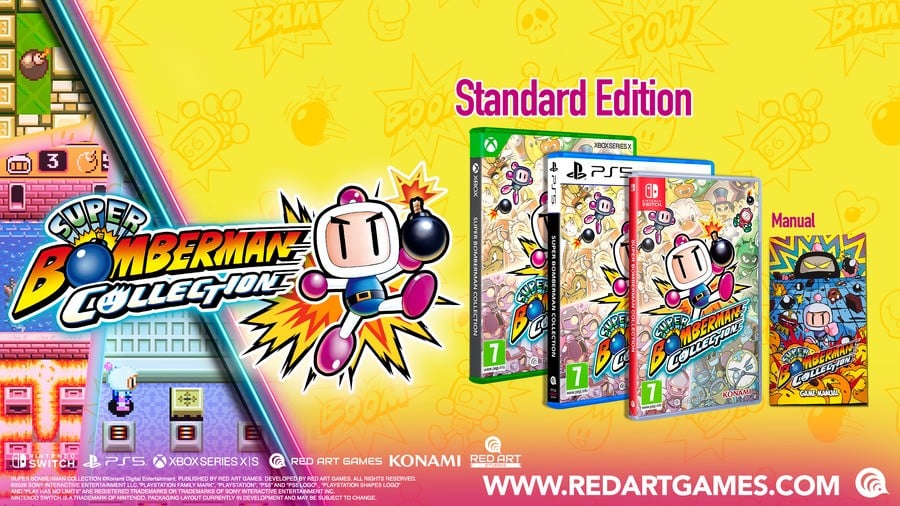
The Standard Edition is currently available for the PlayStation 5, Nintendo Switch, and Xbox Series consoles. It is worth noting that for the European market, the Xbox Series edition is available, while the Nintendo Switch physical release utilizes a standard Game Card, with the caveat that the title Panic Bomber W requires a digital download. Furthermore, Red Art Games has confirmed that a specialized version for the forthcoming Nintendo Switch 2 hardware is currently open for pre-order, with an anticipated shipping date of October 30.
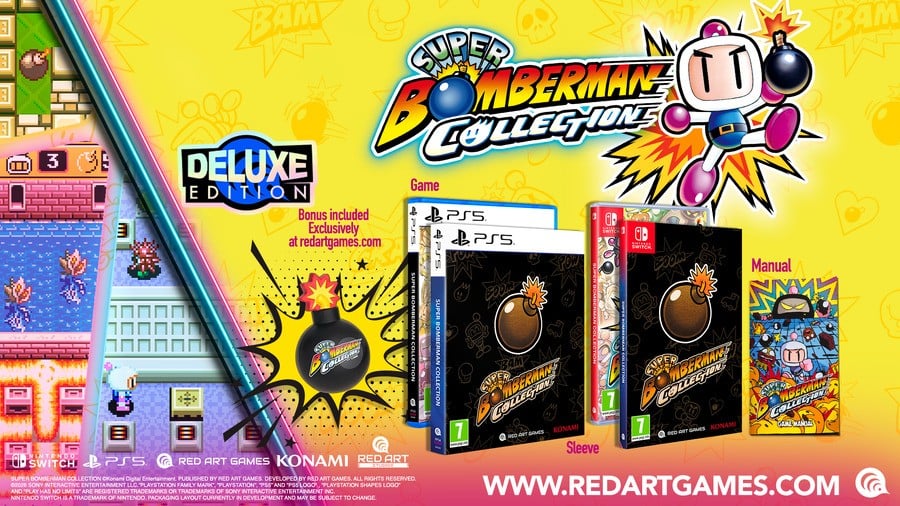
For collectors, the Deluxe Edition—restricted to a production run of 500 copies—provides an elevated physical package. Beyond the game itself, this edition features an exclusive slipcase and a themed bomb-shaped stress ball. Expanding further, the Collector’s Edition offers a more comprehensive suite of memorabilia. This version includes the contents of the Deluxe Edition, augmented by a steelbook case featuring bespoke retro-inspired artwork, a decorative poster, a specialized sticker sheet, and a set of three enamel pins. The Collector’s Edition is slated for release on October 16, serving as the high-end tier of this distribution effort.
The Significance of Retro Preservation in Modern Markets
The release of the Super Bomberman Collection highlights a growing trend in the video game industry: the professional preservation and commercial re-release of legacy software. In an era where digital storefronts occasionally face sunsetting, the move toward physical media for retro collections is seen by industry analysts as a vital step in maintaining cultural history.
Konami’s decision to outsource the physical production to Red Art Games is a common industry practice, allowing major publishers to delegate the logistics of limited-run physical distribution to specialists. This model allows for the creation of niche products—such as steelbooks and physical artifacts—that would be economically unfeasible for mass-market distribution but highly desirable for a dedicated fan base.
From a technical perspective, the collection brings titles that were once trapped on aging cartridges to contemporary hardware. This allows for modern conveniences such as save states and refined input latency, which are often absent in the original 1990s hardware iterations. The challenge of localizing 1990s-era Japanese code into multiple languages is a complex task, often requiring significant engineering effort to ensure that the original logic and visual fidelity remain intact while adapting the user interface for modern displays.
Market Implications and Future Outlook
The decision to offer these games on current-generation hardware, including the PlayStation 5 and the future Nintendo Switch 2, reflects the enduring appeal of the Bomberman franchise. Since its debut in 1983, the series has consistently maintained a reputation for accessible, high-energy, local multiplayer combat. By bundling these eight titles, Konami is effectively leveraging its back catalog to generate revenue from legacy intellectual property while simultaneously building goodwill within the retro gaming community.
The regional limitations, such as the Xbox Series physical edition being restricted to Europe, suggest that Red Art Games is operating within a specific distribution framework that accounts for varying demand levels across territories. Collectors are advised to monitor regional availability closely, as the scarcity of the Deluxe Edition and the pre-order nature of the Collector’s Edition indicate a high likelihood of rapid inventory depletion.
Chronology of the Release
- February 2024: The Super Bomberman Collection makes its debut on digital storefronts for PC, PlayStation 5, Xbox Series, and Nintendo Switch, marking the first time several titles were officially localized for Western markets.
- Late 2024 (Announced): Red Art Games reveals the physical production roadmap for the collection, establishing three distinct tiers of ownership.
- Current Date: Standard and Deluxe editions become available for purchase across specified platforms, while pre-orders for the Collector’s Edition remain active.
- October 16, 2024: Expected shipping date for the Collector’s Edition packages.
- October 30, 2024: Expected shipping date for the Nintendo Switch 2 Standard Edition.
Conclusion and Industry Context
The Super Bomberman Collection stands as a testament to the longevity of arcade-style gaming. While modern gaming has shifted largely toward live-service models and online connectivity, the continued demand for classic, local-multiplayer experiences remains robust. By packaging these eight titles into physical editions, Red Art Games is not merely selling a game, but a piece of interactive history.
For the gaming industry, this release serves as a case study in how publishers can effectively bridge the gap between digital convenience and physical nostalgia. As the industry continues to grapple with the preservation of software, initiatives like the Super Bomberman Collection provide a framework for future developers to ensure that the titles of the past remain playable, accessible, and collectible for generations to come. With the physical market for retro-inspired collections showing no signs of slowing, the success of this collaboration may well prompt similar efforts for other dormant or long-running franchises within the Konami portfolio. For the consumer, the collection represents a rare opportunity to own a tangible, localized piece of gaming heritage, complete with the modern enhancements necessary to make these decades-old titles feel at home on current-generation consoles.