 Cecilia Chamidah Nur
QuByte Interactive has officially announced the upcoming release of the Thunder Hoop Collection, a digital compilation slated for launch on October 8. This collection marks the first time these two cult-classic titles—Thunder Hoop (1992) and TH Strikes Back (1994)—have been made available to a broad, modern audience on PC, PlayStation, Xbox, and Nintendo Switch. Developed originally by the Spanish studio Gaelco, these titles represent a unique period in arcade history, characterized by rapid technical iteration and the emergence of distinct, often eclectic design sensibilities in the European arcade market.
Historical Context and Development of the Gaelco Library
Gaelco, based in Barcelona, Spain, was a prominent force in the European arcade scene during the 1990s. The studio gained notoriety for its ability to produce visually striking and mechanically demanding arcade cabinets that competed with larger Japanese and American manufacturers. The Thunder Hoop series, while often overlooked in favor of more mainstream titles like Metal Slug or Contra, serves as a testament to the studio’s willingness to experiment with aesthetic themes and high-intensity gameplay mechanics.
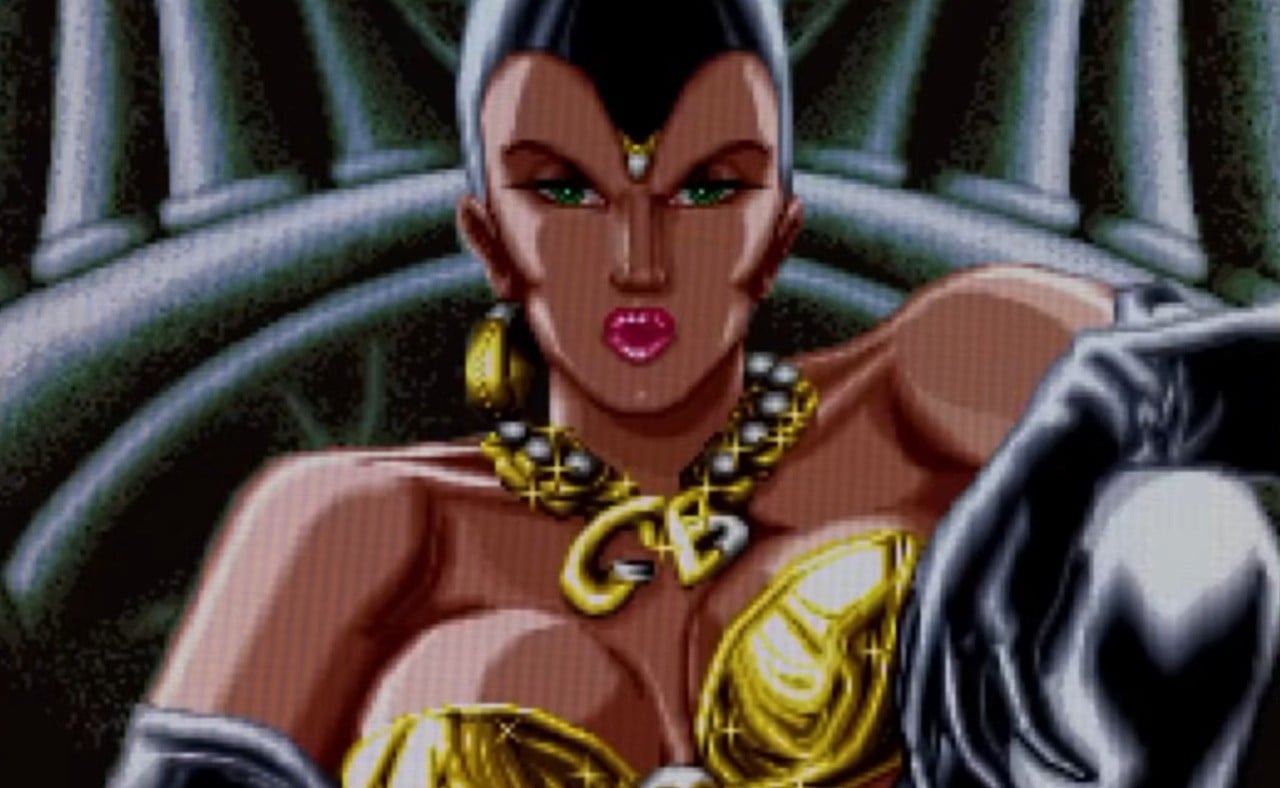
The original Thunder Hoop, released in 1992, introduced players to a bio-engineered protagonist navigating a world threatened by the antagonist Professor Genbreak. The title established a foundation for the series with its side-scrolling, run-and-gun mechanics. Two years later, the 1994 sequel, TH Strikes Back, marked a significant departure in tone and visual execution. The sequel leaned heavily into the hyper-stylized character designs and intense, often surreal, enemy encounters that were becoming a hallmark of the era’s arcade aesthetic.
Chronology of the Thunder Hoop Series
The following timeline outlines the primary releases and the subsequent path toward preservation:
- 1992: Thunder Hoop is released to arcades, featuring a protagonist inspired by contemporary manga and anime character archetypes.
- 1994: TH Strikes Back arrives in arcades, featuring evolved sprites and a significant increase in visual complexity.
- 2020s: With the rise of boutique retro-gaming hardware, interest in the Gaelco back catalog begins to grow among preservationist circles.
- 2022–2023: Select Gaelco titles, including Thunder Hoop, see limited releases on platforms such as the Evercade, integrated into the Gaelco Arcade 1 and 2 collections.
- October 8, 2026: The standalone Thunder Hoop Collection is scheduled for release on modern consoles and PC, facilitating wider accessibility.
Technical Enhancements and Preservation Efforts
The release of the Thunder Hoop Collection by QuByte Interactive is part of a broader industry trend focusing on the digital preservation of "lost" or inaccessible arcade software. Because these titles never received official home console ports during their initial release cycle, they remained largely confined to original arcade hardware, which is increasingly susceptible to component failure.
QuByte’s porting process integrates several features designed to improve the user experience for contemporary players. These include:
- Save States: Allowing players to pause and resume progress, addressing the inherent difficulty of original arcade balancing.
- Screen Filters: Providing options to replicate the visual characteristics of CRT monitors, maintaining the intended aesthetic of the original arcade cabinets.
- Rewind Functionality: A modern convenience feature that mitigates the "quarter-munching" difficulty common in 1990s arcade design, allowing players to recover from immediate errors.
These features demonstrate a balance between maintaining the original gameplay experience and providing the accessibility required for a modern consumer audience.

Analysis of the Run ‘n’ Gun Genre in the 1990s
The run ‘n’ gun genre was defined by a rapid pace and high player mortality rates, designed to encourage consistent coin insertion in arcade environments. The Thunder Hoop games utilized this model effectively, particularly through their boss encounters and shmup (shoot ’em up) segments. These sections necessitated high reflexes and pattern memorization.
From an analytical standpoint, the evolution from Thunder Hoop to TH Strikes Back highlights the shift in mid-90s game design toward "testosterone-driven" visual palettes—a trend that saw many developers moving toward more aggressive, hyper-muscular character models and increasingly surrealistic enemy design. While these stylistic choices were often reflective of the competitive nature of the arcade market, they now serve as cultural artifacts of the specific creative freedom afforded to developers during that period.
QuByte Interactive’s Role in Software Preservation
QuByte Interactive has established a niche for itself by identifying and re-releasing titles that have historically fallen through the cracks of mainstream distribution. By focusing on licenses such as Soccer Kid, Street Racer, and the acclaimed Breakers collection, the publisher has created a repository for titles that might otherwise have been forgotten.
Industry observers note that the preservation of titles like Thunder Hoop is essential for maintaining a comprehensive record of game design evolution. While these games are frequently noted for their campy or eccentric design choices, they are nonetheless significant for their technical achievements in sprite animation and arcade-board utilization. The decision to bring these titles to modern consoles indicates a growing market demand for retro-archive experiences that go beyond the typical "greatest hits" collections offered by larger publishers.
Implications for Modern Players and Archivists
For the average player, the release of the Thunder Hoop Collection offers a chance to experience a piece of European gaming history that was previously difficult to access. For the gaming industry, it serves as a case study in how to leverage modern emulation technology to breathe new life into legacy software.
The inclusion of these titles on the Evercade platform via the Gaelco Arcade collections prior to this standalone release suggests a multi-platform strategy that prioritizes reaching both the dedicated hardware collector and the casual digital storefront shopper. As more developers and publishers look toward their back catalogs, the success of the Thunder Hoop Collection will likely be measured by its ability to balance the authentic arcade experience with the performance standards expected by current-generation console users.
Conclusion: A Legacy Reclaimed
The upcoming release of the Thunder Hoop Collection represents a convergence of historical curiosity and technical preservation. By providing a platform for Gaelco’s work, QuByte Interactive continues to contribute to the ongoing discourse regarding the value of aging software. While the titles themselves remain firmly rooted in the design sensibilities of the 1990s, their availability on platforms like the PlayStation 5, Xbox Series X, and Nintendo Switch ensures that they remain part of the active, evolving landscape of modern gaming history.
With a launch date of October 8, 2026, the collection serves as a reminder that the history of interactive media is not limited to the most successful or commercially dominant titles of the past. Rather, it is a mosaic of diverse creative outputs—some polished and mainstream, others eccentric and niche—all of which contributed to the current state of the gaming industry. As the collection hits digital storefronts, it offers players an opportunity to engage with a specific, intense chapter of arcade history that, for decades, existed primarily in the memories of those who frequented arcades in the early to mid-90s. The effort to archive and distribute these titles ensures that the legacy of the Spanish arcade boom remains accessible for future study and enjoyment.