 Cecilia Chamidah Nur
The launch of the Retroid Pocket Duo Lite has become a focal point of controversy within the retro gaming hardware community, as early adopters and technical analysts highlight significant performance limitations stemming from the device’s core architecture. While the manufacturer marketed the handheld as a viable dual-screen gaming solution, subsequent reports indicate that the Qualcomm Dragonwing QCS6125 chipset—the engine powering the device—is fundamentally unsuited for the dual-display output required by the hardware. This technical mismatch has resulted in widespread reports of input latency, graphical stuttering, and an inability to handle basic multitasking, leading to growing frustration among the consumer base.
The Technical Mismatch: Architecture and Limitations
At the heart of the controversy is the Qualcomm QCS6125, an IoT-focused system-on-chip (SoC). According to official documentation from Qualcomm, the QCS6125 is engineered to support a single display interface. However, the Retroid Pocket Duo Lite features a dual-screen design reminiscent of classic handhelds like the Nintendo DS. To bridge this gap, Retroid appears to have utilized a software-based or "bridge" solution to mirror or extend the display output to the second screen.
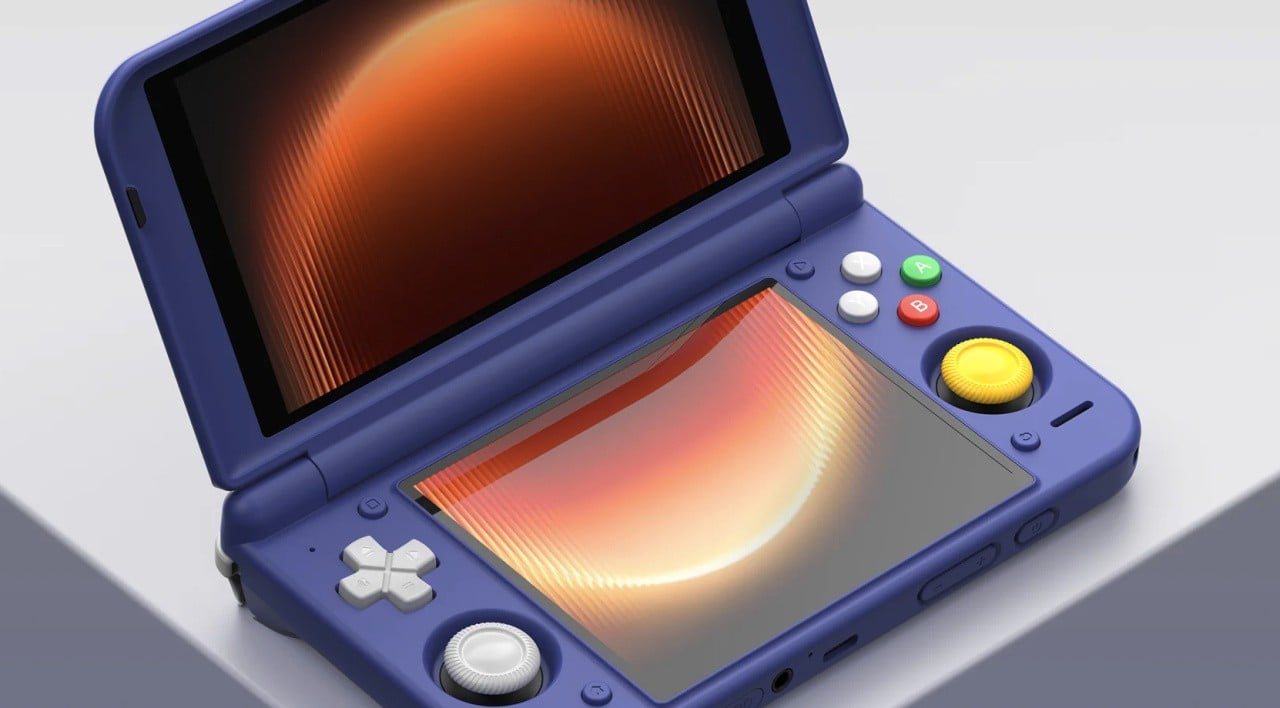
Technical analysts, including contributors from the community outlet Retro Handhelds, have noted that this workaround imposes a heavy tax on the device’s resources. Unlike competing hardware, such as the Anbernic RG Cube or similar devices using the RK3568—which natively supports dual MIPI-DSI interfaces—the QCS6125 lacks the physical display controller pathways necessary to drive two screens simultaneously at a high refresh rate. This hardware-software mismatch is the primary catalyst for the "laggy" experience reported by users. When the device is tasked with processing input while simultaneously managing a secondary display through a bridge chip, the overhead results in dropped frames and a disconnect between player input and on-screen action.
Chronology of the Retroid Duo Release
The timeline of the Retroid Pocket Duo series is critical to understanding the current state of consumer sentiment. The company’s release strategy has been characterized by rapid iterations and overlapping product announcements, which have created confusion among those who backed the initial hardware.
- September 2026 (Early Month): Retroid opens pre-orders for the original Pocket Duo and the Pocket Duo Lite, positioning them as the next evolution in their handheld lineup.
- Mid-September 2026: Retroid announces the "Pocket Duo Lite Plus," a revised model featuring the more robust Q-7790 chipset. This announcement occurs mere weeks after the initial pre-order window for the original Lite model opened.
- Late September 2026: The company initiates an upgrade program for existing pre-order customers, allowing them to pivot to the Plus model. However, this window closes rapidly, leaving many original Lite customers locked into their initial purchase.
- September 25, 2026: Reports surface regarding the fundamental performance failures of the base Lite model. Following the publication of these reports, initial confusion regarding the technical specifications of the QCS6125 is addressed by industry analysts, confirming the single-display limitation of the silicon.
Contextualizing the Component Shortage
The decision to utilize the QCS6125 in the face of its limitations may be linked to broader supply chain pressures. Industry observers have pointed to an ongoing global RAM and mobile chipset crisis that has plagued small-scale electronics manufacturers throughout 2026. Faced with limited access to higher-tier, dual-display-capable processors, manufacturers like Retroid were forced to choose between delaying product launches indefinitely or attempting to engineer custom solutions around available, albeit inadequate, hardware.
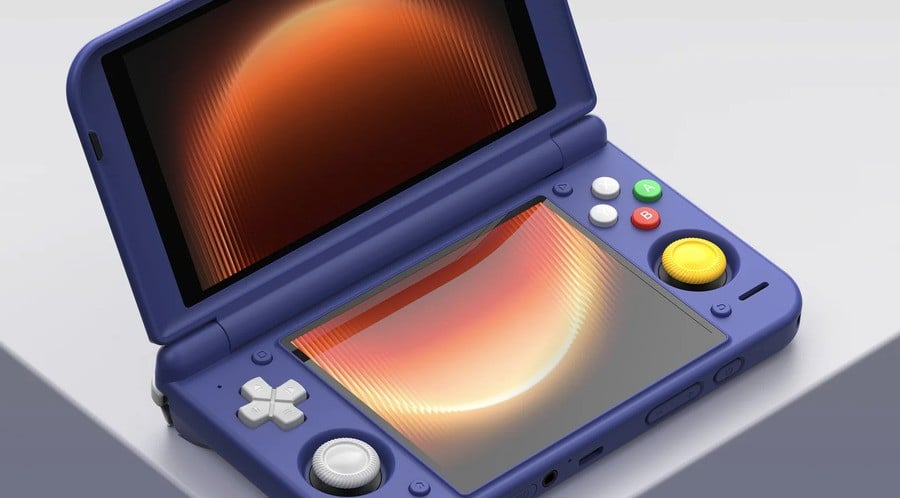
The swift unveiling of the "Plus" model suggests that Retroid was cognizant of the limitations inherent in the original design. By introducing the Q-7790-powered variant shortly after the initial launch, the company attempted to mitigate the fallout for future buyers. However, this strategy inadvertently marginalized early adopters who had already committed capital to the original Pocket Duo Lite, creating a two-tier ecosystem where the "Lite" version is perceived by the community as a flawed "beta" product.
The Impact of Community Feedback
The Retroid Discord server and various gaming forums have become repositories for user frustration. One prominent member, known as CarribeanGamerPR, provided a concise breakdown of the hardware failure, noting that the device functions more like an external display dongle than a cohesive, native dual-screen system. This assessment has been echoed by several independent reviewers who noted that the device struggles with basic UI navigation, let alone the emulation of demanding dual-screen titles.
In response to the growing backlash, community outlets such as Retro Handhelds have sought to clarify the technical landscape, issuing follow-up statements to address initial inaccuracies in their reporting. While the initial reports may have contained minor errors, the consensus remains that the QCS6125 is the bottleneck. The discourse has shifted from simple dissatisfaction to a broader debate regarding corporate transparency and the ethics of releasing hardware that is known to be technically deficient at the point of sale.

Broader Implications for the Handheld Market
The Retroid situation highlights a recurring issue in the boutique gaming handheld market: the "race to release." As competition increases between companies like Anbernic, Retroid, and Ayaneo, the pressure to iterate faster often results in products that have not undergone sufficient long-term optimization.
When a company opts for a "bridge" solution to force a chipset to perform tasks outside of its design specifications, the resulting technical debt is almost always paid by the consumer. For the handheld industry, the primary implication is a potential erosion of trust. When a manufacturer releases a "Plus" or "Pro" model less than a month after a standard release, it suggests that the initial product was never intended to be the final, functional iteration.
Furthermore, the reliance on IoT-grade chips for high-performance gaming consoles represents a precarious trend. While these chips are cost-effective and readily available, they are designed for stationary devices—such as smart home hubs or simple digital kiosks—not the dynamic, variable load of video game emulation.

Consumer Recourse and Moving Forward
For those who purchased the Retroid Pocket Duo Lite, the situation remains challenging. While some may seek refunds or attempt to resell the units, the secondary market value for the device is likely to plummet as the hardware’s limitations become common knowledge.
Moving forward, the industry will likely face increased scrutiny regarding the "hidden" specifications of their devices. Consumers are now better equipped to scrutinize the technical datasheets of the SoCs used in these consoles, and manufacturers will be held to higher standards regarding hardware compatibility.
As the industry moves into the final quarter of 2026, the Retroid Pocket Duo Lite serves as a cautionary tale. It underscores the reality that, regardless of how well-designed a device’s shell, ergonomics, or software interface may be, those elements cannot overcome a fundamental lack of processing capability. The incident emphasizes that in the competitive landscape of modern retro gaming, technical transparency is just as essential as the hardware itself. The "Lite" moniker, once a signifier of a budget-friendly option, has here become a warning of a compromised experience, marking a significant hurdle for the company as it attempts to regain the confidence of its dedicated user base.