Hartono Sudibyo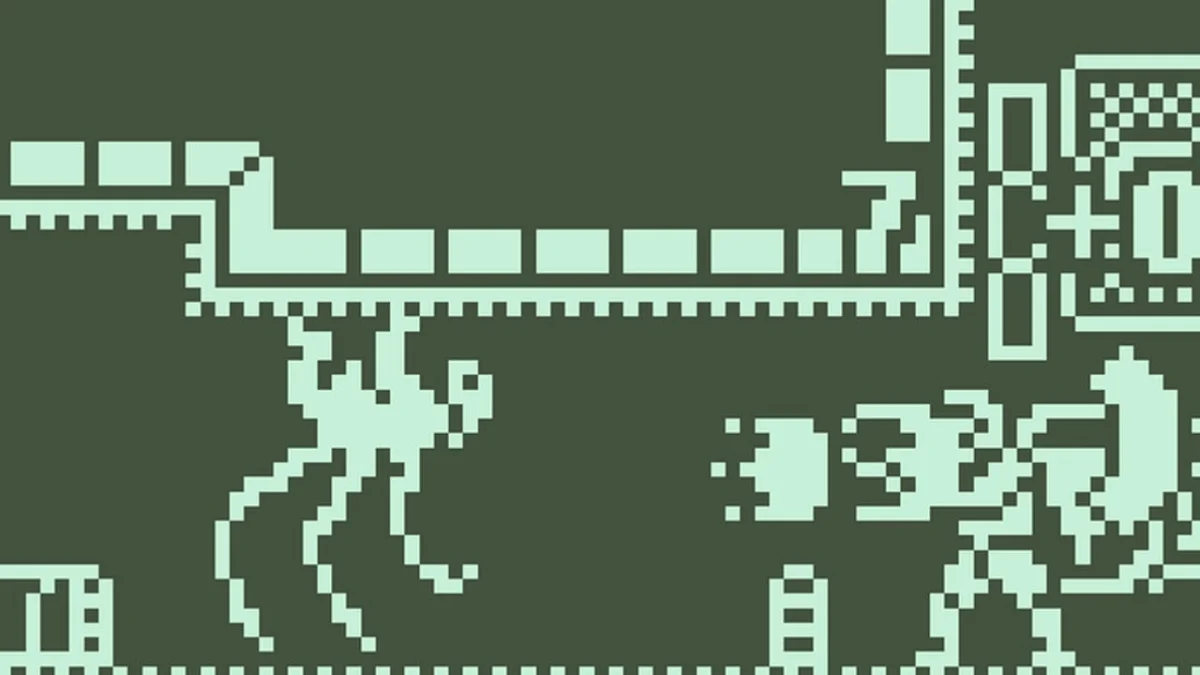
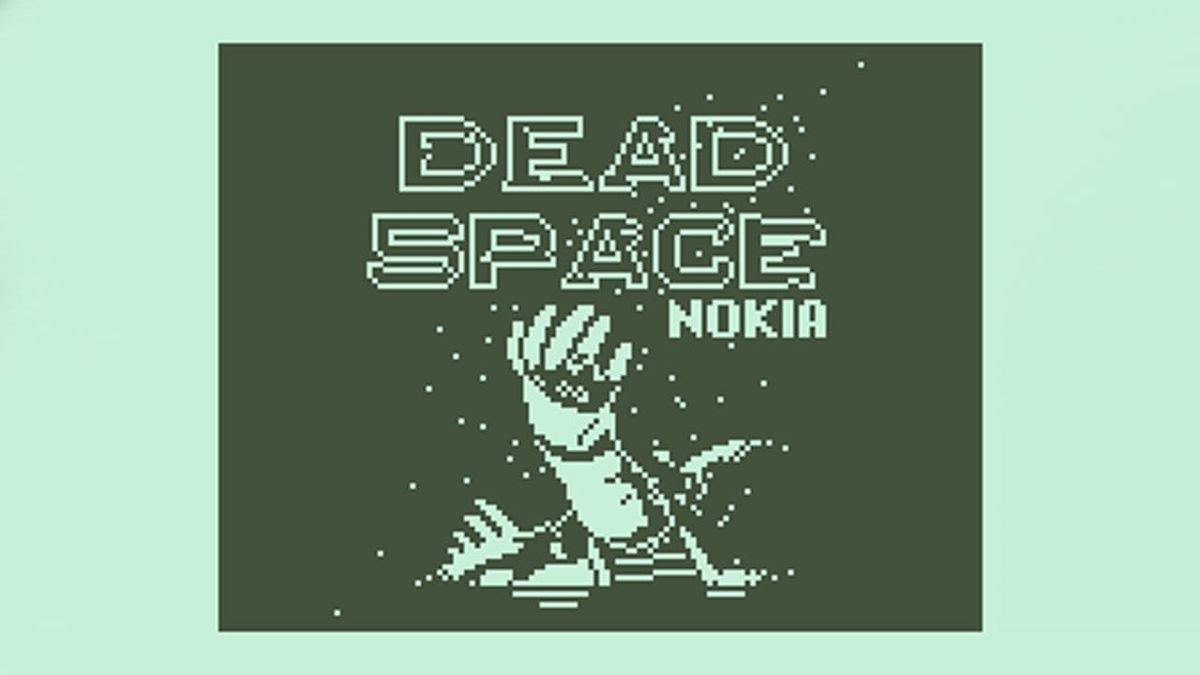
The intersection of modern video game franchises and retro hardware nostalgia has yielded an unexpected creation, as developer Davide Puato has successfully adapted Electronic Arts’ acclaimed survival horror title Dead Space into a functioning, monochromatic side-scrolling demake designed to emulate the display capabilities of the iconic Nokia 3310 mobile phone. Initially conceptualized and built for a specialized game development competition, the project has recently received a public update, making a playable Windows-compatible version widely accessible to enthusiasts of both contemporary gaming history and primitive digital aesthetics.
This unusual project highlights a burgeoning trend within the independent software development community known as "demaking"—the intentional adaptation of modern or advanced video games to run on historical, severely constrained computing architectures. By stripping away high-definition graphics, complex 3D physics engines, and immersive spatial audio, developers like Puato challenge themselves to distill the core mechanics, atmosphere, and narrative identity of complex multi-platform releases into binary color palettes, basic two-tone audio, and rudimentary grid-based logic.
Main Facts and Technical Overview
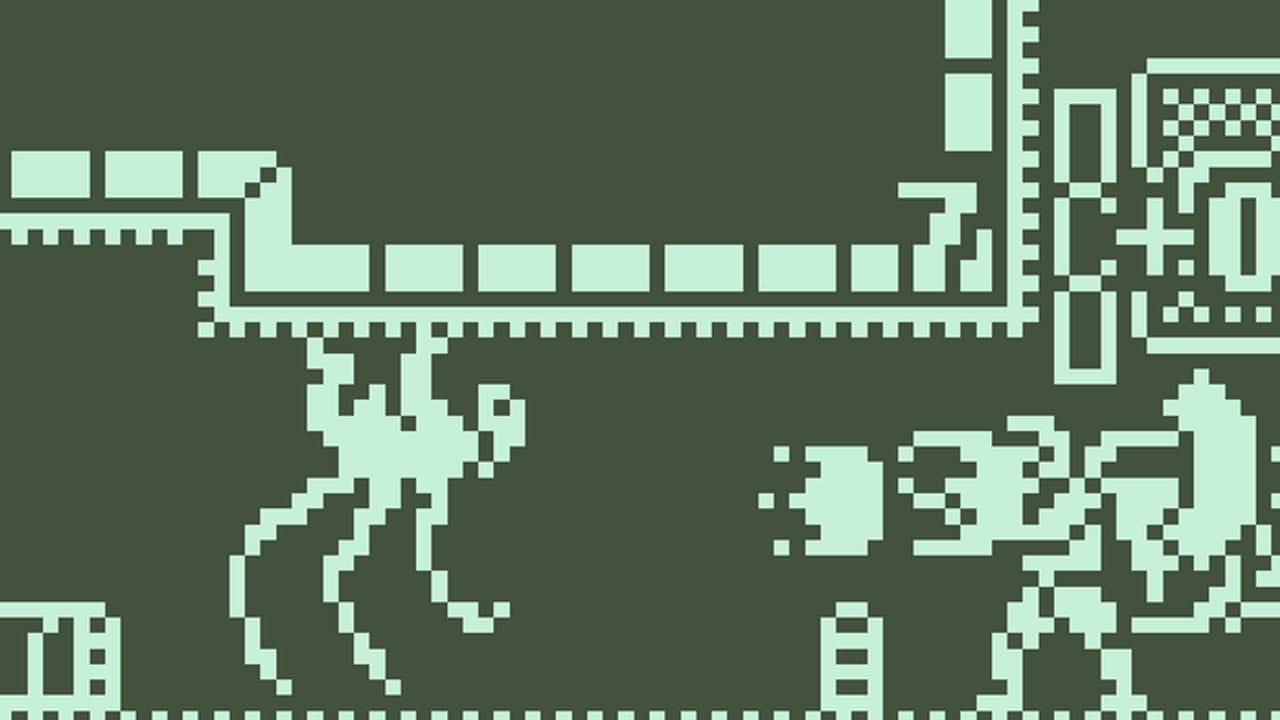
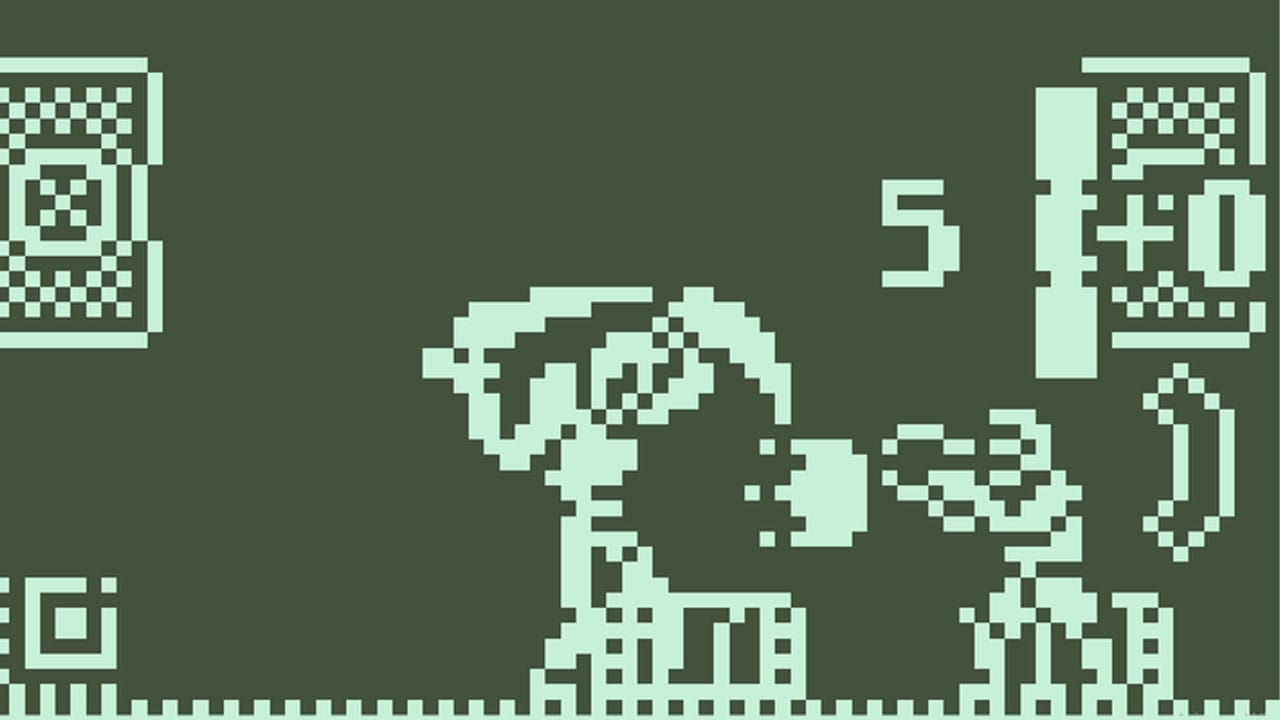
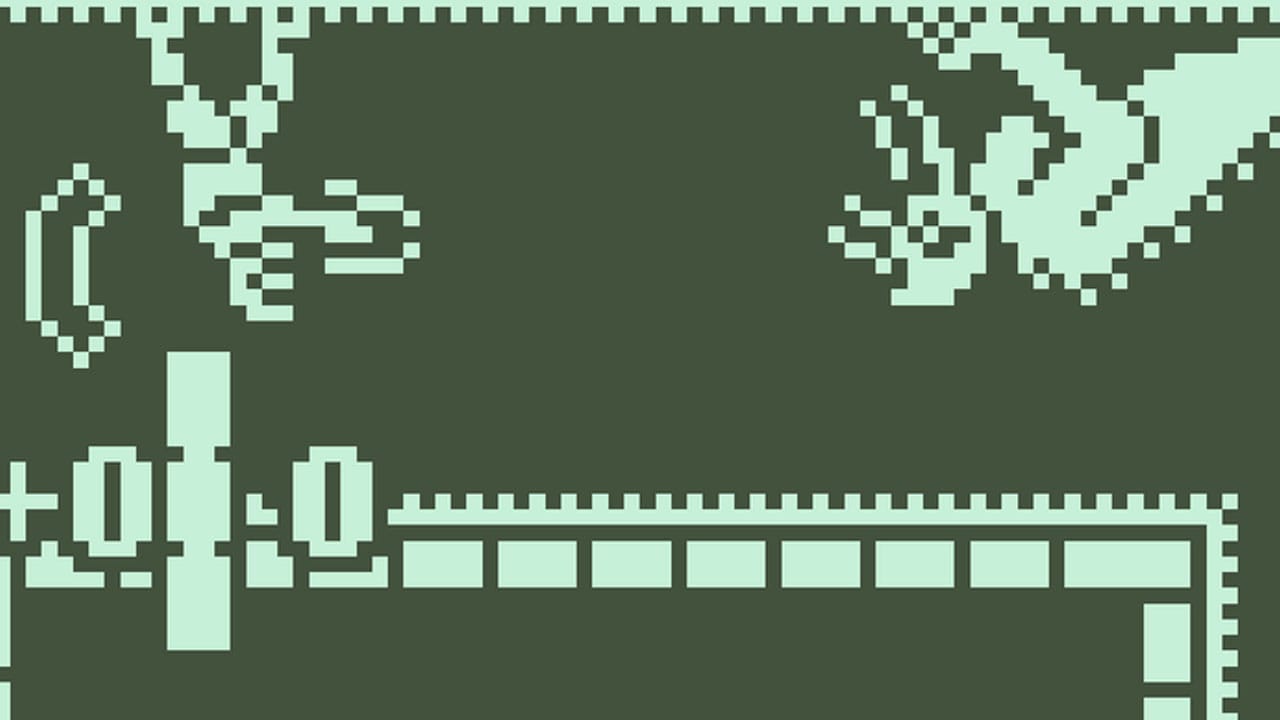
The newly updated Dead Space demake successfully translates the claustrophobic terror of Isaac Clarke’s harrowing ordeal aboard the USG Ishimura into a format reminiscent of turn-of-the-millennium mobile entertainment. Featuring the tagline "Experience the classic action survival horror through a tiny, mono-audio, 2-colour screen," the game trades the franchise’s trademark real-time lighting and photorealistic Necromorph mutations for stark black-and-white pixel art.

Despite the radical reduction in graphical fidelity, the game retains core mechanical elements that defined the 2008 original. Players navigate compressed two-dimensional environments, manage scarce resources, and confront hostile extraterrestrial entities using a simplified control scheme tailored for standard personal computers.
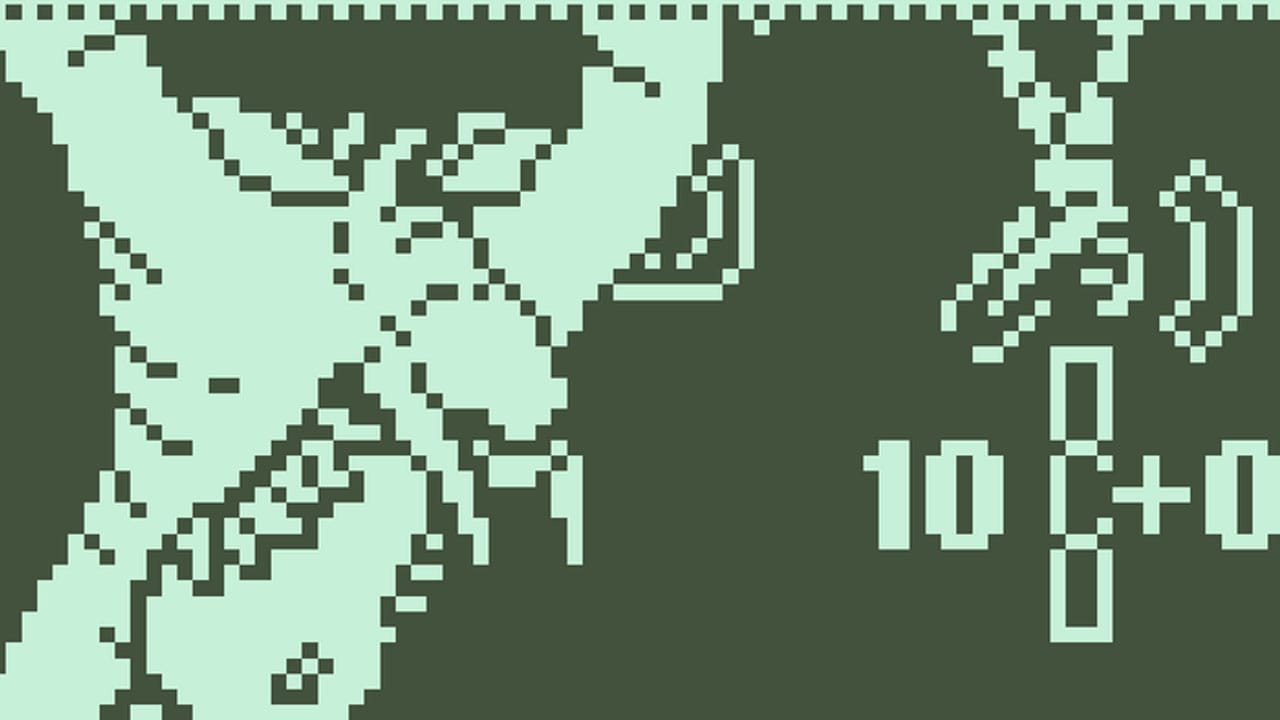
Navigation utilizes the keyboard’s standard arrow keys for movement, while the ‘Up’ key handles contextual environmental interactions. Combat and survival mechanics require a precise combination of inputs: the ‘Z’ key is dedicated to aiming weapons, the ‘X’ key governs firing and the iconic foot-stomp maneuver used to shatter enemy limbs and secure loot, and the ‘C’ key provides access to healing items and the signature stasis ability.
The title is currently distributed via the independent digital storefront Itch.io, allowing PC users to experience the game without requiring physical access to vintage telecommunication hardware. While the Nokia 3310 itself featured a monochrome resolution of just 84×48 pixels and a monophonic sound chip, the modern PC wrapper allows the software to execute smoothly while preserving the precise aesthetic constraints of the target era.
Background and Development Context
The genesis of this project lies within the niche community of game jams—timed collaborative competitions where programmers and artists are challenged to build functional video games within strict constraints over a compressed period. Specifically, the game was conceived for the Nokia 3310 Jam, an annual digital event that invites developers to design software adhering to the visual and technical limitations of late-1990s and early-2000s cellular devices.
Game jams have grown increasingly popular over the past decade as a counterweight to the multi-million-dollar, homogenized AAA software industry. These events frequently prohibit the use of generative artificial intelligence tools, demanding pure human ingenuity, collaborative problem-solving, and efficient coding practices. By imposing severe hardware limitations—such as restricting color depths to two hues or limiting memory footprints to mere kilobytes—organizers force participants to focus on clever gameplay loops, atmospheric pacing, and minimalist design.
The selection of Dead Space as source material represents an interesting creative paradox. Survival horror fundamentally relies on tension, obscurity, and sensory immersion—elements traditionally amplified by modern processing power, dynamic shadows, and binaural audio design. Translating such a visceral, high-fidelity experience onto a microscopic, two-color display requires a deep structural understanding of what makes the intellectual property compelling beneath its technical surface. Puato’s adaptation proves that dread can be communicated just as effectively through careful pacing, aggressive resource scarcity, and stark pixel silhouettes as it can through photorealistic gore.
Chronology of the Demake Movement
The phenomenon of demaking video games is not entirely new, but its cultural relevance has expanded significantly alongside the growth of retro-gaming preservation societies and independent development platforms.
- Early 2010s: Independent developers begin experimenting with "downgraded" ports of modern hits, initially as satirical web animations or proof-of-concept visual art pieces.
- Mid 2010s: Dedicated game jams emerge around specific retro hardware profiles, including the Nintendo Game Boy, Commodore 64, and early mobile chipsets. Platforms like Itch.io provide a centralized marketplace for these hobbyist projects.
- 2020–2024: The retro hardware community experiences a surge in popularity, driven by both older demographics seeking nostalgia and younger gamers exploring digital history. Hardware emulation and independent homebrew development for discontinued platforms become mainstream hobbies.
- Present Day: Highly polished demakes, such as Puato’s Nokia-styled Dead Space, transition from quick game jam prototypes into fully updated, playable software packages that attract global attention from gaming media and preservationists.
Industry Implications and Cultural Significance
The release and warm reception of the Dead Space Nokia demake underscore several broader trends within the contemporary video game landscape. First, it demonstrates the enduring cultural footprint of major franchises like Dead Space, which was originally developed by Visceral Games and published by Electronic Arts. Even fifteen years after the release of the original game, fan engagement remains robust enough to inspire creative cross-medium interpretations.
Second, projects of this nature highlight the value of community-driven software preservation and creative play. While official corporate publishers frequently focus on high-definition remasters and multi-million-dollar remakes to update older properties for modern audiences, the independent community often moves in the opposite direction—stripping games down to their bare conceptual components. This practice not only serves as an entertaining form of artistic expression but also democratizes game development, proving that complex design concepts can be studied and recreated using minimal computational resources.
Furthermore, the strict anti-AI rules associated with many modern game jams reinforce the human element of software creation. In an era increasingly dominated by automated content generation and corporate algorithms, projects built entirely through individual human imagination and technical labor resonate strongly with audiences seeking authentic creative endeavors.
As the independent development community continues to explore the boundaries between modern intellectual properties and archaic hardware limitations, projects like the Nokia-styled Dead Space ensure that the history of interactive entertainment remains a living, malleable medium open to continuous reinterpretation and playful subversion.