Hartono Sudibyo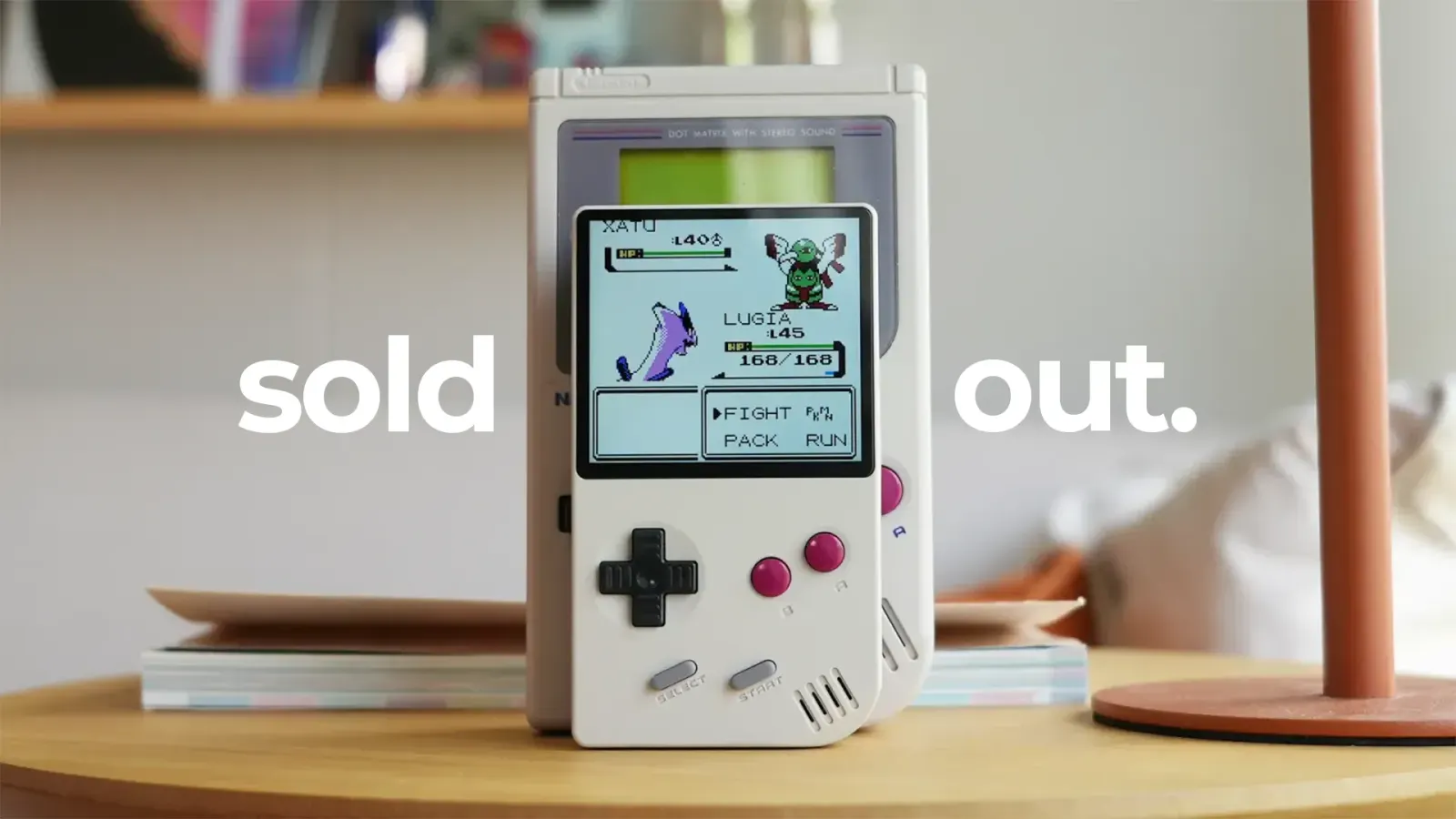
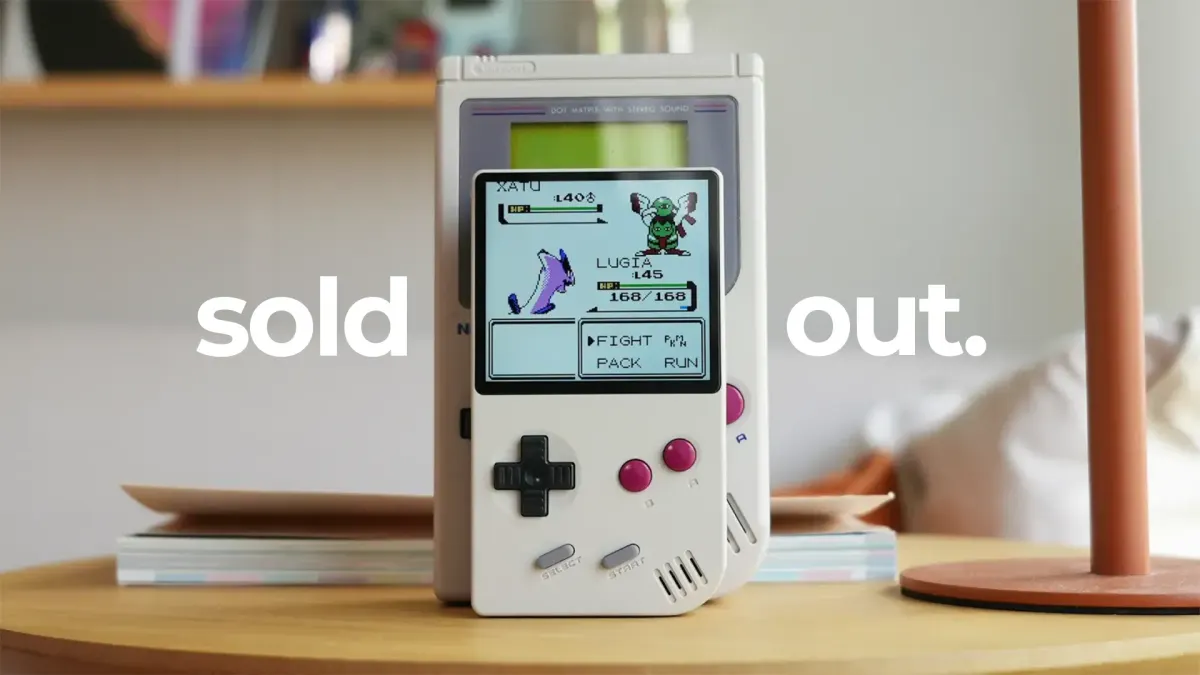
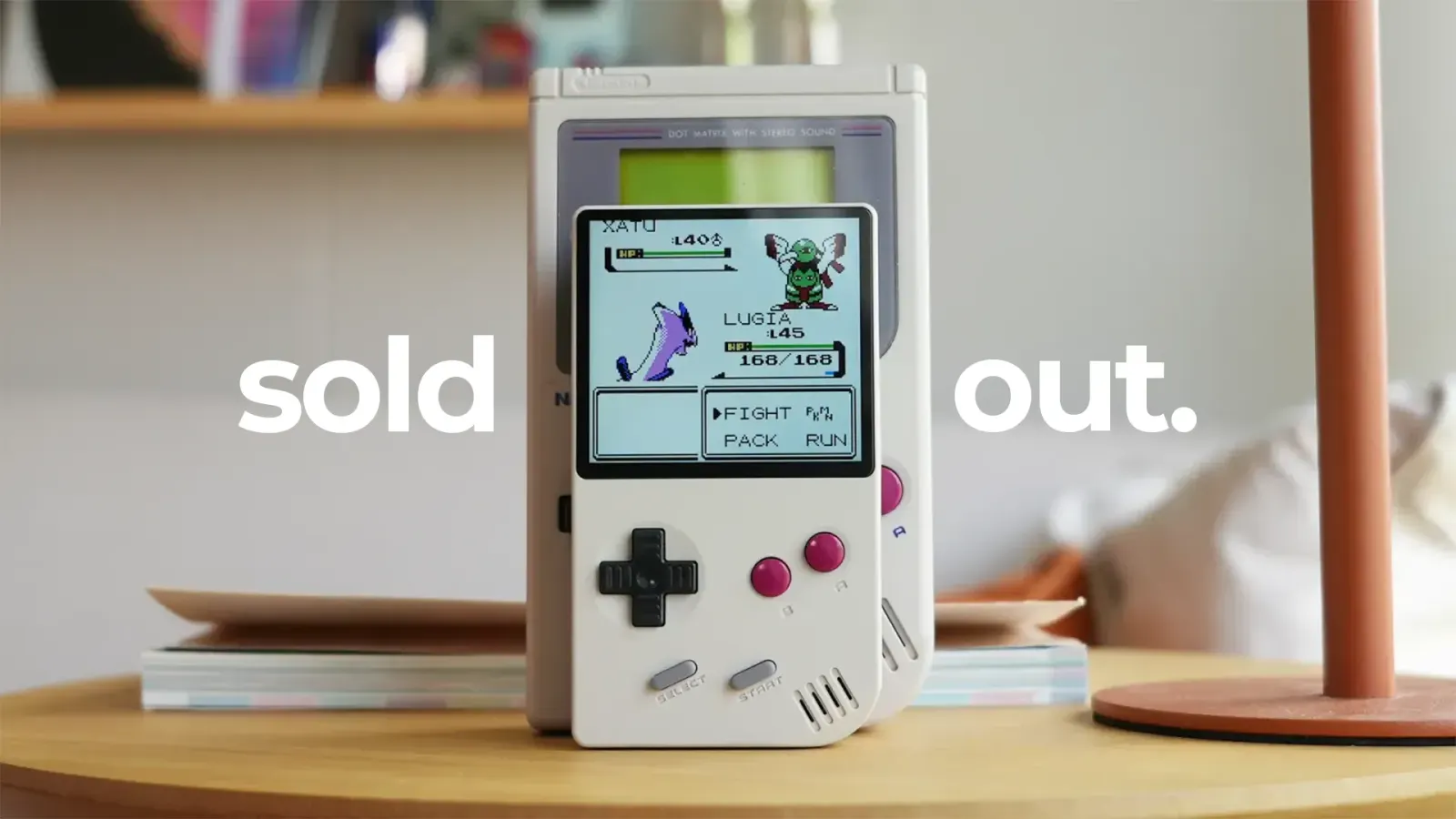
The retro gaming community has found itself captivated and simultaneously frustrated by the recent, highly restricted market debut of the FPGB Mini, a new pocket-sized FPGA-based handheld console developed by FunnyPlaying designed to play original Game Boy and Game Boy Color cartridges. Announced via an unannounced "shadow drop" on the manufacturer’s official platform, the device initially appeared with a meager global allocation of just 20 units. This scarcity immediately triggered a frenzy among hardware enthusiasts and collectors, resulting in a complete sell-out within ten minutes of public disclosure. The release strategy has reignited ongoing industry debates regarding limited production runs, transparent communication from boutique hardware manufacturers, and the delicate balance between enthusiast-driven demand and accessible consumer supply in the modern retro tech market.
Background and Context of the FPGB Mini
The rise of Field Programmable Gate Array (FPGA) technology in the retro gaming sphere represents a significant shift from traditional software emulation. Unlike emulators that run software interpretations of vintage hardware on modern processors, FPGA hardware replicates the original silicon logic gates of vintage consoles, such as the Nintendo Game Boy, offering cycle-accurate gameplay, zero input lag, and native cartridge compatibility without the degradation issues associated with aging original motherboards.
FunnyPlaying, a company widely recognized within the handheld modification community for producing high-quality replacement shells, custom IPS backlit screens, and custom PCBs for classic consoles, has increasingly transitioned from aftermarket component manufacturing to developing standalone hardware solutions. The FPGB Mini is the latest culmination of this engineering trajectory, aiming to deliver a modern, premium, pocket-sized form factor that appeals to purists who still maintain physical collections of Game Boy (GB) and Game Boy Color (GBC) cartridges. However, despite the technical promise of the hardware, the company’s rollout methodology has drawn significant criticism from industry reviewers and consumers alike due to its unpredictable nature and severely constrained logistics.
Chronology of the Launch and Initial Sell-Out
The timeline of the FPGB Mini’s introduction unfolded rapidly across digital channels, catching both consumers and specialized tech publications by surprise:
- Exclusive Reveal and Review Distribution: Prior to public availability, specialized retro gaming outlets, notably Retro Dodo, received exclusive review samples to evaluate the handheld’s form factor, screen quality, and compatibility.
- The Unannounced Shadow Drop: FunnyPlaying released the initial batch of the FPGB Mini directly to their storefront without a formal marketing campaign or scheduled pre-order window, making only 20 units available worldwide.
- Rapid Inventory Depletion: Within ten minutes of the review embargo lifting and the public launch post going live, the entire initial stock of 20 units was completely exhausted by consumers monitoring direct channels.
- Manufacturer Clarification: Following inquiries regarding the extreme scarcity, FunnyPlaying issued an official statement outlining the reasoning behind the microscopic initial batch and detailing immediate plans for future stock replenishments.
Official Responses and Production Realities
Faced with criticism regarding the minuscule launch inventory, representatives from FunnyPlaying addressed the logistical constraints driving the release schedule. According to the manufacturer, the decision to release only 20 units stemmed from ongoing hardware and firmware refinements required before scaling production.
"Since there are still some issues, we need to make some improvements," FunnyPlaying stated in communication with industry reviewers. Furthermore, external operational factors have compounded the delay, with the company noting, "Moreover, we are approaching a National Holiday soon, and there are still 30-50 consoles that can only be sold after the holiday."
This timeline aligns with official updates posted on the product’s landing page, which currently advises prospective buyers of a rolling twenty-day waiting period before additional units enter the supply chain. While this indicates that a restock is imminent, the anticipated secondary batch of 30 to 50 units remains exceptionally small by consumer electronics standards, ensuring that demand will continue to vastly outstrip supply in the immediate future.

Furthermore, when questioned regarding future product diversification—including potential color variations and collaborative hardware iterations—FunnyPlaying confirmed an openness to expanding the product line based on market feedback. "We will continue to sell it and there is a possibility of upgrading it," the company noted, adding, "Yes, hope we can cooperate. And we will also add new colours based on market feedback." Despite these affirmations, analysts note that the company’s historically deliberate and conservative manufacturing pace may hinder rapid global distribution.
Hardware Performance, Compatibility, and Early Critique
Early hands-on evaluations of review samples indicate that while the FPGB Mini holds immense promise, it remains very much a first-generation enthusiast product with notable quirks. Reviewers have highlighted discrepancies in physical tolerances and hardware reliability. Notably, certain specialized accessories—such as official Game Boy rumble-paked cartridges—exhibit physical compatibility issues, failing to fit securely within the streamlined shell of the mini console. Additionally, early testers reported occasional inconsistencies with the physical on/off power switch mechanism, pointing to areas requiring quality assurance improvements in subsequent manufacturing runs.
Despite these physical limitations, the core functionality of playing physical media on an FPGA-driven, backlit pocket display has received high marks for portability and visual fidelity. As developers continue to test edge cases, refine firmware, and address hardware anomalies, the consumer consensus remains cautiously optimistic, provided that supply chain bottlenecks can be cleared.
Broader Market Implications and Industry Impact
The launch strategy employed for the FPGB Mini reflects a broader trend within the niche tech and retro gaming hardware sectors, where small-scale manufacturers frequently utilize micro-batches to gauge interest, test assembly lines, and mitigate financial risk. However, this practice often alienates mainstream consumers and benefits scalpers or hyper-vigilant enthusiasts who closely monitor real-time RSS feeds and social media notifications.
For the retro gaming market, the emergence of the FPGB Mini signifies continuous innovation in portable FPGA architecture, challenging larger entities to meet the demand for pocket-friendly, hardware-accurate preservation tools. Yet, the persistent struggle with inventory allocation underscores the need for more predictable pre-order frameworks, transparent communication pipelines, and scalable manufacturing partnerships.
As FunnyPlaying prepares its post-holiday inventory influx of 30 to 50 units, prospective buyers face a competitive purchasing environment. Industry observers anticipate that until the manufacturer transitions from intermittent shadow drops to structured, high-volume production runs, acquiring an FPGB Mini will remain an exercise in timing and persistence for the retro gaming community.