Hartono Sudibyo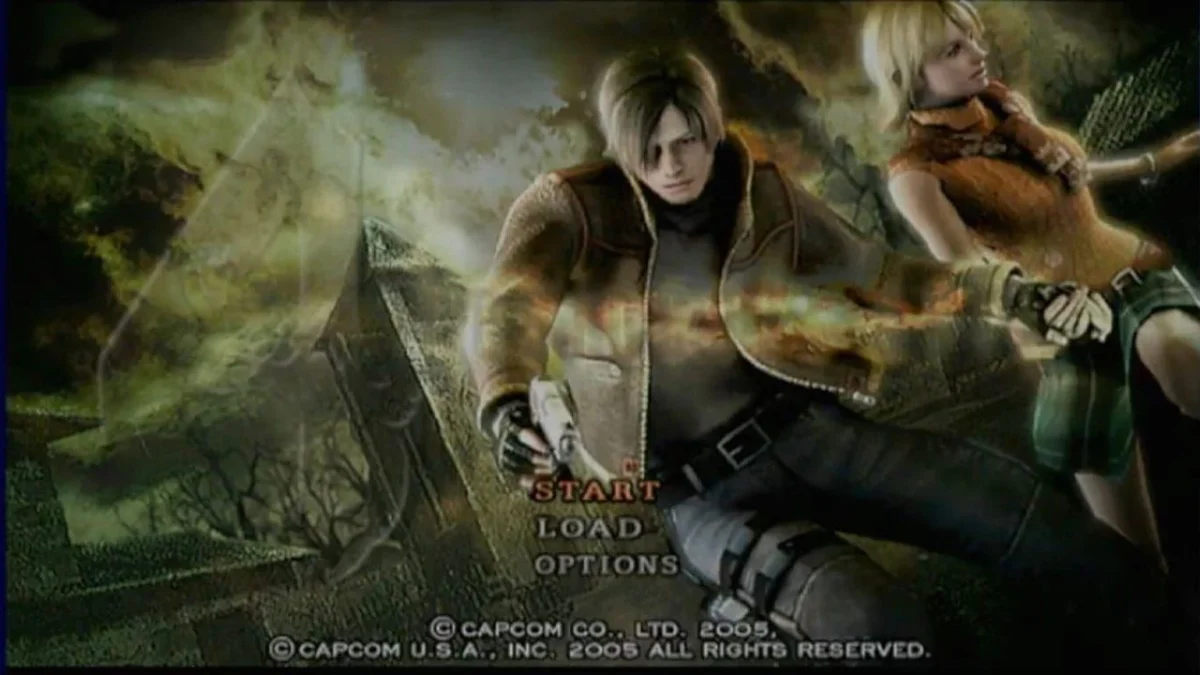
The independent homebrew scene has received another monumental technical milestone following announcements from prominent developer Alessio Tosto, widely known within the community as Rinnegatamante. Known for pushing the hardware boundaries of Sony’s discontinued handheld console, Tosto has revealed two new Resident Evil ports currently in development for the PlayStation Vita. The most ambitious of these projects is an unofficial port of Resident Evil 4, a title originally launched for the Nintendo GameCube in 2005. Alongside this technical showcase, Tosto released a fully functional, enhanced native recompilation of Resident Evil Gaiden, the cult-classic 2001 Game Boy Color spin-off. These developments underscore the enduring longevity of the PlayStation Vita as a canvas for passionate independent developers, even as debates surrounding the integration of artificial intelligence assistance in software development continue to polarize the community.
Main Facts and Technical Scope
The announcement of a Resident Evil 4 port for the PlayStation Vita represents an extraordinary engineering feat. Originally developed by Capcom Production Studio 4 and directed by Shinji Mikami, Resident Evil 4 is widely regarded as one of the most influential action-adventure titles in video game history, setting a benchmark for the over-the-shoulder third-person shooter genre. Bringing a title of this graphical and processing scale to hardware released by Sony in 2011 is a massive undertaking, given that the PlayStation Vita’s ARM Cortex-A9 MPCore processor and PowerVR SGX543MP4+ GPU were considered mid-tier even at the time of the console’s commercial release.
Currently, the Resident Evil 4 port exists in an early debug build state. Initial footage released by Tosto via social media demonstrates a functional loading and gameplay screen running directly on the handheld hardware. According to developer commentary accompanying the release, the primary objective of the current phase is ensuring system stability and basic playability. Subsequent phases will focus on addressing visual artifacts, rectifying performance bottlenecks, and stripping away debugging bloatware to achieve a targeted full-speed execution rate.
In contrast, the second project—a native recompilation of Resident Evil Gaiden—is already complete and available for public download via the developer’s official homebrew database. Unlike the ambitious, full 3D environment of Resident Evil 4, Resident Evil Gaiden combines top-down exploration with a first-person tactical combat minigame. Tosto’s enhanced version for the PlayStation Vita introduces several modern quality-of-life improvements, including widescreen display support, dynamic item sparkles, an ambient flashlight mechanic, integrated save states, custom cheat codes, and expandable texture and music asset packs.
Chronology of Recent Homebrew Developments
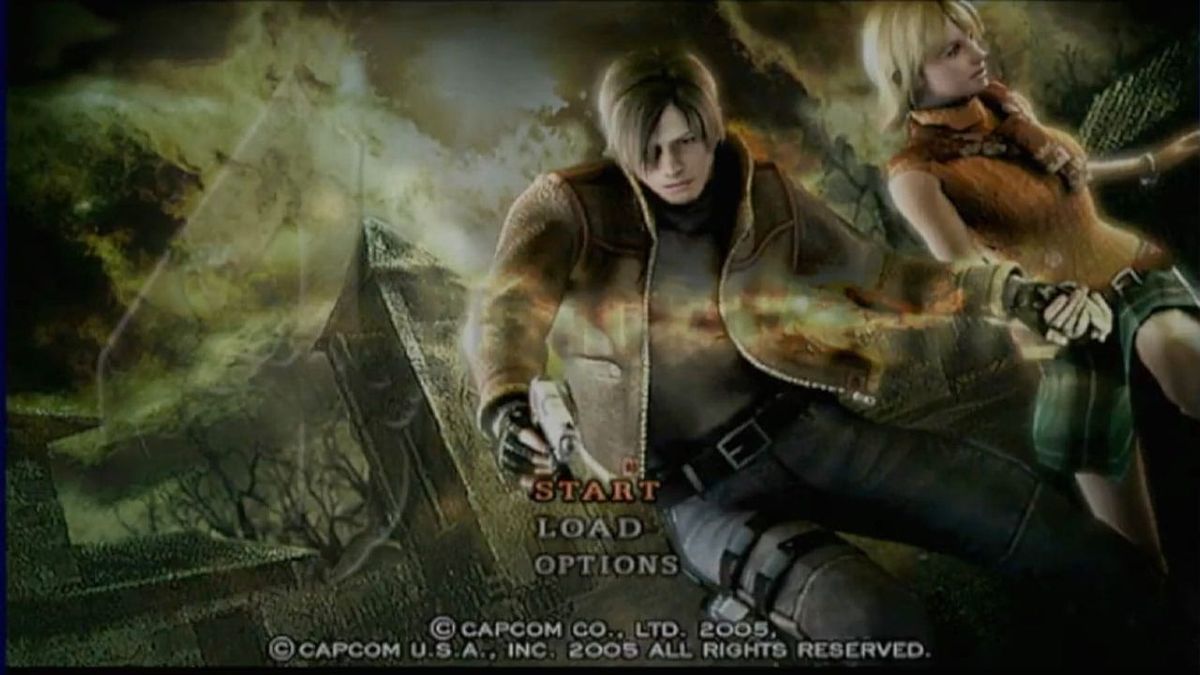
The announcement of the Resident Evil dual-port initiative follows a rapid succession of high-profile homebrew releases orchestrated by Tosto. Just weeks prior to the Resident Evil teaser, Tosto successfully delivered an unofficial port of Crash Team Racing to the PlayStation Vita, featuring fully functional four-player multiplayer capabilities—a feature that pushed the console’s networking and processing limits.
The timeline of Tosto’s recent operations highlights an accelerating output of complex software ports:
- Early September 2026: Tosto releases an unofficial, multiplayer-supported port of Crash Team Racing for the PlayStation Vita.
- September 16, 2026: Tosto officially unveils the Resident Evil Gaiden native recompilation, deploying widescreen support and enhanced graphical features to the public.
- September 16, 2026: Simultaneously, Tosto releases a brief teaser video on social media showcasing the early debug build of Resident Evil 4 running on PlayStation Vita hardware.
- September 18, 2026: Technical details emerge regarding development processes, alongside community discussions regarding the use of AI-assisted coding tools in homebrew engineering.
Background Context: The PlayStation Vita Homebrew Ecosystem
Released in Japan in December 2011 and worldwide in early 2012, the PlayStation Vita was commercially abandoned by Sony Computer Entertainment several years into its lifecycle due to sluggish hardware sales, expensive proprietary memory cards, and the rapid rise of mobile smartphone gaming. Despite official support ending prematurely, the console cultivated a fiercely loyal grassroots community. Over the subsequent decade, homebrew developers unlocked the kernel, enabling custom firmware installation, overclocking, and native code execution.
Developers like Rinnegatamante have consistently defied expectations by porting complex games that Sony never officially brought to the platform. Past achievements across the homebrew community include native ports of Grand Theft Auto III, Vice City, and San Andreas, achieved through reverse-engineering source code and creating custom wrappers to translate game instructions for the Vita’s ARM architecture. The addition of Resident Evil 4 to this lineage places it among the most technologically demanding projects ever attempted on the platform.
The Integration of AI Assistance in Software Porting
A significant talking point surrounding Tosto’s latest projects involves the methodology behind their rapid execution. Documentation and updates on Tosto’s official developer hub indicate the utilization of artificial intelligence tools to assist with various phases of the porting and coding process. Within the homebrew community, this revelation has sparked nuanced discussions concerning software craftsmanship, development velocity, and the changing definition of independent programming.

While Tosto has previously distinguished projects using explicit tags such as "No AI" or "vibecoded" to indicate varying degrees of automated assistance, the reliance on AI-driven workflows appears to be gaining traction within the broader emulation and porting scene. Proponents argue that artificial intelligence tools streamline the tedious aspects of legacy code translation, allowing solo developers to accomplish in weeks what previously required years of coordinated team effort. Conversely, purists express concern that automation diminishes the traditional craftsmanship of manual reverse engineering, potentially introducing underlying bugs or compromising the architectural integrity of classic software.
Broader Industry Impact and Implications
The unofficial porting of corporate-owned intellectual properties like Resident Evil occupies a unique legal and cultural space within the video game industry. Historically, rights holders such as Capcom maintain strict control over their software assets. However, because older titles like Resident Evil 4 (GameCube version) and Resident Evil Gaiden (Game Boy Color) are no longer actively distributed by Capcom for the PlayStation Vita platform, homebrew projects of this nature generally operate within a gray market of digital preservation.
From a preservationist standpoint, community-driven ports ensure that historical software remains playable on vintage or legacy hardware configurations long after official manufacturer support ceases. As commercial storefronts continue to sunset legacy digital marketplaces—exemplified by Sony’s previous, albeit reversed, attempts to close the PlayStation 3 and Vita digital stores—homebrew ports serve as an alternative archive maintained by enthusiasts.
Furthermore, technical achievements of this scale demonstrate the untapped capabilities of dormant hardware. By wringing high-performance execution out of a 15-year-old handheld device, developers like Tosto challenge conventional notions of planned obsolescence, proving that hardware longevity can be radically extended through dedicated community engineering and modern computational toolsets.
Future Outlook for Vita Homebrew
As the Resident Evil 4 port transitions from a preliminary debug build to optimization and performance tuning phases, the homebrew community anticipates future technical breakdowns and public beta releases from Tosto. Whether full-speed execution can be successfully achieved without severe compromises to resolution or asset fidelity remains the central question for hardware analysts and retro gaming enthusiasts alike. Regardless of the final performance metrics, the project cements the PlayStation Vita’s legacy as one of the most creatively modified and persistently supported gaming handhelds in digital history.