Chalid Lutfie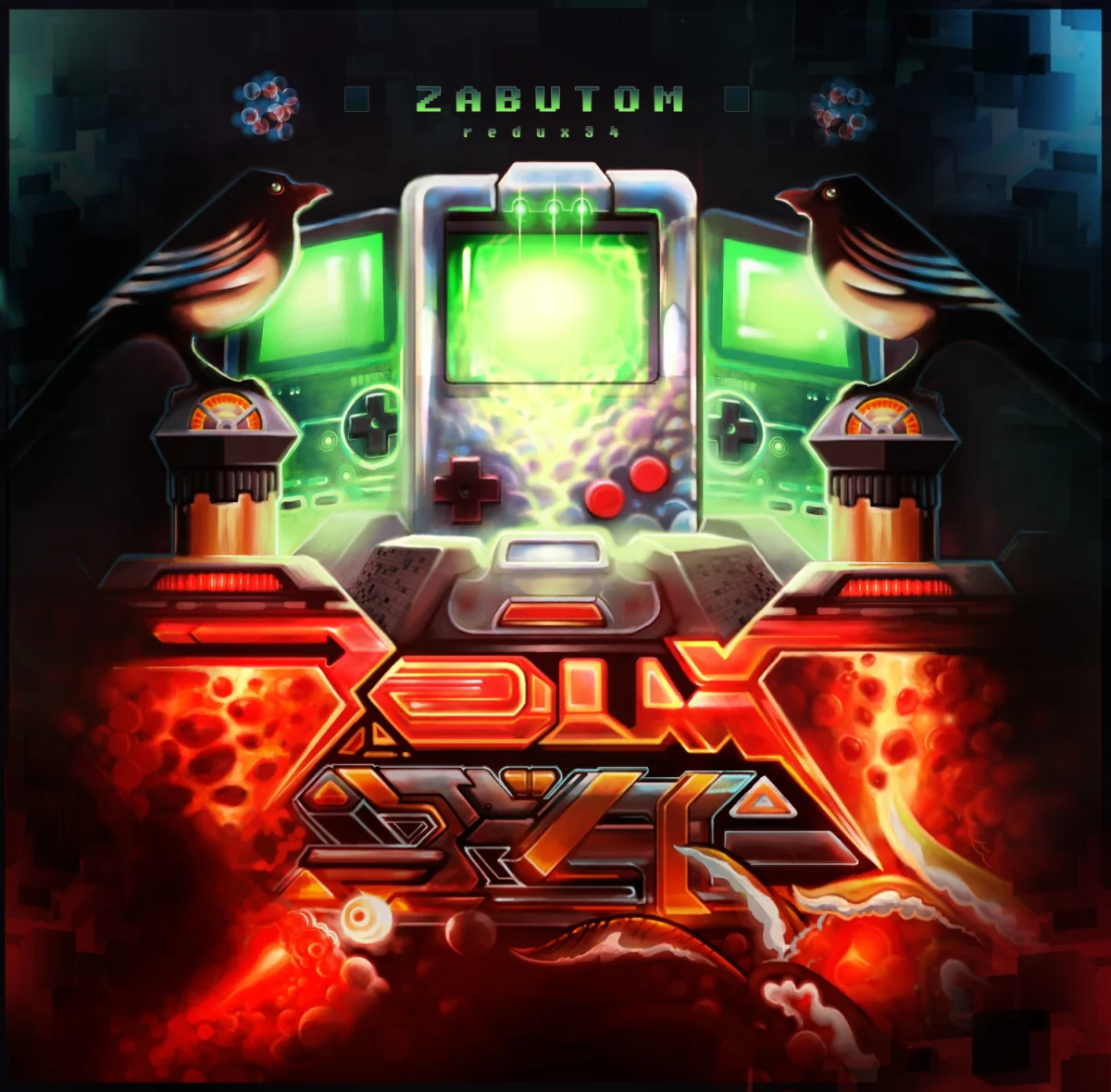
Released on September 18, 2015, the album Redux34 by Swedish composer Niklas Sjösvaerd, known professionally as Zabutom, represents a significant departure from the traditional confines of the chiptune genre. By weaving 8-bit Nintendo-era sound chips with the organic warmth of electric guitars, analog synthesizers, and complex IDM (Intelligent Dance Music) rhythms, Sjösvaerd has delivered a project that bridges the gap between nostalgic retro-gaming aesthetics and contemporary electronic production. The album, which arrived three years after his critically acclaimed debut Zeta Force, serves as both a retrospective of his technical growth and a bold experiment in cross-genre composition.
A Chronology of Artistic Development
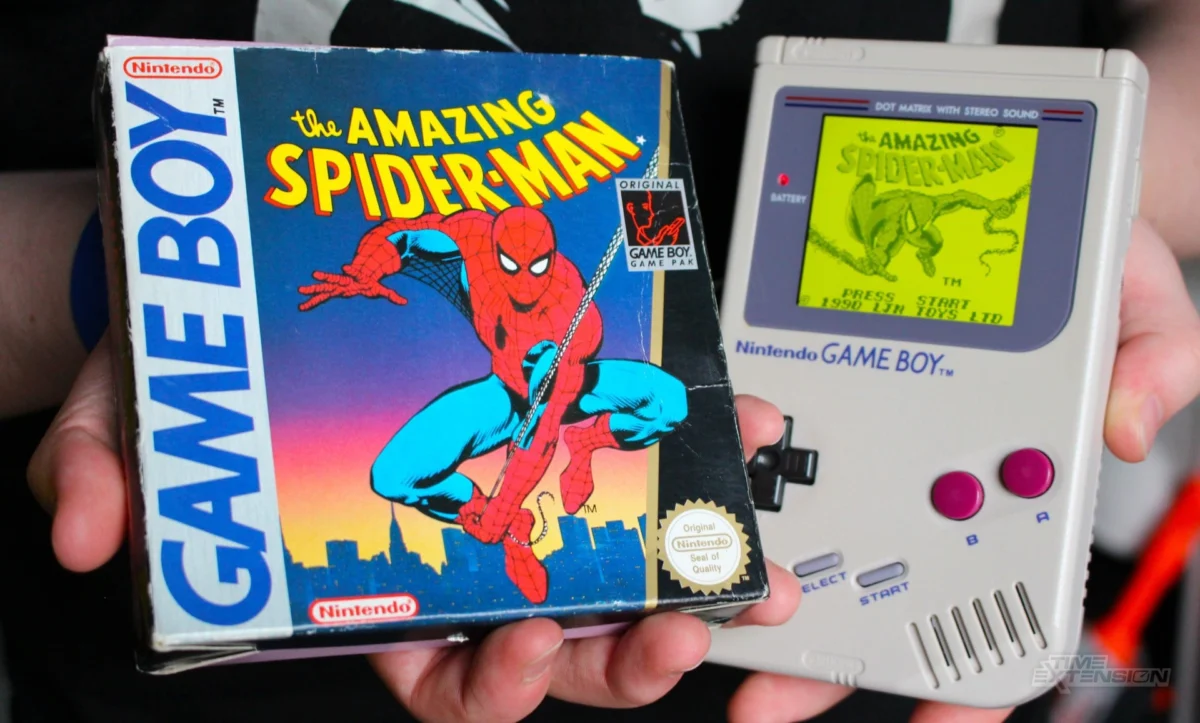
The genesis of Redux34 predates its 2015 release by nearly a decade. Sjösvaerd’s journey began in the early 2000s, where he cut his teeth in the demoscene—a computer art subculture focused on creating self-contained, real-time-generated programs that showcase technical prowess. These early experiences provided the foundation for his mastery of Little Sound DJ (LSDJ), a synthesizer and sequencer for the Game Boy that remains the industry standard for chip-music artists.
Between 2008 and 2011, Sjösvaerd transitioned from a demoscene contributor to a performer on the international chiptune circuit. During this period, he began drafting the motifs that would eventually populate Redux34. However, the path to completion was marked by significant technical setbacks. The title track, "Redux34," was initially composed in 2008, only to be lost entirely due to a catastrophic hardware failure of an LSDJ cartridge. This loss forced a complete reconstruction of the track from memory, a process that underscored the album’s central theme of resilience and iteration.
Following the success of Zeta Force (2011) and New Beginnings (2014), Sjösvaerd pursued formal academic training, culminating in a bachelor’s degree in composition and electronic music from the Academy of Music and Drama in Gothenburg. This formal education provided the theoretical framework required to integrate his raw 8-bit textures with the complex, spaced-out delay textures and progressive rock structures that define the soundscape of his 2015 release.
Technical Composition and Sonic Architecture
Redux34 is defined by its refusal to adhere to a singular electronic sub-genre. Where many chiptune artists focus strictly on the limitations of the hardware, Sjösvaerd utilizes the hardware as a starting point, layering it with sophisticated production techniques. The integration of electric guitars and analog synthesis is not merely decorative; it creates a "retro-futuristic" tension that pushes the listener toward a melancholic yet hopeful narrative.

The album’s title itself serves as a meta-commentary on the production process. The "Redux" refers to the act of recreating lost material, while "34" pays homage to the specific time signature utilized within the title track. Throughout the recording process, Sjösvaerd reported a recurring cycle of lost patterns and failed mixdowns, which necessitated an exhaustive, time-consuming effort to rebuild the sonic architecture of the tracks. This friction between the volatile nature of vintage hardware and the precision of modern DAW (Digital Audio Workstation) environments is the primary driver of the album’s unique aesthetic.
Broader Artistic Context and Collaborations
The release of Redux34 coincides with a broader trend in the electronic music industry: the mainstreaming of "chiptune fusion." Throughout the early 2010s, audiences began to gravitate toward artists capable of blending the high-energy, lo-fi aesthetic of the 1980s with the high-fidelity polish of modern prog-rock and ambient electronic music.
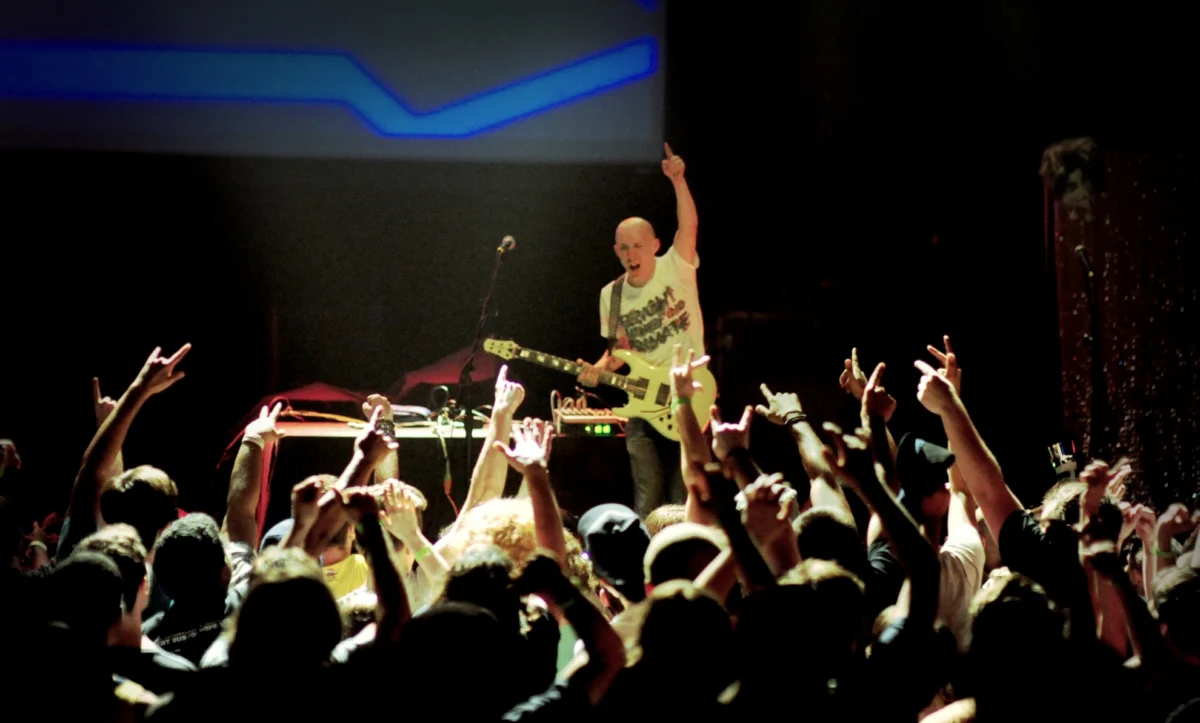
Sjösvaerd’s background is notably diverse, extending well beyond the screen. His resume includes experimental electronic projects such as Friktion and Scratches and Petals, live modular techno performances with the collective Buchla Boys, and involvement in folk-inspired acoustic acts like Fowlcloud and L’éonore Boulanger. This breadth of experience allowed him to treat the chiptune elements of Redux34 as just one instrument in a larger, orchestral-electronic ensemble.

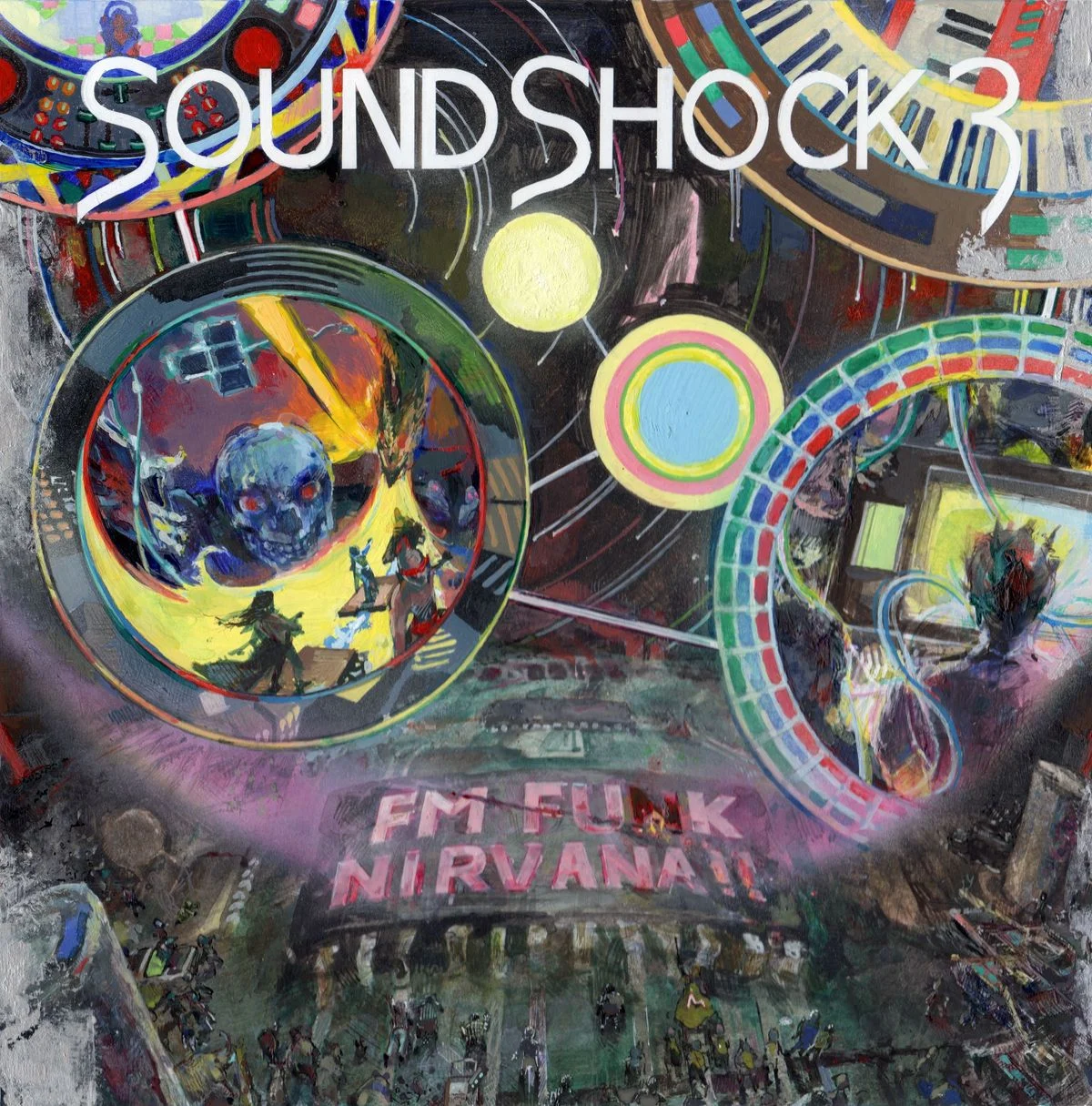
The visual component of the release was handled by Anders Karlsson, a Norrköping-based concept artist and painter. The inclusion of professional-grade visual art reflects the evolution of independent music releases, where the physical or digital "packaging" is expected to match the high standards of the audio content. By partnering with a visual artist of Karlsson’s caliber, the album establishes a complete, immersive world for the listener, aligning with the narrative of "strange new worlds" that Sjösvaerd aimed to evoke.
Implications for the Chiptune Genre
The release of Redux34 has implications for the trajectory of independent electronic music. Historically, the chiptune community operated in a vacuum, often characterized by strict adherence to hardware constraints (e.g., "pure" chip music). By incorporating academic composition techniques and instruments from outside the digital realm, Sjösvaerd signals a departure from this purism toward a more inclusive, experimental approach.
Industry analysts observe that this shift mirrors the general evolution of electronic music over the last decade, where boundaries between "lo-fi" and "hi-fi" have increasingly blurred. For the Ubiktune label and the wider community, Redux34 serves as a benchmark for how electronic musicians can honor their roots in early computing while continuing to challenge their listeners with complex arrangements and diverse instrumentation.

Official Distribution and Reception
As of September 18, 2015, Redux34 has been made available across major digital storefronts and streaming services, with a physical CD release targeting the collector market. The dual-format release is a strategic move to cater to both the convenience of the modern streaming audience and the traditional preference for physical media within the demoscene and chiptune subcultures.
The reception of the album is expected to solidify Sjösvaerd’s reputation as a bridge between two worlds: the academic, conservatory-trained composer and the DIY, hardware-focused producer. His work demonstrates that the limitations of the Game Boy are not a ceiling, but rather a starting point for a more expansive, genre-defying musical language. As Redux34 enters the public domain of critical review, it stands as a testament to the longevity of the chiptune movement and its capacity for reinvention in the modern era.
By successfully reconciling the hardware crashes of 2008 with the academic rigor of 2015, Niklas Sjösvaerd has ensured that the Zabutom project remains at the forefront of the electronic music conversation. The album does not merely play music; it tells a story of technical endurance, suggesting that the most compelling art often arises from the struggle to rebuild what was nearly lost. As listeners engage with the complex textures of Redux34, they are invited into a sonic journey that effectively synthesizes the past and the future of electronic expression.