Hartono Sudibyo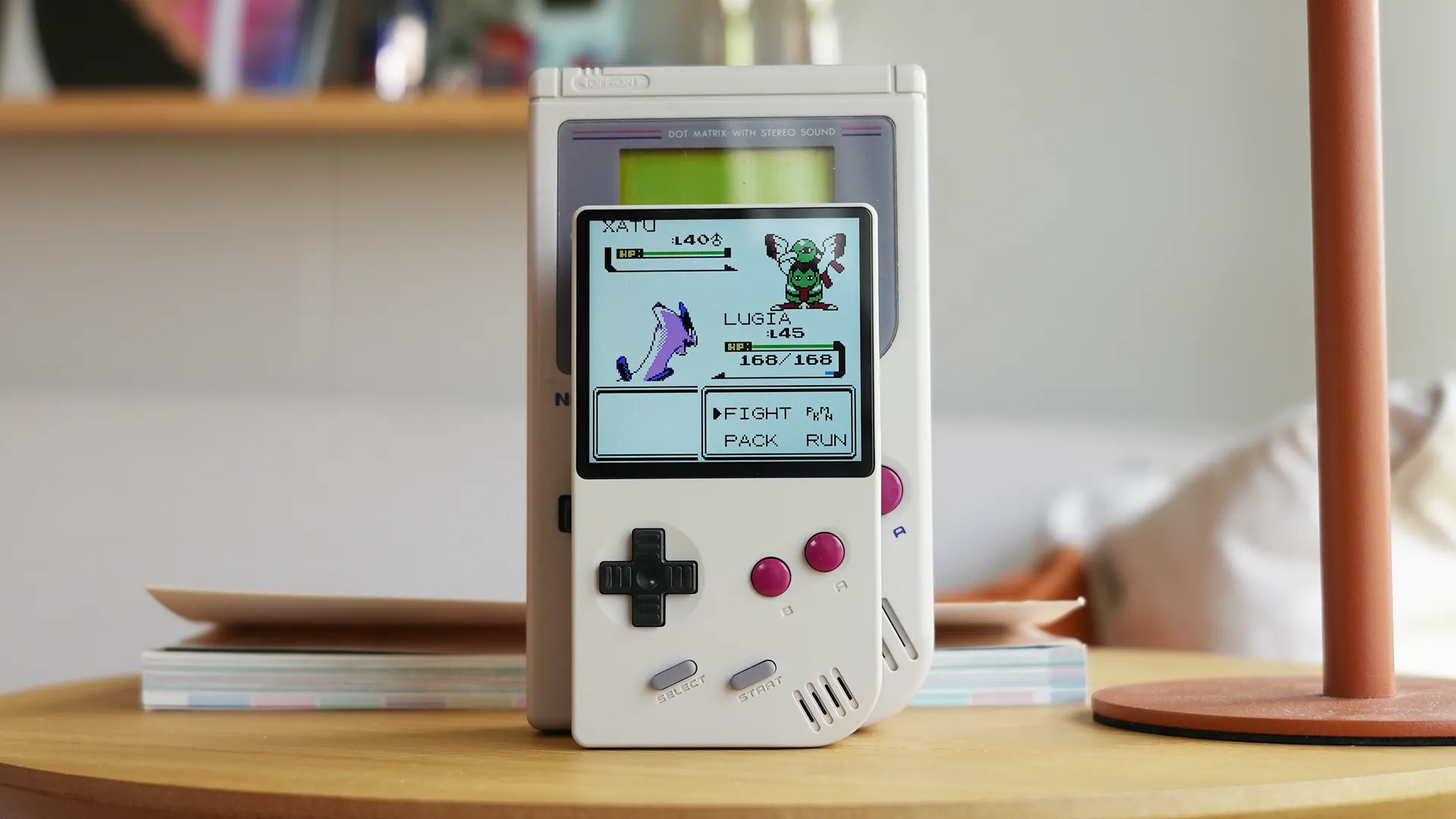
The portable gaming market is experiencing a significant surge of interest in miniaturized, retro-inspired hardware, driven largely by enthusiasts seeking modern technological upgrades wrapped in nostalgic aesthetics. Leading this specialized movement is FunnyPlaying, a hardware modding and manufacturing firm recognized for its custom replacement shells, high-visibility IPS liquid crystal display kits, and advanced field-programmable gate array (FPGA) logic boards designed for vintage Nintendo consoles. The company has officially introduced its latest hardware development, the FPGB Mini, a pocket-sized handheld console engineered to mimic the iconic design of the original 1989 Nintendo Game Boy DMG while offering native support for physical Game Boy and Game Boy Color game cartridges.
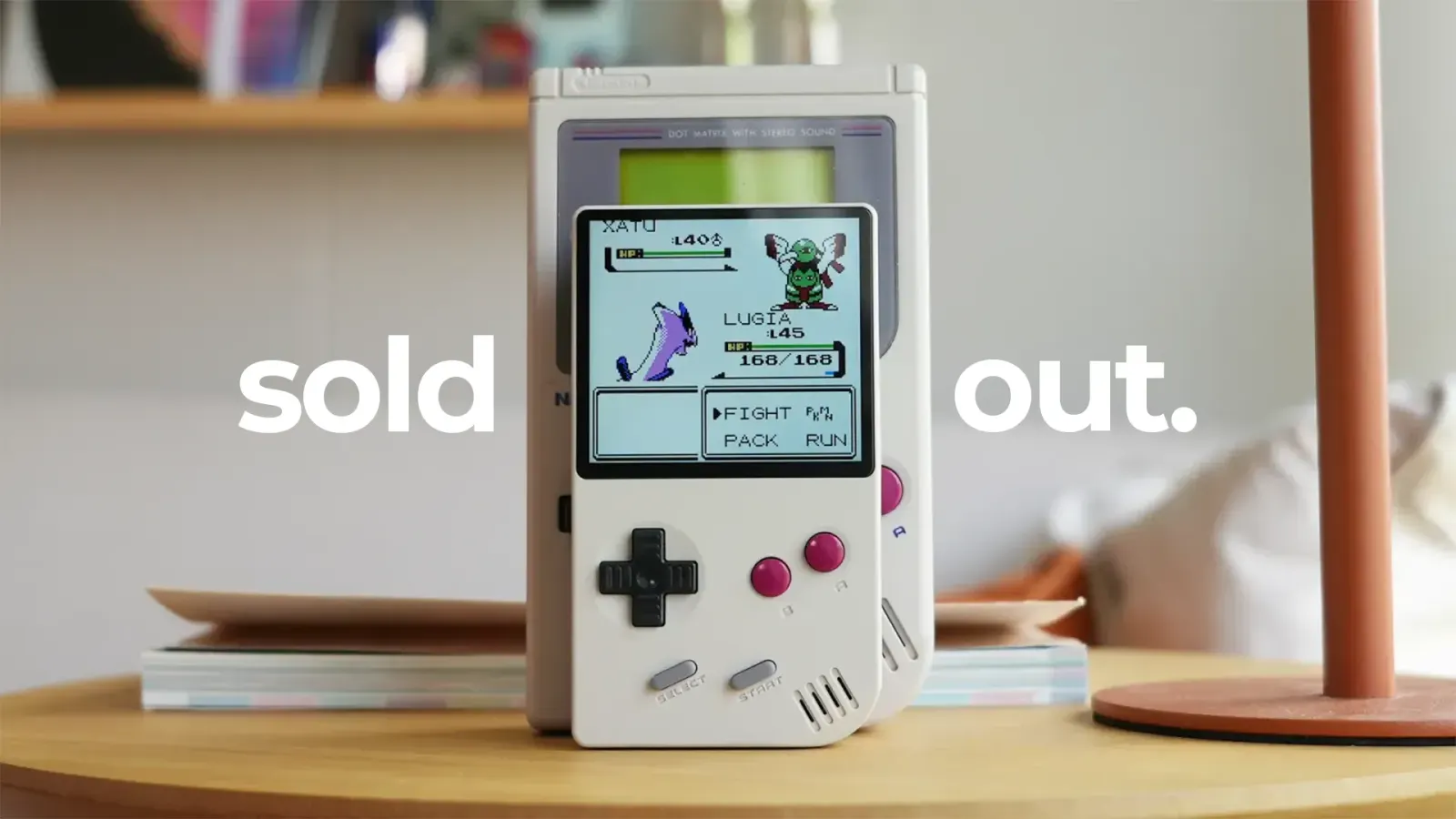
Priced at an early-bird rate of $69.99, the initial retail offering of the console went live on the official FunnyPlaying e-commerce storefront. However, the commercial rollout has been met with immediate controversy and widespread consumer frustration due to an extraordinarily restricted initial supply volume. Industry analysts and prospective buyers alike have scrutinized the manufacturing strategy, which yielded an initial global inventory of merely twenty units. This limited availability has sparked intense discussions across enthusiast forums and social media channels regarding manufacturing scalability, supply chain constraints in independent hardware production, and the viability of boutique retro tech rollouts in a highly demanding global marketplace.
Product Engineering and Hybrid Architecture
The FPGB Mini represents a technological evolution within the niche community of portable retro gaming devices. Unlike standard software-based emulation handhelds that rely entirely on downloaded read-only memory (ROM) files running on generic mobile chipsets, the FPGB Mini bridges the gap between physical preservation and modern convenience. The device incorporates a physical cartridge slot capable of accepting original Game Boy and Game Boy Color game media, allowing long-time collectors to utilize their existing physical libraries without the degradation typically associated with aging hardware.
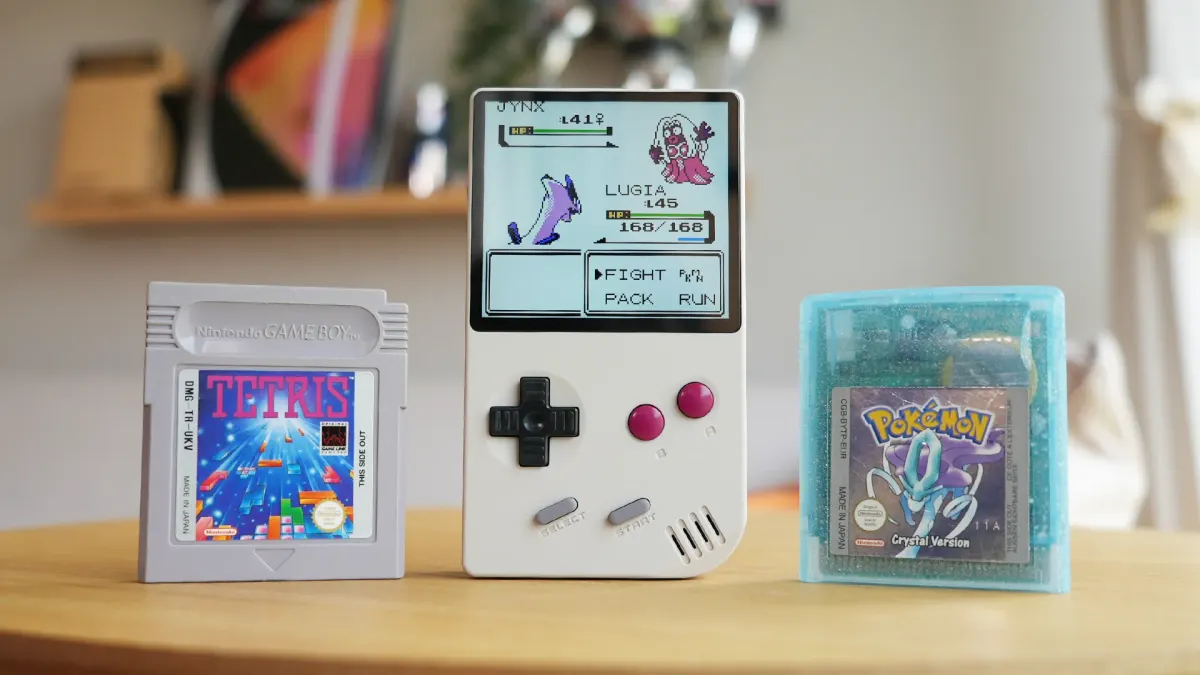
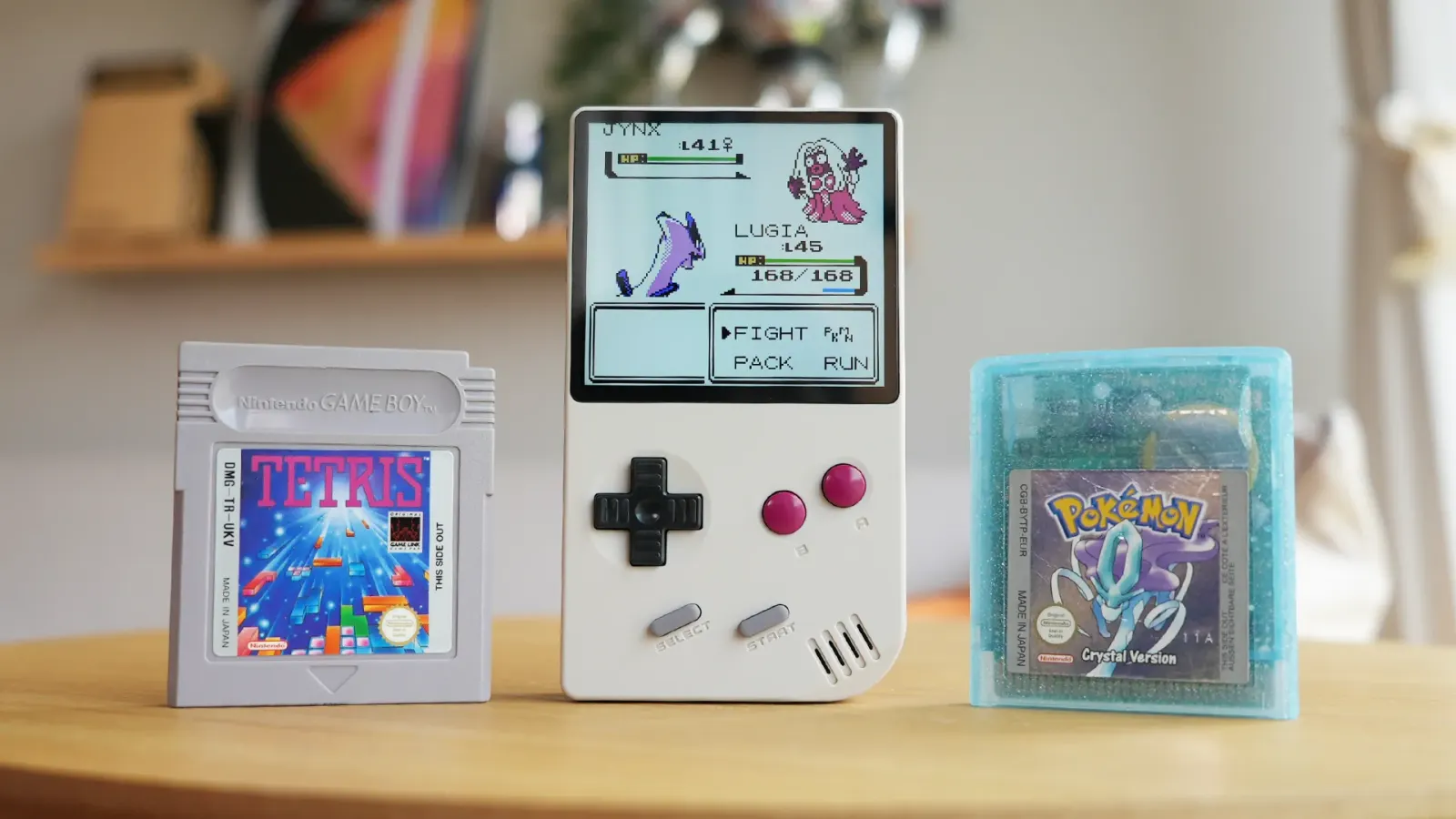
In addition to supporting physical cartridges, the hardware integrates an internal emulation layer driven by an onboard microSD card slot. This dual functionality enables users to load digital ROM backups directly onto the device, effectively positioning the FPGB Mini as a versatile ultra-portable system comparable in spirit to the Game Boy Micro released by Nintendo in 2005, albeit with significantly expanded technological capabilities. Early technical evaluations conducted by hardware reviewers indicate that the console features a vibrant, high-contrast display panel tailored to modern visual standards, alongside a streamlined form factor designed for maximum pocketability.
Despite its impressive engineering achievements, early production models reveal certain physical and mechanical limitations inherent to boutique hardware manufacturing. Reviewers who obtained early evaluation units noted compatibility issues with specific specialty cartridges, such as games featuring integrated rumble feedback mechanisms. The physical dimensions of the rear battery compartments on these specialized cartridges prevent them from seating fully within the compact housing of the FPGB Mini. Furthermore, minor mechanical inconsistencies, such as a sensitive power switch with a shallow travel distance, have been documented, highlighting the prototype-like nature of the initial production run.
Chronology of Development and Release Strategy
The journey toward the commercial release of the FPGB Mini spans several months of clandestine research and development within FunnyPlaying’s engineering division. Throughout late summer, industry insiders and dedicated retro gaming publications received intermittent updates detailing the progress of the pocket-sized console. Prototype testing and architectural refinements were conducted privately, culminating in the distribution of a small batch of review samples to select media outlets and hardware analysts.
The timeline of the official product launch unfolded as follows:

- Mid-August to Early September: Initial developmental teasers and specifications shared confidentially with hardware reviewers, showcasing the physical cartridge slot and the integration of internal microSD storage emulation.
- September 18: Official retail launch of the FPGB Mini on the FunnyPlaying website, establishing an early-bird promotional price point of $69.99.
- Immediate Post-Launch Window: Widespread consumer backlash following the disclosure that the initial inventory batch consisted of exactly twenty units globally, resulting in instantaneous sell-out conditions.
- Upcoming Holiday Period: Scheduled cessation of immediate assembly lines due to national holiday observances in manufacturing regions, with subsequent small-batch restocks anticipated following the conclusion of regional mid-Autumn celebrations.
Official Statements and Manufacturing Constraints
The decision to release a flagship hardware product in a batch of only twenty units prompted immediate inquiries from consumers and trade journalists seeking clarification on supply chain logistics. In response to mounting public criticism regarding the perceived artificial scarcity of the device, representatives from FunnyPlaying issued an official statement explaining the rationale behind the micro-batch strategy.
According to the manufacturing firm, the exceptionally limited initial volume was a necessary precaution driven by ongoing hardware refinements and impending regional holiday schedules. Company spokespersons stated that engineers identified minor operational discrepancies requiring software and mechanical improvements prior to mass assembly. Furthermore, the timing coincided closely with national holiday periods, resulting in a temporary freeze on factory output. FunnyPlaying confirmed that an additional allocation of thirty to fifty units is currently undergoing final quality assurance checks and will be made available to the public once operational capacity resumes following the holiday window.
This transparent yet disruptive admission underscores the operational realities faced by independent manufacturers operating outside the traditional mass-production frameworks utilized by major consumer electronics conglomerates. While companies like Nintendo produce millions of units to meet global demand, boutique firms often rely on small-scale CNC milling, limited printed circuit board (PCB) fabrication runs, and manual assembly processes. Consequently, unforeseen technical hurdles can abruptly halt production pipelines, leaving eager consumer bases facing extended wait times.
Market Implications and Economic Analysis
The release of the FPGB Mini and the subsequent supply shortage reflect broader economic and cultural trends within the modern retro gaming ecosystem. Over the past decade, the market for vintage hardware modifications, FPGA-based clones, and premium emulation devices has expanded from a fringe hobby into a multi-million-dollar industry. Consumers are increasingly willing to pay premium prices for hardware that delivers authentic tactile experiences paired with modern visual fidelity.
However, the debut of the FPGB Mini highlights the persistent friction between high consumer demand and the fragility of independent supply chains. When a highly anticipated product is released in quantities as small as twenty units, it inevitably generates intense secondary market speculation, price inflation on auction platforms, and consumer disenfranchisement. Scalpers frequently utilize automated purchasing scripts to acquire micro-batch electronics, diverting hardware away from genuine enthusiasts and undermining the consumer goodwill that boutique brands strive to cultivate.
From a strategic perspective, FunnyPlaying’s measured approach carries both risks and benefits. On one hand, launching in micro-batches allows the engineering team to field-test hardware iterations in real-world conditions, mitigating the financial and reputational risks associated with widespread hardware failure or recall campaigns. On the other hand, the frustration generated by immediate sell-outs and single-digit availability figures can alienate prospective buyers who may redirect their purchasing power toward competing modular handheld manufacturers.
As the industry looks toward future production cycles, market observers will closely monitor FunnyPlaying’s ability to scale manufacturing output following the regional holidays. If subsequent batches successfully resolve the physical cartridge compatibility issues—particularly regarding oversized rumble modules and power switch tolerances—while increasing inventory to meet baseline demand, the FPGB Mini could establish itself as a definitive benchmark for ultra-portable, cartridge-compatible retro hardware. Until then, prospective buyers must navigate fluctuating stock availability, relying on direct manufacturer notifications and community-driven alert systems to secure one of the most uniquely engineered pocket consoles of the decade.