Cecilia Chamidah Nur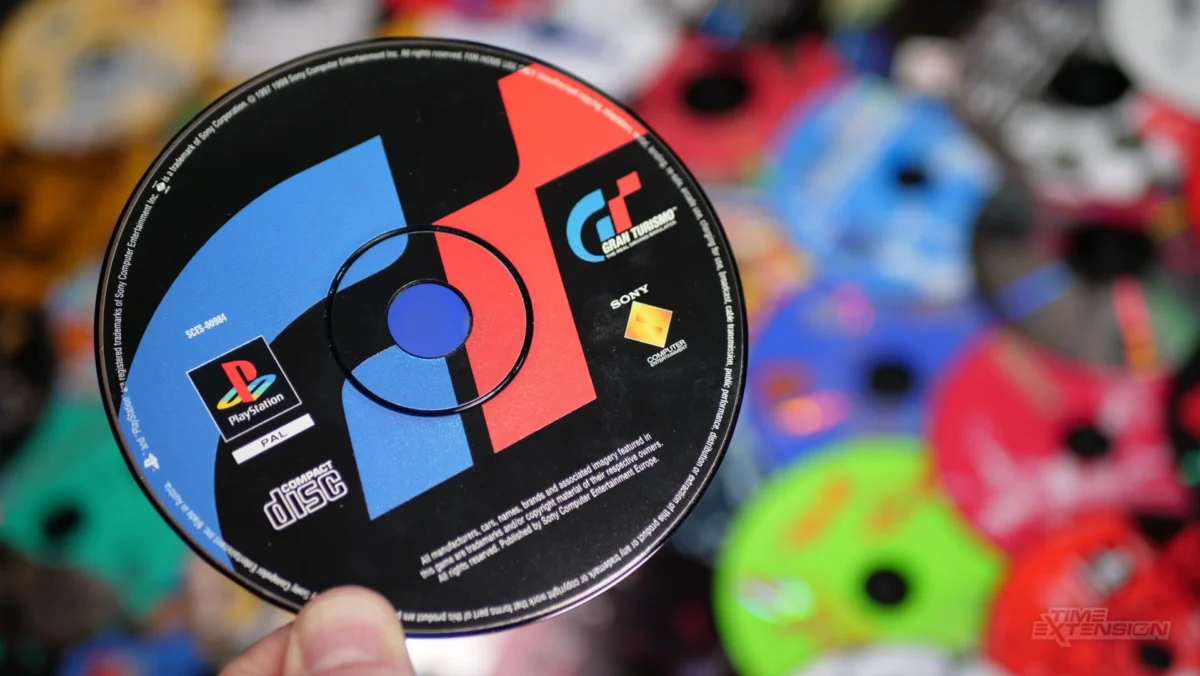
This significant advancement, spearheaded by the independent developer known as Anime0t4ku, marks a pivotal moment for the MiSTer FPGA platform, extending its capabilities beyond purely digital ROM and ISO files to embrace physical media. For years, the MiSTer FPGA project has garnered acclaim for its unparalleled accuracy in recreating vintage gaming hardware through Field-Programmable Gate Arrays, offering an experience often indistinguishable from original consoles. The integration of physical disc support addresses a long-standing desire within the retro gaming community, bridging the gap between digital convenience and the tactile authenticity of original game discs.
The MiSTer FPGA Ecosystem: A Foundation of Accuracy
The MiSTer FPGA project represents a paradigm shift in retro gaming and digital preservation. Unlike software emulators that simulate a console’s behavior on general-purpose CPUs, MiSTer utilizes FPGA technology to reconfigure hardware logic gates to mimic the exact circuitry of classic systems. This hardware-level replication ensures cycle-accurate timing, precise graphical output, and faithful audio reproduction, eliminating the inaccuracies and input lag often associated with software emulation. Since its inception, MiSTer has grown into a robust, open-source ecosystem supported by a dedicated global community of developers and enthusiasts. It offers cores for a vast array of consoles and arcade machines, from the Atari 2600 to the Neo Geo, and increasingly, more complex 32-bit and 64-bit systems. The modular nature of the MiSTer platform, typically built around a Terasic DE10-Nano development board, allows for various add-on boards and peripherals, fostering an environment ripe for community-driven enhancements like the physical disc support. The core philosophy of MiSTer revolves around preserving the integrity of classic gaming experiences, making it a critical tool for historians, collectors, and casual players alike who seek the most authentic way to revisit gaming’s past.
Bridging the Gap: The Challenge of Optical Media
While MiSTer’s hardware accuracy for cartridge-based and digital ROM systems has been well-established, integrating support for CD-ROM-based consoles presented a unique and formidable technical challenge. Optical drives require real-time data streaming, precise error correction, and synchronization with complex hardware timing, all of which are significantly more demanding than loading a pre-cached ROM image from an SD card. Traditional FPGA implementations often abstract away the physical media layer, relying on digital copies (ISOs, BIN/CUE files) to feed data to the emulated CD-ROM controller. However, the ability to play physical discs adds an unparalleled layer of authenticity. It allows collectors to utilize their original game libraries directly, bypassing the need for ripping discs or sourcing digital copies, which can sometimes be legally ambiguous or less convenient for those with extensive physical collections. The technical hurdles involved in interfacing a modern USB optical drive with the MiSTer’s FPGA cores, translating its data stream into a format intelligible by the emulated CD-ROM controller, and ensuring consistent, low-latency performance required a deep understanding of both FPGA programming and legacy hardware protocols. This project effectively decodes and re-transmits the optical drive’s output in a way that the FPGA cores interpret as if they were connected to an original, perfectly functioning CD-ROM drive.
A New Era for CD-Based Classics
The current implementation by Anime0t4ku brings physical disc playback to three iconic CD-based gaming platforms, each with its own historical significance and technical intricacies.
PlayStation 1: A Complex Legacy
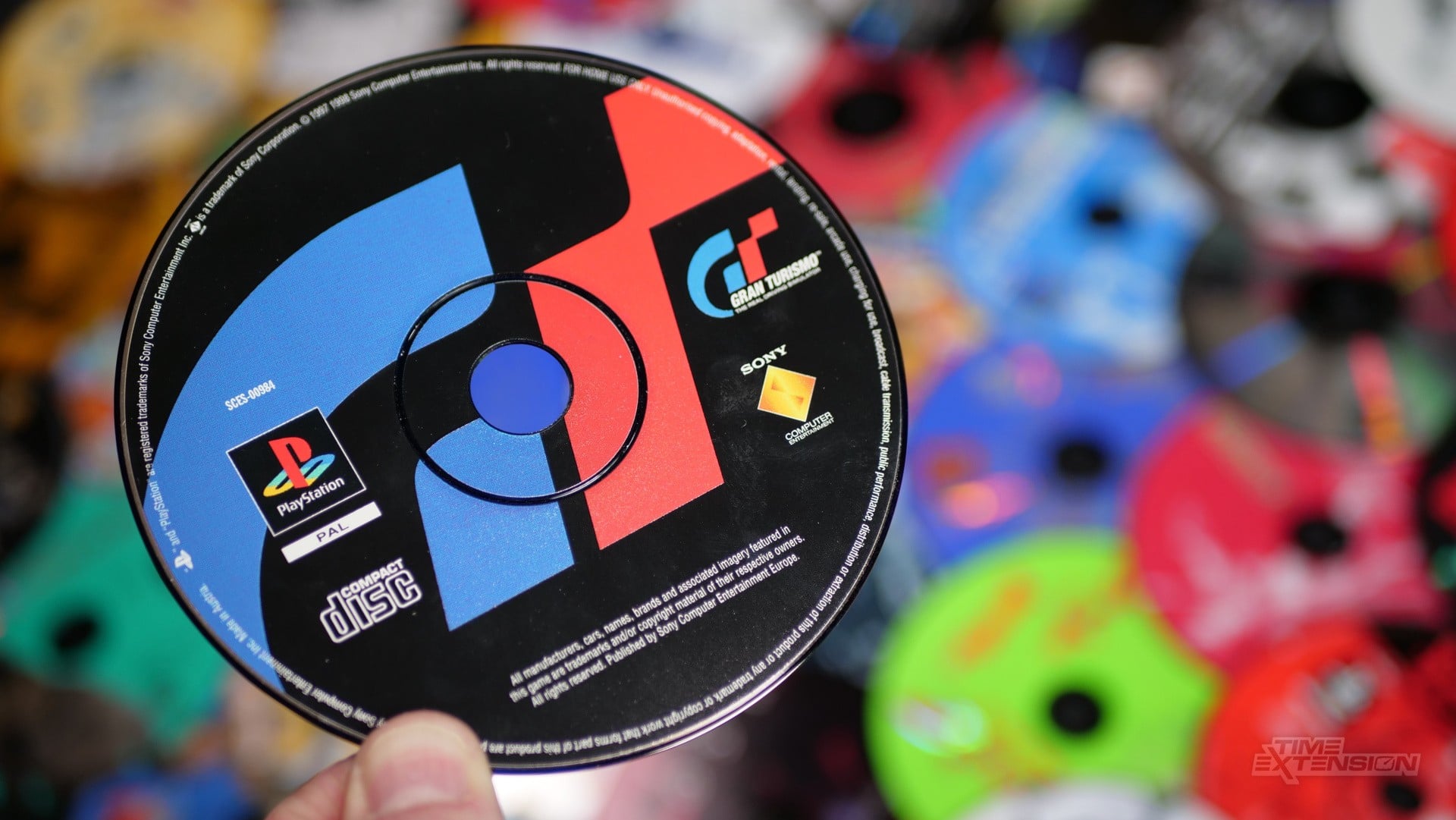
The original PlayStation (PS1) stands as a monumental console in gaming history, popularizing CD-ROMs for gaming and ushering in the era of 3D graphics. Its vast library features thousands of titles, many of which are considered classics. For MiSTer users, the ability to insert an original PS1 disc and play it on FPGA hardware is a highly anticipated feature. At present, Anime0t4ku reports that PlayStation performance is "nearly fluid," indicating a high degree of playability. However, certain aspects, specifically Full Motion Video (FMV) sequences and in-game music playback, still exhibit minor issues. This suggests ongoing optimization efforts are required to achieve perfect, uncompromised performance, which is a common trajectory for complex FPGA core development. The PS1’s intricate audio and video decompression mechanisms, coupled with its relatively fast CD-ROM access times for its era, present a substantial challenge for complete hardware emulation and real-time physical media streaming. The developer’s commitment to refining these elements is crucial for achieving the pristine experience MiSTer users expect.
Sega Mega CD: Full Speed Ahead
The Sega Mega CD (known as Sega CD in North America) was an ambitious add-on for the Sega Mega Drive/Genesis, introducing CD-ROM capabilities and enhancing its 16-bit graphics with scaling and rotation features. While commercially less successful than the PlayStation, it boasts a library of cult classics and unique titles that utilized its multimedia capabilities. Anime0t4ku confirms that Mega CD games currently run at full speed directly from physical discs. This robust performance is a testament to the stability of the implementation for this particular platform, likely due to its comparatively simpler CD-ROM interface and data rates compared to later consoles like the PS1. For fans of titles like Snatcher, Lunar: The Silver Star, and Sonic CD, this development offers an authentic and reliable way to experience these games using their original media.
TurboGrafx-16 CD / PC Engine CD: Pioneering CD Gaming
The TurboGrafx-16 CD, or PC Engine CD in Japan, holds a unique place in gaming history as one of the very first consoles to embrace CD-ROM technology. Launched in 1988, it predated both the Mega CD and PlayStation, offering enhanced audio, larger game worlds, and animated cutscenes years before its competitors. Its library includes beloved titles such as Ys Book I & II and Rondo of Blood. Like the Mega CD, physical disc playback for TurboGrafx-16 CD and PC Engine CD titles is reported to run at full speed. This achievement ensures that a historically significant platform, often challenging to set up with original hardware due to aging CD drives, can now be fully enjoyed on modern, accurate FPGA hardware, complete with its original physical discs. The seamless performance for this pioneering system underscores the versatility and precision of MiSTer’s new optical drive support.
Technical Implementation: How It Works
The practical aspect of enabling physical disc support on MiSTer FPGA is remarkably straightforward for the end-user. According to Anime0t4ku, "Any USB CD/DVD drive will work as long as it gets enough juice." This simple requirement democratizes access to this feature, as compatible drives are readily available and often inexpensive. The critical factor of "enough juice" refers to power delivery. Many older or lower-spec USB CD/DVD drives are bus-powered, drawing all their necessary electrical current directly from the USB port of the host device. While the MiSTer’s USB hub can provide power, high-performance or older drives might require more power than a standard USB port can reliably deliver, especially when spinning up discs or during sustained data transfer. In such cases, using an externally powered USB hub or a USB optical drive that comes with its own power adapter is recommended to ensure stable operation and prevent data transfer errors or unexpected disconnections. The developer’s work involves specific firmware and software updates for the MiSTer, allowing the FPGA to communicate with the external USB drive, interpret its raw data stream, and feed it to the respective console cores as if it were an internal optical drive. This abstraction layer is key to its broad compatibility with off-the-shelf USB drives.
The Developer Behind the Breakthrough: Anime0t4ku’s Contribution
The development of physical disc support for MiSTer FPGA is a monumental achievement attributed solely to Anime0t4ku. Their dedicated efforts exemplify the power of individual contributions within the open-source community. Projects like MiSTer thrive on the passion and expertise of developers who voluntarily tackle complex technical challenges to enhance the platform for everyone. Anime0t4ku’s work, publicly tracked on GitHub, demonstrates a meticulous approach to hardware-software integration, reverse engineering, and optimization. Their motivation likely stems from a deep appreciation for retro gaming preservation and a drive to push the boundaries of what FPGA technology can achieve. The open availability of their releases not only provides immediate benefit to users but also allows other developers to scrutinize, learn from, and potentially contribute to future iterations, further solidifying MiSTer’s open-source ethos. This collaborative spirit is a cornerstone of the MiSTer project’s success and its continuous evolution, proving that grassroots development can lead to features traditionally reserved for commercial products.
Contextualizing the Development: The SuperStation One Precedent
The announcement of physical disc support for MiSTer FPGA arrives in a landscape where similar functionalities have recently emerged. Taki Udon’s SuperStation One project, an FPGA-based PlayStation clone, notably offers an optional dock equipped with an optical drive, specifically designed to load physical discs onto its FPGA cores. The SuperStation One garnered attention for its integrated, out-of-the-box solution for playing physical PS1 games on modern hardware, presenting a compelling option for those seeking a dedicated device.
However, Anime0t4ku’s development for MiSTer FPGA provides a crucial alternative. For the vast number of users who already own a MiSTer (or its more affordable counterpart, the MiSTer Pi), this new functionality means they do not need to invest in an entirely new system like the SuperStation One to enjoy physical disc playback. Instead, they can leverage their existing MiSTer setup and a relatively inexpensive external USB optical drive. This levels the playing field, offering MiSTer users the same sought-after feature, often at a significantly lower incremental cost compared to purchasing a dedicated system. While the SuperStation One provides a polished, integrated experience focused primarily on PlayStation, MiSTer’s approach offers broader compatibility across multiple CD-based platforms and the inherent flexibility of its open-source ecosystem, allowing users to choose their preferred hardware and expand its capabilities over time. This competitive dynamic ultimately benefits consumers by offering more choices and fostering continued innovation in the retro gaming hardware space.

Implications for Retro Gaming and Preservation
The introduction of physical disc support on MiSTer FPGA carries profound implications for the retro gaming community and the broader field of digital preservation.
Enhanced Authenticity and Preservation: The ability to play original physical media on accurate, modern FPGA hardware is a gold standard for preservation. It ensures that game data is read directly from its original source, bypassing any potential inaccuracies introduced by digital rips or modified ISOs. For collectors, this means their treasured physical libraries retain their full utility, providing a tangible connection to gaming history that goes beyond mere digital files. It also offers a reliable way to experience games as intended, free from the degradation or failure of original console optical drives, which are increasingly prone to mechanical issues due to age.
User Experience and Accessibility: This feature significantly enhances the MiSTer user experience, particularly for those who prefer physical media. It simplifies the process of playing games from a personal collection, eliminating the need for complex digital file management or the ethical considerations sometimes associated with sourcing ROMs. The ease of connecting a standard USB drive makes this advanced functionality highly accessible to a wide audience.
Future Expansions and MiSTer’s Evolution: The successful implementation for PS1, Mega CD, and TG-16 CD opens the door for future support for other CD-based systems. Potential candidates include the Sega Saturn, Sega Dreamcast (for specific CD-based games, though most are GD-ROM), Neo Geo CD, 3DO, and even less common platforms like the CD-i. Each of these presents its own unique challenges in terms of disc format, data rates, and drive interface, but Anime0t4ku’s foundational work provides a robust framework for such expansions. This continuous evolution reinforces MiSTer’s position as a dynamic, adaptable platform, constantly pushing the boundaries of what’s possible in hardware-accurate retro gaming.
Community Empowerment: This development further highlights the power of open-source development and community contributions. It demonstrates that significant technological advancements can arise from dedicated individuals working independently, driving innovation that commercial entities might overlook or deem unprofitable. The collaborative nature of the MiSTer project means that this feature will likely be refined and expanded upon by the community, ensuring its longevity and continued improvement.
In conclusion, Anime0t4ku’s achievement in bringing physical disc support to MiSTer FPGA represents a monumental leap forward for the platform. By enabling the direct playback of original PlayStation, Mega CD, and TurboGrafx-16 CD games from external optical drives, this development not only enhances the authenticity and user experience for countless retro gaming enthusiasts but also reinforces MiSTer’s standing as a premier tool for digital preservation. It underscores the platform’s adaptability and the incredible power of its open-source community, promising an even richer and more authentic retro gaming future.