 Hartono Sudibyo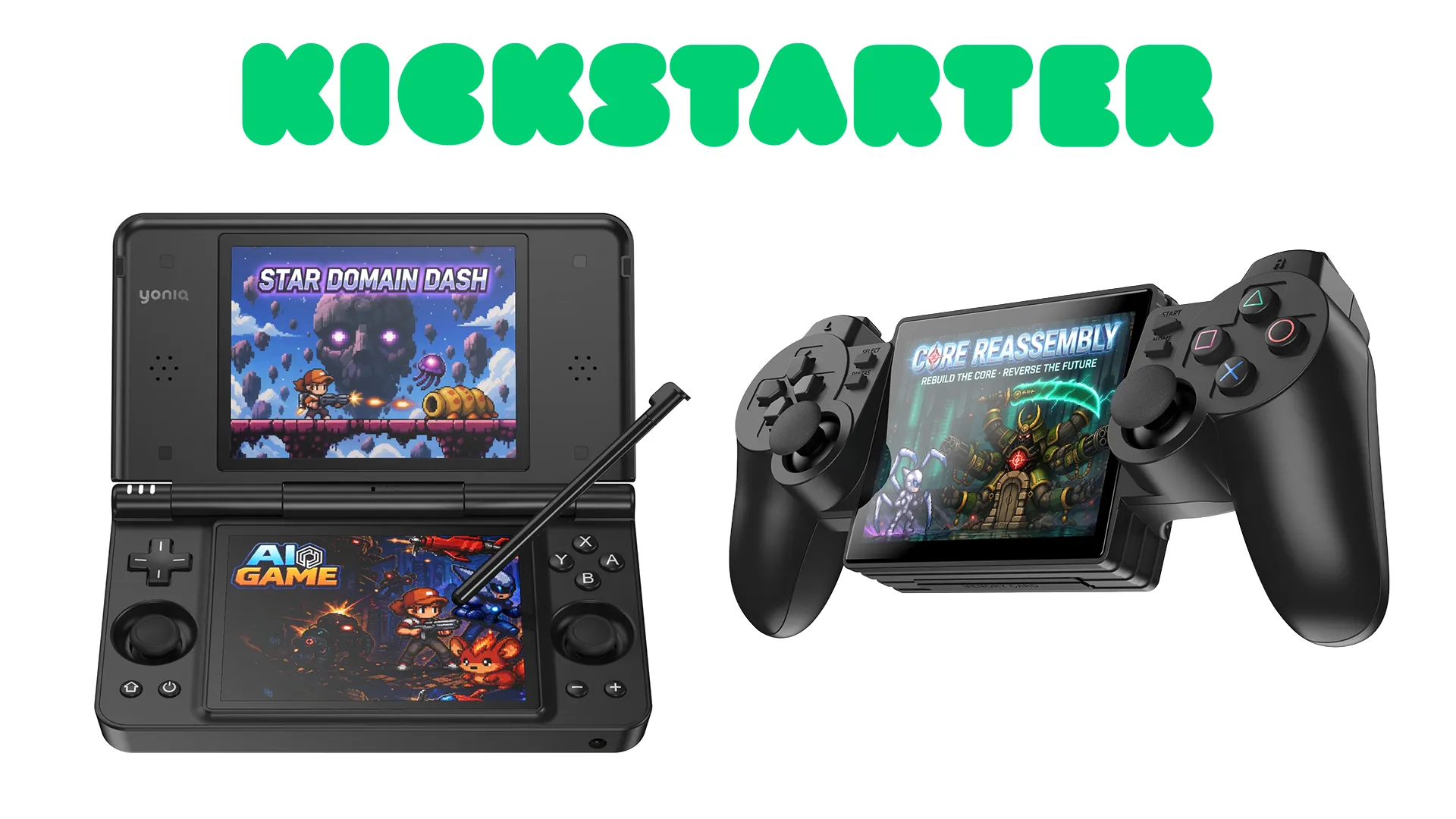
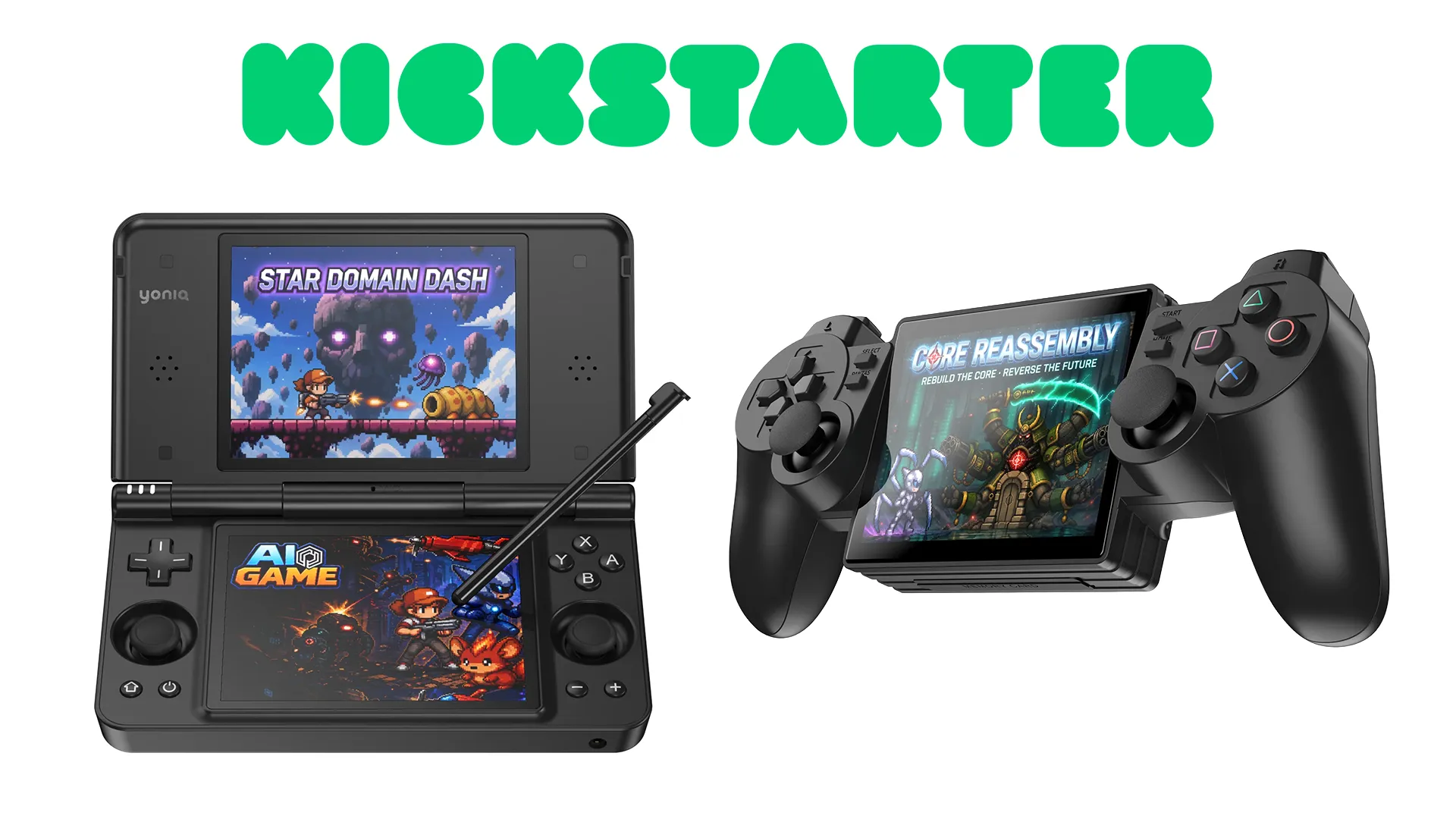
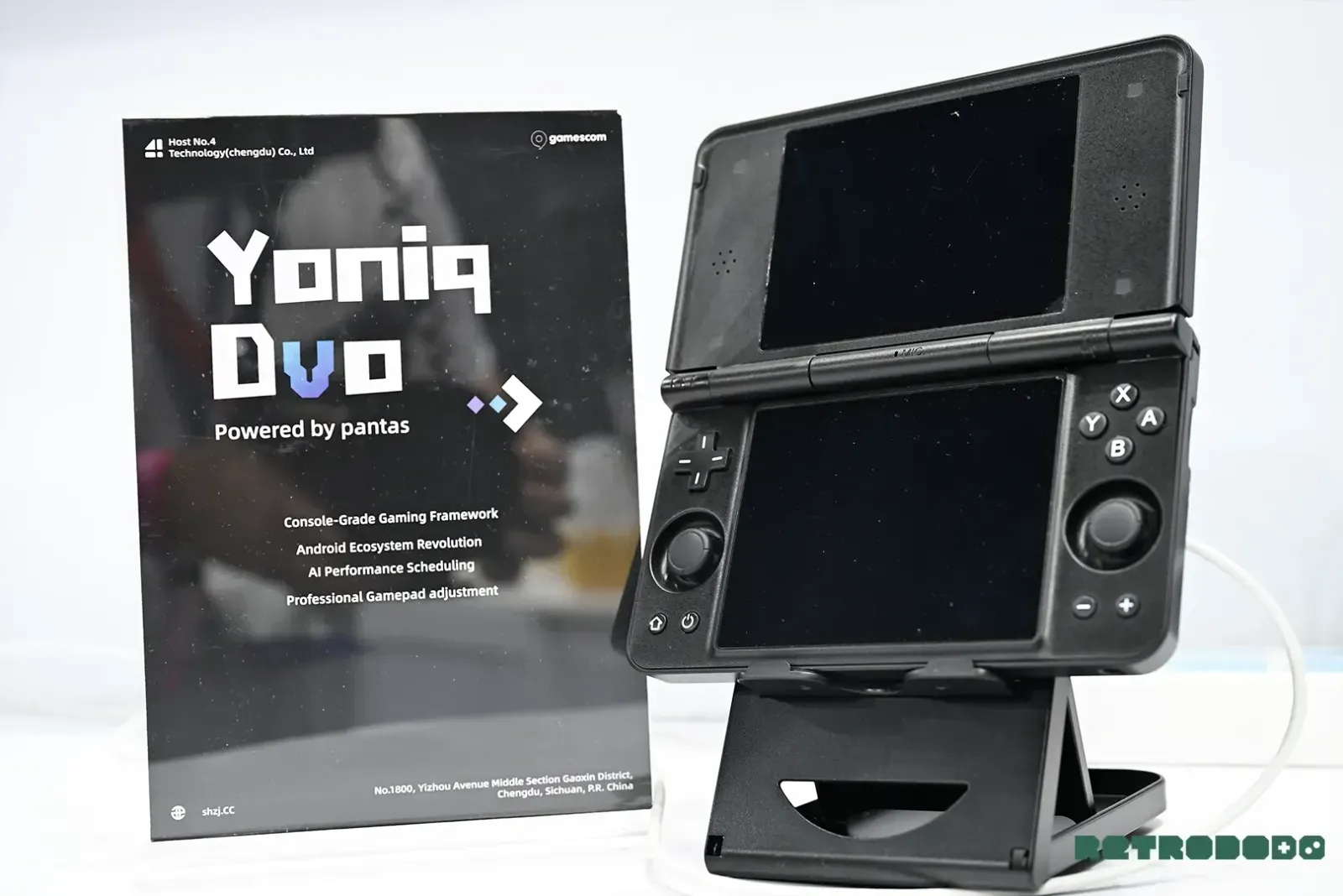
The emerging retro gaming hardware manufacturer Yoniq has officially confirmed plans to launch a crowdfunding campaign on Kickstarter to finance the commercial production of its heavily anticipated handheld devices, the Yoniq Duo and the Yoniq Portal. Following their recent exhibition at the Tokyo Game Show, company representatives revealed that the upcoming campaign will serve as a gauge for market demand, helping to determine initial manufacturing volumes amid a competitive and rapidly expanding portable gaming landscape.
The announcement brings clarity to weeks of speculation surrounding the release strategy of the dual-screen Yoniq Duo and the single-screen Yoniq Portal. While the company has maintained relative secrecy regarding the exact internal specifications of both units, recent website updates and direct communications from Yoniq’s marketing division have established expected price brackets and a prospective rollout timeline spanning the upcoming holiday season and the first quarter of the new year.
Strategic Shift to Crowdfunding
Yoniq’s decision to utilize Kickstarter mirrors the entry strategies of several prominent modern retro handheld manufacturers. Companies such as AYANEO famously leveraged crowdfunding platforms during their foundational phases to secure capital and establish dedicated consumer bases before scaling into mass production. For an emerging brand entering a market saturated with established competitors, utilizing a platform like Kickstarter minimizes upfront financial risk while providing direct engagement with early adopters.
According to a statement provided by Yoniq’s marketing team, feedback gathered from developers and enthusiasts at the Tokyo Game Show directly influenced the company’s current trajectory. "We’re currently planning to launch a Kickstarter campaign later this quarter — possibly as soon as next month — featuring both the Yoniq Duo and Yoniq Portal," company representatives stated. "We’ll use the level of support from the campaign to help determine our initial production quantity. After speaking with many creators and players in Tokyo, we’ve also been continuously fine-tuning the devices and optimizing various details to make them even better."
Industry analysts note that running a dual-product campaign allows companies to offer bundled incentives, a strategy expected to be deployed for backers wishing to acquire both the dual-screen Yoniq Duo and the traditional format Yoniq Portal simultaneously.

Pricing Structure and Retail Expectations
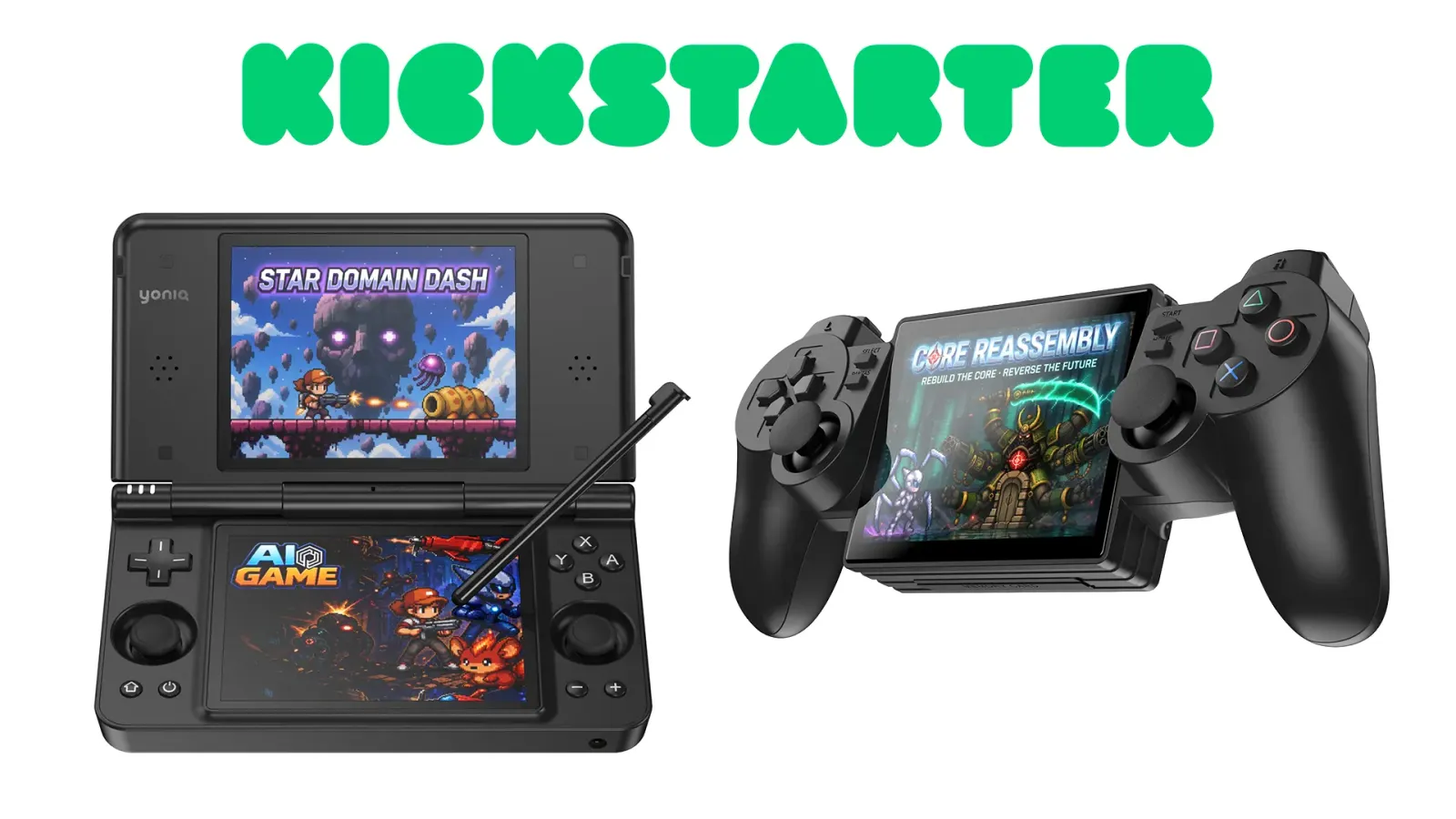
Recent listings on Yoniq’s official web portal have provided consumers with the first concrete figures regarding the cost of entry for both systems. Current data indicates that the hardware will be priced within a competitive bracket, ranging from $159 to $199 depending on the specific model and configuration selected.
This pricing strategy positions the Yoniq lineup directly against established budget-to-midrange Android emulation devices currently dominating the market. By targeting the sub-$200 segment, Yoniq aims to attract enthusiasts looking for specialized hardware—particularly in the realm of dual-screen emulation, which has seen a surge in demand following the rising popularity of legacy handheld and home console dual-screen architectures.
However, the hardware’s ultimate affordability will depend heavily on fulfillment costs and global supply chain stability. While the company claims its manufacturing partners possess extensive industry experience, hardware manufacturers globally continue to navigate fluctuating costs and allocation constraints surrounding essential components such as display panels and high-density memory modules.
Projected Timeline and Production Schedule
The announcement of an imminent Kickstarter campaign aligns with anomalous countdown timers currently featured on Yoniq’s official website, which are scheduled to conclude on New Year’s Day.
Based on standard industry practices for crowdfunding campaigns, the timeline is projected as follows:
- Late Fourth Quarter: Launch of the Kickstarter campaign, expected to run for a duration of two to four weeks.
- Late December: Conclusion of the crowdfunding phase ahead of the holiday period.
- First Quarter: Finalization of hardware specifications, with manufacturing slated to commence following the conclusion of the Chinese New Year holiday cycle.
- Late First Quarter and Beyond: Fulfillment and initial global shipping phases to early-bird backers.
While analysts project that delivery schedules could face standard logistical delays associated with component sourcing in the current economic climate, the transparency regarding the Q4 campaign launch provides prospective buyers with a definitive framework for when pre-orders and financial commitments will be requested.
Market Implications and Competitive Landscape
The introduction of the Yoniq Duo and Yoniq Portal highlights a broader trend within the portable gaming sector: increased diversification of form factors. While standard horizontal and vertical single-screen handhelds remain the industry standard, consumer interest in specialized form factors—such as clamshell designs and dual-screen layouts capable of handling complex legacy emulation—has grown significantly.
The Yoniq Duo, featuring a dual-screen configuration, addresses a specific niche for players seeking native-style emulation of dual-screen gaming systems without relying on software overlays or compressed single-screen layouts. Meanwhile, the Yoniq Portal caters to traditionalists preferring a standardized widescreen display optimized for cloud streaming, Android gaming, and classic retro emulation.
As the Kickstarter campaign date approaches, industry observers will be closely monitoring whether Yoniq discloses the specific chipset, RAM configurations, and battery capacities powering both devices. Detailed performance benchmarks will ultimately dictate how effectively the new hardware can compete against entrenched offerings from rivals such as Retroid, Anbernic, and AYN. For now, the confirmation of a formal crowdfunding launch provides the strongest indicator yet that Yoniq’s ambitious hardware concepts are moving out of the prototype phase and toward commercial reality.