 Hartono Sudibyo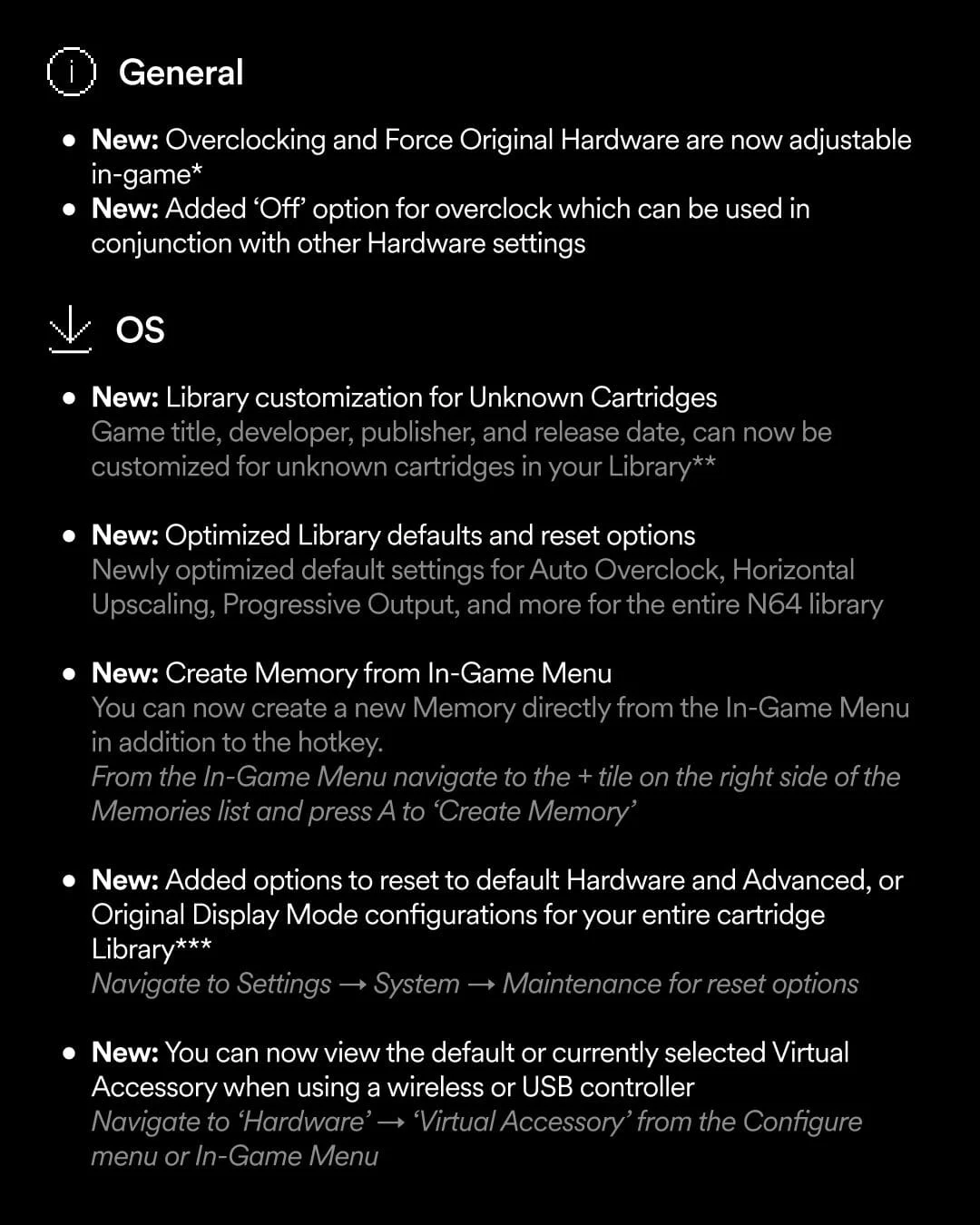
The ongoing technological race to deliver the definitive hardware-emulated Nintendo 64 experience reached a new milestone today as hardware manufacturer Analogue rolled out firmware version 1.5.1 for its flagship Analogue 3D console. As competition intensifies within the high-end retro gaming market—particularly between industry heavyweights such as Analogue and ModRetro—manufacturers are under increasing pressure to refine both hardware capabilities and user interface flexibility. The latest firmware patch introduces several targeted enhancements designed to streamline user experience, most notably the implementation of in-game overclocking adjustments and hardware configuration toggles. These features arrive as part of a concerted industry effort to make modern FPGA (Field Programmable Gate Array) consoles more versatile, accommodating the diverse demands of retro gaming enthusiasts who rely on physical media and modern display technologies.
Chronology and Development of the Analogue 3D Platform
The trajectory of modern FPGA-based retro consoles has been defined by a shift from pure compatibility to deep customisation and hardware accuracy. When Analogue first announced its entry into the fifth-generation console market with the Analogue 3D, it promised a 100% compatible FPGA solution capable of playing original Nintendo 64 cartridges at native 4K resolutions without the software emulation lag or graphical artifacts associated with traditional software emulators.
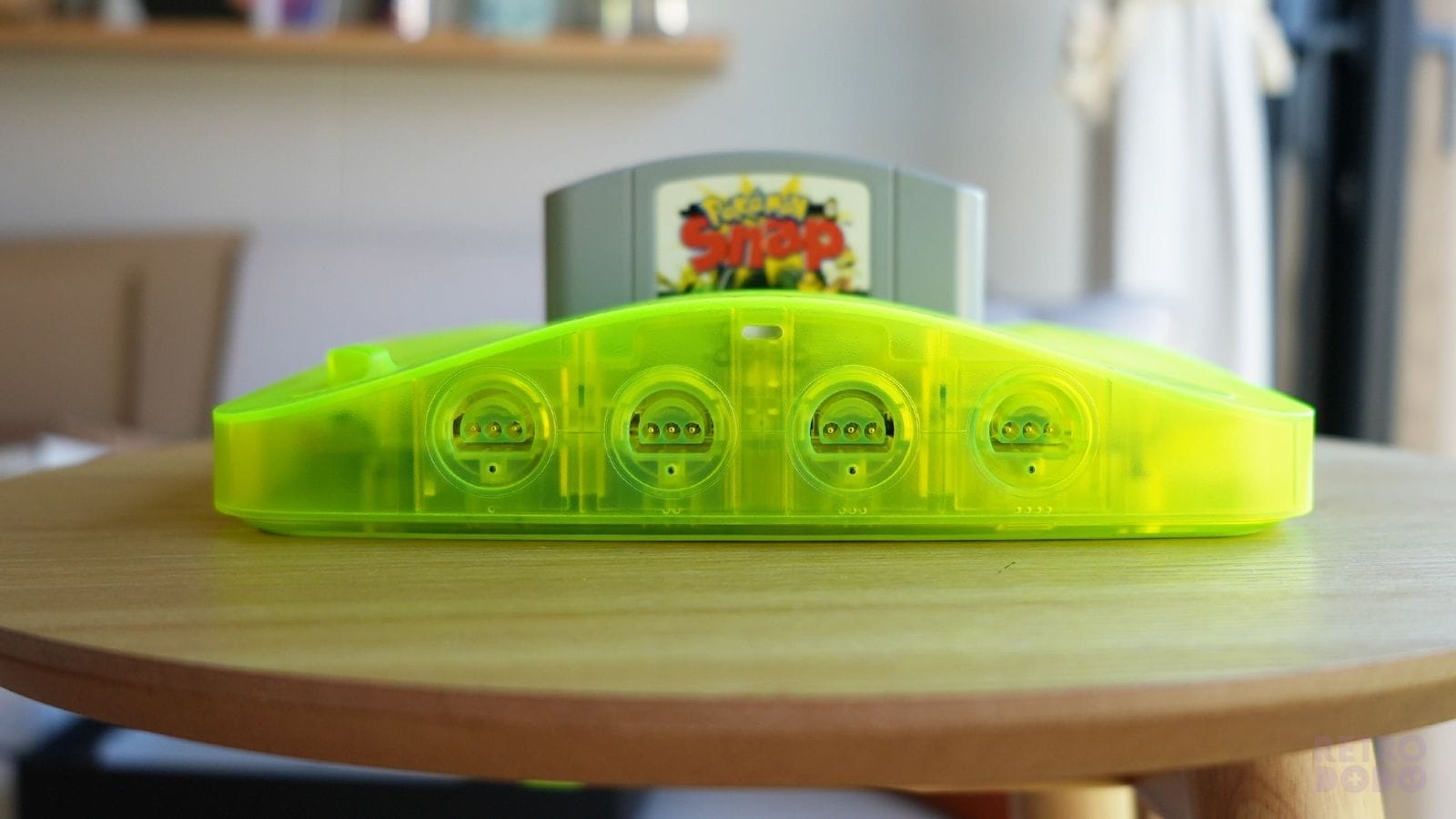
The console’s development timeline reflects the complexities of reverse-engineering fifth-generation architecture. Unlike simpler 8-bit and 16-bit systems, the Nintendo 64 combined a complex RISC CPU, a distinct Reality Coprocessor, and RDRAM architecture, creating significant hurdles for hardware description language (HDL) developers. Following the console’s initial launch windows and early firmware iterations, user feedback consistently highlighted the need for more granular control over performance parameters, such as frame-rate stability and hardware timing. Firmware version 1.5.1 represents the culmination of months of iterative patching, addressing user friction points that previously required navigating away from active gameplay sessions to alter system settings.
Key Features of Firmware Version 1.5.1
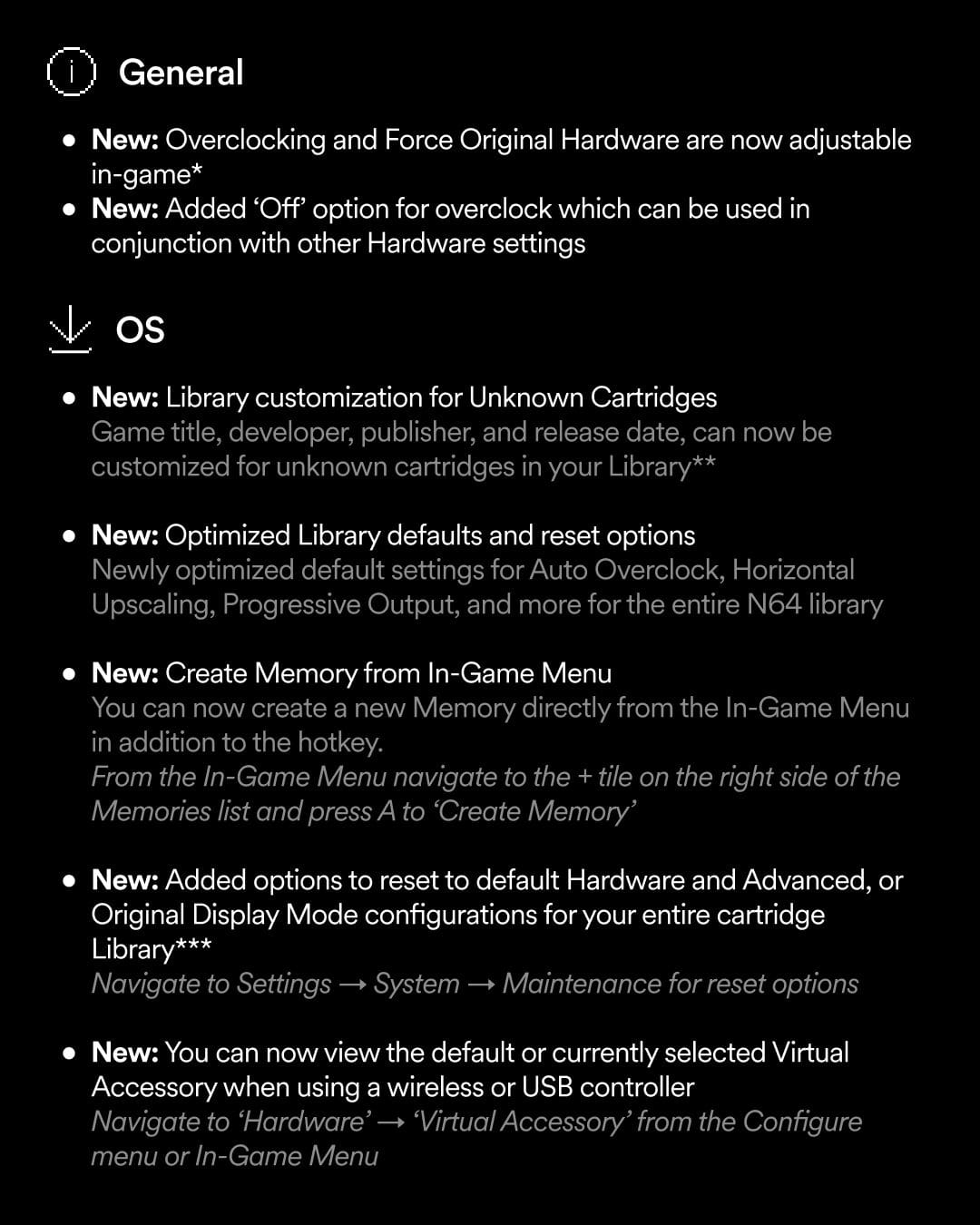
The primary highlight of the V1.5.1 update is the integration of dynamic, in-game parameter adjustments. Historically, users wishing to modify performance-enhancing features such as overclocking or hardware fidelity toggles had to interrupt their gaming sessions, exit to the main system dashboard, adjust the parameters, and reload the software.
Under the new firmware, overclocking and "Force Original Hardware" settings can be manipulated on the fly. Analogue has noted in its release documentation that these adjustments may require a brief stabilization period of a few seconds to take full effect within the hardware environment. Furthermore, the update introduces a complete toggle to deactivate overclocking entirely. This provides purists and developers with a baseline configuration option that can be paired with other auxiliary hardware settings to replicate exact original factory conditions or push the hardware beyond standard operational limits depending on the demands of specific titles.

In addition to performance adjustments, the V1.5.1 update targets library management and user customisation. The system now includes enhanced metadata editing capabilities for unidentified or "unknown" cartridges. Users can manually input and store detailed information directly onto their systems, including official game titles, developer credits, publishing houses, and original release dates. This addition caters specifically to collectors utilising rare cartridges, prototypes, or homebrew software that may lack standard internal ROM headers recognized by default database indexes.
Supporting Data and Technical Implications of FPGA Overclocking
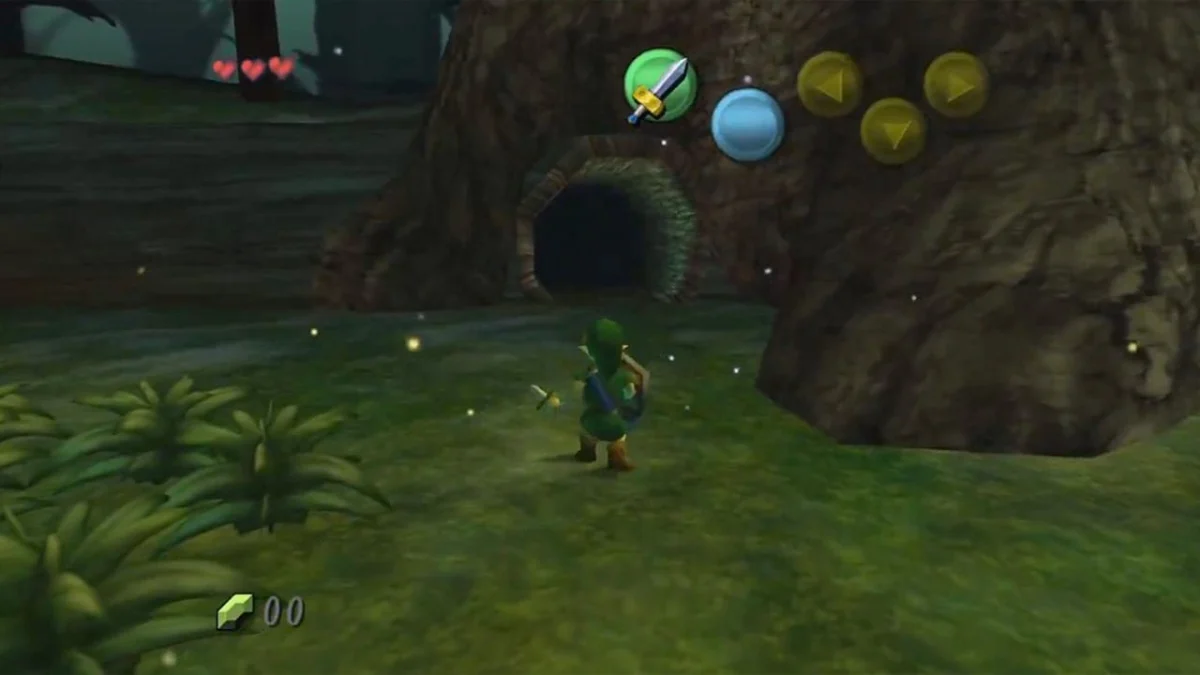
The implementation of overclocking within FPGA environments differs fundamentally from conventional PC overclocking. In an original Nintendo 64 console, performance bottlenecks—such as the infamous framerate drops in titles like The Legend of Zelda: Ocarina of Time or GoldenEye 007—were often caused by limitations in the CPU clock speed or the bandwidth bottlenecks of the system’s architecture.
By utilizing FPGA technology, manufacturers can replicate the exact logic gates of the original silicon while safely increasing clock multipliers. This mitigates hardware slowdowns without altering the fundamental instruction set of the games. However, running titles outside of standard specifications can occasionally introduce unexpected game-logic anomalies, depending on how specific software titles tied their internal timers to the physical hardware clock.
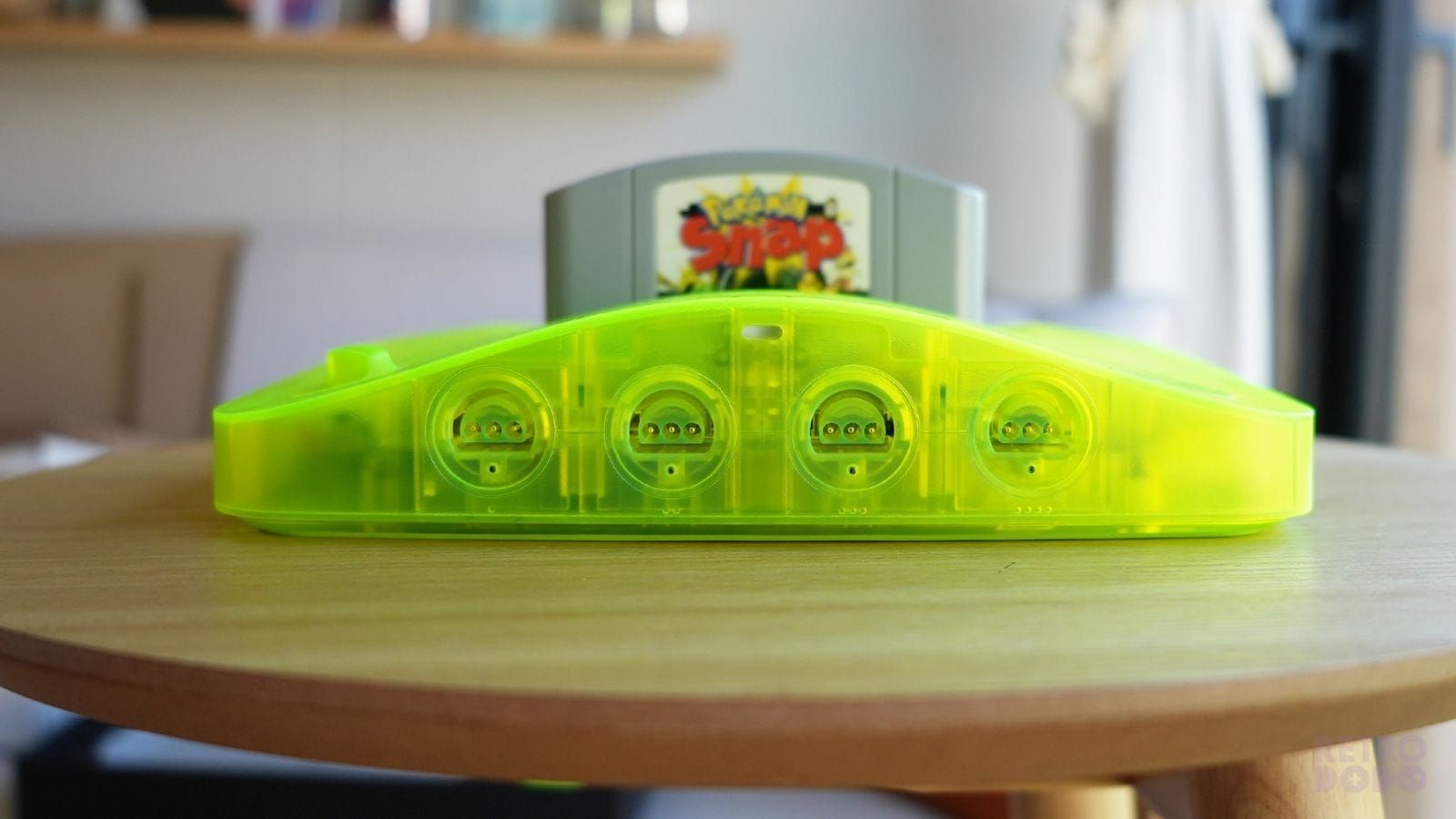
The ability to toggle overclocking in real-time via the V1.5.1 update provides a significant diagnostic advantage. Players can instantly observe how a specific sequence behaves under standard clock speeds versus enhanced parameters, facilitating a smoother gameplay experience across a broader library of software titles.
Industry Context and Competitive Landscape
The release of Analogue’s firmware update occurs against a backdrop of intense competition within the retro hardware sector. Companies like Analogue and ModRetro have increasingly focused on bridging the gap between nostalgic authenticity and modern convenience. While traditional enthusiasts historically prioritized hardware purity above all else, the contemporary consumer market demands seamless integration with modern home entertainment ecosystems—including high-refresh-rate displays, wireless controller synchronization, and intuitive user interfaces.
Analogue’s strategy of continuous post-launch support through firmware updates helps maintain the longevity of its hardware investments. By actively listening to community feedback regarding software ergonomics—such as reducing menu navigation friction and improving metadata management—the company defends its market position against emerging hardware alternatives.
Broader Market Impact and Future Outlook
The introduction of dynamic, in-game hardware adjustments signals a maturation in how FPGA console manufacturers approach firmware design. As fifth-generation hardware emulation becomes more sophisticated, the dividing line between software emulation flexibility and hardware recreation rigidity continues to blur.
For the end user, updates like V1.5.1 reduce the administrative overhead of retro gaming, allowing for a more plug-and-play experience without sacrificing the deep customisation options expected by enthusiasts. As developers continue to refine the Analogue 3D ecosystem, subsequent updates are expected to further optimize compatibility lists, expand controller support profiles, and enhance display scaling options. The focus moving forward will likely remain on reducing operational friction while expanding the boundaries of what physical retro media can achieve on modern display hardware.