Indra Gunadi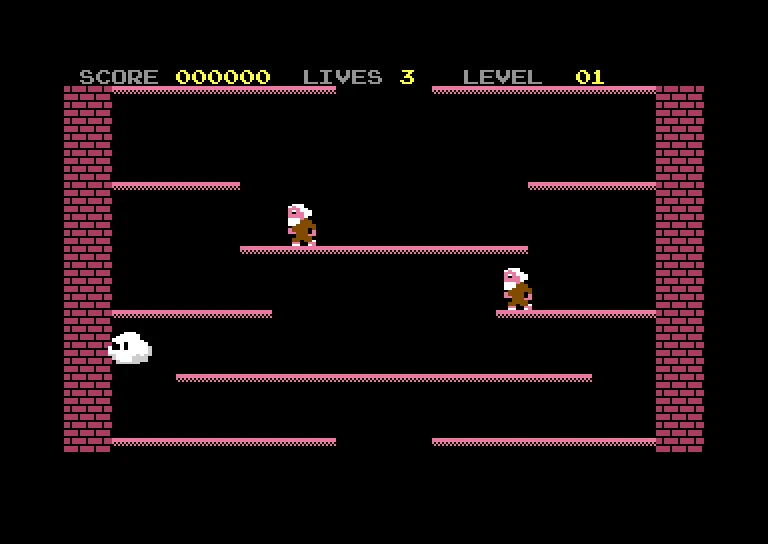
The Commodore 64, a machine that dominated the home computing landscape in the 1980s, continues to serve as a vibrant canvas for modern independent developers nearly four decades after its commercial peak. As of September 19, 2026, the platform has seen the release of Yell At Clouds, a new title developed by J5 that exemplifies the enduring appeal of 8-bit architecture. This release adds to an ever-expanding library of contemporary software developed for legacy hardware, highlighting a robust ecosystem that persists long after official manufacturer support has ceased.
Core Gameplay and Technical Overview
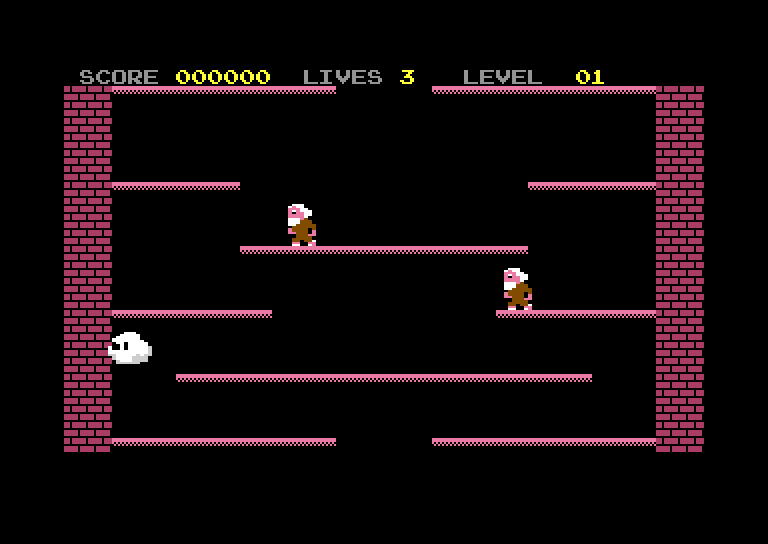
Yell At Clouds introduces a distinctive arcade-style premise that utilizes the C64’s limited but expressive graphical capabilities. Players assume control of a singular, small white cloud equipped with a bubble-generating mechanism. The central mechanic involves intercepting hostile NPCs—categorized within the game as "grumps" and "trolls"—by trapping them within bubbles. Once an enemy is encased, the player must physically collide with the bubble to pop it, thereby neutralizing the threat.
The game introduces a temporal pressure element, as trapped enemies can break free if the player fails to pop the bubble within a specific window of time. This creates a high-stakes loop of movement and precision that pays homage to classic "single-screen" arcade titles of the 1980s, such as Bubble Bobble or various platform-action games that defined the era. The software, released via the digital storefront itch.io, is compatible with original C64 hardware as well as contemporary emulators, ensuring accessibility for both collectors and modern retro-gaming enthusiasts.
The Evolution of the Commodore 64 Homebrew Scene
The arrival of Yell At Clouds is not an isolated event but rather a point in a long-running chronology of independent software development. The Commodore 64, released in 1982, holds the Guinness World Record for the highest-selling single computer model in history. While Commodore International filed for bankruptcy in 1994, the community surrounding the machine transitioned from a consumer base to an enthusiast collective.
Throughout the 2000s and 2010s, the "scene" focused primarily on demo-coding and hardware preservation. However, the 2020s have marked a shift toward high-quality, fully realized commercial-grade indie releases. Developers like J5 represent a new generation of programmers who leverage modern development tools—often running on Windows or Linux environments—to cross-compile code for the MOS Technology 6510 microprocessor. The use of AI-assisted content creation in modern C64 development, as noted in the metadata for this release, signifies a convergence of vintage constraints and 21st-century production efficiency.
Supporting Data and Platform Longevity
The longevity of the Commodore 64 is supported by a global infrastructure of enthusiast sites, forums, and physical media producers. According to data tracking platforms such as PDROMs and various independent C64 community hubs, there are dozens of new software titles—ranging from platformers to strategy games—released annually.
Market analysis of the retro-computing hardware sector suggests that the cost of entry for C64 development has decreased significantly due to the proliferation of flash cartridges (such as the 1541 Ultimate or Kung Fu Flash). These devices allow developers to test code directly on original machines without the need for fragile magnetic tape or 5.25-inch floppy disks, which were the primary storage mediums of the 1980s. This technical accessibility is a primary driver behind the current "golden age" of homebrew development, where titles like Yell At Clouds can be distributed globally within seconds of completion.
Analytical Perspective: The Role of AI in 8-bit Development
One notable aspect of the Yell At Clouds release is the explicit mention of AI-assisted content generation. This is a burgeoning trend in the retro-dev community. While the Commodore 64’s hardware is strictly defined by 1982-era limitations—such as a 64KB memory ceiling and a 16-color palette—AI tools are being employed to optimize assets, generate code snippets, and design level layouts that fit within the machine’s strict memory bank switching constraints.
From a technical standpoint, the use of AI in this context does not bypass the need for an intimate understanding of the C64’s VIC-II graphics chip or the SID sound chip. Instead, it serves as an accelerator. By automating the more tedious aspects of asset conversion and logic structuring, developers can focus on gameplay tuning and optimization, ensuring that the final output remains "cycle-accurate" for the original hardware.
Broader Impact and Industry Implications
The continued development of software for the Commodore 64 has significant implications for digital preservation. When independent developers release new games, they often document the techniques used to bypass hardware limitations, effectively creating a living history of the machine’s capabilities.
Furthermore, the release of titles like Yell At Clouds serves to validate the "Right to Repair" and "Right to Create" movements within the technology sector. By maintaining the relevance of hardware that is over 40 years old, the C64 community challenges the industry-wide trend of planned obsolescence. It demonstrates that with sufficient community support, a piece of consumer electronics can remain functional and culturally relevant indefinitely.
Industry observers have noted that this trend has influenced modern indie game design as well. The "pixel art" aesthetic, which permeates modern mobile and PC gaming, owes a debt of gratitude to the visual constraints of the C64. By playing games like Yell At Clouds, modern audiences gain a better understanding of the foundational principles of user interface design and game balance that continue to influence the multi-billion dollar gaming industry today.
Official Response and Community Reception
While specific statements from the developer J5 regarding the broader implications of their work remain focused on the creative process, the community reaction to the release has been largely positive. Early feedback on forums indicates that the game is viewed as a "tightly designed" experience that respects the historical identity of the C64.
The publication of such titles on platforms like itch.io is a critical development for the hobby. It bridges the gap between the isolated, bulletin-board-system (BBS) era of the 1980s and the hyper-connected digital marketplace of 2026. This democratization of distribution ensures that the C64 remains a platform where anyone with a creative vision and technical aptitude can contribute to a legacy that spans generations.
Future Outlook
As we look toward the remainder of the 2020s, the trajectory for the Commodore 64 seems clear: it will remain a cornerstone of the retro-computing hobby. With the ongoing integration of AI-assisted development tools, we can expect to see an increase in both the complexity and the frequency of new releases.
Yell At Clouds is, in many ways, a microcosm of the modern C64 experience. It combines a classic, accessible gameplay loop with modern distribution methods and current-era development efficiencies. It serves as a reminder that the technology of the past does not need to be relegated to a museum; it remains a viable, evolving medium for interactive entertainment. The commitment of developers to this platform ensures that the C64 will continue to be a subject of study, play, and innovation for years to come.