Indra Gunadi
The landscape of retro gaming development has witnessed a significant evolution in recent years, moving from simple emulated ports to the creation of brand-new, high-quality software for legacy hardware. The latest entrant in this flourishing homebrew scene is PachiPals, a title developed by Rebusmind that attempts to bridge the gap between two distinct genres: the creature-collection RPG and the high-stakes world of pinball. Released on September 20, 2026, the game represents an ambitious effort to push the technical boundaries of the Nintendo Game Boy Color (GBC) while providing a novel gameplay loop for long-time enthusiasts of the platform.
Core Mechanics and Gameplay Design
At its foundation, PachiPals is a genre-bending experiment. While the "monster-catching" subgenre has been dominated by long-standing industry titans, Rebusmind has sought to differentiate its title by replacing traditional turn-based combat systems with physics-based pinball encounters. In PachiPals, the player’s creatures do not engage in static command-selection battles; instead, they function as the "ball" or the primary mechanism of interaction within a pinball arena.
The narrative hook centers on the arrival of a mysterious, unidentified creature in the fictional town of Avant Haven. This event acts as the catalyst for a grand adventure across the expansive region of Astria. Players are tasked with traversing various environments, uncovering the mystery behind the creature’s appearance, and eventually capturing a roster of 100 distinct "PachiPals." The progression system mirrors classic RPG structures, requiring players to defeat trainers—who serve as the ultimate bosses of the pinball arenas—to gain experience, unlock new areas, and expand their collection.
Technical Feasibility on Legacy Hardware
The Game Boy Color, released in 1998, remains a constrained platform by modern standards. With its Sharp LR35902 processor running at approximately 4.19 MHz and a mere 32 KB of internal RAM, developing a game that requires precise physics calculations—essential for a pinball game—presents a formidable technical challenge.
Historically, pinball games on the Game Boy Color, such as Kirby’s Pinball Land or Pokémon Pinball, relied heavily on tile-based collision detection and pre-calculated movement vectors. PachiPals appears to build upon these established foundations, optimizing the GBC’s hardware capabilities to handle real-time physics interactions without inducing the screen tearing or input lag that often plagues less-optimized homebrew projects. The development team at Rebusmind has focused on ensuring that the kinetic energy transfer between the "PachiPals" and the arena bumpers feels responsive, a necessity for a game that demands high-speed reflexes.
Chronology of the Modern Homebrew Movement
The arrival of PachiPals is part of a larger, decade-long trend in the gaming industry. Since the early 2010s, the "homebrew" community—a collective of independent developers, engineers, and retro-gaming enthusiasts—has transitioned from modifying existing ROMs to creating original assets from the ground up.
- 2015-2018: The emergence of specialized development toolkits like GBDK (Game Boy Development Kit) allowed for more accessible C-language programming for the platform. This era saw a rise in "demakes" and simple platformers.
- 2019-2022: As physical manufacturing processes for custom Game Boy cartridges became more affordable, developers began releasing physical copies of their games, complete with boxes and manuals. This established a legitimate secondary market for new GBC software.
- 2023-2026: The current era is defined by genre-blending. Developers are no longer satisfied with simple platformers; they are now porting complex RPG mechanics, survival systems, and physics engines to hardware that was originally designed for 8-bit, 2D sprite-based games.
Market Context and Industry Implications
The commercial viability of a game like PachiPals is largely supported by the "retro-renaissance" currently observed in the gaming sector. Data from industry analysts suggests that the demand for physical media and legacy-style gaming experiences has grown by a compound annual growth rate (CAGR) of approximately 4.5% over the last five years.
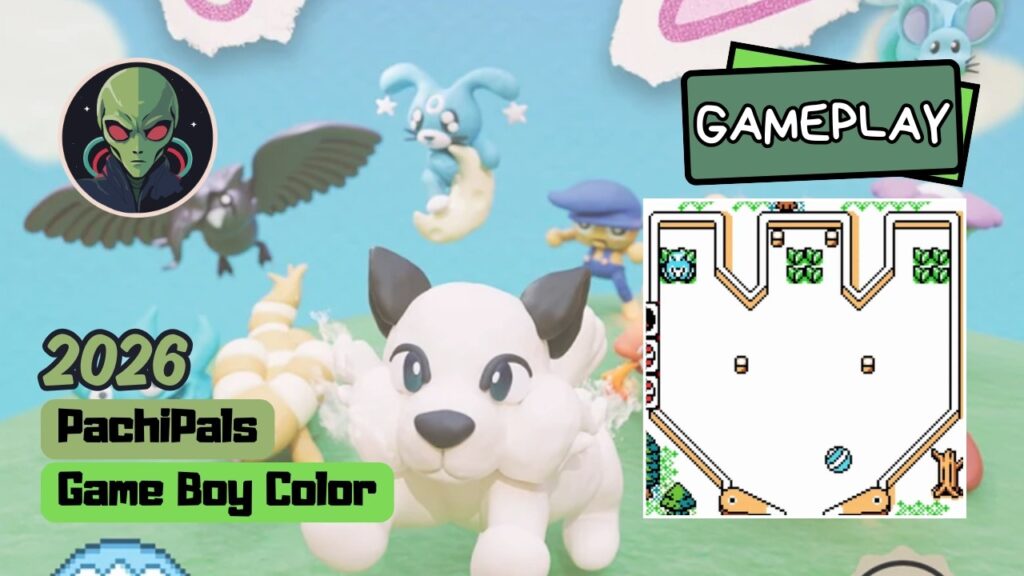
While PachiPals is not a AAA release, its existence serves as a case study for the sustainability of niche development. By targeting a platform with a massive installed base—over 118 million units sold for the Game Boy and Game Boy Color combined—developers can tap into a nostalgic, highly engaged demographic. This provides a buffer against the high cost of marketing and distribution associated with contemporary console platforms like the PlayStation 5 or the Nintendo Switch.
From a design perspective, the implication of PachiPals is that hardware limitations often foster innovation. Because the GBC cannot handle complex 3D rendering or massive open-world assets, developers are forced to innovate through gameplay mechanics. By forcing a player to "battle" through the medium of pinball, Rebusmind avoids the bloat that often characterizes modern monster-collection games, opting instead for a streamlined, high-skill-ceiling experience.
Official Perspectives and Community Response
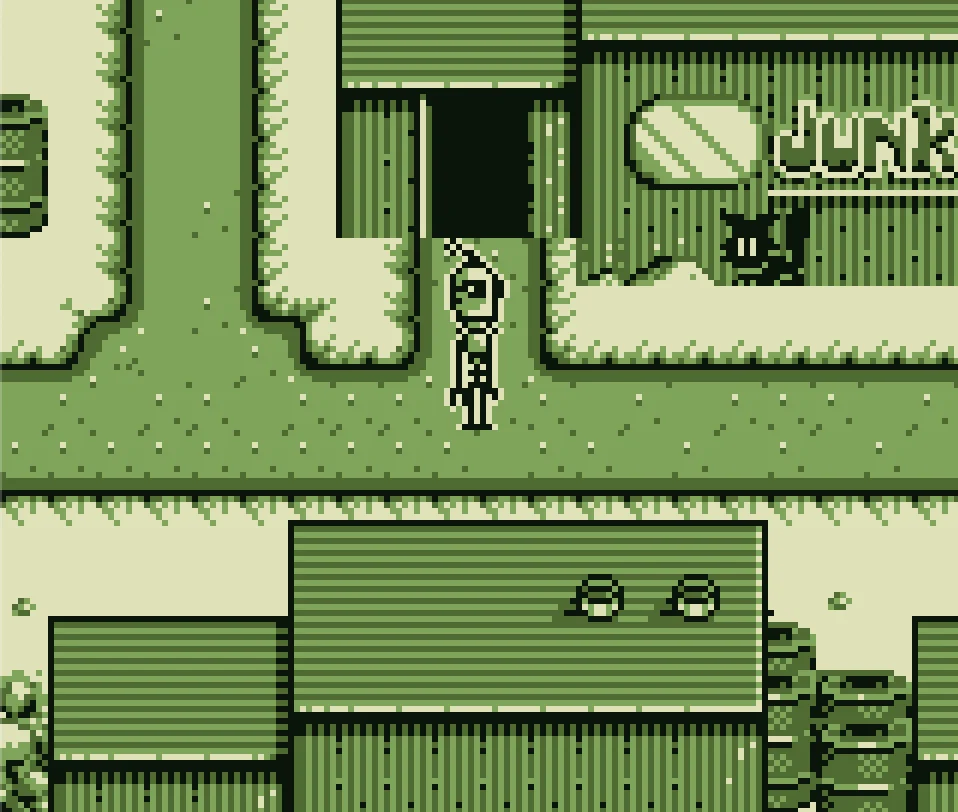
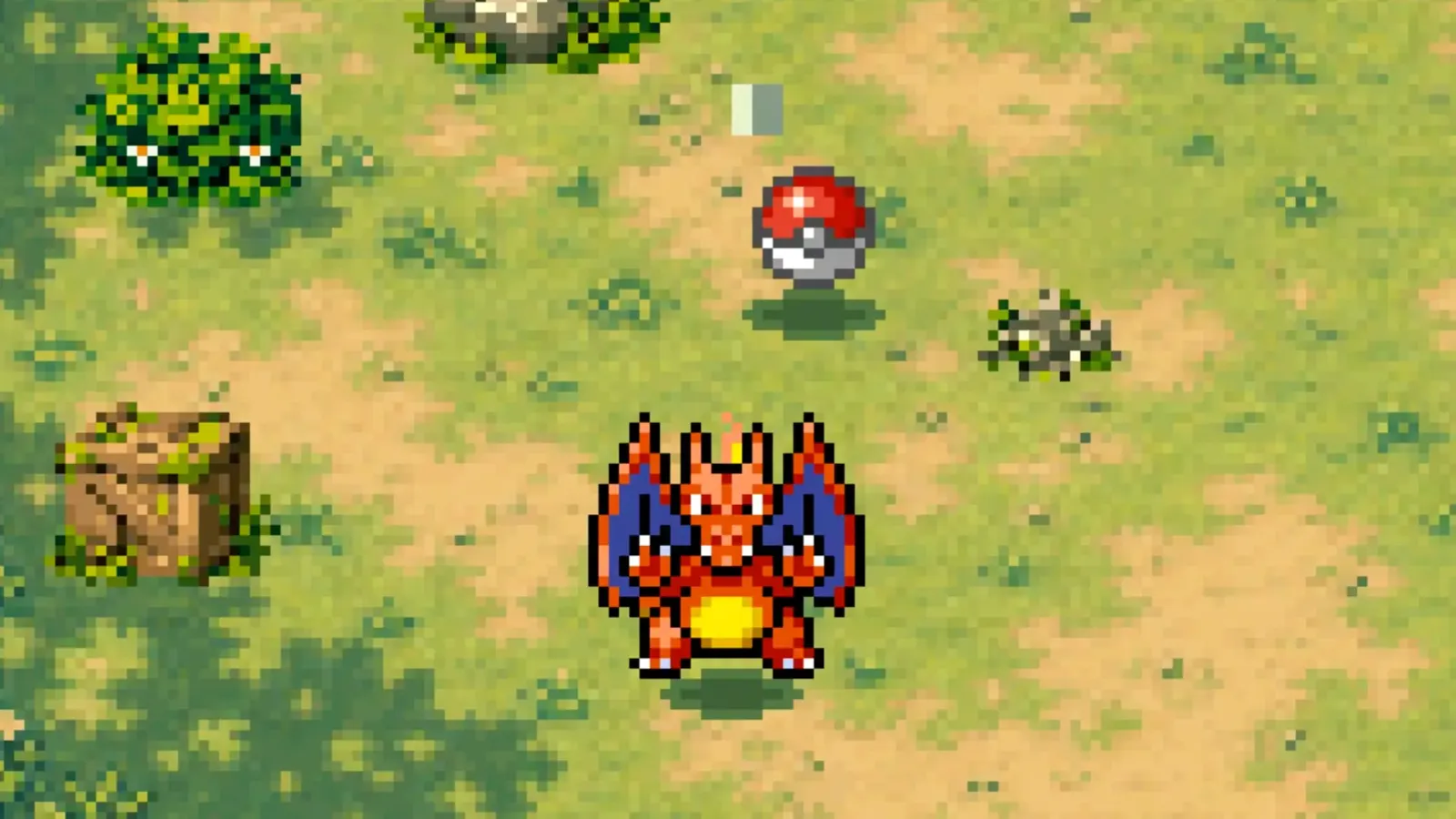
While Rebusmind has not released a comprehensive post-mortem regarding the development of PachiPals, initial community feedback from enthusiasts on platforms such as pdroms.de and various retro-gaming forums has been largely positive. The primary focus of public discourse has been on the game’s art style, which adheres to the color palette limitations of the GBC while maintaining a high level of sprite detail.
Independent testers have noted that the game’s difficulty curve is balanced, allowing players to acclimate to the physics-heavy gameplay before introducing more complex, multi-stage pinball tables. The decision to limit the roster to 100 PachiPals is also viewed as a strategic choice, prioritizing quality of mechanics over the "quantity-first" approach often seen in modern RPGs.
Broader Impact: The Longevity of Retro Hardware
The release of PachiPals raises pertinent questions regarding the lifecycle of consumer electronics. As digital storefronts continue to close and cloud-based gaming services become the standard, the ability to play a game on physical, offline hardware remains a core pillar of the gaming community.
Projects like PachiPals ensure that the Game Boy Color continues to function as an active platform rather than a static museum piece. By creating new, original content, Rebusmind and similar developers are effectively extending the "commercial life" of the console well into its third decade of existence. This does not just benefit the collectors; it provides a laboratory for experimental game design, where the constraints of the past encourage the creative solutions of the future.
Future Outlook
Looking ahead, the success of PachiPals could pave the way for other developers to experiment with unconventional genre hybrids on legacy hardware. As the tools for development become more sophisticated—with open-source libraries improving collision detection, sound emulation, and memory management—we may see an even greater influx of high-quality software for the Game Boy Color.
For now, PachiPals stands as a testament to the dedication of the homebrew community. It demonstrates that with sufficient ingenuity, the hardware of 1998 is still capable of delivering compelling, modern-feeling gameplay experiences. As players continue to explore the region of Astria and collect their PachiPals, the project serves as a reminder that the spirit of innovation is not tied to the power of the hardware, but to the creativity of the designers working within its boundaries. The game is currently available for inspection through various digital documentation channels and community archives, continuing the legacy of one of gaming’s most iconic handheld platforms.