Indra Gunadi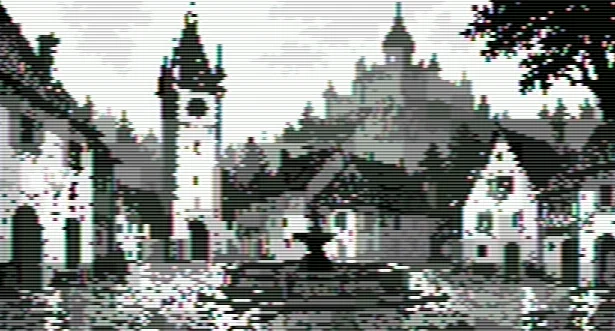
The release of this title marks a significant milestone in the ongoing preservation and expansion of the ZX Spectrum library, a platform that continues to see active development four decades after its original market debut. Developed by DJSoft, the Illustrated Edition of Bram Stoker’s classic gothic horror novel transforms the traditional text adventure genre into a visually rich, greyscale experience specifically tailored for the 128K iteration of the Sinclair machine. While the 48K version of the game established the framework for this parser-based adventure, the 2026 update leverages the expanded memory architecture of the 128K model to integrate a significantly higher density of graphical assets, offering a more immersive experience for retro-computing enthusiasts.
Evolution of the ZX Spectrum Adventure Genre
The ZX Spectrum, released by Sinclair Research in 1982, became a cultural touchstone for British computing, largely due to its affordability and the ease with which hobbyists could develop software. The "parser adventure" genre—a type of interactive fiction where the player types commands like "go north" or "examine painting"—was a cornerstone of the platform’s early success. Titles such as The Hobbit (1982) and Sherlock (1984) defined the era.
In recent years, the scene has shifted from purely commercial efforts to community-driven preservation and "modern-retro" development. DJSoft’s Dracula project fits into a broader trend of utilizing modern development tools, including AI-assisted code generation, to push the hardware beyond its original design limitations. By utilizing the 128K memory bank, developers can now store more complex state machines and high-resolution monochromatic bitmap data that would have been impossible to load into the 48K RAM limit without heavy compression or frequent tape-loading interruptions.
Chronology of the Project Development
The development cycle of this project began with a retrospective analysis of the 48K version. The original 48K iteration was limited by the hardware’s 3.5 MHz Zilog Z80 processor and the strict memory constraints of the era. The 2026 update process involved several distinct phases:
- Engine Optimization (Q1 2026): The core parser was rewritten to handle more complex sentence structures and a larger dictionary of objects, utilizing the 128K’s expanded address space.
- Asset Integration (Q2 2026): Graphic design efforts focused on the "monochrome aesthetic." Because the ZX Spectrum’s color attribute system often suffers from "attribute clash"—where colors bleed into adjacent blocks—the decision to keep the game in greyscale allows for sharper, more detailed illustrations that align with the gothic, Victorian atmosphere of Stoker’s work.
- Beta Testing (Q3 2026): Community members and retro-hardware collectors conducted stress tests on both original 128K hardware and modern FPGA-based clones like the ZX Spectrum Next to ensure compatibility.
- Final Deployment (September 2026): The full release, accompanied by documentation regarding the implementation of AI-assisted code logic, was finalized for the digital archives.
Supporting Data and Technical Specifications
The technical requirements for this release highlight the capabilities of the 128K model. The Zilog Z80A CPU, running at 3.5 MHz, remains the engine’s heart, but the expanded memory allows for a "page-in, page-out" system for the graphical assets.
- Memory Usage: 128 KB RAM (Total addressable).
- Resolution: 256 x 192 pixels.
- Color Palette: Strictly monochrome (1-bit depth) to maintain visual fidelity and avoid color clash.
- Input Method: Command-line parser (text input).
- Media Format: Compatible with .TAP and .TZX virtual tape formats for use on modern hardware interfaces like the DivMMC or emulators like Fuse.
The use of AI-assisted content in the development of the game code is a notable shift in the retro-dev community. According to the developer, AI tools were employed to streamline the syntax checking of the parser, reducing the number of "hard-coded" errors that traditionally plague text adventures. This approach represents a growing trend where developers use modern LLM-based tools to accelerate the technical "grunt work" of vintage software development, allowing them to focus more on narrative and visual design.
Industry and Community Reception
The release of Dracula (Illustrated Edition) has been met with enthusiasm by the ZX Spectrum preservation community. Forums and digital archives, such as PDROMs and the World of Spectrum, have highlighted the title as an example of how 128K hardware can still provide a premium experience.
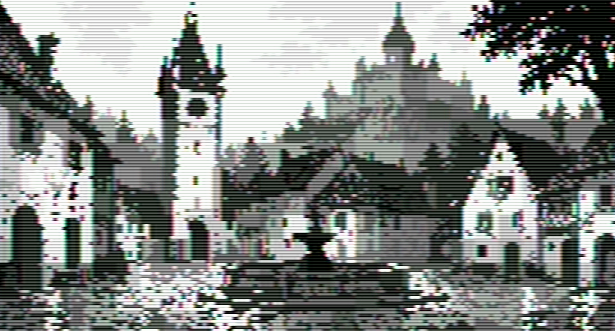
Industry analysts suggest that the appeal of such titles lies in the "nostalgia economy." As modern gaming moves toward cloud-based, subscription-heavy models, the ability to possess and run a complete, self-contained adventure game on hardware that requires no internet connection is increasingly valued by a dedicated subset of the gaming demographic. Furthermore, the "Illustrated" aspect of the game serves to bridge the gap between traditional interactive fiction and the graphic-heavy adventures that dominated the late 1980s.
Broader Impact and Implications
The release of this title holds implications for three main areas: historical preservation, modern-retro development, and intellectual property in the public domain.
Preservation and Longevity
By refining classic literature for obsolete hardware, developers are ensuring that the ZX Spectrum remains a "living" platform rather than a static museum piece. Each new release encourages users to maintain their hardware, leading to a secondary market for repair parts and peripheral upgrades, such as modern storage interfaces that replace the unreliable cassette tape decks of the 1980s.
The AI Role in Heritage Computing
The mention of AI-assisted code in this project is significant. For many years, the primary barrier to creating new software for 8-bit machines was the high level of technical expertise required to manipulate Z80 assembly language or specialized BASIC dialects. By utilizing AI to assist in code generation, developers lower the barrier to entry, potentially leading to a new wave of hobbyist software that could keep the platform active for decades to come.
Public Domain and Creative Interpretation
Dracula, written by Bram Stoker in 1897, resides firmly in the public domain, allowing developers to adapt the source material without the constraints of copyright litigation. This freedom allows for creative reinterpretations, such as the monochrome-focused artistic direction taken by DJSoft. It serves as a reminder that the public domain is a vital resource for creators, providing a foundation upon which new technological expressions can be built.
Conclusion
The release of Dracula (Illustrated Edition) is not merely a nostalgia-driven endeavor; it is a demonstration of how modern development methodologies can be applied to legacy architecture. By focusing on the 128K ZX Spectrum’s memory advantages, DJSoft has successfully delivered an experience that honors the limitations of the platform while providing a depth of graphical content that the original 48K machines could never have supported. As the retro-computing scene continues to evolve, projects like this will likely serve as the benchmark for future interactive fiction releases, blending the narrative power of classic literature with the technical ingenuity of the 21st century.
Whether played on original, restored hardware or modern emulators, the game stands as a testament to the enduring appeal of the ZX Spectrum, proving that the platform is far from obsolete. With the successful integration of AI-assisted development tools, the project also hints at a future where the creation of software for 8-bit systems is more accessible than ever, ensuring that the legacy of the Sinclair machines will continue to grow long after their initial commercial lifecycle has concluded.