Retno Hari Mulyono
For automotive enthusiasts and weekend racers participating in high-performance driving events (HPDE), track days, and autocross competitions, transitioning away from standard factory street tires is an inevitable milestone. High-grip 200 treadwear (200TW) or specialized R-compound rubber significantly improves lateral acceleration, braking performance, and lap times. However, these specialized tires present a distinct logistical challenge: rapid tread wear and compromised safety when driven on public roads. While drivers of sedans, hatchbacks, and larger sports coupes can often stow a secondary set of wheels and tires in the trunk or across the rear seating area, owners of compact, lightweight sports cars—most notably the Mazda Miata—face strict spatial limitations. To overcome this hurdle, a growing segment of the motorsport community has adopted a specialized piece of auxiliary equipment: the custom-built tire trailer.
The Engineering and Safety Dilemma of Track Tires on Public Roads
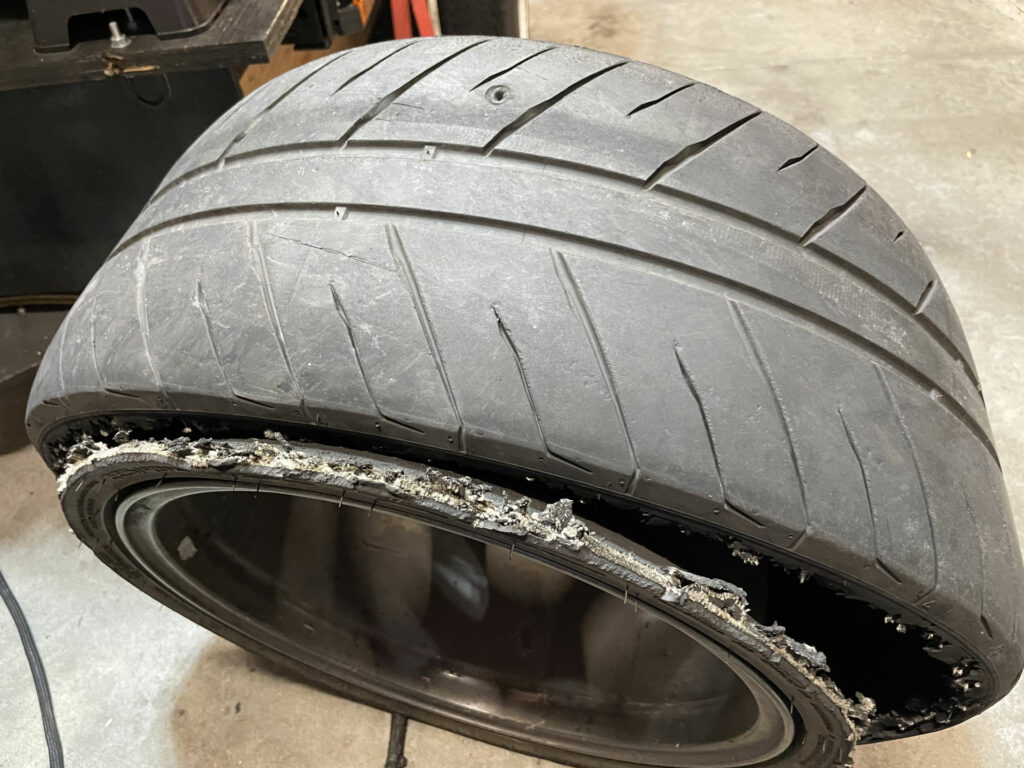
Although most ultra-high-performance and competition tires maintain Department of Transportation (DOT) approval for street use, utilizing them as daily drivers introduces significant operational and financial drawbacks. Primarily, competition tire lifespan is measured not strictly in miles, but in operating hours and thermal cycles. Subjecting a set of 200TW tires to abrasive highway asphalt accelerates tread depletion before the tires ever reach a racetrack. Furthermore, premature heat cycling degrades the rubber compound’s chemical grip, diminishing peak performance when it matters most.
Beyond financial considerations regarding premature wear, safety implications on public highways are substantial. Track-oriented tires are engineered to operate effectively within specific temperature ranges and often feature directional tread patterns or minimal void ratios optimized for dry tarmac. When subjected to ambient conditions involving cold temperatures or standing water, these tires exhibit drastically reduced traction.
Historical accounts from frequent track-day participants frequently highlight hazardous encounters during transit. Driving extended distances to a motorsport facility on heat-cycled tires during unexpected heavy downpours transforms a routine highway commute into a high-risk scenario. Reduced hydroplaning resistance requires drivers to drastically lower speeds, creating dangerous speed differentials with surrounding traffic. Moreover, sustaining a puncture or structural blowout on an expensive, low-profile track tire far from home creates severe roadside inconveniences, underscoring the necessity of a dedicated transport method for secondary wheel sets.
Anatomy of a Utility Tire Trailer
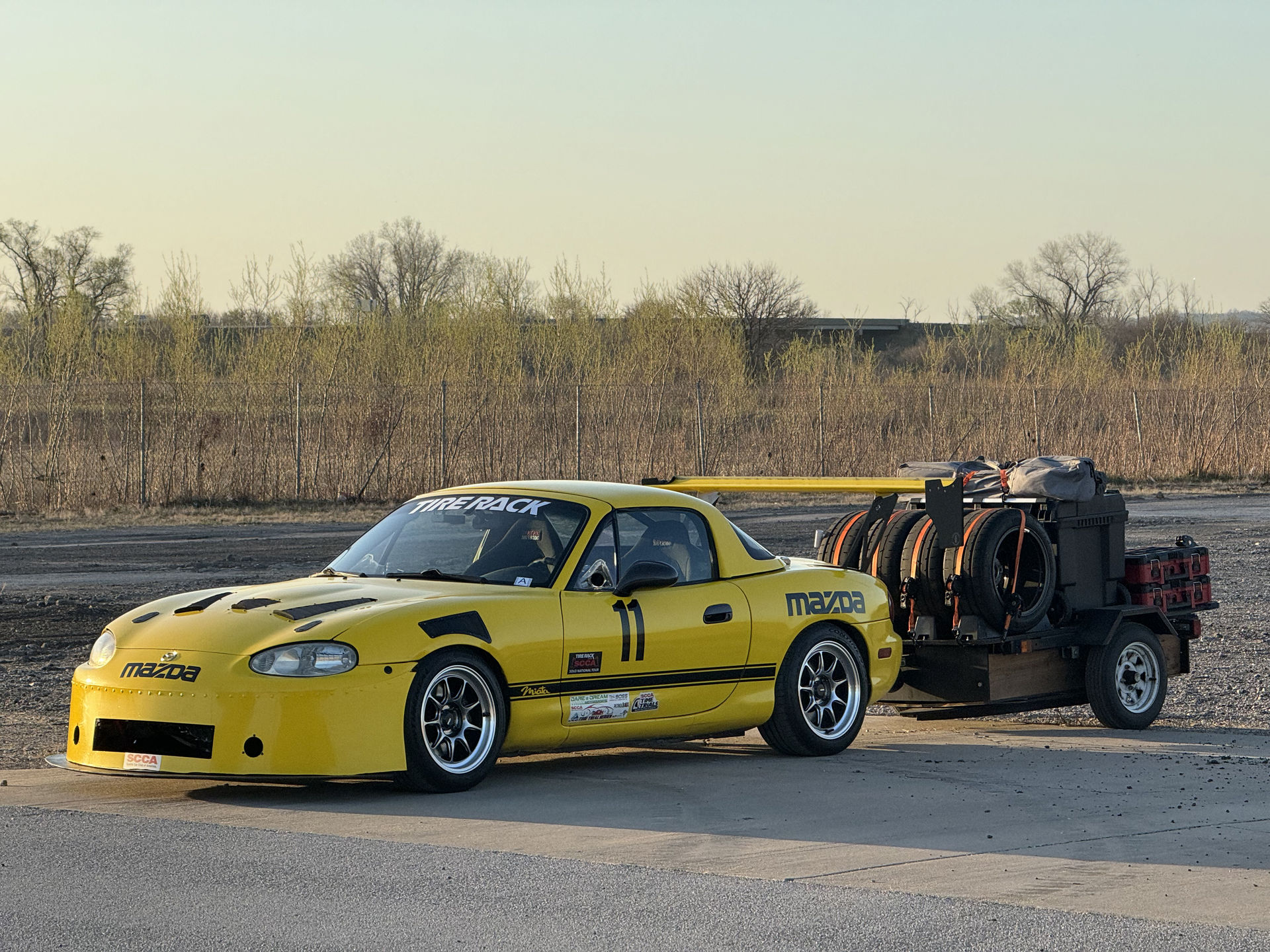
A tire trailer is a compact, single-axle utility trailer specifically modified to transport a complete set of spare wheels, tools, fuel, and paddock infrastructure behind a small vehicle. These trailers offer a balance of utility and towing efficiency, allowing drivers to retain the fuel economy and driving dynamics of their lightweight sports cars during the journey while ensuring they arrive at the track fully equipped.
The advantages of utilizing a tire trailer are numerous. Foremost, it eliminates the necessity of compromising cockpit safety by stacking loose, heavy wheels inside the passenger cabin. It also preserves the structural integrity and tread life of competition rubber. Additionally, a dedicated trailer provides expansive storage capacity for auxiliary track equipment, including hydraulic jacks, torque wrenches, spare fluids, EZ-up canopies, and extra fuel containers.

Conversely, certain drawbacks must be considered. Towing a trailer alters vehicle dynamics, increases braking distances, and introduces speed restrictions on certain highways. Parking and maneuvering require additional spatial awareness, and storing an auxiliary trailer demands dedicated residential space. Nevertheless, for dedicated track enthusiasts, the utility far outweighs the inconveniences.
Selecting and Assembling the Foundation: Trailer Frames
The construction of a custom tire trailer typically begins with a commercial utility trailer frame kit. A standard point of departure for many builders is a 40-inch by 48-inch steel utility frame, commonly distributed by industrial suppliers such as Northern Tool or Harbor Freight. These kits arrive disassembled in heavy-duty packaging, requiring the end user to bolt together the structural steel components, wire the lighting harness, and install the suspension and wheel assemblies.
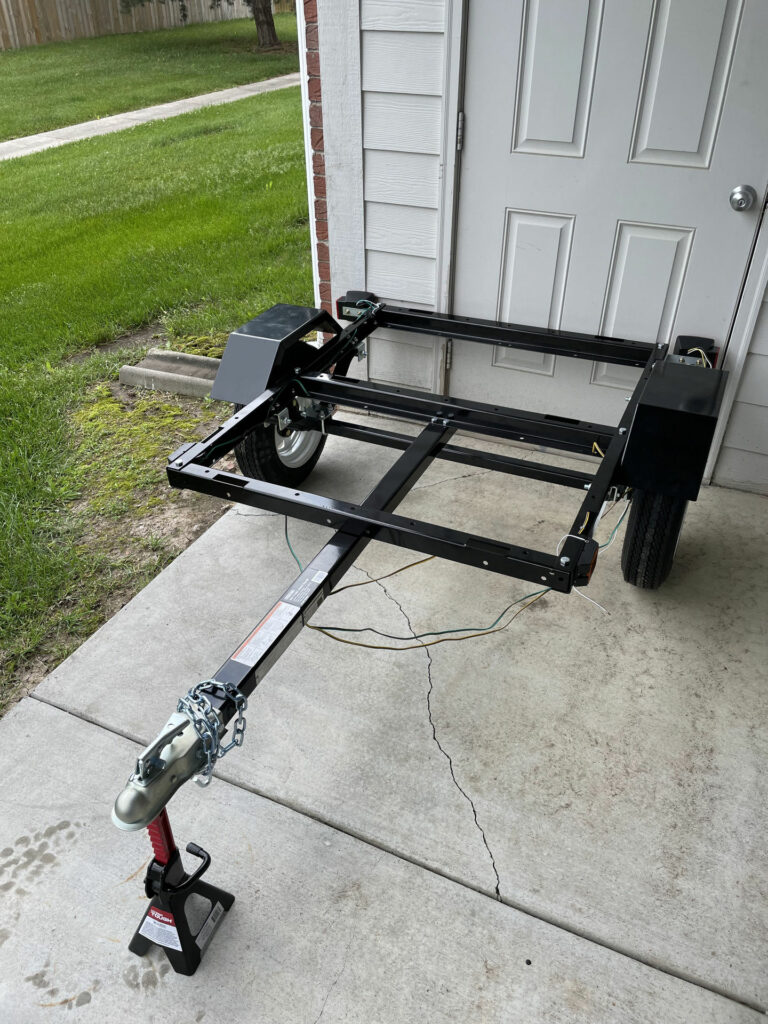
While compact frames offer exceptional maneuverability, alternative options exist within the marketplace. Folding 4-foot by 8-foot utility trailers provide significantly more deck space with minimal weight penalties and nominal cost increases, affording builders greater flexibility in cargo distribution. Alternatively, specialized motorcycle trailers offer superior factory build quality and integrated suspension systems, though their enclosed or streamlined configurations often restrict custom mounting adaptations.
For consumers with substantial budgets seeking turnkey solutions, specialty manufacturers such as Leroy Engineering produce bespoke, high-performance paddock tire trailers. These specialized units incorporate premium wheel bearings, advanced independent suspension systems, and lightweight aluminum construction, engineered explicitly to withstand high-speed sustained towing over long distances. However, these custom units command a financial premium compared to assembly-required utility frames.
Designing a Comprehensive Paddock Support System
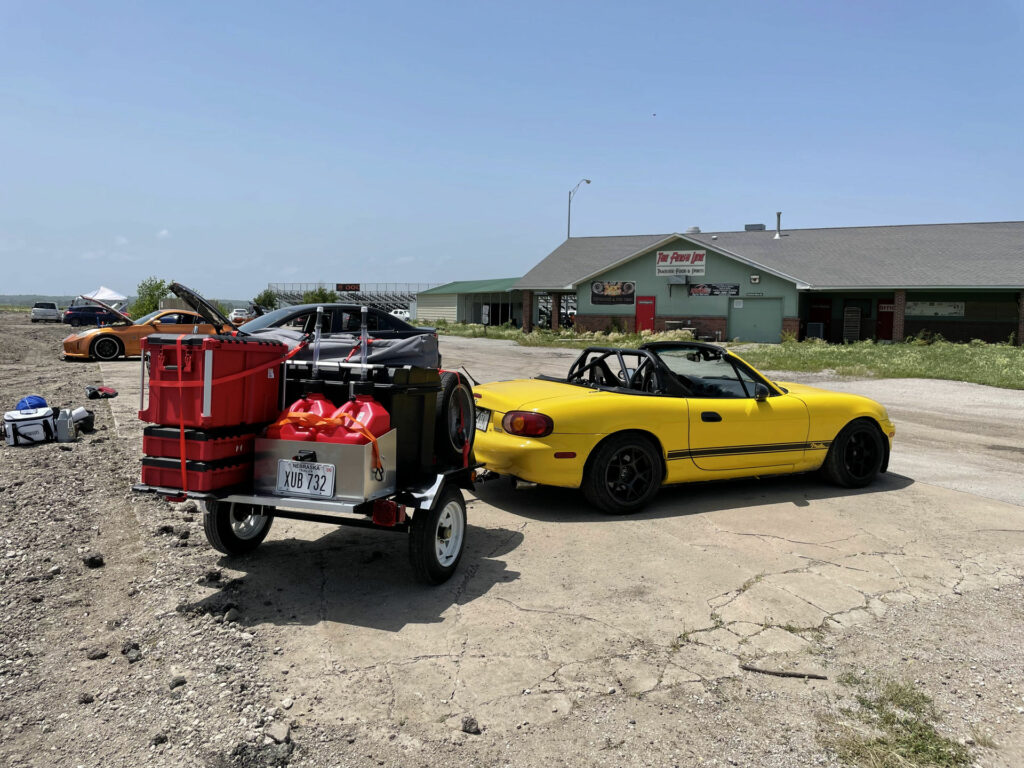
Establishing strict design requirements ensures the finished trailer remains stable, aerodynamic, and legally compliant. Essential design goals typically include maintaining a low center of gravity to prevent sway at highway speeds, establishing secure, multi-point tie-down mechanisms for high-value cargo, and weatherproofing storage compartments to protect sensitive diagnostic tools and electronics from inclement weather.
In a standard custom build utilizing a 40×48-inch frame, builders often fabricate an expanded plywood deck using three-quarter-inch exterior-grade wood, such as Sande Plywood, treated with weather-resistant finishes. Overhanging the deck slightly beyond the steel frame dimensions—resulting in a surface area of approximately 62 inches by 40 inches—maximizes usable floor space. Recessed carriage bolts, lock washers, and nylon-insert lock nuts secure the wooden platform flush to the frame members, preventing cargo snagging.
Centralized Tool and Equipment Storage
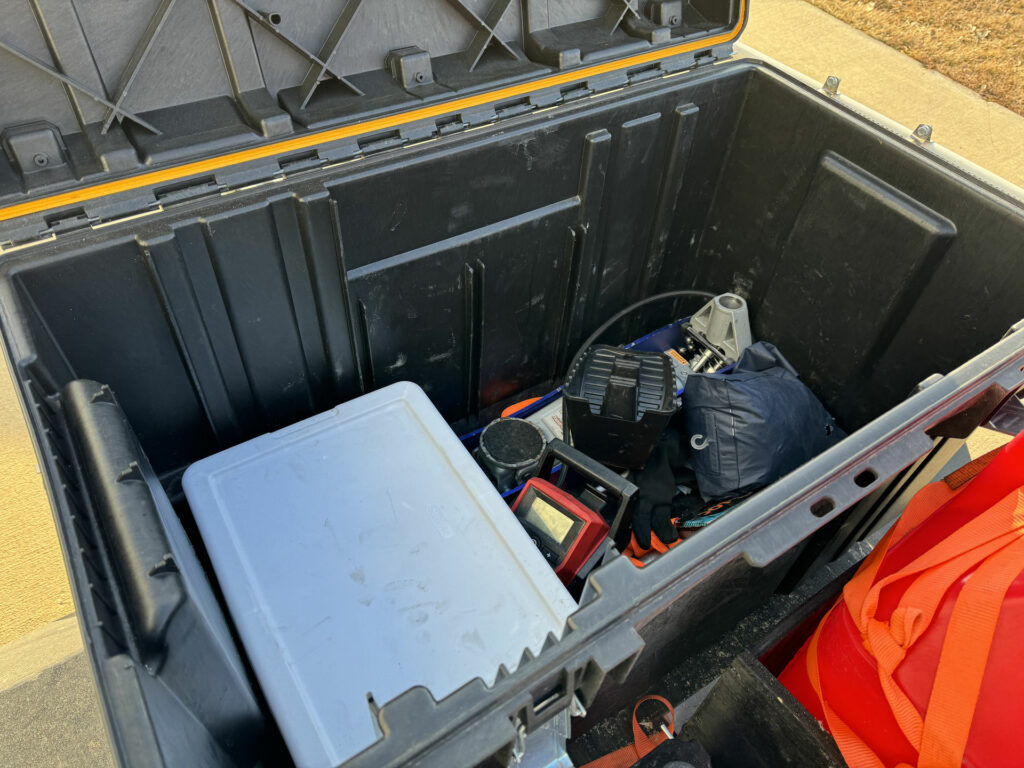
To optimize weight distribution and maintain proper tongue weight on the hitch, heavy storage solutions must be centered directly above or slightly forward of the trailer axle. Premium, weather-resistant polymer toolboxes, such as heavy-duty industrial storage chests, provide secure enclosures for critical track-side equipment. Bolting these chests directly through the wooden deck using internal metal reinforcement plates ensures the structure remains anchored under heavy deceleration forces.
A well-organized toolbox typically houses an array of specialized equipment required for a successful track weekend. Standard inventory includes digital tire pressure gauges, high-torque impact wrenches, torque sticks, spare valve stems, core removal tools, brake bleed bottles, high-temperature brake fluid, OBD-II diagnostic scanners, spare fuses, zip ties, and mechanical hand tools. Furthermore, heavy-duty integrated rails on the exterior of industrial toolboxes allow builders to secure oversized, awkward items—such as folding aluminum canopies, collapsible spectator chairs, and portable tables—using industrial-grade ratchet straps.
Wheel and Tire Retention Architecture
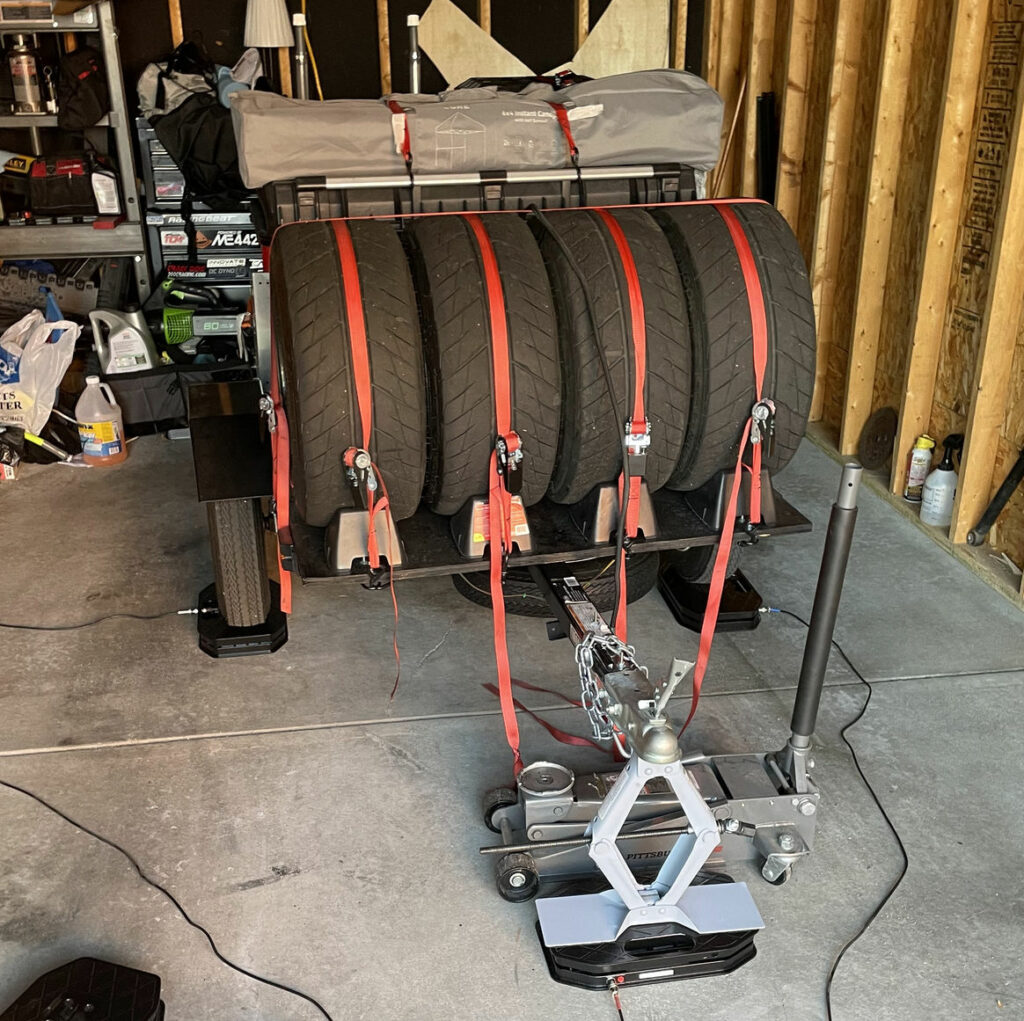
Securing four competition wheels and tires requires a robust, fail-safe retention system to prevent catastrophic cargo loss on the highway. Mounting the tire stack vertically at the front of the trailer directly behind the tongue assembly establishes optimal aerodynamic drag reduction and tongue weight.
Professional builders implement a three-tier security protocol for wheel retention. First, a heavy-duty threaded steel center post or vertical carriage bolt passes through the hub centers of the stacked wheels, secured at the top with a heavy-duty retaining plate and a locking wing nut or padlock. Second, heavy-duty circumferential ratchet straps wrap around the perimeter of the tire stack, anchoring directly to heavy-duty D-rings bolted through the trailer frame. Third, secondary safety chains or redundant straps serve as backup retention in the event of primary strap degradation during long transit routes.
Hazardous Materials: Fuel Storage and Management
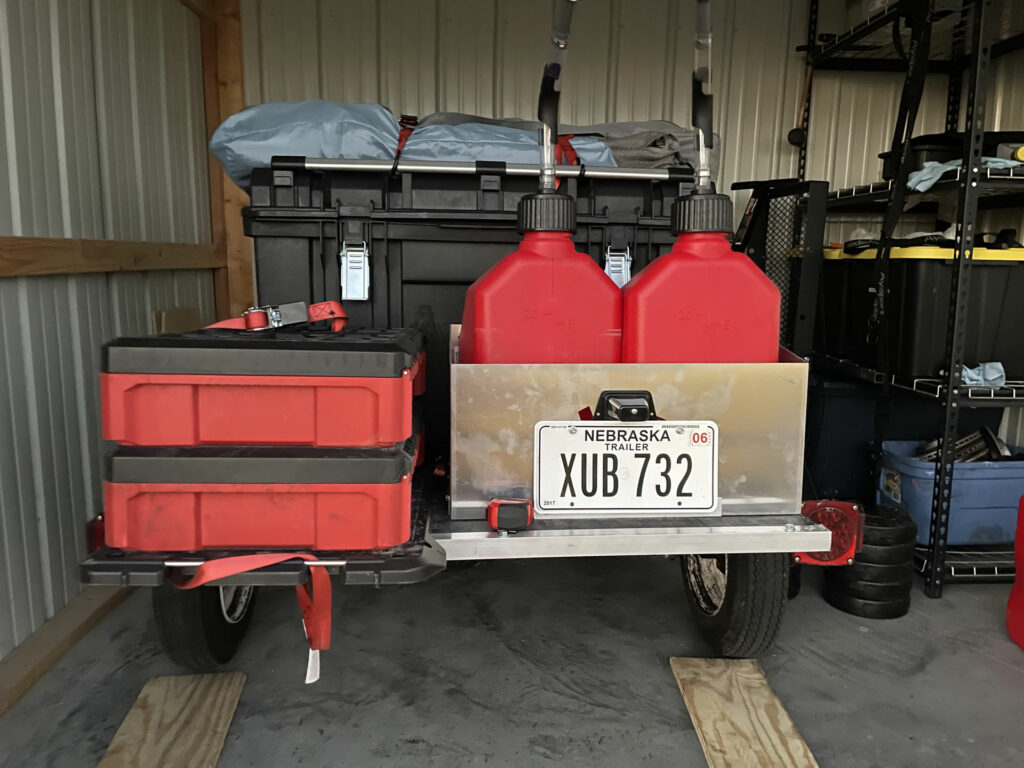
Motorsport events frequently demand substantial quantities of high-octane gasoline or alternative fuels, such as E85, which may not be readily available in the immediate vicinity of rural racetracks. Safe transport of volatile fluids requires specialized containers and mounting hardware.
Standard configurations incorporate certified five-gallon motorsport fuel jugs secured via specialized quick-release aluminum brackets bolted to the rear deck perimeter. To further enhance fuel capacity without compromising structural balance, advanced builds integrate larger auxiliary fuel systems, such as 15-gallon utility containers housed within custom plywood cradles anchored with heavy-duty L-brackets and industrial tension straps. Dispensing fuel from large-capacity auxiliary tanks typically necessitates hand-crank rotary pumps or manual siphon systems to transfer fluids safely into smaller, manageable containers for paddock refueling.
Upgrading Running Gear: From Bias-Ply to Radial Tires

Factory-supplied tires accompanying budget utility trailer kits are typically low-cost bias-ply tires designed for intermittent, low-speed industrial use. While functional initially, these tires exhibit rapid wear and generate high internal temperatures when subjected to sustained interstate speeds over thousands of miles.
Following approximately 3,000 miles of rigorous cross-country towing, standard utility trailer tires frequently show extreme tread depletion and vulnerability to air leaks. Upgrading to radial trailer tires—such as size 145R12 radial configurations—provides substantial operational benefits. Although slightly taller and wider than factory stock, radial tires easily clear standard utility trailer fenders while offering superior heat dissipation, enhanced high-speed stability, improved load ratings, and significantly extended tread life. Consequently, bearing temperatures decrease, and overall towing safety improves markedly.
Long-Term Evaluation and Industry Implications
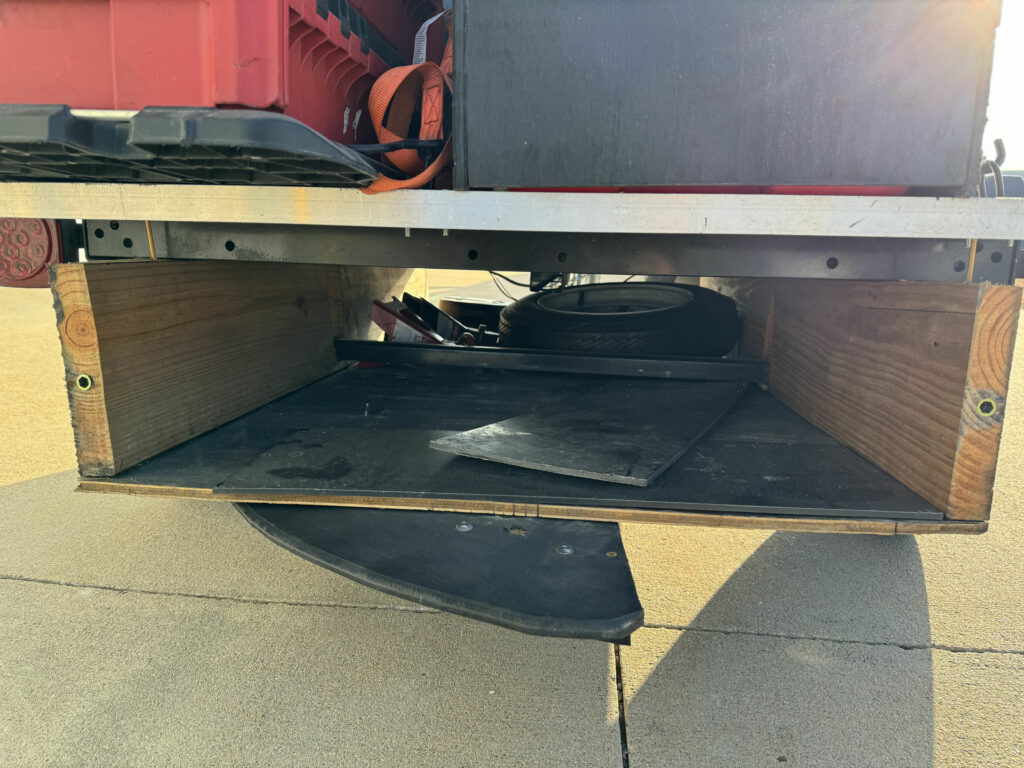
The implementation of a custom-built tire trailer represents a highly effective engineering compromise for track-day enthusiasts operating compact, lightweight sports cars. By decoupling daily street driving from high-performance track tires, motorists preserve critical rubber compounds, mitigate severe weather hazards on public roads, and transport comprehensive paddock infrastructure without relying on heavy-duty tow vehicles.
While modern trends show some enthusiasts transitioning toward traditional full-scale tow rigs—utilizing large pickup trucks and enclosed or open car haulers—the auxiliary tire trailer retains distinct advantages. Full-size towing setups incur substantially higher acquisition costs, increased fuel consumption, and reduced maneuverability. Furthermore, loading a low-slung, highly modified track car onto a full-sized trailer frequently requires tedious disassembly of aerodynamic front splitters and bumper covers, rendering quick track-side departures cumbersome.
Ultimately, the custom utility tire trailer remains a testament to automotive resourcefulness, offering a practical, cost-effective, and highly efficient solution for amateur motorsport participants determined to drive their sports cars to the limit on the circuit and safely home again.