Hartono Sudibyo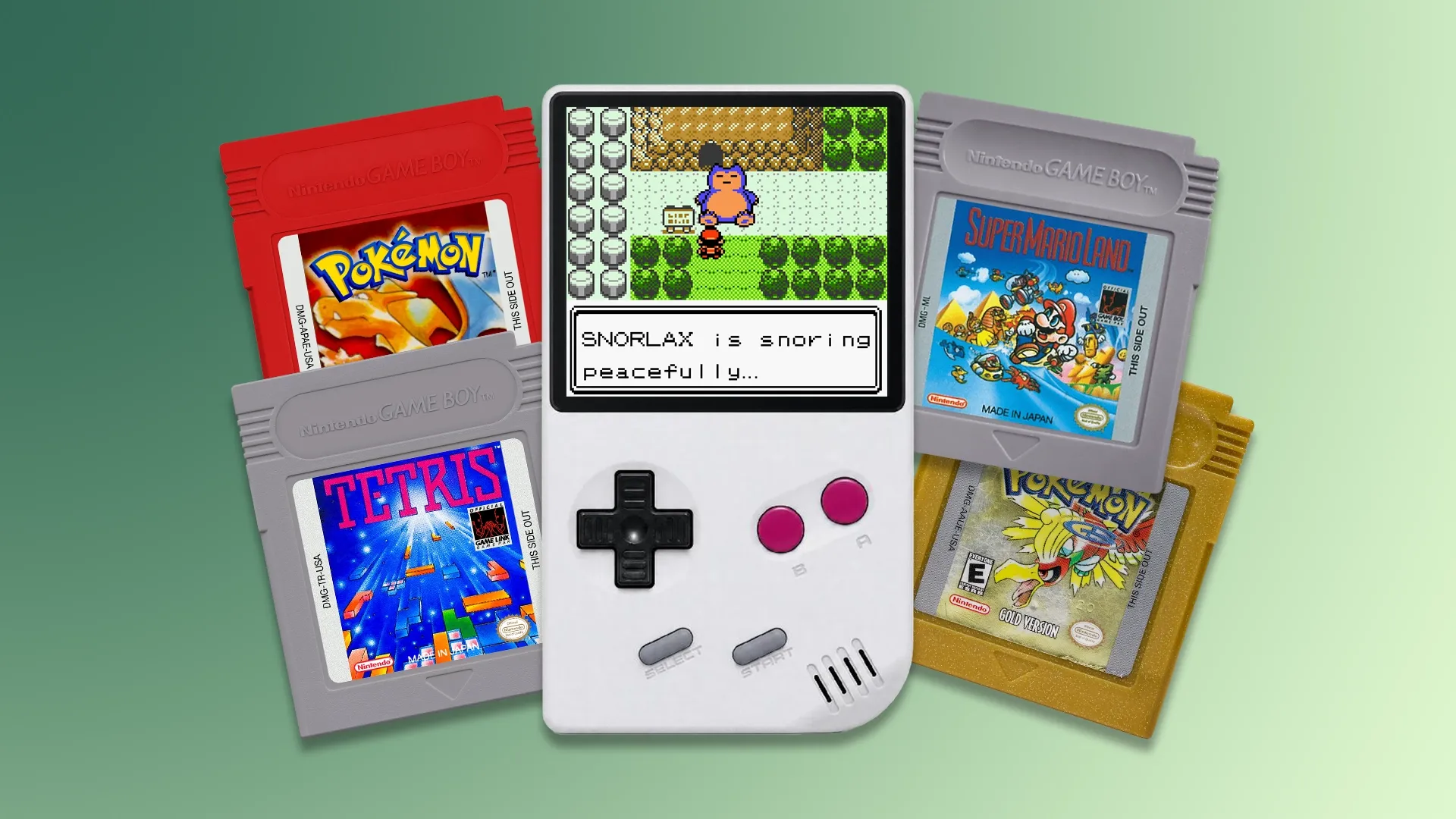
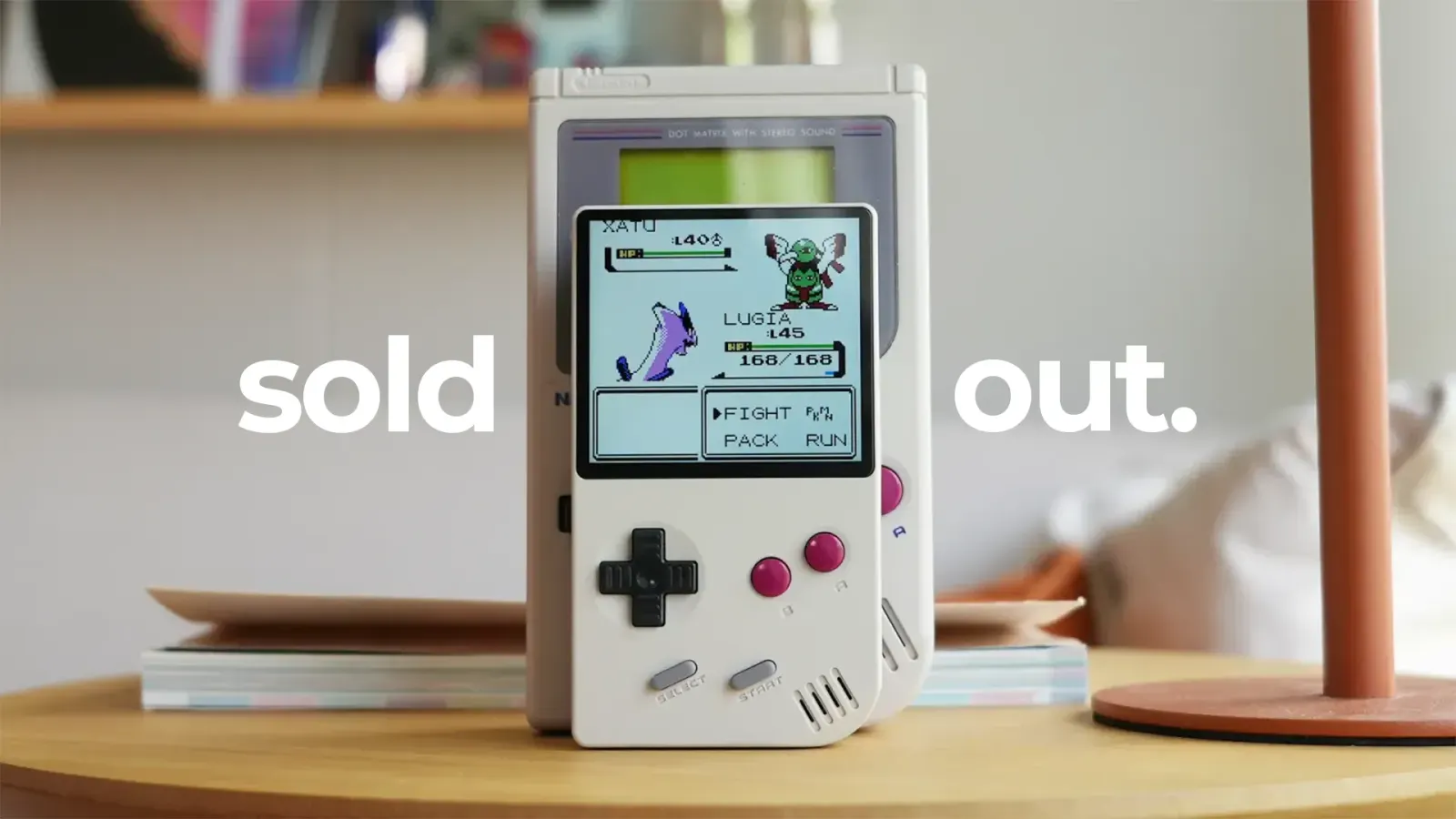
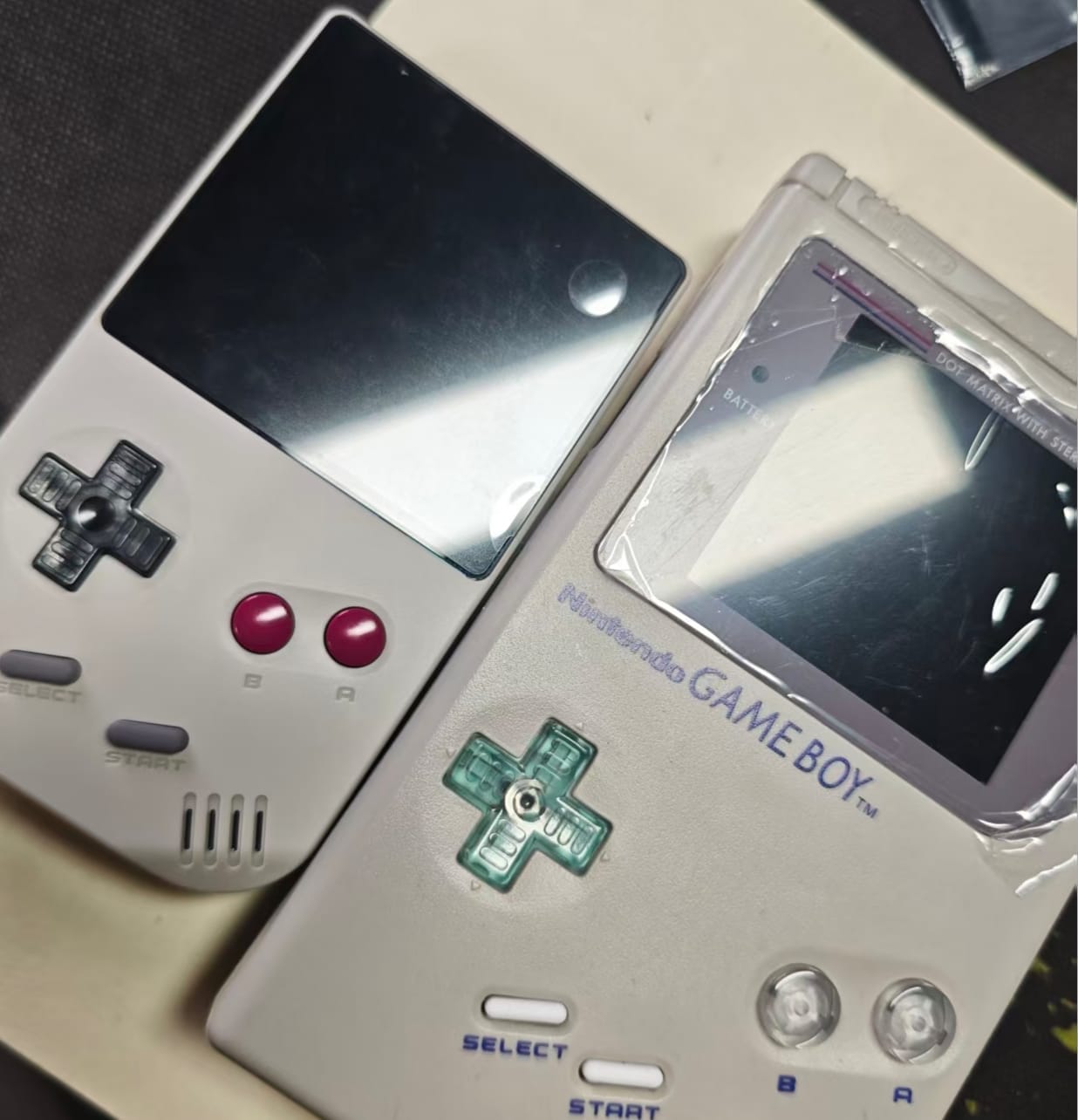
The landscape of retro gaming hardware is undergoing a subtle yet significant evolution, characterized by a growing consumer demand for authentic physical media playback combined with modern display technologies. UK-based retro hardware and modification specialist FunnyPlaying has officially detailed the specifications for its upcoming handheld device, the FPGB Mini. Designed to emulate the iconic aesthetic of the original 1989 Nintendo Game Boy (commonly referred to as the DMG model), the FPGB Mini distinguishes itself from software-only emulation devices by incorporating a physical cartridge slot capable of reading original Game Boy (GB) and Game Boy Color (GBC) cartridges, while simultaneously supporting digital ROM files.
This announcement comes as the retro gaming community experiences a sustained renaissance in portable hardware design. Companies ranging from boutique modding outfits to mass-market manufacturers have increasingly focused on bridging the gap between vintage cartridges and contemporary visual standards. The FPGB Mini represents a distinct entry in this category, attempting to miniaturize the classic form factor while delivering a high-density visual output.
Main Technical Specifications and Display Capabilities
According to documentation provided by FunnyPlaying ahead of review sample distributions, the FPGB Mini is anchored by a high-resolution 2.98-inch IPS display. This screen size and panel type represent a substantial technical departure from the original hardware. The original Nintendo Game Boy featured a non-backlit, reflective STN LCD screen with a resolution of 160×144 pixels, while the Game Boy Color offered a similar resolution of 160×144 pixels on a slightly smaller color-passive matrix display.
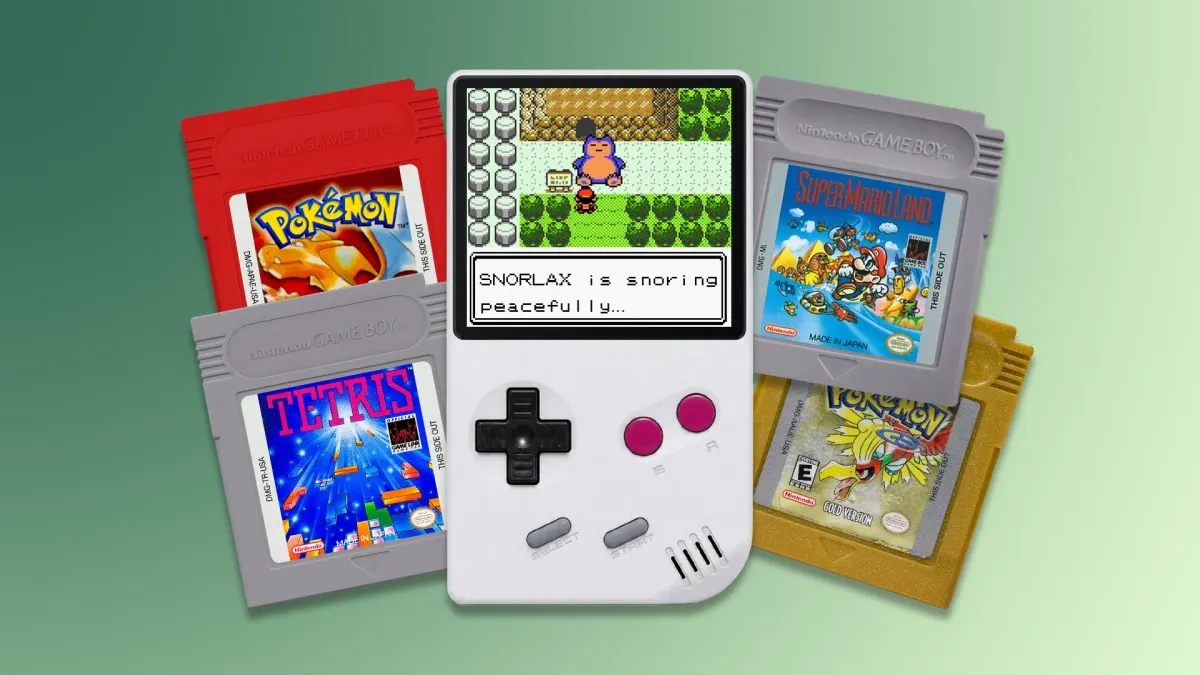
In contrast, the FPGB Mini utilizes a modern IPS panel with a significantly elevated pixel density. Industry observers note that the display’s resolution is sufficient to facilitate a clean 4x integer upscaling of Game Boy Color software. Integer scaling is a critical metric for retro enthusiasts, as it ensures that pixels are multiplied by a whole number, preventing visual distortion and uneven scaling artifacts that often plague non-integer modern displays. This allows classic titles to retain their crisp pixel art aesthetics while benefiting from the wide viewing angles, enhanced color reproduction, and high brightness levels characteristic of modern liquid crystal displays.
Hardware Compatibility, Cartridge Support, and Connectivity
The inclusion of a physical cartridge slot remains the defining feature of the FPGB Mini, yet it introduces specific hardware limitations that prospective buyers must consider. Official communications from FunnyPlaying indicate that while standard, authentic retail game cartridges will function reliably and retain their standard battery-backed or flash-based save functionality, compatibility with flash carts and third-party clone cartridges is not guaranteed. The manufacturer has noted that while certain flash storage cartridges may boot successfully, operational stability across all third-party media cannot be assured. For digital backups and ROM files executed without physical cartridges, save states and save files will be directed to an internal Secure Digital (SD) card interface.
Furthermore, the device supports multiplayer link cable functionality, bridging the hardware generation gap. However, connectivity relies on a proprietary USB-C link cable developed by FunnyPlaying, which will be made available as a separate accessory purchase following the device’s commercial launch. This design choice modernizes the physical port architecture, replacing the bulky proprietary round plugs of the 1990s with a standardized USB-C physical standard, albeit governed by proprietary internal wiring protocols for the link feature.
Chronology of Development and Release Schedule

The path to the release of the FPGB Mini has been defined by a rapid, iterative development cycle typical of the specialized retro modification sector.
Initial prototypes and internal testing units began circulating within a restricted testing window at the beginning of September 2026. By mid-September, FunnyPlaying finalized its initial hardware revision, producing a strictly limited initial batch of twenty units destined for independent reviewers and technical testers to validate performance metrics.
On September 17, 2026, official pricing and release timelines were confirmed. FunnyPlaying announced an early-bird retail price of $69.99 USD for the initial production run. Pre-sales are scheduled to commence in mid-September, with fulfillment expected to occur in sequential batches due to the constrained initial manufacturing volume. This limited rollout strategy mirrors previous hardware releases from boutique manufacturers aiming to manage supply chain risks and gather immediate consumer feedback before committing to larger mass-production phases.
Company Background and Market Context
FunnyPlaying has established a prominent position within the retro gaming modification ecosystem. Operating primarily from the United Kingdom, the company gained international recognition by manufacturing replacement shells, high-clarity IPS backlit screen modification kits for vintage consoles like the Game Boy Advance and Game Boy Color, and custom motherboard replacements.
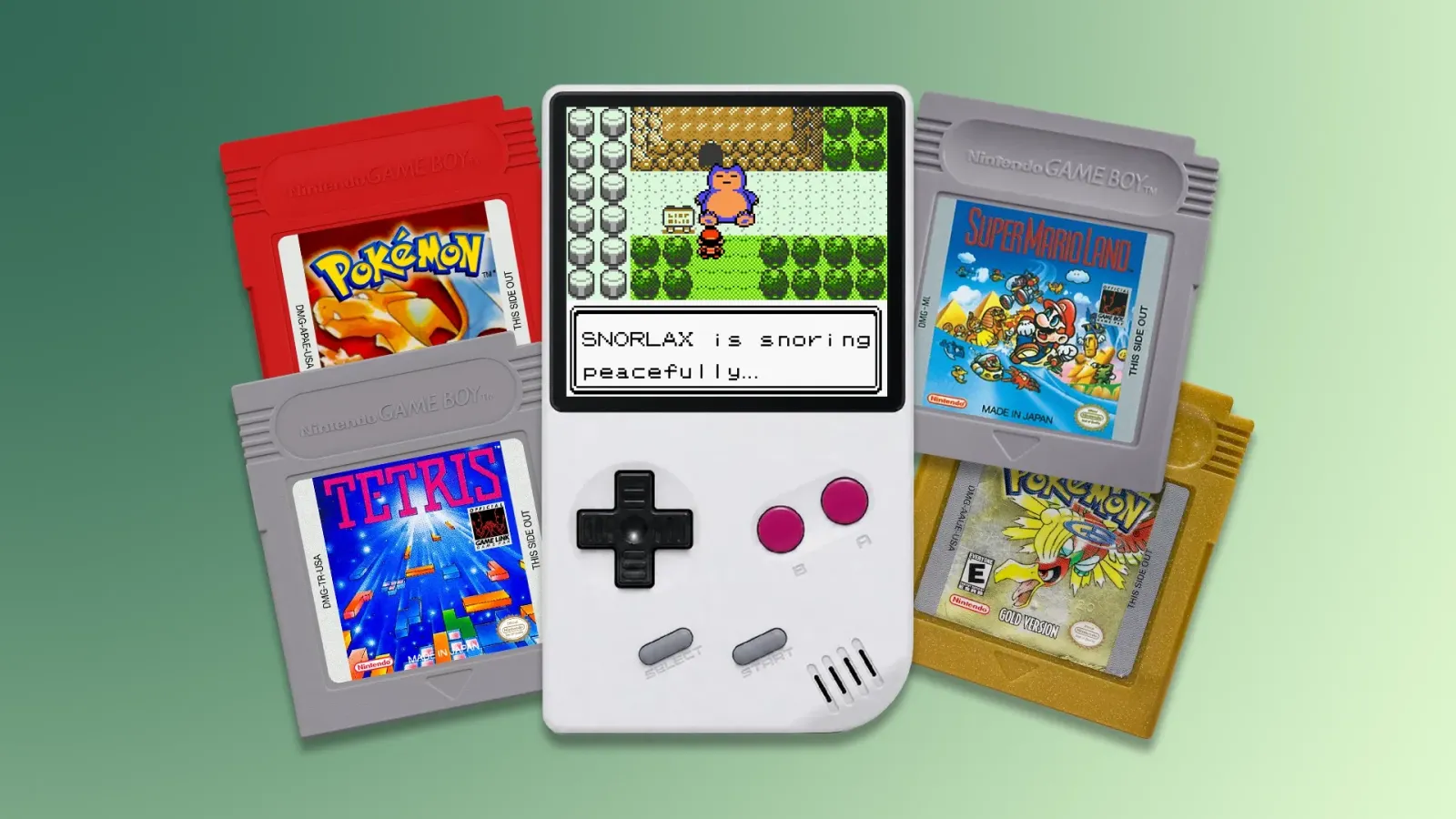
The company’s previous foray into complete turnkey hardware development yielded devices such as the Retro Pixel Pocket—a handheld device housing an RK3326 central processing unit within a modified Game Boy Pocket enclosure. While the Retro Pixel Pocket functioned strictly as a software emulation device powered by Linux-based frontends, the FPGB Mini marks a strategic pivot back toward physical media compatibility.
This dual-functionality approach—combining native cartridge reading with secondary ROM emulation capabilities—places the FPGB Mini in direct competition with high-end FPGA (Field Programmable Gate Array) consoles and emulation handhelds currently dominating the enthusiast market. Devices utilizing FPGA technology, such as the Analogue Pocket, have set a high benchmark for hardware-level compatibility without software emulation overhead. The FPGB Mini, by contrast, utilizes an integrated hardware-software hybrid approach to balance manufacturing costs, resulting in a significantly lower price point of $69.99 compared to the premium pricing tier occupied by high-end FPGA hardware.
Industry Implications and Consumer Analysis
The introduction of the FPGB Mini highlights ongoing trends in the retro gaming hardware market. As original hardware ages and the availability of functional, un-modified vintage consoles declines, consumers increasingly look to modern reimagining that respect physical collections while offering contemporary ergonomics and visual fidelity.
The device’s $69.99 early-bird price point positions it aggressively against both premium emulation handhelds and legacy hardware restorations. By offering a miniature DMG-style form factor, FunnyPlaying targets the nostalgia-driven demographic that values portability and historical design language. However, analysts note that the reliance on proprietary accessories—such as the USB-C link cable—and the nuanced compatibility profile regarding flash cartridges may polarize hardcore collectors who rely extensively on multi-game flash storage solutions.
As the pre-sale window opens and initial review units land in the hands of independent evaluators, consumer reception will likely depend on the emulation accuracy of the software layer, the mechanical durability of the cartridge slot, and the battery endurance provided by the internal power management system. Comprehensive technical benchmarks and long-term reliability assessments will determine whether the FPGB Mini establishes a lasting foothold in the competitive retro portable market.