Hartono Sudibyo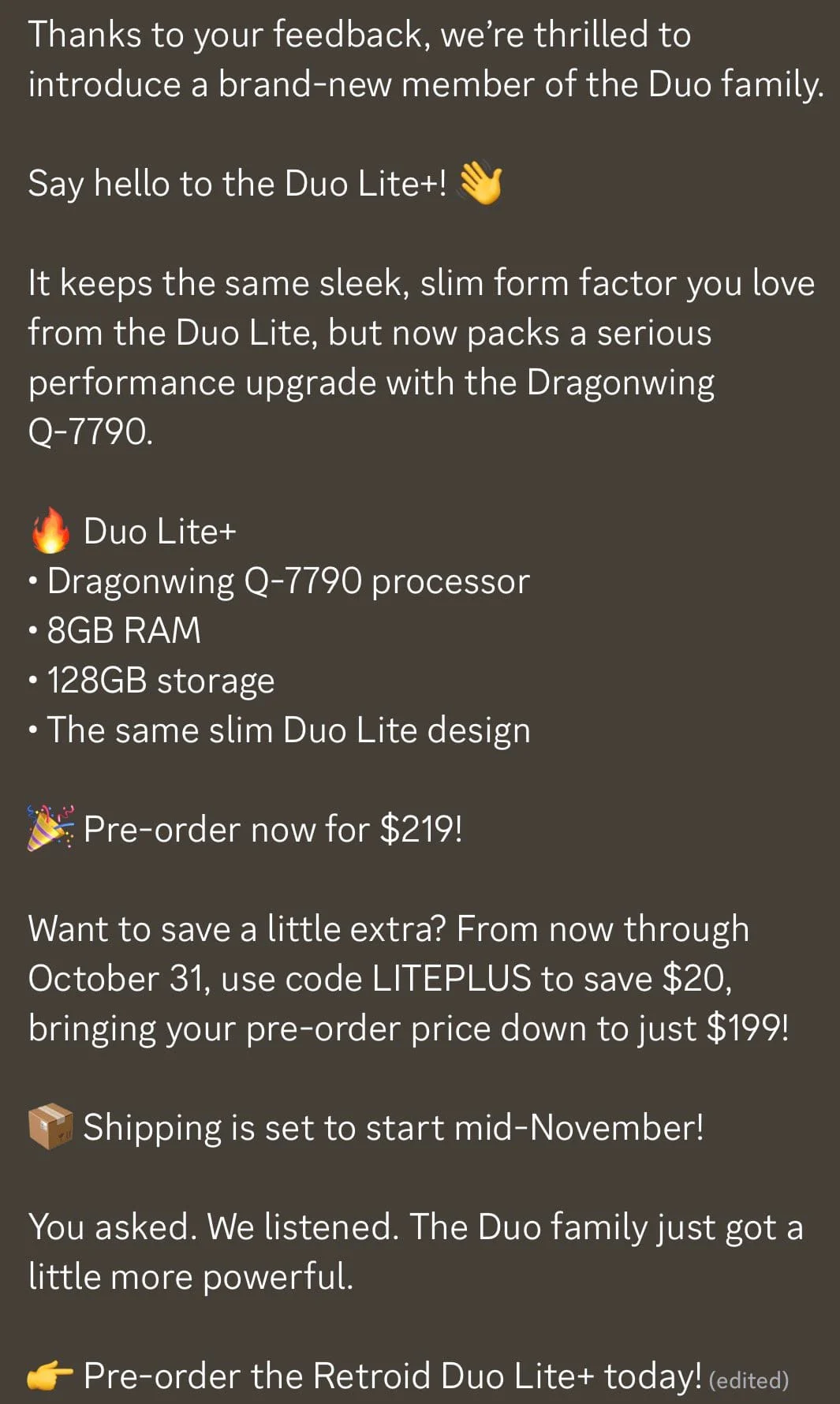
Retroid has once again found itself at the center of a growing debate within the portable emulation community following the unexpected announcement of the Retroid Pocket Duo Lite Plus. Coming on the heels of an already established pre-order campaign for its Duo series of dual-screen handheld devices, this new hardware variant—featuring upgraded memory and storage capacities—has reignited long-standing criticisms regarding product release cycles, consumer transparency, and communication strategies within the retro gaming hardware market.
The launch of the Duo Lite Plus highlights a recurring friction point between niche hardware manufacturers and their core consumer bases. While hardware iteration is a natural part of consumer electronics, the timing and execution of these rollouts can significantly impact brand loyalty. As early adopters voice their frustrations across social media and specialized forums, the situation offers a lens through which to examine modern product lifecycles in the rapidly evolving handheld gaming sector.
Evolution of the Dual-Screen Lineup
The controversy surrounds Retroid’s strategic pivot into dual-screen gaming hardware, a market segment that has seen a resurgence driven by interest in retro dual-screen emulation, particularly for platforms utilizing two displays. Initially, Retroid introduced its flagship Duo alongside a more accessible, entry-level counterpart: the Retroid Pocket Duo Lite.
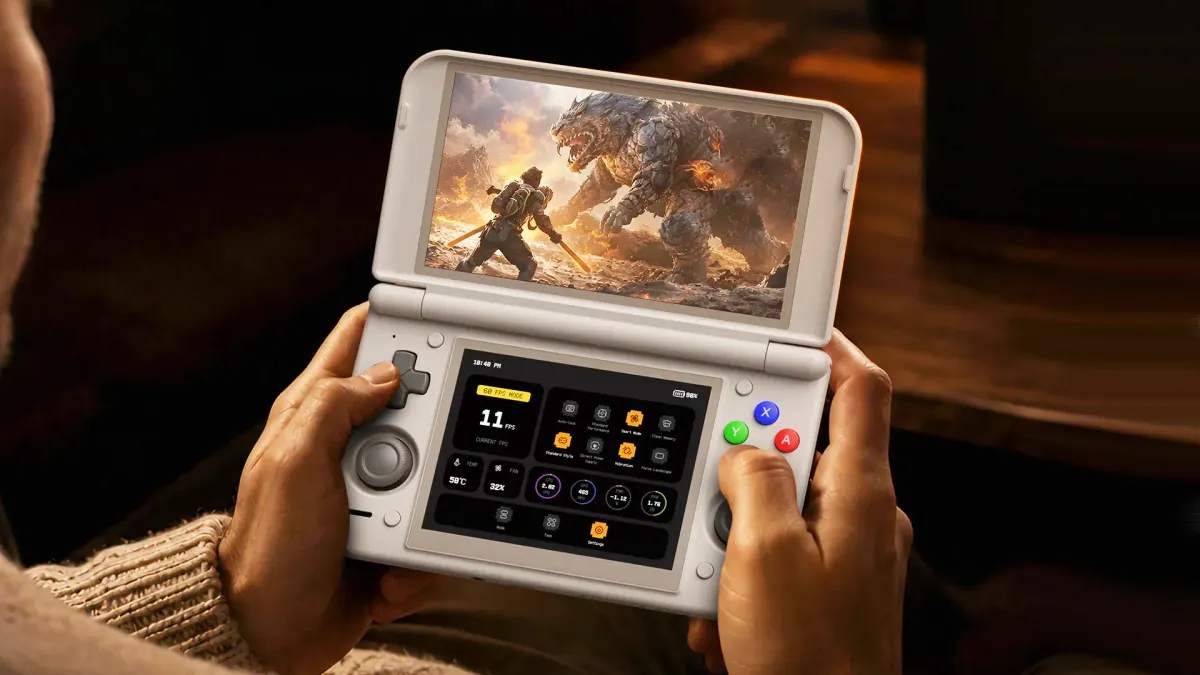
The original product architecture was divided into distinct tiers. The standard Duo model targeted performance enthusiasts with a primary display accompanied by a 4.5-inch AMOLED secondary screen, coupled with robust internal specifications. Conversely, the Duo Lite was positioned as a streamlined, cost-effective alternative. It featured a slightly smaller 4.2-inch TFT secondary screen and was initially offered in two configurations: a baseline 4GB of RAM with 64GB of internal storage, and a mid-tier 6GB of RAM with 128GB of internal storage.
These configurations appeared to satisfy early consumer demand, establishing a clear pricing and performance hierarchy. However, shortly after the initial pre-order window closed, Retroid altered this landscape by announcing the Duo Lite Plus. This new iteration bridges the gap between the lower-end Lite variants and the premium flagship models by incorporating 8GB of RAM and 128GB of internal storage, paired with the Dragonwin Q-7790 processor. Priced at $199 for pre-orders utilizing promotional codes and scaling up to $219 at standard retail, the Duo Lite Plus introduces an intermediate performance tier that many consumers feel should have been part of the initial product lineup announcement.
Chronology of the Release Cycle
Understanding consumer grievance requires examining the timeline of Retroid’s product rollout schedule. The sequence of events highlights why early buyers experienced frustration regarding the sudden introduction of a superior specification variant:
- Early September: Retroid launches its global pre-order campaign for the initial Retroid Pocket Duo and standard Duo Lite models, establishing clear expectations regarding RAM and storage specifications for each tier.
- Mid-September: Manufacturing ramps up, with initial shipments of the baseline Duo Lite scheduled to reach consumers by the end of the month.
- Late September: Retroid officially unveils the Duo Lite Plus, citing customer feedback as the primary driver for introducing an 8GB RAM / 128GB storage variant within the Lite chassis. Pre-orders open with a promotional discount code ("LITEPLUS") valid through October 31.
- Mid-November: Projected shipping window for the newly introduced Duo Lite Plus variant, placing its delivery well behind the initial hardware tiers.
This compressed timeline meant that consumers who rushed to secure the first wave of pre-orders discovered a higher-specification version of their chosen device before their original orders had even arrived at their doorsteps. For purchasers who prioritize maximum RAM for complex emulation tasks—such as demanding Android titles or high-end retro emulation—the revelation rendered their freshly placed orders suboptimal in retrospect.

Market Context and Historical Precedents
Retroid’s current predicament is not an isolated incident within its corporate history. Over the past several years, the manufacturer has built a reputation for producing high-value retro handhelds, but it has simultaneously cultivated a track record of rapid hardware revisions. Previous product generations have frequently seen subtle redesigns—such as modifications to directional pad (D-pad) layouts, adjustments to shoulder button ergonomics, or the release of incremental "S" or "Plus" models mere months after an initial flagship launch.
In the fast-paced ecosystem of Chinese boutique handheld manufacturers, iterative updates are common practice. Component availability fluctuates, manufacturing costs shift, and engineering teams frequently refine designs based on real-world testing. However, when these iterations occur immediately following a major crowdfunding or pre-order campaign, they test the patience of the consumer base.
Early adopters in the retro gaming community often function as de facto brand ambassadors and beta testers. They commit capital early, frequently dealing with initial software bugs, firmware updates, and shipping delays. When an upgraded model is announced before the first batch of devices even clears customs, it creates a perception among consumers that the initial buyers were offered an incomplete product ecosystem.
Consumer Reactions and Community Sentiment
Public response to the Duo Lite Plus announcement has been mixed, though criticism has been notably vocal across platforms such as X (formerly Twitter), Reddit, and specialized emulation forums like Retro Dodo.
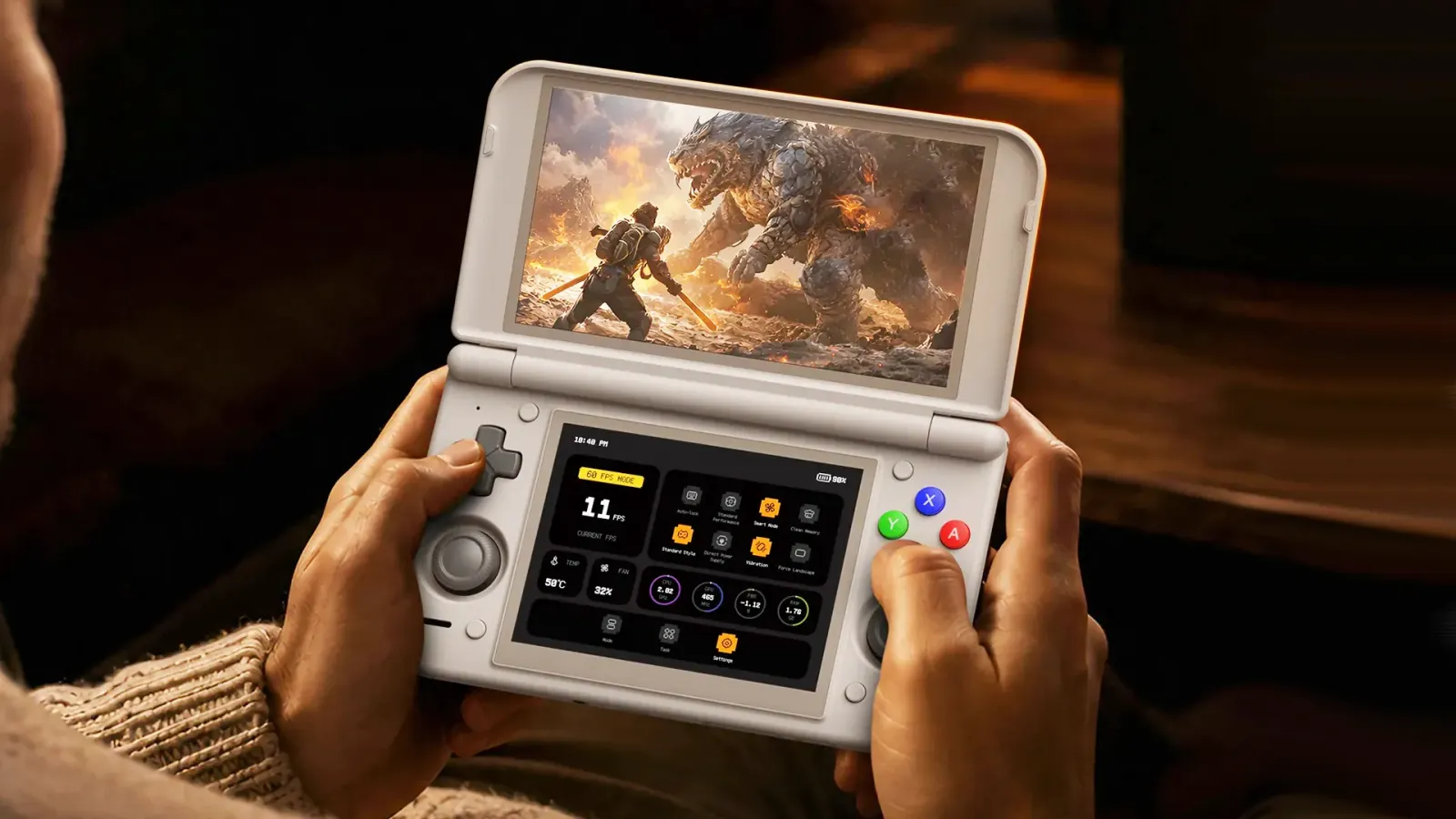
Critics argue that the strategy undermines trust. The core grievance centers on transparency: consumers question why specifications like an 8GB RAM configuration for the Lite chassis were not offered during the initial launch phase. If the manufacturer adjusted its plans based on consumer feedback, critics argue that the feedback loop must have occurred during or immediately after the initial announcement, raising questions about why the variant wasn’t incorporated into the primary launch strategy.
Furthermore, some users who purchased the initial baseline models reported that their devices had already entered the shipping phase by the time the Plus model was revealed, leaving them with little recourse to upgrade without canceling orders, absorbing potential restocking fees, or enduring further shipping delays.
Conversely, defenders of the move and market analysts point out that hardware choice ultimately benefits the consumer. The Duo Lite Plus offers an option for users who appreciate the slightly more compact aesthetic and design language of the Lite series but require additional memory headroom for multitasking and heavy emulation. At a retail price of $219, the device sits just $50 below the flagship Duo, prompting nuanced discussions regarding value proposition, display technology preferences (AMOLED versus TFT), and ergonomic differences, such as the Duo’s flared shoulder buttons versus the Lite’s more flush controls.
Official Justifications and Manufacturer Rationale
Retroid defended the expansion of the product line by attributing the decision directly to consumer feedback requesting higher memory configurations within the more accessible pricing tier. In hardware manufacturing, offering multiple RAM and storage configurations is a standard method for maximizing market penetration across different demographic segments—from budget-conscious hobbyists to performance-driven enthusiasts.
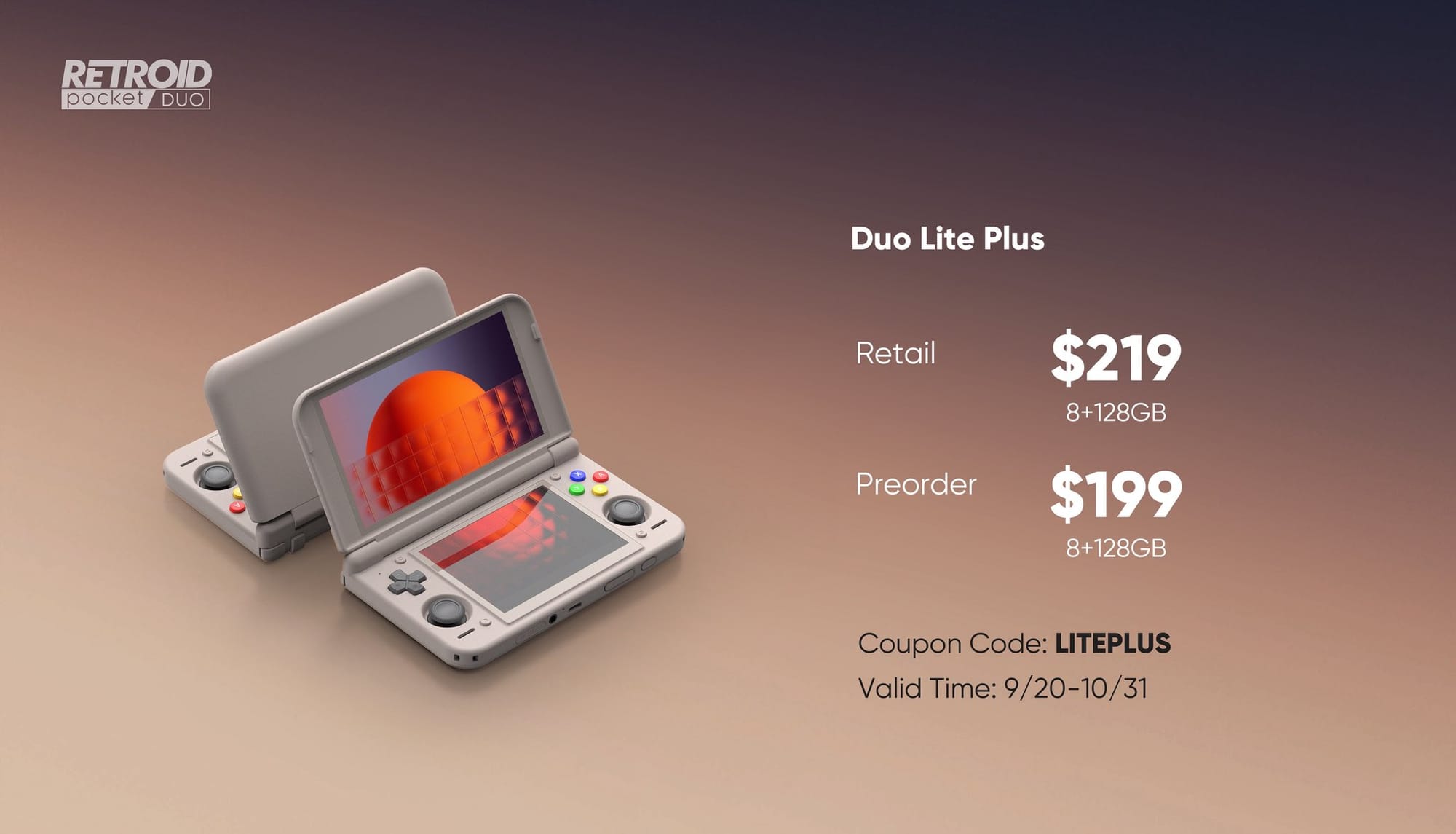
By integrating an 8GB RAM variant into the Lite lineup, Retroid aimed to capture users who desired the processing headroom of higher-tier devices without paying the full premium for the flagship Duo’s dual AMOLED screens. However, the communication surrounding this decision has drawn scrutiny. Observers note that clearer roadmaps or simultaneous announcements of all planned variants would mitigate the alienation of early supporters who feel penalized for purchasing on day one.
Broader Economic and Industry Implications
The Retroid Pocket Duo Lite Plus controversy reflects broader challenges within the independent retro handheld market. As devices become increasingly powerful—capable of running complex fifth- and sixth-generation console emulators, PC ports, and modern Android gaming—the hardware requirements continue to escalate. RAM and storage demands are growing rapidly, transforming devices that were once simple emulation boxes into sophisticated micro-consoles.
This technological escalation pressures manufacturers to constantly tweak specifications to remain competitive against rival brands such as Anbernic, Ayaneo, and AYN. In such a hyper-competitive environment, companies often rush products to market to capture early pre-order capital, sometimes resulting in fragmented product lineups and reactive release strategies.
For consumers, the incident serves as a reminder of the risks associated with early adoption in the niche tech sector. As manufacturers navigate the delicate balance between rapid innovation and consumer relations, transparency regarding future product pipelines will likely remain a central demand from a community that values both cutting-edge hardware and long-term brand trust.