 Vera Clarissa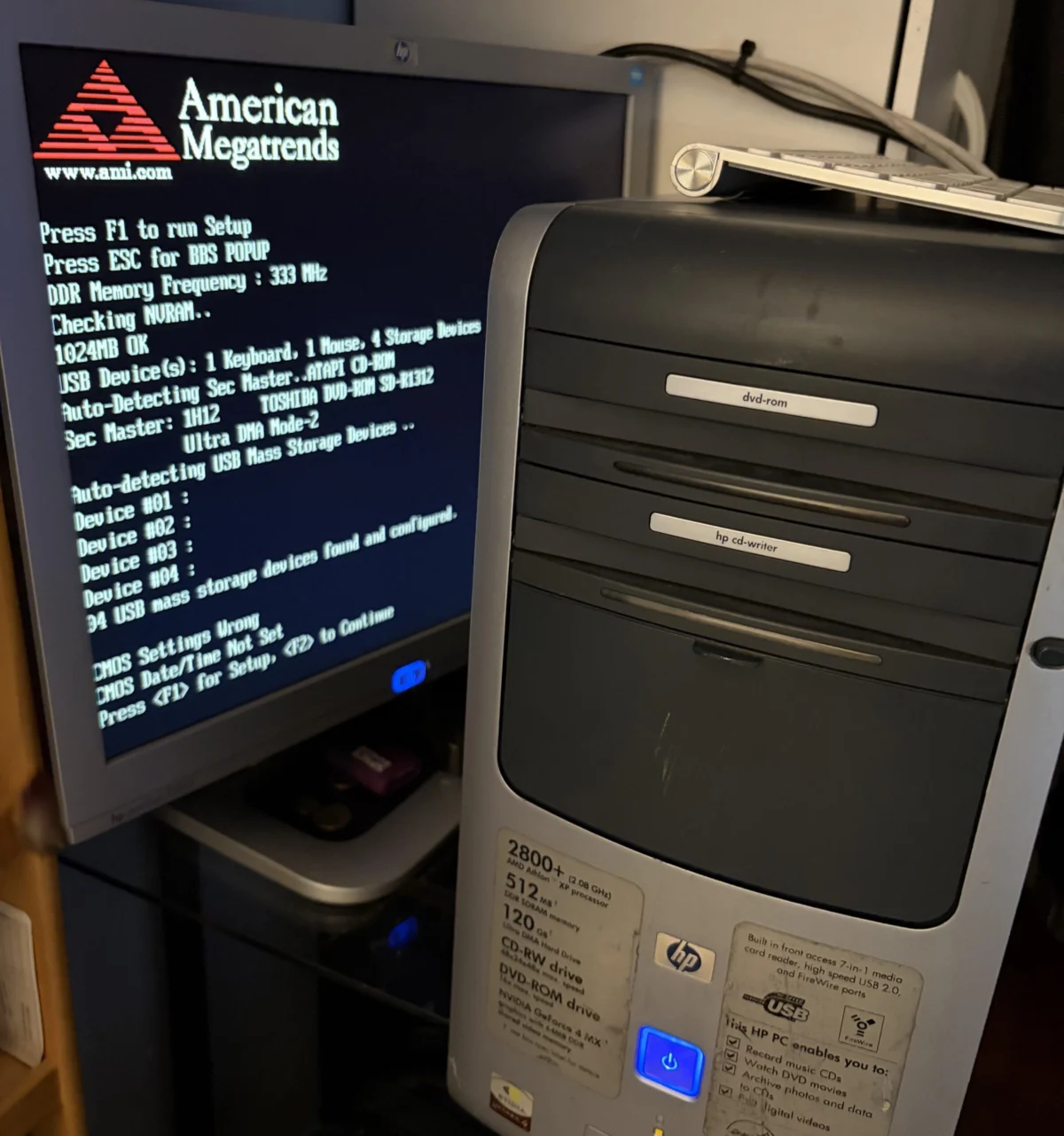
The Vintage Computer Festival (VCF) Midwest 2026 served as a pivotal venue for collectors and hobbyists to reconnect with the hardware that defined the early 2000s computing landscape. Among the various displays at the event, which took place in October, one particular discovery highlighted the enduring cultural and technical significance of the HP Pavilion home computer line. The acquisition and subsequent restoration of an HP Pavilion a320n by a visitor underscored a growing trend in the vintage technology community: the transition of "modern" consumer PCs from obsolete electronic waste to artifacts worthy of preservation and meticulous technical maintenance.

VCF Midwest, widely regarded as one of the most significant gatherings for computer history enthusiasts in North America, provides a platform for documenting the lifecycle of computing platforms. In 2026, the exhibition floors were densely packed with hardware ranging from 1970s mainframes to the aesthetic, silver-and-blue towers that dominated the domestic retail market during the mid-2000s. The discovery of a functional HP Pavilion a320n at the EcoTech vendor tables—a machine that mirrored the specifications and physical design language of the ubiquitous home desktops of 2003—offered a tangible case study in how these machines continue to perform as functional tools for legacy software and hardware diagnostics.

Chronology of the HP Pavilion Consumer Line
The HP Pavilion series, particularly the models released between 2002 and 2004, represented a significant shift in consumer electronics marketing. During this period, Hewlett-Packard, having solidified its market share through retail partnerships with major outlets like Best Buy, began to emphasize "aesthetic living" as a selling point. The machines were characterized by their signature gray matte finishes, rounded corner bezels, and the distinctive use of translucent, color-changing LED power indicators.

For many users who came of age during this period, these machines were the first point of entry into personal computing. The a420n and its slightly lower-spec sibling, the a320n, were staples in middle-class households. These units typically shipped with AMD Athlon XP processors, which were the standard for performance-oriented consumer desktops at the time. The transition from the "beige box" era to this more stylized design language marked the moment when computers ceased to be viewed merely as office equipment and began to be integrated into the home decor of living rooms and bedrooms.

The lifecycle of these specific models followed a predictable path: initial high-performance usage followed by a decline in reliability as capacitors and power supply units (PSUs) reached the end of their operational lifespan. By 2007, many of these units had been relegated to basements or recycling centers. The recent interest in restoring these machines is part of a broader "retro-computing" movement that seeks to preserve the software ecosystem of the Windows XP era, including early Adobe Flash-based applications and the specific interface design paradigms that preceded the modern flat-design aesthetic.

Technical Specifications and Restoration Challenges
The restoration process of an HP Pavilion a320n involves addressing the inherent limitations of proprietary OEM motherboards. The unit acquired at VCF Midwest 2026 features an ASUS A7N8X-LA motherboard, a common component in that era’s HP configurations. Unlike standard retail motherboards, these OEM boards often present unique challenges regarding BIOS limitations and driver compatibility.

Restoration data from the project reveals the following technical specifications for the recovered a320n unit:

- CPU: AMD Athlon XP 2800+ (2.08 GHz)
- Memory: 2 GB DDR PC-2700 (upgraded from the original 512 MB configuration)
- GPU: Nvidia GeForce 4 MX (64 MB)
- Storage: 80 GB IDE HDD (temporary configuration)
- Operating System: Windows Embedded POSReady 2009
The choice of Windows POSReady 2009 is a common workaround among vintage enthusiasts. Based on the Windows XP kernel, this embedded operating system received security updates until 2019, providing a slightly more stable and secure environment for running legacy software than the original retail version of Windows XP Home Edition.

Hardware maintenance for these machines is notoriously difficult due to the "musical chairs" nature of legacy RAM and the fragility of aging IDE (Integrated Drive Electronics) interfaces. During the restoration, the primary 250 GB hard drive failed immediately upon transit from the festival, a common occurrence for mechanical drives that have remained static for over two decades. The project owner noted that while IDE-to-SATA adapters are available, they remain hit-or-miss in terms of compatibility with specific 2003-era BIOS firmware, necessitating the use of older, reliable mechanical drives or specialized PCI-to-SATA controller cards.

Broader Implications for Legacy Computing
The preservation of machines like the HP Pavilion a320n is not merely a nostalgic exercise; it has practical utility for the broader computing community. These towers are often used to host legacy peripheral hardware—such as parallel-port printers or AGP-based graphics cards—that are no longer supported by modern operating systems.

Furthermore, the HP Pavilion a320n serves as a vital bridge for owners of PowerPC-era Macintosh computers. Because these PCs share the same general era of AGP (Accelerated Graphics Port) technology, they are frequently utilized as "flash machines." Enthusiasts use them to run the specific Windows-based flashing utilities required to update the firmware on legacy graphics cards, allowing those cards to be transplanted into older Power Mac G4 or G5 systems.

Experts in the vintage computing field note that the "professional-consumer" aesthetic of the early 2000s is undergoing a critical period of evaluation. As the original plastics begin to yellow and the internal components fail, the urgency to document these systems grows. Unlike the 1980s 8-bit computers, which had simpler, more robust circuit boards, the complex multi-layer boards of the early 2000s are harder to repair at the component level.

Community and Expert Perspectives
Collectors who attended VCF Midwest 2026 observed that the "HP Pavilion experience" was a unifying factor for a specific generation of users. Unlike the more niche hobbyist machines of the 1970s, the HP Pavilion represented a mass-market cultural touchstone. The ability to walk into a store like Ikea or Best Buy in 2003 and see these machines on display created a shared visual memory that transcends regional borders.

Technicians at the event highlighted that the stability of these systems, while impressive for their time, was often tied to the specific "bloatware" and driver packages bundled by HP. Rebuilding these systems to a state that is both authentic to the 2003 experience and functional for modern, offline tasks requires a delicate balance. The current consensus among restorers is that replacing failing electrolytic capacitors—a known weakness in mid-2000s motherboards—is the single most important step in ensuring the longevity of these machines.

Future Outlook
As the vintage computing market continues to mature, the focus is shifting from simple acquisition to "operational preservation." The restoration of the a320n at VCF Midwest 2026 serves as a template for how this can be achieved. By integrating modern storage solutions via PCI expansion cards and carefully selecting legacy-compatible operating systems, hobbyists are ensuring that these machines remain part of the active computing landscape for the foreseeable future.

The goal for many in this community is to maintain a "minimalist-maximalist" balance: preserving the external character and the "Luna" interface theme of the Windows XP era while cautiously introducing modern hardware enhancements where necessary. As these computers approach their 25th anniversary, they are transitioning from "old technology" to "historical infrastructure," cementing their place in the lineage of the personal computer. Whether used for gaming, document archival, or as a secondary tool for flashing legacy Mac components, the HP Pavilion a320n remains a testament to an era of rapid design evolution that continues to resonate with users today.