 Cecilia Chamidah Nur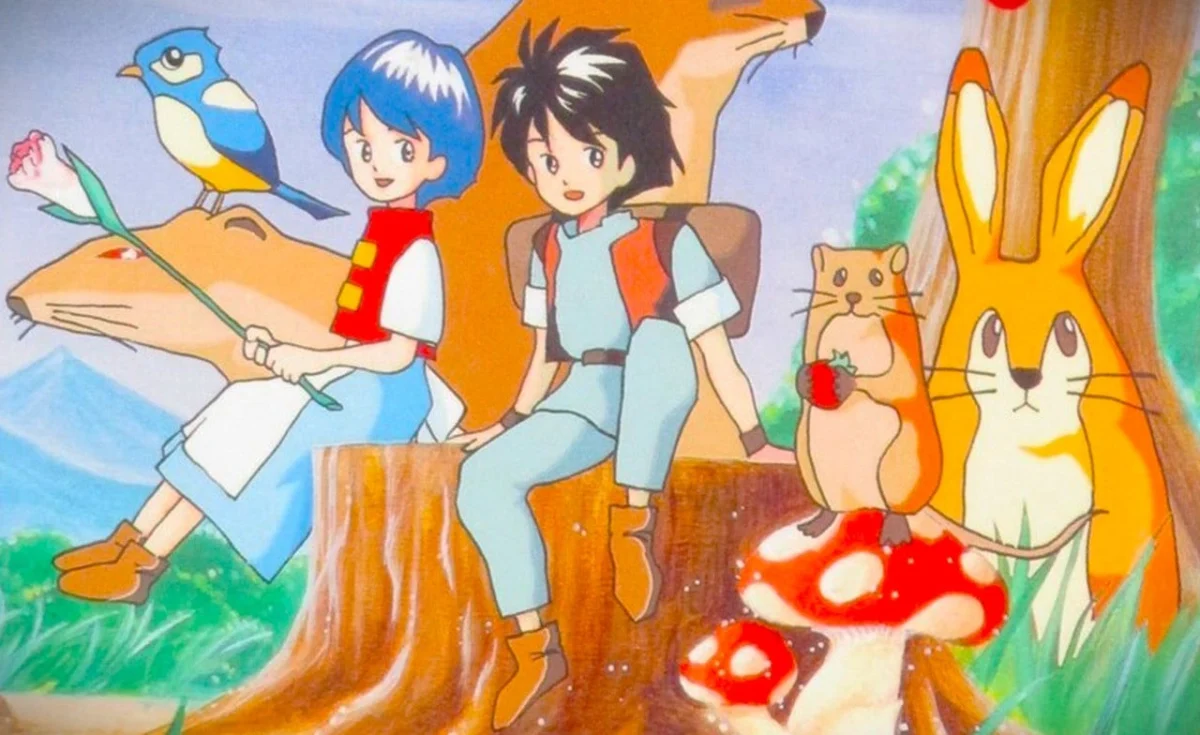
The Console Archives series, managed by Hamster Corporation, has reached a significant milestone in its multi-year effort to digitize and distribute classic video game titles to modern platforms, including the PlayStation 5 and Nintendo Switch 2. The latest addition to this digital library is Sunsoft’s 1988 Famicom adventure title, Ripple Island. While the release continues the series’ mandate of comprehensive historical preservation, it has prompted a broader industry discussion regarding the criteria for selection, the necessity of localization for non-Japanese markets, and the value proposition for consumers in an increasingly crowded retro-gaming landscape.
A Historical Overview of Ripple Island
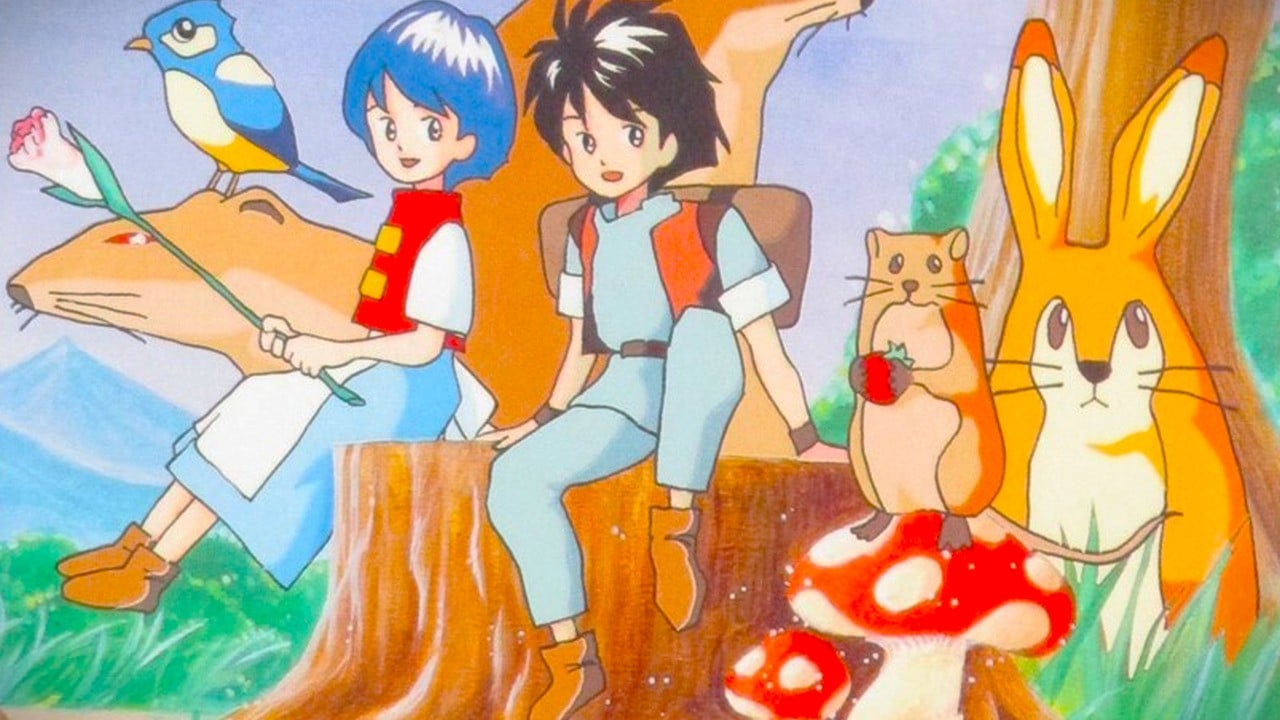
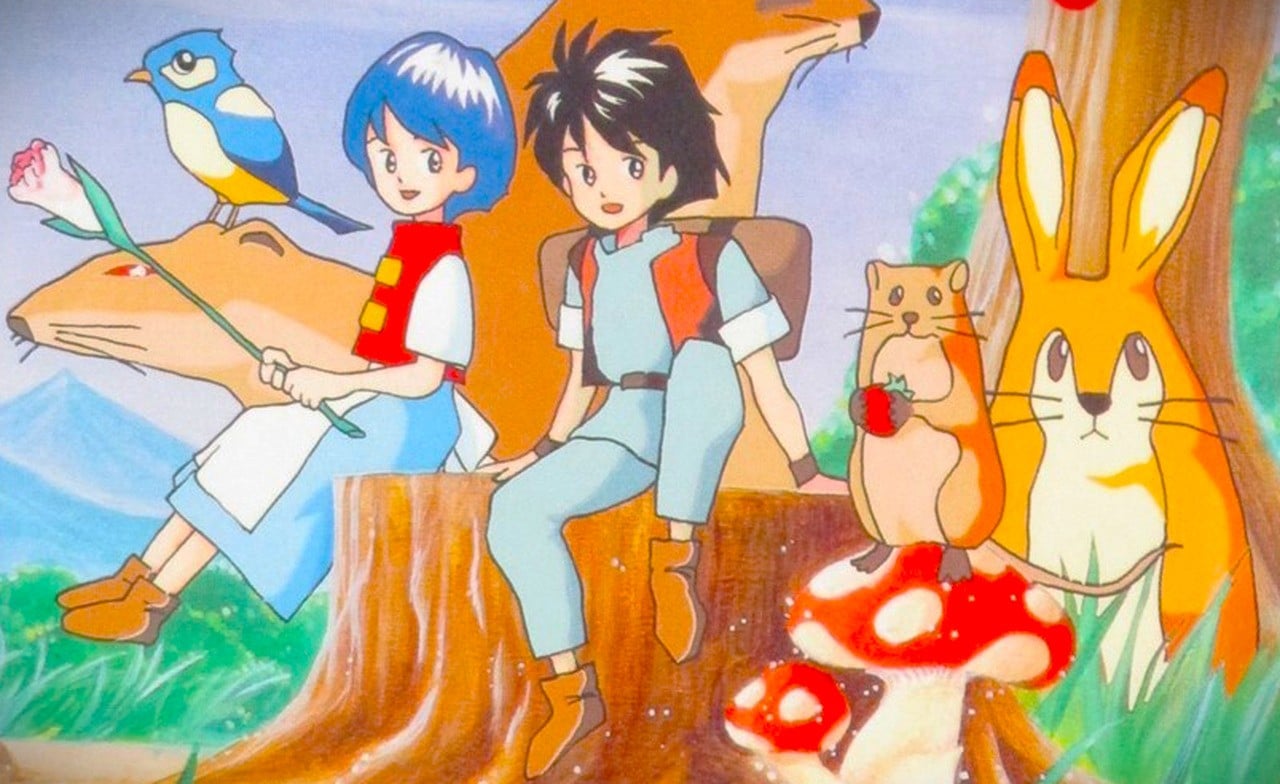
Ripple Island, originally developed and published by Sunsoft, represents a specific era of Japanese console gaming characterized by icon-driven adventure mechanics. Players assume the role of Kyle, a young protagonist tasked with navigating a series of static, picture-book-style environments to rescue Princess Nasarell from the antagonist, Emperor Groaker. The gameplay loop relies on a limited command set—Look, Hit, Take, Enter, and Push—which necessitates logical progression through various narrative nodes.
The title is notable not only for its distinct aesthetic, which mirrored the popular Japanese visual novel tropes of the late 1980s but also for its enduring legacy within Sunsoft’s internal catalog. The characters Kyle and Cal, who serves as the player’s companion throughout the quest, maintained enough brand equity for Sunsoft to revisit the intellectual property decades later. In 2025, the studio released a spiritual successor titled Ripple Island: Kyle and Cal’s Restaurant, which pivoted away from the original adventure format toward a cooperative simulation style reminiscent of the Overcooked series.
Chronology of the Console Archives Strategy
The Console Archives project is built upon the foundational work established by Hamster’s long-running Arcade Archives series. Since its inception, the initiative has focused on the direct emulation of original software, emphasizing "untouched authenticity." This philosophy requires that the code, graphical assets, and sound output remain identical to the original hardware specifications, with minimal alterations beyond standard quality-of-life additions like save states and remappable controls.
However, the rapid expansion of the catalog has led to a noticeable shift in the release cadence. Throughout 2026, the series has faced criticism regarding the perceived quality and accessibility of its weekly drops. For instance, the release of the NES port of Karate Champ was met with tepid reception due to its dated control schemes and technical limitations. Similarly, the recent inclusion of the PlayStation 1 role-playing game Rhapsody II: Ballad of the Little Princess highlighted a persistent issue: the release of Japanese-only versions of games that have already received high-quality, localized, and remastered treatments on other storefronts, such as Steam.
Data and Market Analysis
When evaluating the viability of these releases, the primary concern for consumers is the price-to-value ratio. At a standard retail price point of $8.00 per title, the release of an unlocalized 1988 adventure game faces stiff competition from modern retro collections. The Sunsoft is Back! collection, released recently on the Nintendo Switch eShop, included Ripple Island as part of a multi-game bundle that featured full English localization. By isolating Ripple Island for the Console Archives without providing the translated assets from the existing collection, Hamster has created a scenario where the digital storefront offers two versions of the same game—one accessible to a global audience and one locked behind language barriers—at a similar or higher effective cost.
The following timeline illustrates the discrepancy in availability:
- 1988: Original release of Ripple Island on the Famicom.
- 2024: Announcement of the "Sunsoft is Back!" initiative, focusing on bringing classic titles to modern audiences.
- 2025: Release of the localized "Sunsoft is Back!" collection, including Ripple Island with English language support.
- 2026 (August): Release of Rhapsody II: Ballad of the Little Princess via Console Archives (Japanese-only).
- 2026 (September): Release of Karate Champ via Console Archives.
- 2026 (September): Release of Ripple Island via Console Archives (Japanese-only).
Industry Implications of Digital Preservation
The objective of game preservation is often viewed through two lenses: the "archival" approach and the "consumer" approach. The archival approach, championed by entities like Hamster, prioritizes the bit-perfect reproduction of software as it existed at the time of its initial release. This is crucial for historians and researchers who require data integrity to understand the technical constraints and design philosophies of the era.
However, the consumer approach demands that commercial releases provide a playable, accessible experience for the modern user. When these two goals collide, the lack of localization becomes a point of friction. In the globalized gaming market of 2026, the omission of language support—especially when that support has already been developed for other releases—is viewed by many as a missed opportunity to broaden the reach of these titles.
Market analysts suggest that while the niche audience for "raw" emulation remains consistent, the sustainability of the Console Archives model depends on the effective curation of the remaining library. Releasing titles that have been superseded by enhanced, localized versions elsewhere creates a "redundancy tax" on the consumer. If the objective is to maintain a comprehensive library of console history, observers argue that the integration of community-made patches or existing official translations should be a priority rather than a secondary consideration.
Future Outlook and Official Stance
While Hamster Corporation has not issued a formal statement regarding their specific selection process, the company’s history suggests a preference for high-volume, consistent output over the curation of "best-in-class" experiences. The consistency of the weekly release schedule is a key performance indicator for the platform, ensuring that the storefront remains active and top-of-mind for users.
Nevertheless, the frustration expressed by the gaming community underscores a growing demand for more transparent communication regarding the scope of these releases. Players are increasingly looking for a hybrid model: the preservation of the original experience as an option, alongside modernized, localized, and enhanced versions that cater to contemporary playstyles.
As the Console Archives continues to grow, the challenge for the developers will be balancing the preservationist ideal with the practicalities of the digital marketplace. For titles like Ripple Island, which possess a charming, if dated, historical significance, the current release model serves the archival purpose effectively but leaves the consumer-facing value proposition in a state of ambiguity. Whether Hamster will adapt its strategy to include localized variants in future Console Archives entries remains a critical question for the remainder of the fiscal year. The goal for any digital preservation effort should be to ensure that these titles are not only saved from obsolescence but are also placed into the hands of a new generation of players who can appreciate the context and history they provide.