 Ganda Hendra Perkasa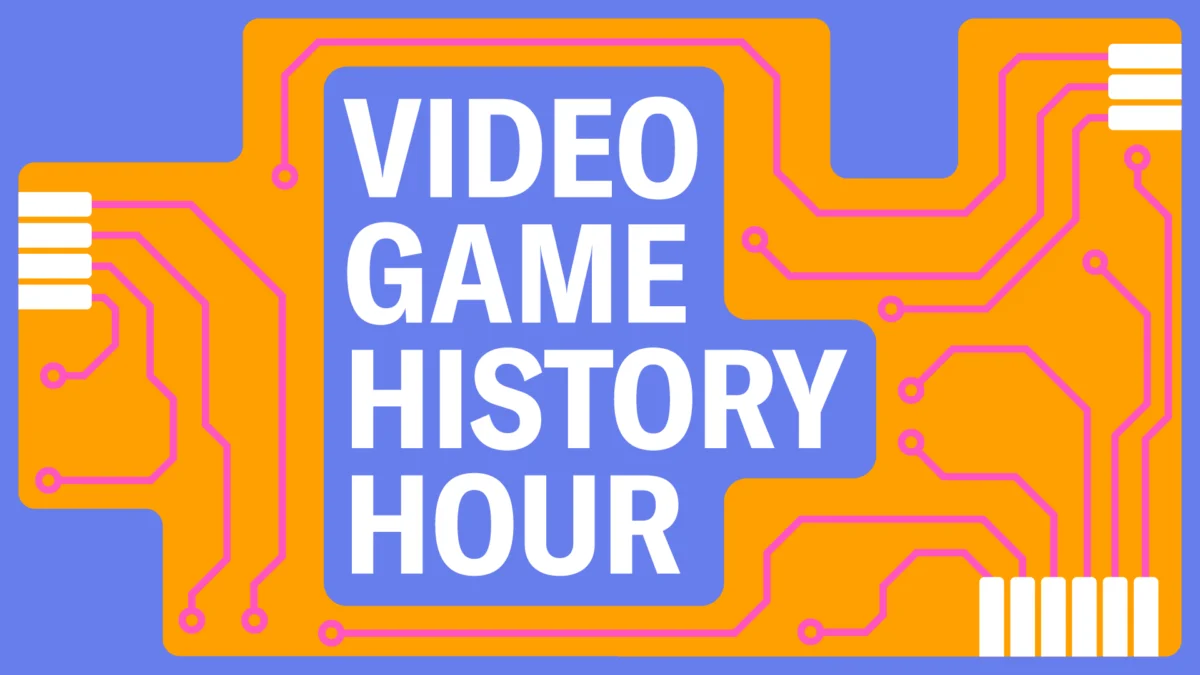
The modern video game industry moves at an unprecedented pace, with live-service updates, digital-only releases, and massive internal development databases frequently risking total loss due to technological obsolescence. Addressing this critical challenge, the latest installment of the Video Game History Hour podcast brings together industry experts to examine how major studios safeguard their interactive heritage. In Episode 161 of the program, Library Director Phil Salvador sits down with Leah Williams, Senior Digital Archivist at Blizzard Entertainment, for an in-depth conversation regarding the intricate, specialized work required to preserve contemporary video game history.
The episode, now publicly available across major podcast platforms and the Video Game History Foundation website, highlights a growing professional discipline within the gaming sector: corporate digital preservation. While historical preservation efforts historically focused on rescuing cartridges and floppy disks from decades past, archivists like Williams face the daunting task of capturing terabytes of transient source code, design documentation, server architectures, and rapid iteration builds generated during the development of massive multiplayer titles and modern blockbusters.
The Evolution of Corporate Video Game Archiving
To understand the magnitude of Williams’s role at Blizzard Entertainment, one must examine the broader evolution of how the video game industry views its own output. For decades, software developers operated under a transient mindset. Once a game shipped, source code and development assets were frequently archived haphazardly on magnetic tapes, hard drives, or optical media without standardized metadata schemas. As companies merged, restructured, or downsized, countless historical assets vanished permanently.
In recent years, however, major studios have begun recognizing the intrinsic cultural, historical, and intellectual property value embedded in their development pipelines. Institutions such as the Video Game History Foundation have spearheaded advocacy efforts to bridge the gap between commercial entities and academic preservationists. Within this shifting landscape, dedicated internal archivists like Williams serve as the primary bridge between fast-paced contemporary game development and long-term institutional memory.
During the conversation with Salvador, Williams details the unique methodologies required to catalog and store modern digital artifacts. Unlike physical preservation, which relies heavily on climate-controlled storage and gentle handling, digital preservation demands active intervention—including data migration, emulation development, and the establishment of robust digital asset management systems capable of surviving future operating system and hardware shifts.
Chronology of the Collaboration and Industry Context
The release of Episode 161 aligns with a broader industry push toward greater historical transparency. Over the past five years, major publishers have increasingly opened their vaults for anniversary documentaries, retrospective museum exhibits, and digital showcases. A notable benchmark in this movement is highlighted in the episode’s show notes, referencing the YouTube feature Blizzard: The Next Chapter, which explores the studio’s evolution and enduring legacy during its landmark 35th-year milestone timeline.
As Blizzard Entertainment evolved from a small Silicon Valley startup into a titan of the personal computer gaming industry—responsible for defining franchises such as Warcraft, Diablo, Starcraft, and Overwatch—the volume of its internal documentation expanded exponentially. The timeline of the studio’s archival department reflects a broader industry realization that preserving a modern live-service game requires capturing not just the final product sold to consumers, but the continuous stream of patches, expansions, and community-driven content iterations that define the player experience.
Supporting Data and the Scale of Modern Data Preservation
The scale of modern video game archiving presents unprecedented logistical challenges. Industry data indicates that the storage footprint of a single AAA game development cycle can easily exceed several petabytes of raw data when accounting for high-resolution texture source files, audio stems, motion capture data, and multiple engine iterations.
- Data Volume: A typical modern development studio generates terabytes of incremental code changes daily, necessitating automated backup and metadata tagging systems.
- Format Obsolescence: Proprietary file formats utilized by internal development tools often lack backward compatibility, requiring archivists to preserve both the assets and the software environments needed to render them.
- Institutional Access: Balancing corporate intellectual property security with academic and public research access remains a primary operational hurdle for enterprise archivists.
According to industry analysts, companies that invest in robust digital asset management systems significantly reduce the time and cost required to remaster legacy titles, develop anniversary content, and protect their corporate heritage against accidental loss. Williams’s work at Blizzard represents the cutting edge of this corporate responsibility, ensuring that the iterative creative processes behind some of the world’s most influential video games are not lost to digital decay.
Official Responses and Professional Perspectives
While formal corporate press releases rarely delve into the granular challenges of server-side data preservation, industry stakeholders have increasingly voiced support for archival initiatives. Representatives from cultural heritage organizations frequently emphasize that video games are complex cultural artifacts that require multidisciplinary preservation strategies, combining traditional archival science with computer engineering.
Observers note that conversations like the one between Salvador and Williams help demystify the internal workings of major game development studios. By shedding light on the daily responsibilities of a senior digital archivist, the podcast elevates public understanding of the technical hurdles involved in maintaining digital longevity. Professionals within the field have lauded the episode for providing actionable insights into how mid-to-large-scale developers can institutionalize archival practices before historical records become irretrievable.
Broader Impact and Implications for the Future of Interactive Media
The implications of Blizzard Entertainment’s archival efforts extend far beyond a single corporate entity. As regulatory bodies, libraries, and international cultural organizations grapple with the fragility of digital-first media, the methodologies discussed in Episode 161 serve as a potential blueprint for the entire technology sector.
Key implications of modern digital game archiving include:
- Enhanced Legal and Regulatory Compliance: Maintaining structured archives assists corporations in managing intellectual property portfolios and tracking component licensing over extended timeframes.
- Educational and Research Opportunities: As academic institutions increasingly incorporate video game studies into their curricula, access to authentic development histories provides researchers with invaluable empirical data.
- Cultural Continuity: Preserving the intermediate stages of game development ensures that future generations can study the artistic and technological evolution of interactive entertainment with the same analytical rigor applied to film, literature, and fine art.
Listeners interested in exploring these topics in greater depth can access the full interview through the Video Game History Foundation’s official platforms. The program is distributed bi-weekly on Wednesdays via Patreon, Spotify, and the primary foundation website, offering early access tiers for dedicated supporters of digital preservation initiatives. Further professional background on Leah Williams can be accessed through her professional profile on LinkedIn, while inquiries directed toward the foundation can be submitted via their official contact channels.