Ganda Hendra Perkasa
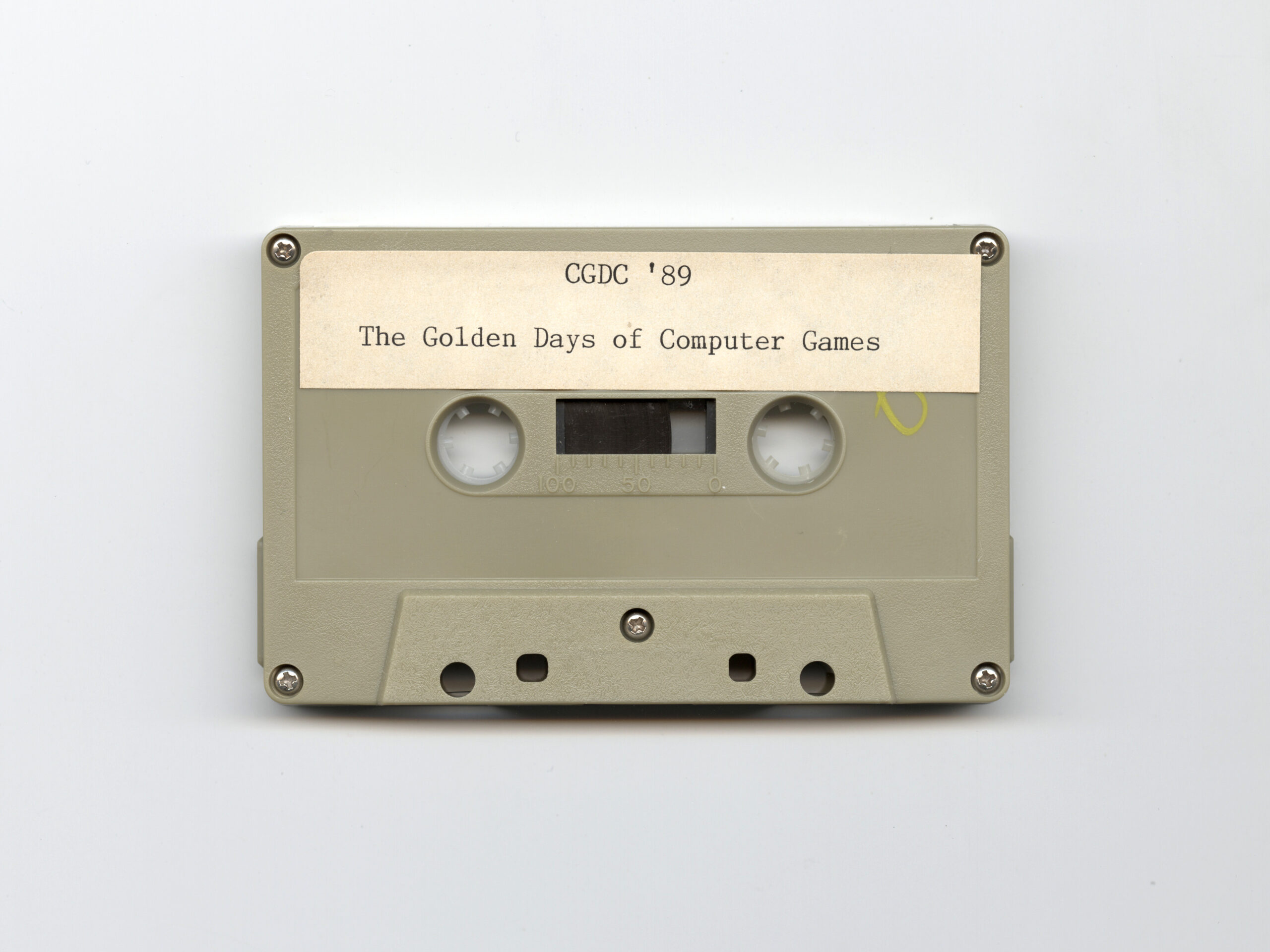
The digital landscape of video game history has been significantly enriched with the recent release of digitized audio recordings from the 1989 Computer Game Developers Conference (CGDC). While the industry recently convened for GDC 2026, the focus has shifted back to a pivotal moment nearly four decades prior, offering an unprecedented look into the nascent stages of computer game development. Nearly every lecture from the third-ever GDC event, held in May 1989 at the Sunnyvale Hilton Hotel, has been meticulously digitized and made available, thanks to a collaborative effort to preserve these historically significant artifacts. The survival of these audio tapes is remarkable in itself, but their content provides an even more compelling window into the computer game industry during a period of rapid, yet still intimate, growth.
The Genesis of a Conference: CGDC 1989 in Context
The Computer Game Developers Conference, now a cornerstone event for the global game development community, was a far more intimate affair in its early years. CGDC 1989, held in the spring of 1989, represented a crucial juncture in the evolution of the American computer game development scene. At this time, the industry was characterized by a close-knit community, with estimates suggesting an attendance of only around 300 individuals. This small, dedicated group comprised many pioneers and visionaries who would go on to define the future of interactive entertainment. The collegial atmosphere of the conference was so pronounced that speakers on the newly released recordings can be heard addressing attendees by name, a testament to the personal connections and shared passion that fueled the burgeoning industry.
The significance of CGDC 1989 is amplified by the caliber of its participants. A review of the speaker roster reveals a constellation of individuals who would become foundational figures in the history of video games. These recordings represent some of the earliest surviving audio documentation of thought leaders such as Danielle Bunten Berry, Bing Gordon, Chris Crawford, Richard Garriott, and Steve Cartwright, among many others. Their presence at the conference underscores its importance as a gathering place for the brightest minds shaping the computer game landscape.
A Glimpse into the Past: Key Talks and Themes
The newly released collection offers a diverse array of discussions, touching upon the creative, business, and technological challenges and triumphs of the era. Among the standout presentations are:
The Golden Days of Computer Games: Nostalgia and Early Industry Perspectives
This panel session, featuring luminaries like Dani Bunten, Steve Cartwright, Chris Crawford, Jon Freeman, and Richard Garriott, delves into what was already considered the "golden age" of computer games – the 1980s. The concept of nostalgia for a period that, in 1989, was mere years prior, highlights the rapid pace of innovation and the profound shifts occurring within the industry. Speakers reminisced about a time when developers often handled the packaging and distribution of their games personally, meticulously placing them in Ziploc bags, a stark contrast to the sophisticated publishing and distribution models that would soon emerge. This talk provides invaluable insight into the entrepreneurial spirit and the nascent understanding of the industry’s potential. The fact that these developers were already looking back with a sense of historical perspective demonstrates the accelerated evolution of the medium.
Movies and Games: Navigating the Licensed Property Landscape
The complexities of integrating intellectual property from other media into video games were a significant concern even in 1989. The panel "Movies and Games: Living with a License" brought together game producers to discuss the hurdles and opportunities associated with working with established brands. A particular point of interest from this session is the discussion surrounding the development of the Three Stooges computer game. The recordings also hint at industry gossip concerning ambitious, and perhaps tumultuous, licensed projects of the time, such as the Barbie game for the Commodore 64, indicating that the challenges of licensing were a shared experience and a topic of considerable discussion among developers. This underscores the early recognition of cross-media potential and the inherent difficulties in translating beloved characters and stories into interactive experiences.
The Press and Games: Shaping Public Perception
The relationship between game developers and the media was a critical element in the industry’s growth. The session titled "The Press and Games" featured a dialogue between an editor from Computer Gaming World and the public relations manager of Accolade. This discussion highlights the early strategic thinking developers were engaging in to manage public perception and build brand awareness. In 1989, as the computer game market expanded, understanding and influencing the press was seen as crucial for success, demonstrating a maturing business acumen within the development community. This conversation is particularly illuminating as it reveals the proactive efforts to foster a positive and informed public narrative around computer games.
Interactive Storytelling: The Evolution of Narrative in Games
Dave Albert of Electronic Arts presented on "Interactive Storytelling," a topic that continues to be a central focus in game design today. His talk began with a lecture on narrative principles and evolved into a dynamic, Socratic-style exchange with the audience. This interactive format allowed for a deeper exploration of how to craft compelling stories within the unique constraints and opportunities of computer games. The recordings reveal Albert engaging directly with audience members, including a notable interaction with someone named "Brenda." The article speculates, with a touch of historical context, that this could have been Brenda Laurel, a significant figure in interactive media, or potentially Brenda (Garno) Romero, another influential game designer. This exchange showcases the highly participatory and collaborative nature of GDC sessions, where the audience actively contributed to the discourse.
The Publishers’ Panel: Confronting the "Slump"
The final session of CGDC 1989, "The Publishers’ Panel," brought together executives from major American computer game companies to discuss the industry’s economic outlook. A significant theme that emerged was the perceived "slump" in the U.S. computer game market. The recordings capture a particularly fiery exchange where Trip Hawkins, a prominent figure in the industry, vocally expressed his dissatisfaction with Nintendo’s restrictive "closed ecosystem" practices for its console, predicting that the Nintendo Entertainment System’s dominance would not last indefinitely. This discussion provides critical context for understanding the strategic decisions and competitive pressures that shaped the industry’s trajectory in the late 1980s and early 1990s, particularly the tension between PC-based development and the burgeoning console market.
Preservation Efforts and Community Support
The digitization of these historical recordings was a significant undertaking, involving manual dubbing by GDC co-founder Tim Brengle, who, according to the archive’s notes, performed this task himself at the time of the event. The project received invaluable support from the Department of Special Collections at Stanford University Libraries. The library provided access to a copy of the CGDC 1989 program from the Steve Meretzky papers, which served as a crucial reference for cataloging the collection.
The Game Developers Conference has granted permission for these recordings to be shared, and they are now freely accessible as part of a growing digital library dedicated to video game history research materials. The preservation and accessibility of such resources are vital for understanding the evolution of the medium. Projects like this are often reliant on community support, and the organizers note that their investment in new audio digitization equipment for this initiative will benefit future preservation efforts.
The Enduring Legacy of Early Game Development
While the collection is believed to be missing only two talks from CGDC 1989, and the recording status of 22 roundtable discussions—including one featuring counterculture icon Timothy Leary—remains uncertain, the current archive represents an invaluable historical resource. These digitized recordings offer the closest possible experience to being present at the Sunnyvale Hilton in 1989, surrounded by approximately 300 game designers who were actively laying the groundwork for the industry as we know it today. The insights gleaned from these sessions are not merely historical curiosities; they provide a foundational understanding of the challenges, innovations, and collaborative spirit that propelled video game development from a niche hobby into a global cultural and economic powerhouse. The impact of these early conferences, and the discussions held within them, continues to resonate, shaping the decisions and creative endeavors of developers worldwide.