Ganda Hendra Perkasa
The recent conclusion of the 2026 Game Developers Conference (GDC) has illuminated the present and future of interactive entertainment, but a significant historical revelation is now drawing attention to the industry’s nascent past. The preservation and digitization of nearly all lecture recordings from the 1989 Computer Game Developers’ Conference (CGDC), held at the Sunnyvale Hilton Hotel, offers an unprecedented glimpse into the foundational years of computer game development. This monumental release, made available through a newly established collection, bridges a nearly four-decade gap, allowing enthusiasts, historians, and industry professionals to engage directly with the pioneers who shaped the digital frontier.
A Tantalizing Glimpse into a Tightly-Knit Community
The significance of the CGDC 1989 recordings extends beyond mere archival value; they provide a vivid snapshot of an industry on the cusp of explosive growth, characterized by a remarkably intimate and collaborative community. Estimates suggest that the 1989 conference attracted a modest crowd of around 300 attendees. This small scale fostered an environment where personal connections were paramount, a sentiment audibly present in the recordings. Speakers frequently address audience members by name, a testament to the close-knit nature of the early American computer game development scene. This personal touch underscores the collaborative spirit that fueled innovation during a period when the industry was still finding its footing.
The tapes, manually dubbed by GDC co-founder Tim Brengle, have miraculously survived decades, a feat in itself. Their existence is particularly poignant given the nascent state of the computer game industry in 1989. Personal computers were still evolving from niche hobbyist tools to mainstream entertainment devices. Game development was often a solitary pursuit or undertaken by small, dedicated teams operating with limited resources. The very act of organizing a conference for these developers was a pioneering effort, reflecting a growing recognition of a shared craft and the need for a dedicated forum for knowledge exchange and networking.
Luminaries of the Early Industry Take Center Stage
The roster of speakers featured at CGDC 1989 reads like a who’s who of the nascent computer game industry. These individuals, many of whom would go on to become titans of the field, were at the forefront of technological and creative exploration. The newly released recordings offer some of the earliest surviving audio documentation of their insights, strategies, and visions. Among the luminaries captured on these tapes are:
- Danielle Bunten Berry: A groundbreaking designer known for influential titles like The Seven Cities of Gold and M.U.L.E. Her contributions to game design, particularly in areas of simulation and multiplayer interaction, were revolutionary for their time.
- Bing Gordon: A pivotal figure in the evolution of the interactive entertainment industry, Gordon would later become a key executive at Electronic Arts, shaping the company’s growth and strategy. His early perspectives on the market and development were undoubtedly influential.
- Chris Crawford: A prolific game designer and theorist, Crawford was a vocal advocate for the artistic potential of computer games. His seminal work and public pronouncements often pushed the boundaries of how games were conceived and discussed.
- Richard Garriott: Famously known as "Lord British," Garriott is the creator of the Ultima series, a cornerstone of the role-playing game genre. His insights into world-building and emergent gameplay were instrumental in defining the RPG landscape.
- Steve Cartwright: A prolific developer and designer, Cartwright’s career spanned numerous successful titles and platforms, contributing to the diversification of game genres and player experiences.
The presence of these and other influential figures underscores the academic and professional importance of the 1989 CGDC. The discussions held within the Sunnyvale Hilton were not merely casual conversations; they were formative exchanges that would ripple through the industry for years to come, influencing design philosophies, business strategies, and technological advancements.
A Chronology of Innovation: Key Talks Unveiled
The collection of digitized talks offers a rich tapestry of insights into the challenges and triumphs of early game development. Several standout sessions provide unique perspectives on the industry’s burgeoning landscape:
The Golden Days of Computer Games: A Nostalgic Reflection
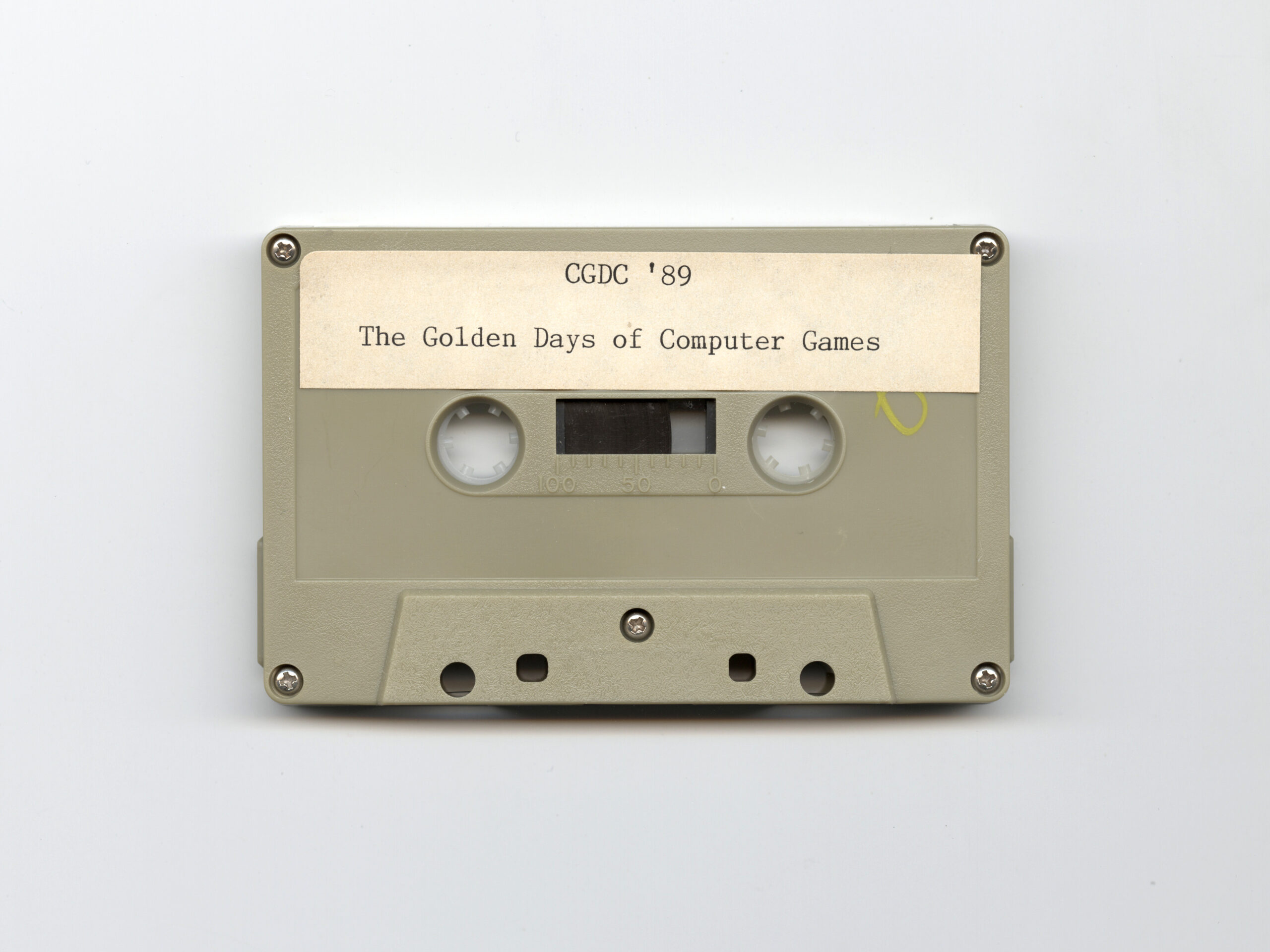
This panel, featuring a remarkable assembly of developers including Dani Bunten, Steve Cartwright, Chris Crawford, Jon Freeman, and Richard Garriott, delves into the "good old days" – a period that, even in 1989, referred back to the early 1980s. The speakers reminisce about a time when game development was a more hands-on, even artisanal, process, with developers often packaging their own games in Ziploc bags. This discussion highlights the rapid evolution of the industry and the nascent sense of nostalgia already forming within the community, even as the full potential of computer gaming as a major industry was still being realized. The contrast between the perceived simplicity of the past and the burgeoning complexity of the present is a recurring theme, offering a valuable historical perspective on the industry’s growth trajectory.
Movies and Games: Navigating the Licensed Property Landscape
The panel on "Movies and Games: Living with a License" brings together game producers to discuss the intricate challenges and exciting opportunities inherent in adapting intellectual property from other media. The conversation provides a behind-the-scenes look at the development of the Three Stooges computer game and offers glimpses into industry gossip surrounding notoriously difficult licensed projects, such as the Barbie game for the Commodore 64. This session is particularly valuable for understanding the early struggles and strategies involved in the burgeoning cross-media synergy that continues to define entertainment today. It reveals a proactive engagement with external brands and a recognition of the market potential in established franchises.
The Press and Games: A Publisher-Media Dialogue
In "The Press and Games," a unique collaboration between an editor from Computer Gaming World and the public relations manager of Accolade, the evolving relationship between game publishers and the media is explored. This dialogue is significant because it demonstrates that even in 1989, developers and publishers were keenly aware of the crucial role the press played in shaping public perception and market success. The discussions likely touched upon early strategies for marketing, review processes, and the symbiotic, sometimes contentious, relationship that has always characterized the interaction between creators and critics in the gaming world.
Interactive Storytelling: Pioneering Narrative Design
Dave Albert’s presentation on "Interactive Storytelling" at Electronic Arts begins as a lecture on narrative principles but quickly transitions into a dynamic, Socratic exchange with the audience. This format reflects a forward-thinking approach to audience engagement and the exploration of interactive narratives. The recording offers a fascinating insight into the early development of narrative design in games, a field that has become increasingly sophisticated. The mention of Albert addressing "Brenda" in the audience, potentially Brenda Laurel or Brenda (Garno) Romero, further highlights the interconnectedness of the development community and the presence of influential women in the early industry.
The Publishers’ Panel: Navigating Market Slumps and Console Dominance
The closing session, "The Publishers’ Panel," features executives from major American computer game companies discussing the industry from their vantage point. A central theme is the perceived "slump" in the US computer game market. This panel is particularly notable for a fiery commentary from Trip Hawkins, a co-founder of Electronic Arts. Hawkins expresses his strong disapproval of Nintendo’s closed ecosystem practices and predicts the eventual decline of the NES’s dominance. This candid discussion offers invaluable insight into the business strategies, market anxieties, and competitive landscape that characterized the late 1980s, and foreshadows the ongoing debates about platform control and market access.
Missing Pieces and Untapped Potential
While the collection is remarkably comprehensive, it is understood that two talks from CGDC 1989 may be missing, with no certainty of whether they were ever recorded. Furthermore, 22 roundtable discussions, including one reportedly featuring counterculture icon Timothy Leary, are believed not to have been preserved. The absence of these recordings leaves a tantalizing void, hinting at further undocumented discussions and exchanges that could enrich our understanding of this pivotal era. Nevertheless, the available recordings provide an unparalleled opportunity to immerse oneself in the atmosphere of the Sunnyvale Hilton alongside the pioneering game designers who were actively shaping their craft.
Archival Foundations and Collaborative Support
The successful digitization and cataloging of this significant collection were made possible through the dedicated efforts of the Game Developers Conference and the invaluable assistance of external institutions. A crucial resource was a copy of the CGDC 1989 program provided by the Department of Special Collections at Stanford University Libraries, housed within the Steve Meretzky papers. This program served as an essential reference for identifying missing talks and understanding the full scope of the conference agenda.
Special commendation is due to GDC co-founder Tim Brengle, whose personal dedication to manually dubbing these cassette tapes over three decades ago has preserved this invaluable historical record. His foresight and effort, though recognized nearly 40 years later, are instrumental in making these recordings accessible today.
Ensuring Accessibility and Future Preservation
These newly released recordings are available free of charge as part of an expanding digital library of video game history research materials. This initiative, hosted on archive.gamehistory.org, aims to democratize access to historical documents and media, fostering greater engagement with the evolution of interactive entertainment. Projects of this nature are critically dependent on public support, enabling investments in specialized equipment, such as the new audio digitization technology acquired for this endeavor. This equipment will continue to be utilized for future preservation projects, ensuring that more historical artifacts of the gaming world can be safeguarded and shared with a global audience. The ongoing commitment to archiving and disseminating this history is vital for understanding the foundations upon which the modern video game industry is built.