Ganda Hendra Perkasa
In a significant development for game preservation and digital rights advocacy, the Video Game History Foundation (VGHF) has announced a crucial victory against what appears to be a coordinated copyright trolling operation targeting the obscure 1999 computer game, Cookie’s Bustle. The VGHF, a non-profit dedicated to archiving and preserving video game history, has successfully challenged a series of Digital Millennium Copyright Act (DMCA) takedown notices issued by an entity known as Graceware, SL, reportedly acting on behalf of an individual named Brandon White. This prolonged dispute has highlighted significant vulnerabilities within the DMCA framework and the broader challenges of managing intellectual property for older, out-of-print digital works.
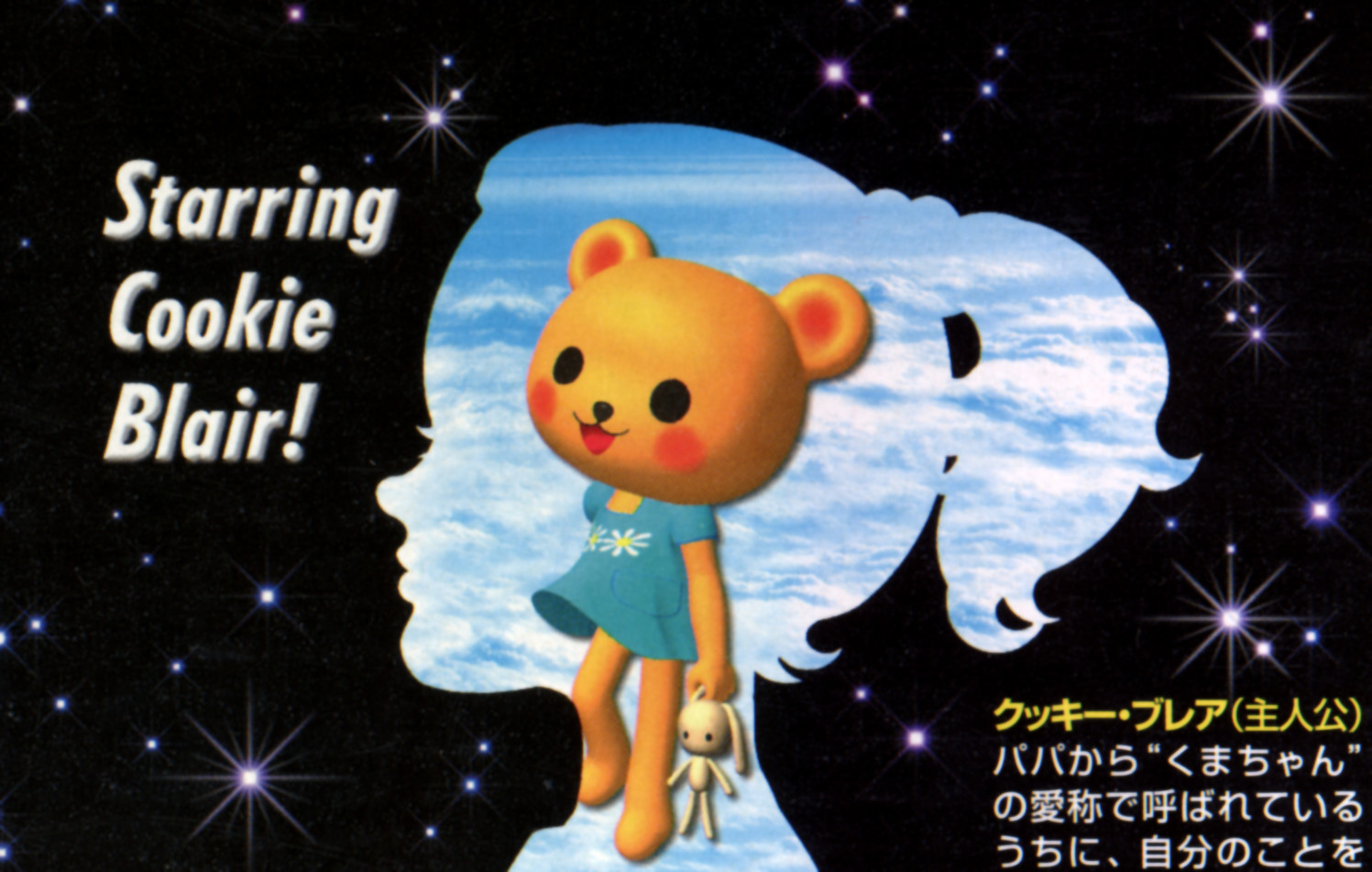
The peculiar case of Cookie’s Bustle gained prominence due to its genre-defying narrative, which defies easy categorization. The game, developed by Japanese studio Rodik, Inc., places players in the shoes of a five-year-old girl from New Jersey who finds herself embroiled in an international sports competition that devolves into civil war and intergalactic intrigue. This unique premise, combined with its limited release and subsequent obscurity, has fostered a dedicated cult following in recent years.
A Rare Acquisition and a Preservation Effort
The VGHF acquired a rare physical copy of Cookie’s Bustle several years ago through a donation from multimedia researcher Misty De Méo. Recognizing the game’s artistic merit and historical significance, the foundation sought to preserve it for research purposes. However, due to the game’s out-of-print status and the complexities surrounding its intellectual property rights, the VGHF has been unable to provide direct access to the game files themselves, adhering to copyright law. Instead, they have meticulously documented the game’s packaging and physical materials, making them available in their digital archive. Additionally, a gameplay demonstration video, recorded by community member sebmal, has been provided to offer researchers insights into the game’s mechanics and presentation.
The Copyright Troll Controversy
The VGHF’s efforts to preserve and document Cookie’s Bustle were met with an aggressive campaign of DMCA takedown notices originating from Graceware, SL, and reportedly linked to Brandon White. These notices, funneled through the trade association Ukie (the Association for UK Interactive Entertainment), targeted various forms of content related to the game, including fan art, Let’s Play videos, and even archival descriptions of the game itself. The VGHF asserts that these takedown requests were frivolous and lacked a legal basis.
A Deep Dive into Ownership Claims
The VGHF, in consultation with their legal counsel Albert Sellars LLP, undertook an extensive investigation into Graceware’s claims of ownership over Cookie’s Bustle. Their findings reveal a pattern of questionable legal tactics and a lack of verifiable proof of ownership.
The Mysterious Brandon White and Graceware, SL
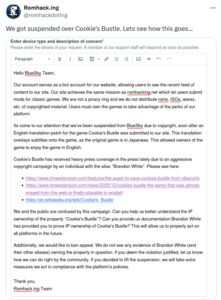
The primary claimant, Brandon White, has operated under both his personal name and the corporate entity Graceware, SL. While some filings suggest a Japanese base for White, business information for Graceware, SL points to a potentially fabricated address in Andorra. Graceware itself appears to have no discernible online or offline presence, leading the VGHF to conclude it is likely a shell company. The VGHF notes that the original publisher, Rodik, Inc., primarily focused on fortune-telling software, making a sale of their entire library to an anonymous European holding company seem improbable without substantial evidence.
The Unreliable "Copyright Registrations"
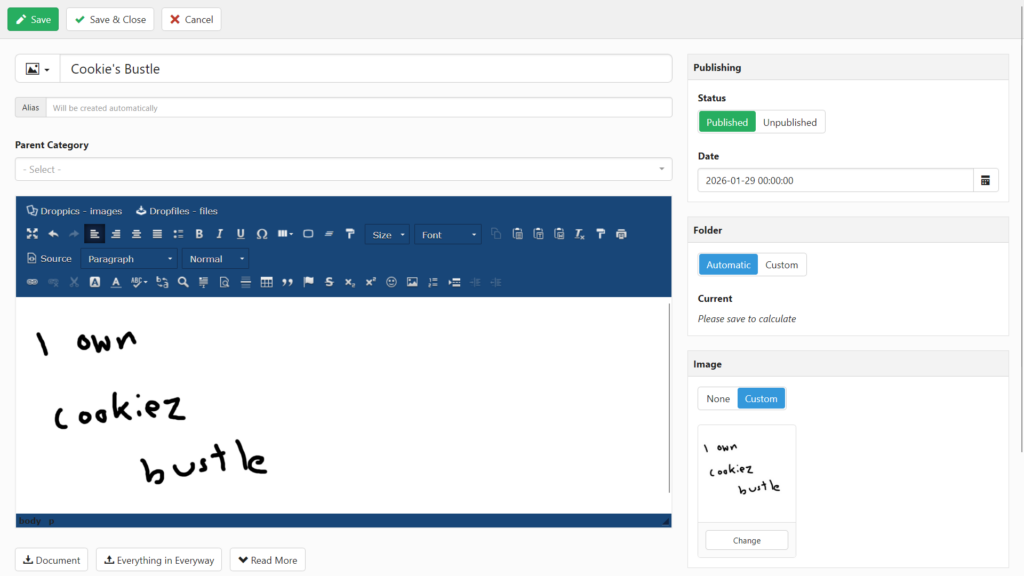
Graceware’s purported evidence of ownership primarily consists of "registrations" filed with INTEROCO, a German-based private company that describes itself as a "full-automated electronic depository." The VGHF’s investigation revealed that INTEROCO functions more like a digital version of mailing a letter to oneself for a postmark, offering no genuine copyright registration or legal validation. Their process is easily abusable, as demonstrated by the VGHF’s own experiment, which suggested the ability to create false copyright entries and encountered suspicious third-party demands for exorbitant fees. The VGHF’s legal analysis emphasizes that copyright protection exists automatically upon creation and does not require such filings. These INTEROCO "registrations" are legally meaningless and do not confer ownership rights.
Expired Trademarks and Misleading Applications
Further complicating the issue, Graceware, SL has filed trademark applications in the United States for the name "Cookie’s Bustle" for various products. However, these applications were filed under an "intent to use" basis and have been repeatedly extended without evidence of actual use in commerce. Crucially, trademark rights are distinct from copyright. The original trademark for "Cookie’s Bustle" by Rodik, Inc. expired in 2001. Graceware’s 2022 application through a third-party service does not grant them ownership of the game’s copyright. The VGHF cites the recent example of a homebrew developer acquiring the Tengen trademark, which did not grant them ownership of the original Nintendo-published Tengen games, to illustrate this point.
Exploiting DMCA Mechanisms
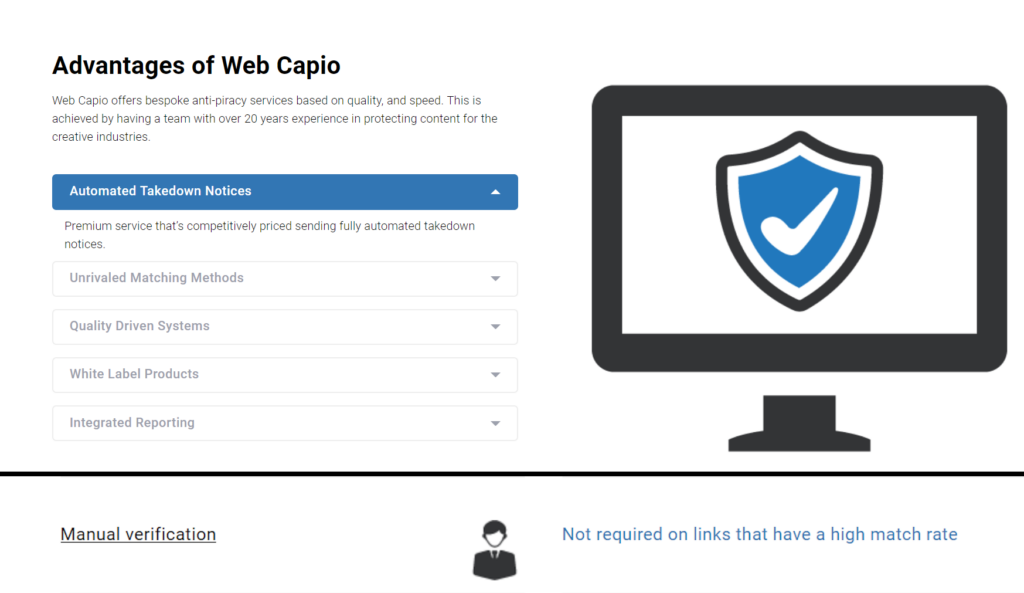
The VGHF’s investigation also uncovered a disturbing reliance on automated DMCA takedown processes. Graceware has utilized Ukie’s free takedown request service, managed by Mumith (Mo) Ali and his IP management company, Web Capio (now Obviously). Web Capio’s marketing materials boast "automated takedown notices" that reportedly do not require manual verification for content with a "high match rate." This automated approach, the VGHF argues, facilitates the bulk and indiscriminate issuance of takedown notices, often targeting platforms and service providers rather than the content creators themselves. This strategy exploits the DMCA’s safe harbor provisions, where platforms often remove content to avoid liability, regardless of the validity of the claim.
A Timeline of Disruption and Resolution
The copyright troll campaign against Cookie’s Bustle and its documentation has unfolded over several years:

- 1999: Cookie’s Bustle is released in Japan by Rodik, Inc.
- Circa 2001: The original trademark for "Cookie’s Bustle" by Rodik, Inc. expires.
- Circa 2019-2021: Community members begin creating and sharing content related to Cookie’s Bustle, including gameplay videos and discussions.
- 2021: Brandon White begins filing "copyright registrations" with INTEROCO and potentially trademark applications under Graceware, SL.
- 2022: Graceware, SL, begins issuing DMCA takedown notices, reportedly through Ukie and Web Capio, targeting content related to Cookie’s Bustle. Websites and content creators report receiving frivolous takedown requests.
- April 2025: The Video Game History Foundation is notified of a DMCA takedown request from Mumith Ali on behalf of Graceware, directed not at the VGHF’s archive but at their web host, Vercel. Vercel reportedly takes no action.
- December 2025: Mumith Ali directly contacts the VGHF regarding a takedown request for a Cookie’s Bustle gameplay video. When pressed for evidence of ownership beyond INTEROCO filings, Graceware fails to provide any legally meaningful documentation.
- February 2026: Following the VGHF’s presentation of their findings to Ukie CEO Nick Poole, Ukie announces it has suspended DMCA takedown services for Graceware, SL.
The Impact of the VGHF’s Stand
The VGHF’s successful challenge has significant implications:
Freedom for Fair Use
With Graceware’s access to Ukie’s takedown services suspended, the immediate threat of automated, large-scale takedowns for Cookie’s Bustle content has been neutralized. This means that gameplay clips, streams, commentary, fan works, and educational materials related to the game should now be able to exist online without the fear of unwarranted takedown notices. While existing removed content may not be automatically restored, future creations and re-uploads should be safe from this particular campaign.

The Orphan Work Dilemma
The underlying issue of Cookie’s Bustle being an "orphan work" – a copyrighted work whose owner cannot be identified or located – remains. While orphan works are still protected by copyright in the United States, their status makes them vulnerable to exploitation by individuals claiming dubious ownership. The VGHF’s advocacy underscores the urgent need for clearer legal frameworks and more accessible processes for managing orphan works, particularly in the digital realm.
Exposing Abusive Tactics
This case serves as a critical exposé of how automated takedown systems and the DMCA process can be exploited by bad actors. The VGHF’s detailed analysis of INTEROCO’s unreliability and Web Capio’s automated processes provides valuable information for creators and organizations navigating similar challenges. The VGHF encourages those who receive takedown notices from Graceware to reference their findings and assert their rights.
A Broader Fight for Game History
The VGHF frames this victory as part of a larger battle to protect video game history. Their 2023 survey indicated that approximately half of all game and software titles released before 1995 are now considered orphan works. This vulnerability makes video games uniquely susceptible to historical revisionism and interference from those seeking to control or obscure their past. The VGHF’s commitment to documenting and preserving these works, even in the face of legal challenges, is crucial for understanding video games as a significant cultural and artistic medium.
While Graceware may still attempt to issue takedowns independently or find new representation, their ability to conduct widespread, automated campaigns has been significantly curtailed. The VGHF’s proactive stance and thorough documentation have not only liberated Cookie’s Bustle from a copyright troll but have also provided a vital case study for the broader community on how to confront and dismantle such abuses. The future of game preservation and the ability to freely discuss and analyze historical titles depend on continued vigilance and a commitment to upholding the principles of fair use and open access to cultural heritage.