Chalid Lutfie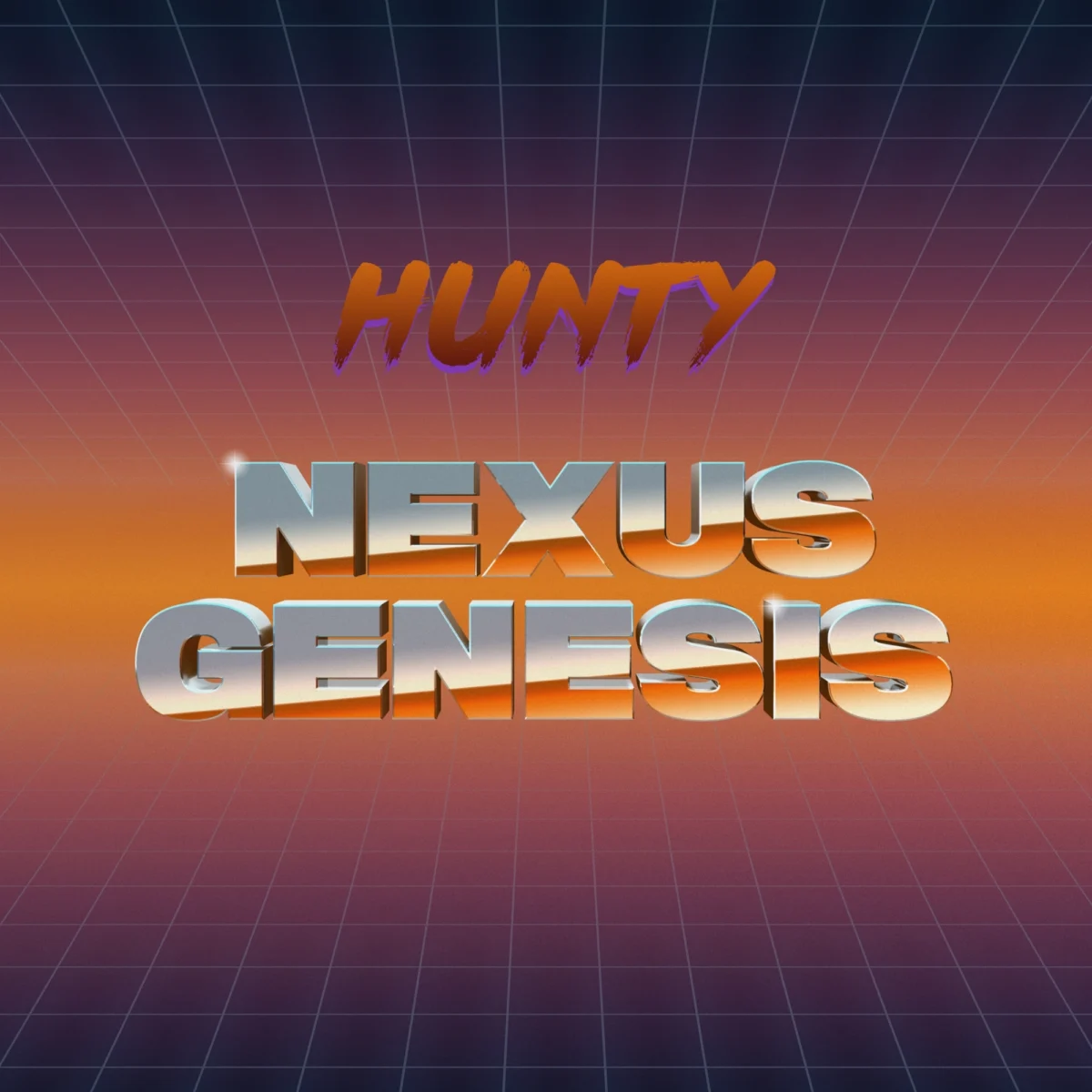
The independent record label Ubiktune has officially announced the release of Nexus Genesis, the debut album from composer Hunter Bridges, known in the chiptune and fan-game communities as Hunty. This release marks the culmination of nearly a decade of musical development, serving as the official soundtrack for Sonic Nexus, a high-profile fan-led project that saw its development cease following the professional recruitment of its lead programmer by SEGA. The album is described as a comprehensive tribute to the 16-bit era of video game audio, specifically emulating the complex FM synthesis and rhythmic structures found in the 1994 classic Sonic the Hedgehog 3.
The Formative Years of Hunter Bridges
Hunter Bridges’ entry into the world of music and digital arrangement was rooted in a household defined by live performance and technical curiosity. Raised in Alabama, Bridges was exposed to music through his father, a performing musician whose band utilized the family home as a rehearsal space. This environment provided Bridges with early access to professional-grade musical equipment. During intervals in rehearsal sessions, Bridges began experimenting with various instruments, eventually gravitating toward the drums at the age of six. His formal musical education began shortly thereafter, providing a foundation in rhythm and theory that would later define his approach to digital composition.

Parallel to his acoustic training, Bridges was a consumer of the burgeoning video game industry of the late 1980s and early 1990s. He was particularly influenced by the hardware-driven soundtracks of the Nintendo Entertainment System (NES), the Sega Genesis, and the Super Nintendo Entertainment System (SNES). Bridges has cited specific titles—including Super Mario Bros. 3, Street Fighter II, Gauntlet IV, and Sonic the Hedgehog 3—as primary influences. These titles were notable for their sophisticated use of limited sound chips, a technical constraint that Bridges would later spend his career mastering. His early interest was not limited to gameplay; he frequently utilized "Sound Test" menus to analyze the individual tracks and sound effects of his favorite titles.
The transition from listener to creator occurred in the early 2000s. During the era of dial-up internet, Bridges discovered VGMusic.com, a central hub for the amateur arrangement community. The site served as an archive for MIDI (Musical Instrument Digital Interface) transcriptions of video game themes. Bridges began submitting his own MIDI files to the site while in the sixth grade, a move that integrated him into a global network of amateur developers and musicians. This period of his life coincided with a deepening academic interest in music theory, digital production, and recording techniques, which he continued to pursue through his high school and collegiate years.
The Sonic Nexus Project and the Fan-Game Ecosystem
In 2006, the landscape of independent game development was largely defined by the "fan-game" community—groups of enthusiasts who created unofficial sequels or reimaginings of established intellectual properties. One of the most prominent hubs for this activity was Sonic Fan Games HQ (SFGHQ), a community where Bridges became an active participant. It was here that he was recruited by Brad Flick, known online as Slingerland, to provide the musical score for a new project titled Sonic Nexus.

Sonic Nexus was envisioned as a high-fidelity return to the 2D platforming roots of the Sonic the Hedgehog franchise. Unlike many contemporary fan projects that relied on MIDI files due to bandwidth constraints, Flick sought full-resolution waveform audio to provide a more modern, immersive experience. Bridges, who was using Fruity Loops 4 at the onset of the project, transitioned to Cubase to meet the higher production standards required for the game.
The project quickly gained critical acclaim within the amateur development scene. Sonic Nexus made several high-profile appearances at the Sonic Amateur Games Expo (SAGE) and was featured on various technology and gaming blogs. The development team, known as the Nexus Team, focused on high-quality sprite work and physics that closely mimicked the original Sega Genesis titles, filling a perceived void in the official franchise’s direction at the time.
Technical Evolution and the Retro Engine
By 2008, the technical requirements of Sonic Nexus led the team to seek more robust development tools. Originally built using the Sonic Worlds engine within the Multimedia Fusion software, the project faced significant hurdles in performance and physics accuracy. The team decided to migrate the project to the Retro Engine, a proprietary game engine developed by Christian Whitehead, known online as The Taxman.

Whitehead’s Retro Engine was a breakthrough in the community, having been built from the ground up through the reverse engineering of original Genesis titles. This allowed for pixel-perfect recreation of classic gameplay mechanics. In 2010, in an effort to pool resources and talent, Sonic Nexus merged with two other prominent fan projects, Retro Sonic and Sonic XG. This merger was intended to create the ultimate fan-driven Sonic experience.
However, the trajectory of the project changed permanently later that year. Christian Whitehead produced a proof-of-concept video showing the 1993 title Sonic CD running natively on an iPhone using his Retro Engine. The video caught the attention of SEGA’s corporate leadership. Rather than issuing a cease-and-desist order—a common industry practice—SEGA opted to hire Whitehead to officially port Sonic CD to modern platforms. This professional relationship eventually expanded to include remastered versions of Sonic the Hedgehog and Sonic the Hedgehog 2.
To protect Whitehead’s burgeoning professional relationship with SEGA and to avoid potential legal complications regarding the use of intellectual property, the decision was made to halt development on Sonic Nexus. While the game was effectively cancelled, the move was seen as a major victory for the fan community, proving that amateur developers could successfully transition into the professional industry.

The Path to Nexus Genesis
The cancellation of Sonic Nexus left Hunter Bridges with a substantial library of unreleased music. Over the subsequent years, Bridges felt a personal obligation to provide these compositions with a formal release. However, he remained dissatisfied with the level of "authenticity" in his earlier recordings. He sought to create a sound that was indistinguishable from the hardware output of a 1990s Sega Genesis.
During his senior year of college, Bridges specialized in the study of FM (Frequency Modulation) synthesis. FM synthesis was the primary method of sound generation for the Yamaha YM2612 chip found in the Sega Genesis. Unlike modern sample-based synthesis, FM synthesis requires a deep understanding of mathematical operators and algorithms to create specific timbres.
In 2013, Bridges released the Sonic 3 & Knuckles FM8 Patch Collection, a set of digital presets for the FM8 software synthesizer that meticulously recreated the instruments used by SEGA’s original sound team. Using these tools, Bridges spent the following two years re-recording and refining the Sonic Nexus soundtrack. The resulting album, Nexus Genesis, represents nine years of iterative work, bridging the gap between his early amateur experiments and his current professional capabilities.

Timeline of Key Events
- 1994: Release of Sonic the Hedgehog 3, establishing the musical benchmark for the series.
- 2002: Hunter Bridges begins submitting MIDI arrangements to VGMusic.com.
- Summer 2006: Brad Flick initiates development of Sonic Nexus; Bridges joins as lead composer.
- 2008: The Nexus Team begins the transition to Christian Whitehead’s Retro Engine.
- 2010: Sonic Nexus merges with Retro Sonic and Sonic XG. Christian Whitehead is hired by SEGA; Sonic Nexus development is officially shuttered.
- 2013: Bridges releases the FM8 Patch Collection, setting the stage for the final album production.
- August 16, 2015: Ubiktune officially releases Nexus Genesis.
Analysis of Implications for the Fan Community
The release of Nexus Genesis and the history of the Sonic Nexus project highlight a significant shift in how the video game industry interacts with its most dedicated fans. The "Sonic Nexus to SEGA" pipeline serves as a case study in the professionalization of the fan-game community.
Industry analysts note that SEGA’s decision to hire Whitehead, rather than litigate against him, set a precedent that encouraged high-quality fan contributions. This symbiotic relationship allowed the company to leverage the passion and technical expertise of the community to revitalize its legacy titles. For Bridges, the release of the album under the Ubiktune label signifies the independent value of game music as a standalone art form. It demonstrates that even when a software project is cancelled, the creative assets—particularly the music—can maintain a legacy and find an audience through digital distribution platforms.
Furthermore, Bridges’ technical dedication to FM synthesis reflects a broader trend in the "chiptune" music scene, where artists prioritize historical accuracy and hardware-native sounds over modern convenience. By releasing Nexus Genesis, Bridges has provided a definitive conclusion to a project that began in the dial-up era, ensuring that the "game-that-never-was" leaves a permanent mark on the landscape of video game music.

Nexus Genesis is now available through Ubiktune, featuring cover art by Daniel Warner Smith and level-specific art by Hector Barreiro and Brad Flick. The album stands as both a love letter to the composers of the 16-bit era and a testament to the enduring creative spirit of the amateur development community.