Chalid Lutfie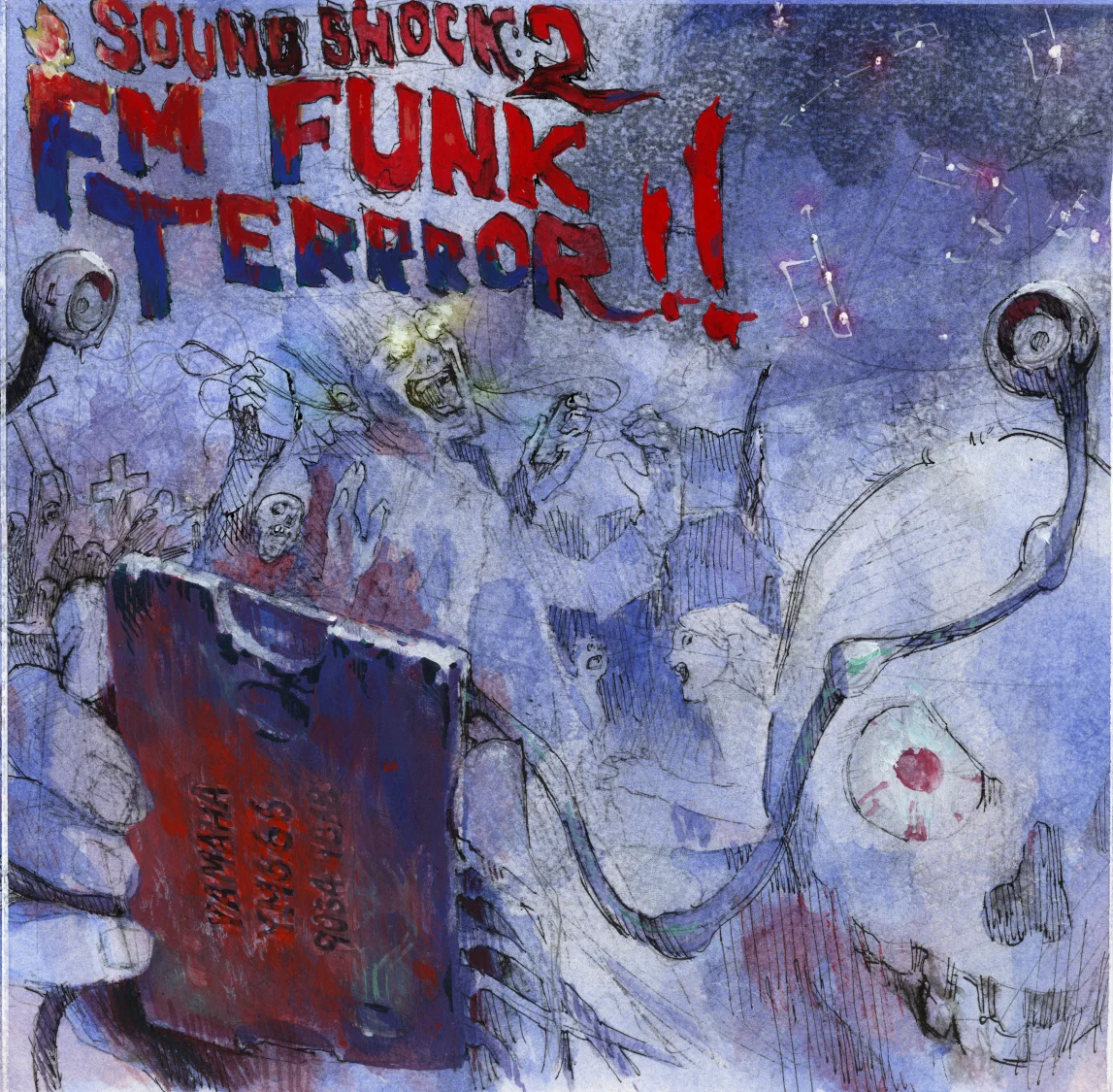
The SOUNDSHOCK series has long served as a cornerstone for the preservation and celebration of Frequency Modulation (FM) synthesis, a method of sound synthesis that defined the auditory landscape of the 1980s and early 1990s. While the series is primarily recognized for its musical contributions—curating complex compositions that utilize vintage hardware like the Yamaha YM2612 and YM2151 chips—the visual identity of the project has played an equally vital role in establishing its cultural footprint. Central to this identity is the work of Tsuyoshi Shimokura, a professional artist with a background in manga and a profound personal connection to the history of computer gaming and FM sound. On April 15, 2017, the series producer, known by the pseudonym "zinger," released a comprehensive retrospective detailing the creative evolution of the album covers for the three-volume anthology, revealing a deep intersection between technical engineering and spiritual iconography.
The Collaborative Genesis of the SOUNDSHOCK Aesthetic
The partnership between the series curator and Tsuyoshi Shimokura began through an introduction by the artist hex125. Originally, Shimokura was invited to contribute a musical composition to the first volume, FM FUNK MADDNESS!!. However, during the vetting process, the production team discovered a repository of Shimokura’s visual art. Given his professional history in the manga industry and his technical literacy regarding FM synthesis, Shimokura was commissioned to provide the cover art for the entire series. This decision transformed the SOUNDSHOCK project from a standard musical compilation into a multi-sensory tribute to the "FM era."
Shimokura’s approach to the series was not merely decorative; it was narrative and conceptual. His background in manga allowed him to construct "mini-stories" for each cover, treating the hardware components of FM synthesis as living entities or religious relics. This thematic consistency helped bridge the gap between the abstract nature of electronic music and the visceral, often high-octane energy of the funk and jazz-fusion genres that the albums featured.
Volume I: FM FUNK MADDNESS!! and the Heroic Hardware
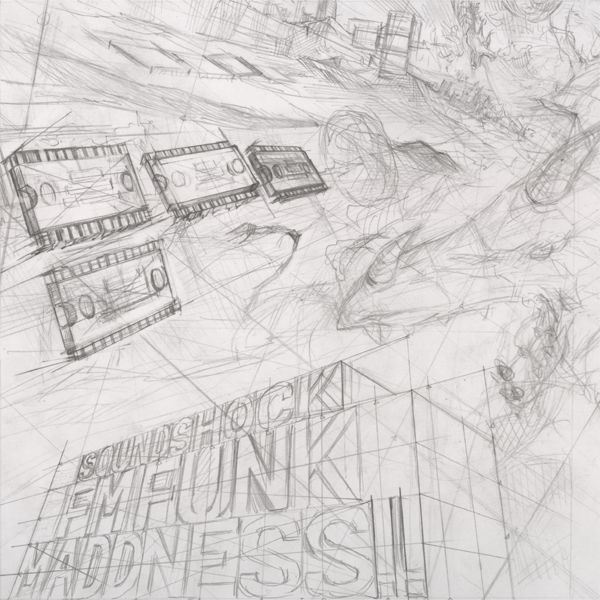
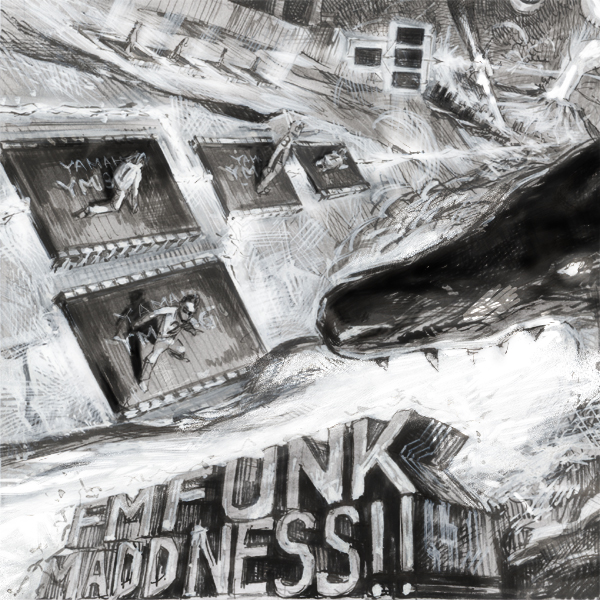
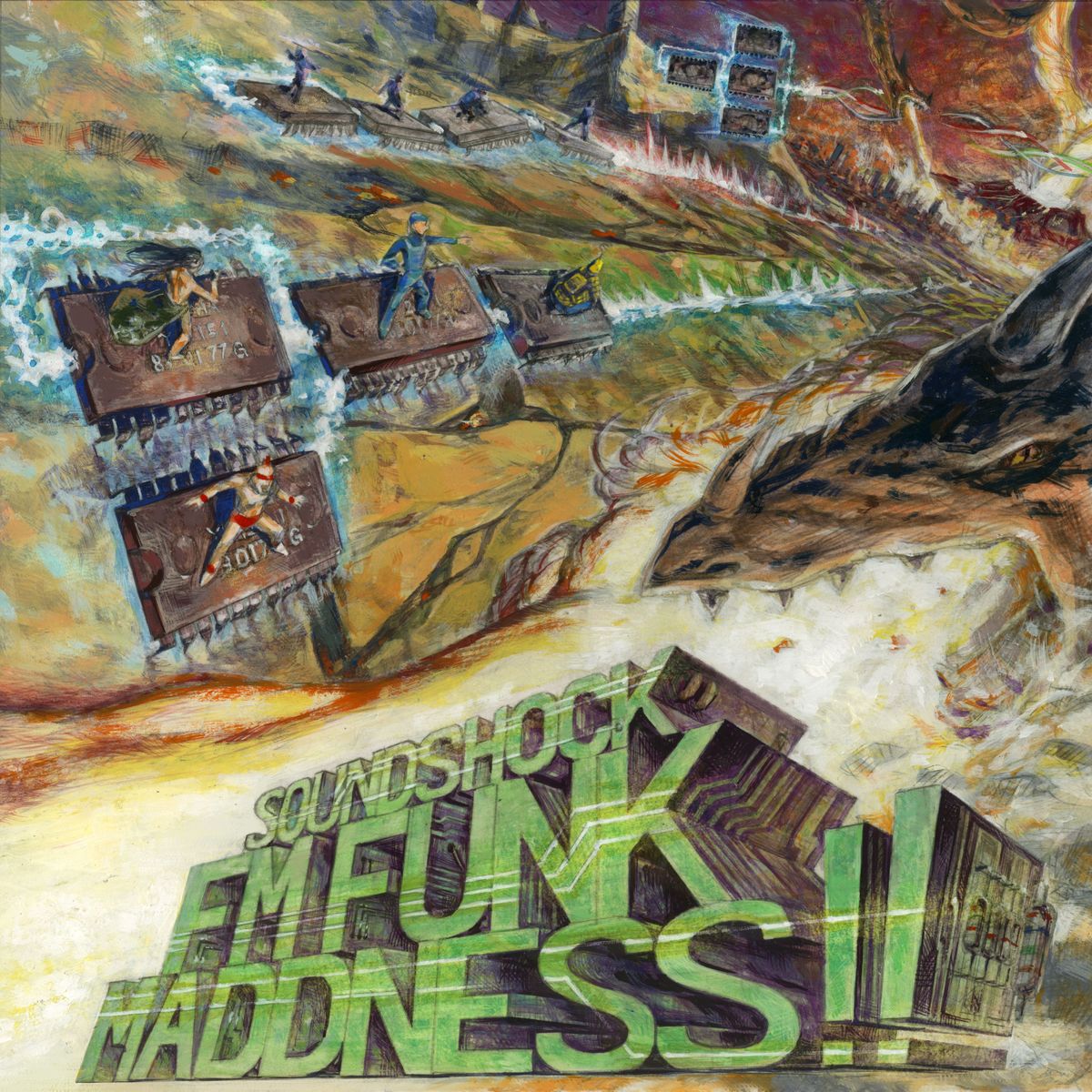
The debut of the series, FM FUNK MADDNESS!!, established the visual language that would define the trilogy. The production team and Shimokura looked to the aesthetic of 1980s arcade flyers for inspiration, specifically referencing the artwork for Taito’s Metal Black and Darius II. These games were known for their surreal, biomechanical art styles and their iconic FM soundtracks, composed largely by Taito’s in-house band, Zuntata.
In the conceptual stages of MADDNESS!!, Shimokura drafted sketches depicting FM chips as heroic figures or colossal machines. The final artwork features these chips—specifically modeled after the integrated circuits found in classic arcade boards—aligned in patterns that mimic FM algorithm charts. In FM synthesis, an "algorithm" refers to the specific arrangement of operators (oscillators) that determine how sound is modulated. By visualizing these technical diagrams as marching entities with caterpillar-like legs, Shimokura bridged the gap between engineering and fantasy. The narrative conceit of the first volume was one of triumph: a group of musical heroes utilizing the "power of FM sound" to defeat monstrous adversaries, symbolizing the revitalizing force of the genre in a modern musical landscape.
Volume II: FM FUNK TERRROR!! and the Horror of the YM666
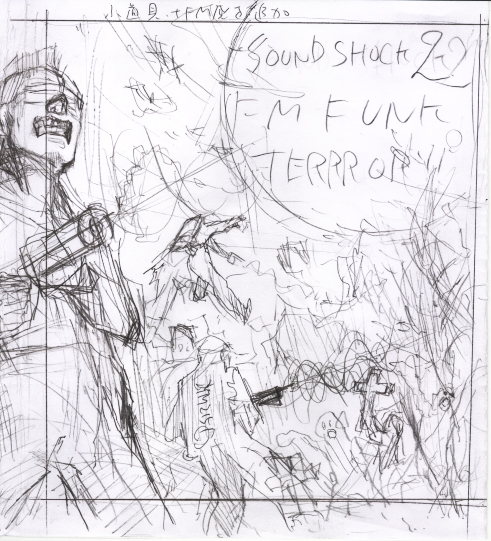
The second installment, FM FUNK TERRROR!!, shifted the thematic focus toward the "horror" genre, reflecting the more aggressive and experimental sounds present in the tracklist. The producer provided Shimokura with a diverse array of references, ranging from Western cult classics like A Nightmare on Elm Street and The Evil Dead to the Japanese-developed horror game series Splatterhouse.
The resulting artwork was a dense, detail-oriented homage to 1980s "splatter" culture. One of the most prominent features of the cover is a ghoul wielding a device styled after a gravestone, labeled "YM666"—a play on the Yamaha "YM" prefix used for their synthesis chips and the "Number of the Beast." This device, depicted as a proto-iPod or portable media player, serves as a metaphor for the "infectious" nature of the music. Shimokura’s internal narrative for this volume suggested that on April 5, as the "Algorithm constellations" aligned, a legion of FM-driven zombies would descend upon humanity to "paralyze them with fear" and "shock their brains to death," ultimately awakening a new passion for the sound within their souls. This metaphorical "terror" represented the overwhelming sensory impact of high-bitrate FM funk.
Volume III: FM FUNK NIRVANA!! and the Spiritual Ultimate
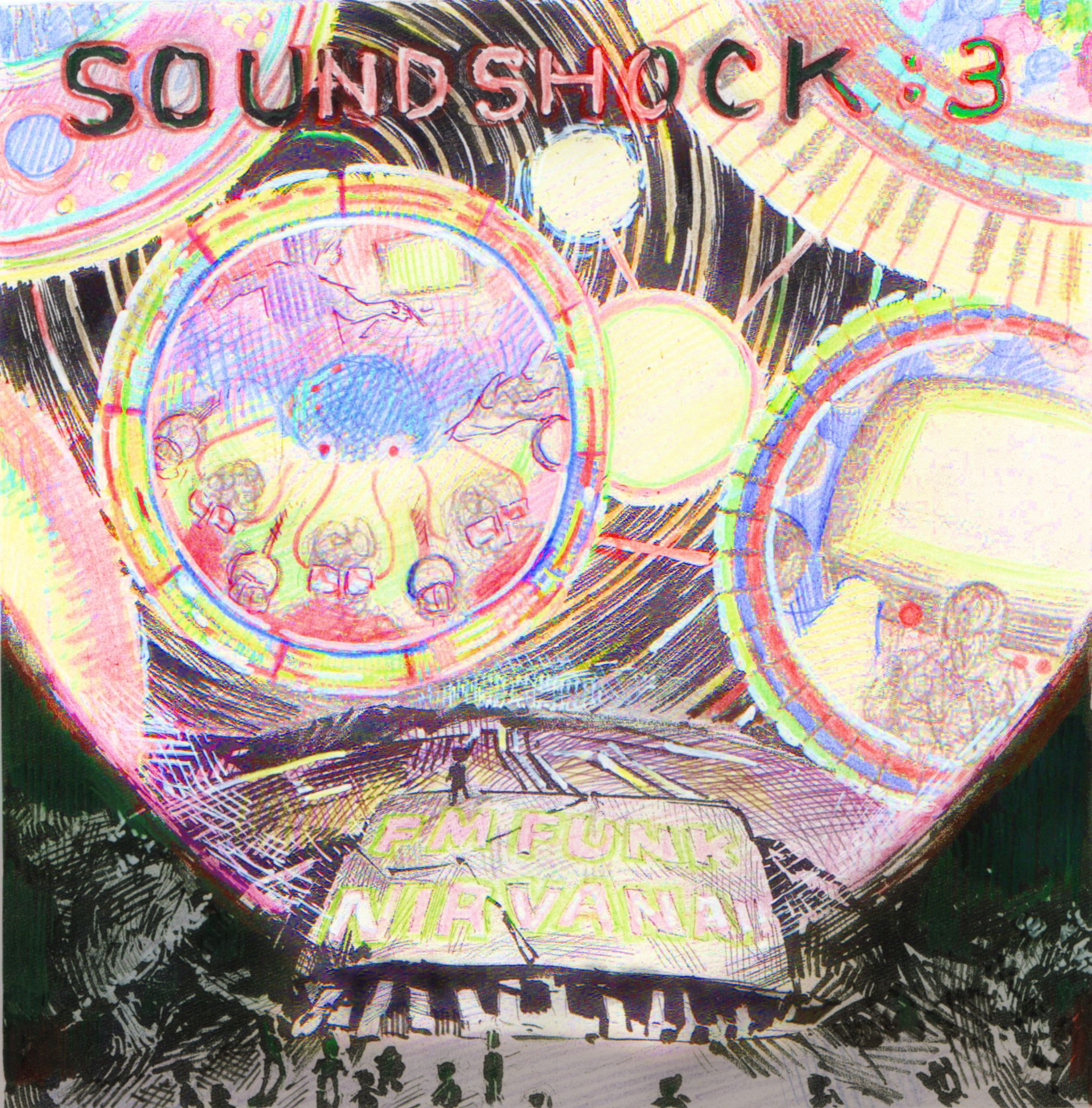
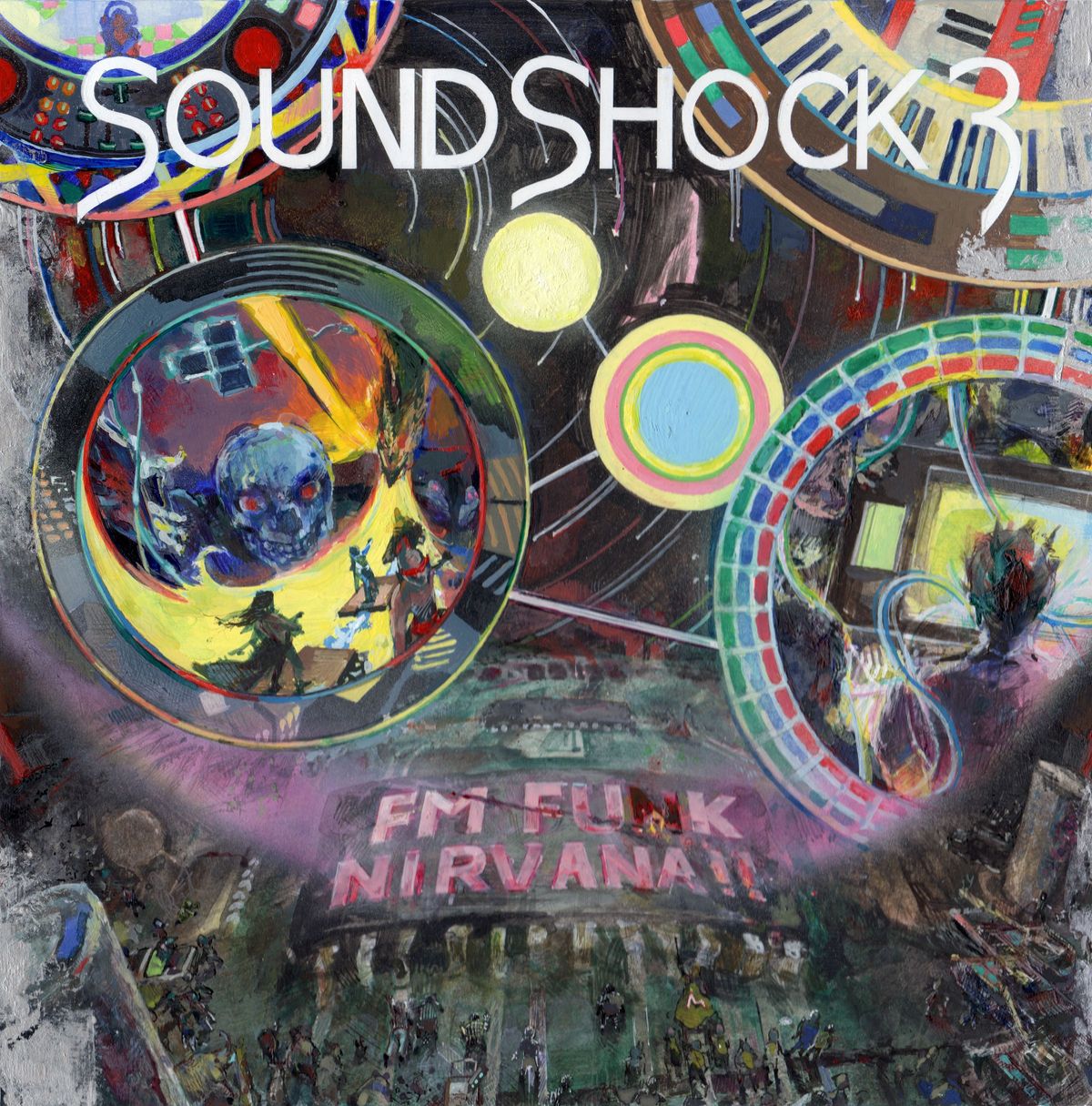
The conclusion of the series, FM FUNK NIRVANA!!, sought to reach a state of "perfection" or "finality." The title itself presented a linguistic challenge for the team. While previous volumes utilized intentional misspellings—such as the triple "R" in TERRROR!! and the double "D" in MADDNESS!!—to convey an "over-the-top" energy, the word "Nirvana" was deemed already "maxed out" in its intensity. The production team decided that adding extra letters would diminish the weight of the concept, which in Buddhist philosophy represents the highest state of enlightenment and the end of suffering.
For the visual representation of NIRVANA!!, Shimokura moved away from the kinetic action of the previous covers toward a more meditative and grand-scale composition. He drew inspiration from the soundtrack cover of Darius Gaiden and the concept of the "Mandala"—a geometric configuration of symbols used in various spiritual traditions as an aid to meditation and a map of the cosmos.
The cover art depicts a massive FM chip mounted onto a circuit board, positioned as an object of worship. Below, a vast congregation of disciples approaches the chip in a state of reverence. Above the chip, a series of spheres containing different elements forms a vision of the universe. In this context, the FM chip is no longer a tool or a weapon; it is a deity. This transition from "madness" to "terror" and finally to "nirvana" mirrors the series’ progression from a niche musical interest to a solidified spiritual legacy for its creators and listeners.
Analysis of Cultural Implications and Artist Philosophy
The conclusion of the SOUNDSHOCK series was accompanied by a philosophical message from Shimokura, which served as a final address to the project’s fanbase. In his statement, Shimokura argued that the end of the series should not be viewed with sadness. Instead, he framed the work as a "seed" for future artists. He described the listeners and the creators as "spiritual offshoots" of their forerunners—the original engineers and composers of the 1980s—and suggested that the "believers in FM sound" are part of a continuous, unified lineage.
This perspective highlights a significant trend in the "chiptune" and "retrowave" communities: the elevation of obsolete technology to the status of high art. By applying professional manga techniques and complex theological metaphors to the Yamaha YM series of chips, Shimokura and zinger have contributed to the "mythologizing" of the FM era. This process ensures that the technical specifications of the past are preserved not just in museums or hardware archives, but in the cultural imagination.
Chronology of the SOUNDSHOCK Visual Project
- Initial Contact (Circa 2010-2011): Producer "zinger" and Tsuyoshi Shimokura connect via hex125.
- Volume I Release: FM FUNK MADDNESS!! establishes the "Hardware as Hero" theme.
- Volume II Development: Intensive collaboration on 80s horror references leads to the "FM Terror" narrative and the YM666 motif.
- January 2017: Official explanations regarding the naming conventions and the "maxed out" nature of the NIRVANA!! title are released via social media.
- April 15, 2017: The final retrospective is published, featuring the artist’s concluding message and a gallery of prototype sketches.
Technical Context: The Hardware Behind the Art
To fully appreciate the depth of Shimokura’s artwork, one must understand the hardware it celebrates. The "FM chips" depicted in the art refer to a specific family of sound chips developed by Yamaha.
- YM2151 (OPM): The first single-chip FM synthesis implementation, widely used in arcade games like Marble Madness and the Sharp X68000 computer.
- YM2612 (OPN2): Famous for its role in the Sega Genesis/Mega Drive, known for its "gritty" and "distorted" bass sounds, which heavily influenced the TERRROR!! volume.
- Algorithms: The artwork frequently incorporates "Algorithm Charts." In a four-operator FM chip, there are eight possible ways to connect the operators. These arrangements (algorithms) are the "DNA" of the sound, a fact Shimokura honored by turning them into constellations and tactical formations.
Conclusion and Legacy
The SOUNDSHOCK series, through the combined efforts of zinger and Tsuyoshi Shimokura, stands as a landmark in the independent music scene. It successfully bridged the gap between technical hardware appreciation and avant-garde visual storytelling. By the time the retrospective was published in April 2017, the series had moved beyond a simple collection of songs; it had become a curated archive of a specific subculture’s aesthetic values. As Shimokura noted in his final message, the project’s conclusion marks the beginning of a new phase, where the "seeds" planted by the SOUNDSHOCK series will likely influence a new generation of "future stars" who continue to find inspiration in the complex, metallic, and soulful sounds of FM synthesis.