Chalid Lutfie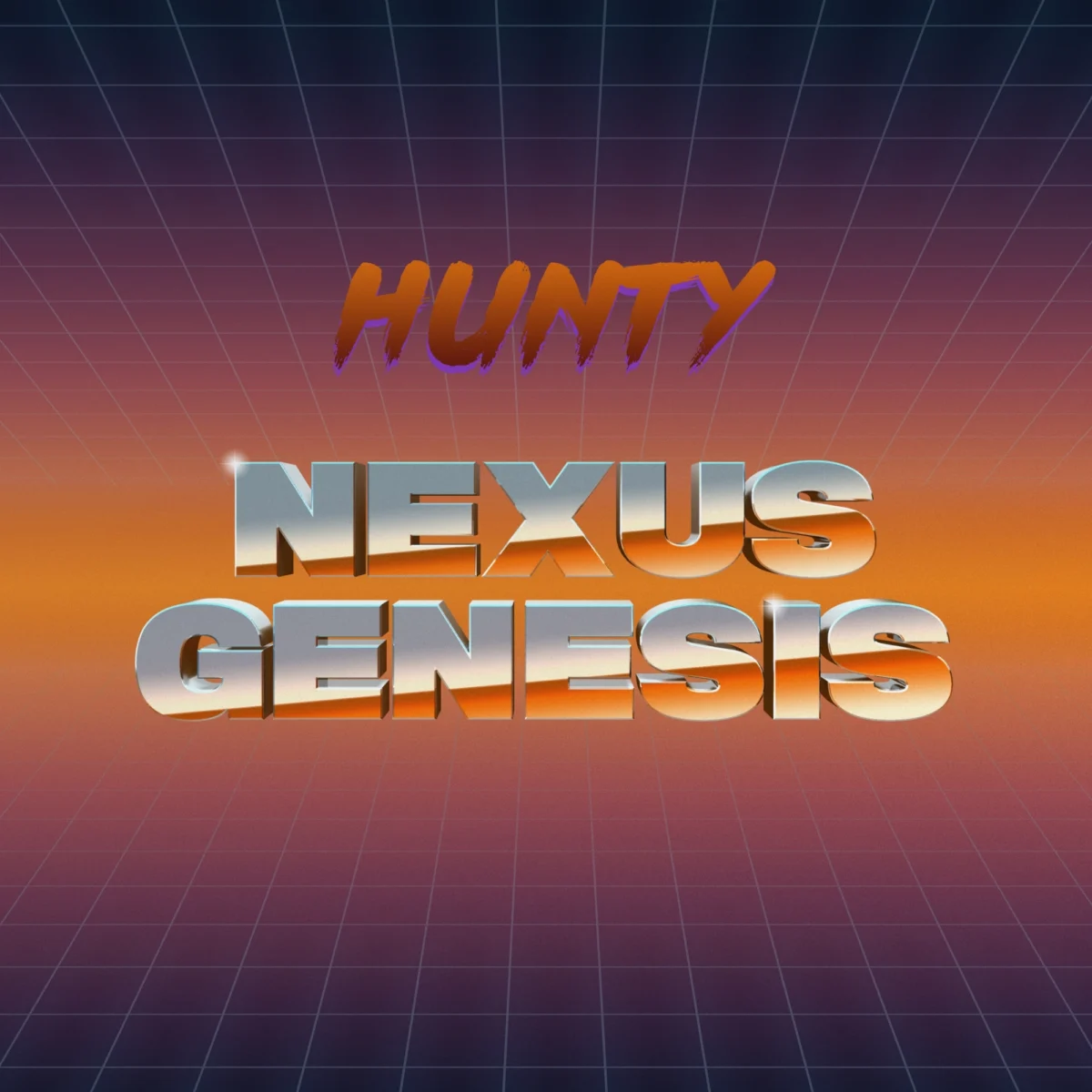
The independent record label Ubiktune has officially announced the release of Nexus Genesis, the debut full-length album from composer Hunter Bridges, known professionally as Hunty. This release marks the culmination of nearly a decade of creative labor, serving as the definitive soundtrack for Sonic Nexus, a high-profile fan-led video game project that played a pivotal role in the modern history of the Sonic the Hedgehog franchise. The album is described as both a technical achievement in FM synthesis and a thematic tribute to the 16-bit era of video game music, specifically the complex arrangements found in the 1994 classic Sonic the Hedgehog 3.
The Genesis of a Composer: Hunter Bridges and the 16-Bit Influence
The musical trajectory of Hunter Bridges began in Alabama, where he was raised in an environment saturated with live performance and technical experimentation. Bridges’ father, a semi-professional musician, hosted band rehearsals at the family home, providing the young Bridges with early exposure to professional-grade instrumentation. By the age of six, Bridges began experimenting with drum kits and percussive mechanics, eventually transitioning into formal lessons a year later. This foundation in rhythm and mechanical operation would later inform his approach to digital music production.

During the formative years of the 1990s, Bridges was heavily influenced by the soundscapes of the Nintendo Entertainment System (NES), Super Nintendo Entertainment System (SNES), and the Sega Genesis. He cites the works of Koji Kondo and the various composers behind Street Fighter II and Gauntlet IV as primary inspirations. However, it was the sound test menus of the Sega Genesis titles that captivated him most. The Yamaha YM2612 sound chip, which powered the Genesis, offered a gritty, metallic texture through Frequency Modulation (FM) synthesis—a sound that Bridges would spend years attempting to master.
In the early 2000s, during the era of dial-up internet, Bridges joined the online community VGMusic.com. This platform served as a repository for amateur arrangers to share MIDI transcriptions of video game themes. It was here that Bridges honed his skills in arrangement and music theory, translating complex orchestral and pop-inspired game scores into the MIDI format. This period of his life coincided with his entry into high school and college, where he formalized his studies in digital production and recording, setting the stage for his involvement in one of the most ambitious fan projects in the Sonic the Hedgehog community.
The Sonic Nexus Project: A Convergence of Talent
In 2006, the Sonic fan-game community was entering a period of significant technical advancement. A developer known as Brad Flick, operating under the pseudonym Slingerland, initiated a project titled Sonic Nexus. The goal was to create a game that felt like a direct, high-quality sequel to the original Sega Genesis trilogy, adhering to the physics and aesthetic standards of the 16-bit era.

Bridges joined the Nexus Team in 2006 after being recruited by Flick. At the time, the project was transitioning from the standard MIDI-based audio common in fan games to full-resolution waveform audio, a move made possible by the increasing prevalence of broadband internet. Bridges, initially using Fruity Loops 4, migrated to Cubase to meet the project’s escalating production demands. Over the next four years, Sonic Nexus became a staple of the Sonic Amateur Games Expo (SAGE), receiving critical acclaim from technology blogs and enthusiast press for its polished gameplay and authentic presentation.
The project’s development took a significant turn in 2008 when the team sought to migrate the game from the Multimedia Fusion engine to the Retro Engine, a proprietary framework developed by Christian Whitehead (known online as The Taxman). Whitehead’s engine was a masterpiece of reverse engineering, capable of perfectly replicating the tile-based movement and physics of the original Sega Genesis titles. By 2010, Sonic Nexus had merged with other prominent fan projects, including Retro Sonic and Sonic XG, to pool resources and talent.
The Professional Pivot and the Dissolution of Nexus
The trajectory of Sonic Nexus was permanently altered in 2010 when Christian Whitehead produced a concept video demonstrating Sonic CD running natively on iOS via his Retro Engine. The video caught the attention of SEGA’s digital division. In a rare move for the gaming industry at the time, SEGA chose to hire Whitehead to lead an official remaster of Sonic CD, followed by remakes of Sonic the Hedgehog and Sonic the Hedgehog 2.

While this was a landmark success for the fan community, it necessitated the cessation of the Sonic Nexus project. To protect Whitehead’s new professional relationship with SEGA and to avoid potential intellectual property conflicts, the Nexus Team decided to halt development. This left a significant amount of completed assets—including level art by Hector Barreiro and Brad Flick, and a near-complete soundtrack by Bridges—in a state of limbo.
Reflecting on this period, Bridges noted that while the game had "fizzled out" due to these professional shifts, the music remained a personal priority. He expressed a lingering dissatisfaction with the "authenticity" of his earlier compositions, feeling they did not yet perfectly mirror the hardware limitations and unique characteristics of the Sega Genesis.
Technical Mastery: The Path to Nexus Genesis
Following the cancellation of the game, Bridges spent the ensuing years deepening his understanding of FM synthesis. FM synthesis, unlike the sample-based synthesis used in the SNES, involves modulating the frequency of one waveform with another to create complex overtones. In the context of the Sega Genesis, this meant working within the constraints of four operators per voice across six channels.

In 2013, Bridges released the "Sonic 3 & Knuckles FM8 Patch Collection," a set of digital presets for the FM8 software synthesizer that meticulously recreated the specific instrument sounds used in the 1994 Sonic titles. This project served as a technical rehearsal for what would eventually become the album Nexus Genesis.
The release of Nexus Genesis on Ubiktune represents the fulfillment of a decade-long promise. The album utilizes these authentic FM patches to present the music of Sonic Nexus as it was intended to be heard. Bridges has structured the album not merely as a collection of background tracks, but as a cohesive musical journey that pays homage to the legendary composers of Sonic 3, including the controversial and highly debated contributions of the Michael Jackson production team and the Sega in-house staff led by Jun Senoue.
Analysis of Implications for the Fan-Game Movement
The release of Nexus Genesis highlights a broader trend in the video game industry: the professionalization of fan-works. The path taken by the Sonic Nexus team—from hobbyist developers to professional contractors and published artists—is a template that has become increasingly common.

- Talent Incubation: Communities like Sonic Fan Games HQ (SFGHQ) and Sonic Retro have acted as unofficial incubators for the industry. The hiring of Christian Whitehead by SEGA, and the subsequent involvement of Brad Flick in professional game development, demonstrates that high-quality fan projects can serve as living portfolios.
- Legal and Professional Nuance: The decision to cancel Sonic Nexus to protect Whitehead’s career illustrates the delicate legal balance fan creators must maintain. Unlike many companies that issue "cease and desist" orders, SEGA has historically maintained a more permissive, and even collaborative, relationship with its fan-base, provided those fans do not monetize the IP directly.
- Preservation of Digital Art: By releasing the soundtrack as a standalone album through Ubiktune, Bridges is engaging in a form of cultural preservation. While the game itself may never be completed or released, the creative output of that era is preserved in a format that honors its original intent.
Conclusion and Release Details
Nexus Genesis is now available through the Ubiktune label, featuring cover art by Daniel Warner Smith that evokes the aesthetic of 1990s Japanese game packaging. The album stands as a testament to the enduring influence of the 16-bit era and the dedication of a community that refused to let a "game-that-never-was" be forgotten.
For Hunter Bridges, the album is a "toast to friends Christian and Brad" and a "love letter" to the era of FM synthesis. It bridges the gap between amateur enthusiasm and professional execution, providing a final, polished look at a project that helped reshape how the industry views fan-created content. As the chiptune and retro-synth genres continue to evolve, Nexus Genesis serves as a benchmark for authenticity and technical precision in the modern era.