Chalid Lutfie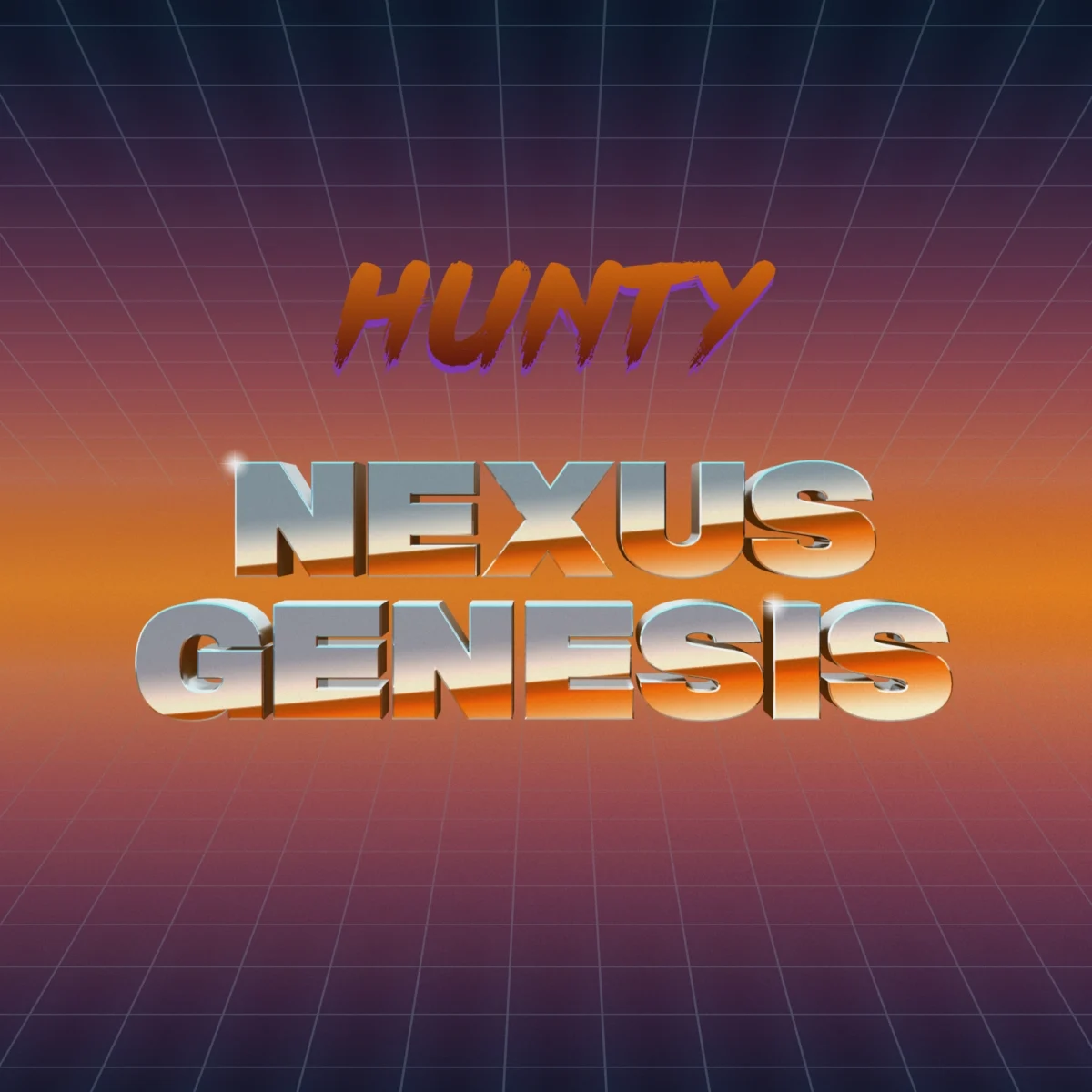
The independent record label Ubiktune, renowned for its curation of high-quality chiptune and video game-inspired soundtracks, has officially announced the addition of composer Hunter Bridges to its artist roster. The partnership debuts with the release of Nexus Genesis, a comprehensive studio album that serves as the spiritual and technical culmination of a decade-long journey within the Sonic the Hedgehog fan-work community. Bridges, known colloquially in digital music circles as "Hunty," has produced an eighteen-track odyssey that reconstructs the intended acoustic landscape of Sonic Nexus, a high-profile fan-led development project that significantly influenced the trajectory of the modern Sonic franchise.
The Historical Context of Sonic Nexus and the Retro Engine
To understand the significance of Nexus Genesis, one must examine the landscape of amateur game development in the mid-2000s. In 2006, a development collective known as Nexus Team, spearheaded by lead developer Brad Flick (known as Slingerland), embarked on the creation of Sonic Nexus. Unlike many amateur projects of the era, Sonic Nexus gained immediate critical traction due to its high production values and adherence to the physics and aesthetics of the 16-bit Sega Genesis era.

The project became a centerpiece of the Sonic Amateur Games Expo (SAGE), an annual virtual convention where independent developers showcase fan-created content. During its development, the project integrated the work of Christian Whitehead, an Australian developer known as "The Taxman." Whitehead had developed a proprietary engine through the reverse engineering of original Sega hardware, which he titled the Retro Engine. This engine allowed for pixel-perfect recreation of classic gameplay, a feat that surpassed the capabilities of standard third-party tools like Multimedia Fusion.
By 2010, Sonic Nexus was poised to become the definitive fan-made sequel to the classic trilogy. However, the trajectory of the project shifted when Whitehead used his Retro Engine to pitch a mobile port of Sonic the Hedgehog CD to SEGA. Impressed by the technical fidelity of the engine, SEGA officially contracted Whitehead to lead the development of remastered editions of the classic titles for modern platforms. Consequently, to safeguard Whitehead’s professional relationship with the intellectual property holder, the decision was made to cease development on Sonic Nexus. While the game "fizzled out" in an official capacity, it left behind a vast archive of unreleased assets, most notably the musical compositions of Hunter Bridges.
The Musical Evolution of Hunter Bridges
The foundations of Nexus Genesis were laid long before the 2006 inception of the game project. Born and raised in Alabama, Hunter Bridges was immersed in a musical environment from an early age. His father, an active member of various bands, utilized the family home as a rehearsal space. This exposure allowed Bridges to experiment with professional musical equipment during his formative years. By the age of six, he had developed a fascination with the mechanical complexity of percussion, leading his parents to provide him with a junior drum kit and formal lessons by the age of seven.

Bridges’ introduction to the digital frontier of music occurred during the sixth grade when he discovered VGMusic.com. During the era of dial-up internet, MIDI (Musical Instrument Digital Interface) files were the primary medium for sharing music due to their minimal file size. Bridges began transcribing and arranging video game themes, submitting them to the site’s vast archive. This period served as a rigorous training ground for his understanding of music theory and arrangement.
In 2002, Bridges joined the community at Sonic Fan Games HQ (SFGHQ), a hub for aspiring developers and artists. It was here that he transitioned from an amateur arranger to a dedicated composer for independent projects. When Brad Flick recruited Bridges for Sonic Nexus in 2006, the technological landscape was shifting. With the rise of broadband internet, the project demanded full-resolution waveform audio rather than MIDI. Bridges migrated his workflow from Fruity Loops 4 to Cubase, a professional-grade digital audio workstation, beginning a multi-year process of iterating on the "Nexus sound."
Technical Craftsmanship and the Legacy of the YM2612
Nexus Genesis is specifically designed as a tribute to the sound team behind the 1994 classic Sonic the Hedgehog 3. The original Sega Genesis hardware utilized the Yamaha YM2612 FM synthesis chip, which produced a gritty, metallic, and complex sound profile that defined the 16-bit era. Bridges sought to replicate the "authentic spirit" of this hardware, a task that required deep technical immersion into Frequency Modulation (FM) synthesis.

During his senior year of college, Bridges focused his academic studies on FM synthesis, seeking to bridge the gap between modern digital production and vintage hardware constraints. He noted that while many modern "chiptune" tracks utilize bit-crushing or simple waveforms, they often fail to capture the specific nuances of the Sega Genesis’s output. In 2013, Bridges released the Sonic 3 & Knuckles FM8 Patch Collection, a set of digital instruments designed to replicate the specific synthesized sounds used by Sega’s internal sound team.
This technical expertise is the backbone of Nexus Genesis. The album does not merely present the tracks as they existed in 2010; rather, it realizes them with the polish and fidelity that Bridges felt was missing during the original development cycle. The result is a soundtrack that sounds as though it was pulled directly from a high-budget 1994 Sega development kit, blending the pop-funk influences of the 1990s with the driving, melodic structures required for high-speed platforming.
Chronology of Development: 2006–2015
The timeline of Nexus Genesis reflects the broader evolution of the independent game music scene:

- Summer 2006: Development of Sonic Nexus begins; Hunter Bridges is recruited as the lead composer.
- 2006–2008: Three demo versions of Sonic Nexus are released to critical acclaim within the fan community. Bridges iterates on themes for levels such as "Pristine Palisade."
- 2008: The project migrates to Christian Whitehead’s Retro Engine, requiring a higher standard of audio-visual synchronization.
- 2010: Sonic Nexus, Retro Sonic, and Sonic XG merge into a unified project. Later that year, the project is halted following Whitehead’s recruitment by SEGA.
- 2013: Bridges releases his FM8 Patch Collection, signaling a renewed focus on the technical authenticity of his Sonic-related work.
- August 16, 2015: Nexus Genesis is officially released via Ubiktune, providing a definitive conclusion to the project’s musical narrative.
Broader Impact and Industry Implications
The release of Nexus Genesis is more than a nostalgic exercise; it represents a significant case study in how fan communities serve as incubators for professional talent. The transition of Christian Whitehead from a fan-developer to the lead of SEGA’s Sonic Mania (2017) is often cited as a watershed moment in the video game industry. Similarly, Brad Flick and Hunter Bridges have leveraged their work on Nexus to establish themselves within the professional creative sphere.
Ubiktune’s decision to publish the album highlights the growing commercial viability of "fan-legacy" content. By treating the soundtrack of an unreleased fan game with the same reverence as a commercial score, the label acknowledges the cultural weight of these grassroots movements.
The album also serves as a historical document. Because SEGA is historically protective of its intellectual property, many fan games disappear entirely once development ceases. Nexus Genesis ensures that the creative output of the Nexus Team remains accessible to the public, albeit in a different medium. The album art, created by Daniel Warner Smith, and the inclusion of historical title screen art by Hector Barreiro and Brad Flick, further solidify the release as a comprehensive archive of the project.

Analysis of Musical Themes
Critically, the album has been noted for its adherence to the "New Jack Swing" and synth-pop influences that permeated early 1990s Japanese game scores. Tracks within the collection mirror the structure of the original Sonic soundtracks, featuring distinct "Act 1" and "Act 2" variations that evolve in complexity as the player—in theory—progresses through a level.
The inclusion of the FM8 patches allows Bridges to utilize the specific "slap bass" and "metallic brass" sounds that are synonymous with the Sonic brand. For many listeners, Nexus Genesis serves as the "lost" soundtrack to a fourth 16-bit Sonic entry, filling a chronological gap between Sonic the Hedgehog 3 and the transition to the 32-bit era.
Conclusion
Nexus Genesis stands as a testament to the persistence of creative vision in the face of corporate and technical hurdles. For Hunter Bridges, the album fulfills a decade-old promise to deliver a professional-grade release for a project that redefined his career. For the broader gaming community, it offers a window into an alternate history where Sonic Nexus reached completion. As of August 2015, the album is available for digital distribution, marking a definitive milestone for both the composer and the Ubiktune label. Through this release, the "game-that-never-was" finally finds its voice, ensuring that the spirit of the 16-bit era continues to resonate with a new generation of listeners.