Chalid Lutfie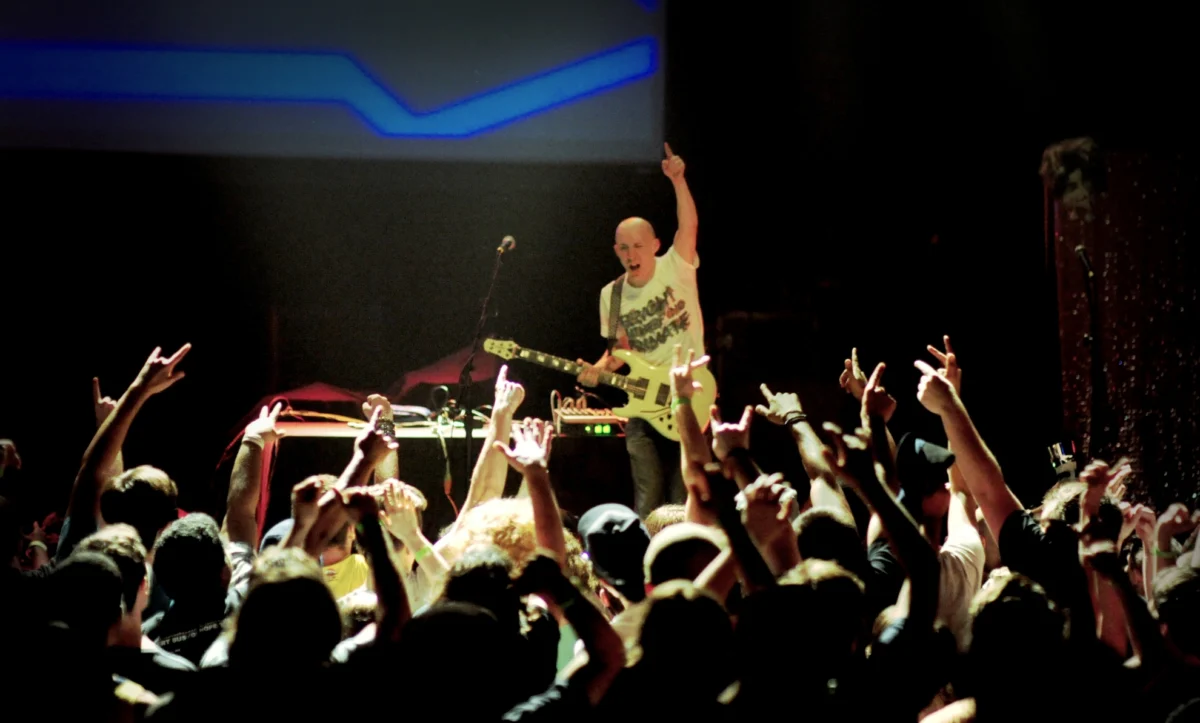
The international electronic and progressive music communities are preparing for the arrival of Lunaria, the latest full-length studio effort from Dan Burke, professionally known as Danimal Cannon. Scheduled for a global release on March 11, the album marks the culmination of a three-year hiatus following his 2013 collaborative project with artist Zef, titled Parallel Processing. This new release represents a significant milestone in Burke’s career, as it serves as the first recorded work to fully integrate his signature Gameboy-based chiptune compositions with virtuosic electric guitar performances—a stylistic fusion that has been a staple of his live appearances but has remained largely absent from his previous discography.
A Five-Year Evolution in Sound Engineering and Composition
The development of Lunaria is the result of a rigorous five-year creative cycle that began shortly after the release of Burke’s 2011 debut solo album, Roots. While Roots established Danimal Cannon as a prominent figure in the chiptune scene—a genre defined by the use of legacy video game hardware for musical production—it only tentatively explored the inclusion of traditional instrumentation. Burke has noted that the technical challenges of blending the high-frequency, square-wave synthesis of the Nintendo Gameboy with the dense, harmonic distortion of a progressive metal guitar were substantial.
During the four years between 2011 and 2015, Burke refined his production techniques to ensure that the two disparate sonic worlds could coexist without compromising the clarity of either. The central challenge lay in frequency management; the 8-bit sound chip often occupies the same mid-to-high range as a lead guitar, leading to auditory masking. Through iterative experimentation, Burke developed a compositional framework that allows the Gameboy and the guitar to function as a unified ensemble, akin to a traditional band lineup. This mastery is a defining characteristic of Lunaria, pushing the boundaries of the "chip-metal" subgenre into more complex, progressive territory.
The Giant Impact Hypothesis: A Conceptual Framework
Beyond its technical achievements, Lunaria is a concept album rooted in planetary science. Burke, a self-described enthusiast of scientific lectures and astrophysics, based the thematic arc of the record on the "Giant Impact Hypothesis." This scientific theory posits that approximately 4.5 billion years ago, a Mars-sized protoplanet named Theia collided with the early "Proto-Earth." The resulting debris from this cataclysmic event eventually coalesced in orbit to form the Moon.
In a creative effort to bridge the gap between hard science and narrative art, Burke personified this celestial event through the character of "Lunaria," a representation of the impactor and the resulting lunar body. The title itself serves a dual purpose: it is a portmanteau of "Lunar" and "Aria," the latter referring to a self-contained piece for a solo voice, typically found in opera. This linguistic choice underscores the album’s dramatic and vocal elements, framing the cosmic collision as a grand musical performance.
Strategic Collaborations and Artistic Contributions
To realize the operatic scope of the Lunaria character, Burke enlisted the services of Emily Yancey, a professionally trained vocalist with a background in opera. The decision to use a classically trained singer was intentional; Burke sought a specific vocal timbre that would convey a sense of "celestial" authority and scale. Yancey’s contributions provide a melodic counterpoint to the aggressive digital and analog textures of the album, fulfilling the "aria" component of the project’s title.
Furthermore, the album features a significant contribution from Samuel Ascher-Weiss, better known in the experimental electronic circuit as Shnabubula. Ascher-Weiss, a long-time collaborator who previously appeared on Roots, contributed a piano arrangement for the track "Axis." Burke selected "Axis" for this treatment due to its status as the most technically demanding composition on the record. By transitioning the song from the digital constraints of a Gameboy to the organic, percussive range of a traditional piano, the collaboration highlights the versatility of the underlying songwriting.
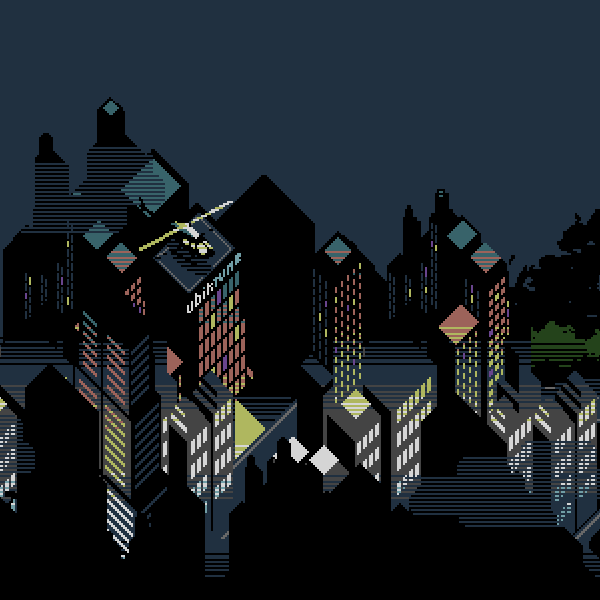
The visual identity of the album was managed by artist Minerva Mopsy, whose artwork aims to capture the ethereal and violent nature of the album’s astronomical themes. The physical release of the album on CD will include a dedicated poster featuring this artwork, catering to the niche market of collectors within the independent music scene.
Influences and Genre-Defying Stylistic Choices
While Lunaria is fundamentally a metal-influenced record, its stylistic DNA is remarkably diverse. Burke has cited an eclectic array of influences that informed the writing process, ranging from contemporary indie rock to classical choral arrangements. Key inspirations include:
- Video Game Soundtracks: Specifically the work of Jake Kaufman on the Shovel Knight OST, which demonstrated how modern melodic sensibilities could be applied to 8-bit limitations.
- Industrial Music: The aggressive, rhythmic textures of Nine Inch Nails and KMFDM are evident in the album’s heavier segments.
- Indie Rock: The experimental duo Buke and Gase influenced Burke’s approach to unconventional instrument parings.
- Classical and Choral Music: The structural logic of Wolfgang Amadeus Mozart and the lush, vertical harmonies of contemporary composer Eric Whitacre provided a blueprint for the album’s more atmospheric and progressive passages.
This intersection of influences ensures that Lunaria appeals to a broad demographic, including fans of progressive rock, enthusiasts of vintage gaming technology, and listeners of avant-garde metal.
Chronology of Major Releases and Milestones
To understand the significance of Lunaria, it is necessary to view it within the context of Burke’s career timeline:
- 2011 – Roots: The debut solo album that established the Danimal Cannon brand. It focused heavily on the technical capabilities of the Gameboy’s DMG-01 hardware and the Little Sound DJ (LSDJ) software.
- 2013 – Parallel Processing: A collaborative effort with Zef. This album was a pivot toward high-energy, electronic-focused tracks and solidified Burke’s presence in the global chiptune community.
- 2014-2015 – Development of Lunaria: A period of intensive practice and recording where Burke integrated his live guitar persona into his studio production workflow.
- 2016 – Lunaria: The definitive release scheduled for March 11, representing the full maturation of his "chip-prog" sound.
Market Analysis and Industry Implications
The release of Lunaria comes at a time when the "chiptune" genre is undergoing a period of professionalization. Once relegated to underground "demoscene" parties and niche internet forums, artists like Danimal Cannon have transitioned into professional touring musicians who bridge the gap between retro-gaming nostalgia and modern music production.
The decision to release the album via Bandcamp—a platform known for its artist-friendly revenue models—reflects a broader trend in the independent music industry where creators maintain direct control over their intellectual property and distribution. By offering both digital and physical formats (CDs), Burke is tapping into the "merchandise-driven" economy that currently sustains independent artists in the digital age.
Furthermore, the inclusion of high-level collaborations like those with Emily Yancey and Shnabubula suggests an effort to move beyond the "novelty" often associated with video game music. By treating the Gameboy as a legitimate synthesizer capable of standing alongside operatic vocals and grand pianos, Burke is making a case for the instrument’s permanence in the broader landscape of contemporary music.
Anticipation and Preliminary Reception
The lead single from the album, "Behemoth," has already been made available for public consumption, serving as a sonic blueprint for what listeners can expect from the full release. The track demonstrates the high-fidelity production values and the seamless transition between crushing guitar riffs and intricate 8-bit arpeggios.
Industry observers and fans alike have noted that the five-year wait for a solo follow-up to Roots has created a significant "pent-up" demand. If the initial reception to "Behemoth" is an accurate indicator, Lunaria is poised to be a landmark release in the progressive electronic space. As the March 11 release date approaches, the project stands as a testament to the possibilities of genre-blending and the enduring appeal of merging the technological past with the musical future.