Johny Imanuel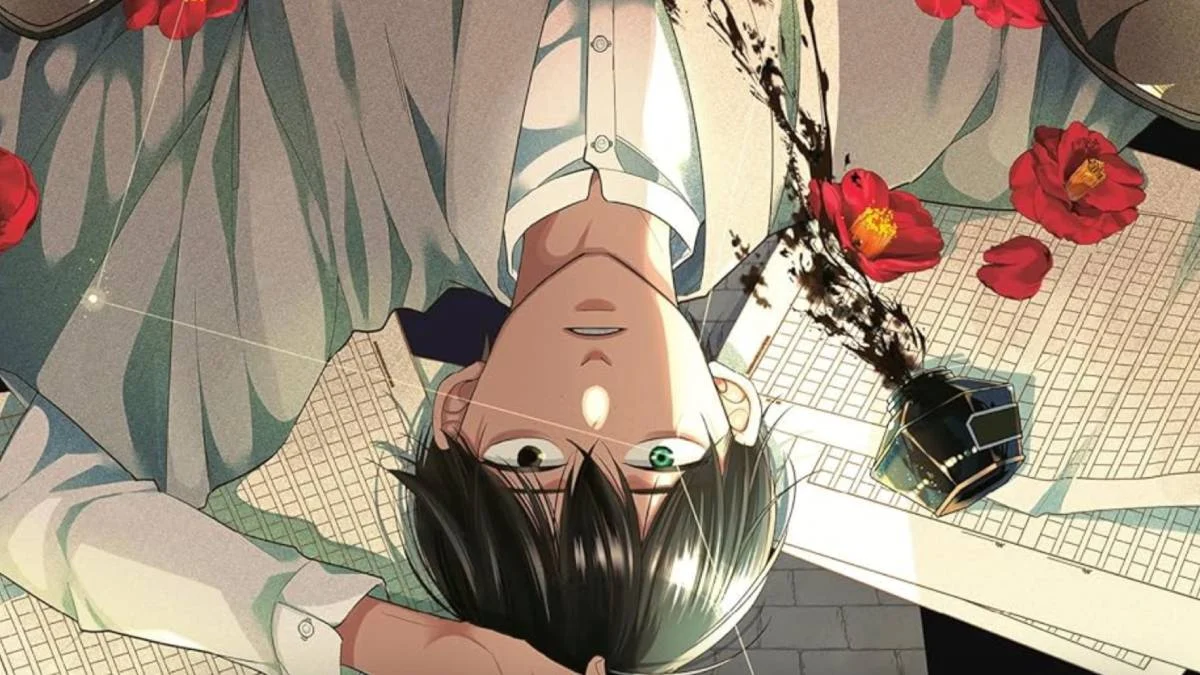
The shift in tone is not merely a stylistic choice but a fundamental restructuring of how Toyota explores human connection. Where Cherry Magic utilized a supernatural conceit to foster intimacy and understanding between its leads, A Starlit Darkness utilizes the grounded, often harsh realities of the Taisho era (1912–1926) to examine the alienation inherent in the pursuit of artistic validation. The series introduces a protagonist whose internal struggle is not with the discovery of love, but with the maintenance of his own will to live.
The Narrative Core: A Taisho Era Struggle for Identity
Set against the backdrop of early 20th-century Japan, A Starlit Darkness centers on Subaru Karasuma, a writer who has fallen into deep financial and emotional ruin. The Taisho era, often characterized by its "Taisho Democracy" and rapid Westernization, was also a period of intense literary experimentation and social upheaval. Subaru embodies the "struggling intellectual" archetype of this period, drowning in debt and paralyzed by his perceived failures.
The story begins with a moment of profound despair. Subaru visits his neighbors to retrieve a coal brazier he had previously lent them, with the secret intention of using it to commit suicide via carbon monoxide poisoning. This introduction immediately sets a grim tone that contrasts sharply with the lighthearted "wizard" mythology of Toyota’s previous work. However, the narrative takes a turn when Subaru discovers that his neighbors are part of a literary collective. This group is collaborating on a self-published magazine under the guidance of Geppo Yagira, a highly successful and celebrated author.
Geppo, recognizing Subaru’s intent almost instantly, intervenes not with a traditional display of empathy, but with a challenge. He goads Subaru into joining the collective to replace a member who recently departed, offering financial compensation that Subaru cannot afford to refuse. This interaction establishes the central dynamic of the series: a relationship built on obligation, envy, and an unsettling power imbalance.
Historical Context: The Literary Landscape of the Early 20th Century
To understand the stakes of A Starlit Darkness, one must consider the historical environment in which it is set. The Taisho era was a golden age for Japanese literature, seeing the rise of the "I-Novel" (Watakushi shōsetsu) and the formation of various literary circles known as bundan. During this time, the pressure to succeed within these circles was immense, often leading to the very type of psychological distress Subaru experiences.
Subaru and Geppo represent two sides of the same coin within this literary world. Both were published in the same magazines during their student years, indicating they started from similar positions of potential. However, their paths diverged sharply. While Geppo achieved financial stability and social prestige, Subaru "crashed and burned," eventually dropping out of the professional sphere. This professional divergence fuels a sense of deep-seated envy that permeates Subaru’s every interaction with Geppo. The inclusion of a self-published magazine (dōjinshi-like in its early form) highlights the collaborative yet competitive nature of the era’s creative output.
Psychological Dynamics: The Benevolence of a Rival
The relationship between Subaru and Geppo is the primary engine of the manga’s tension. Unlike the supportive and eventually romantic bond in Cherry Magic, the connection in A Starlit Darkness is fraught with ambiguity. From a surface-level perspective, Geppo appears to be a benefactor. He saves Subaru’s life, provides him with a professional opportunity, and assists him in navigating his debts.
However, from Subaru’s perspective, these acts of kindness are perceived as a "deal with the devil." Each gesture of help from Geppo serves as a reminder of Subaru’s own inadequacy. The obligation created by Geppo’s assistance puts an emotional weight on Subaru that further stifles his creative passion. This nuanced portrayal of "help" as a form of psychological pressure is a sophisticated exploration of how power dynamics can distort even seemingly altruistic actions.
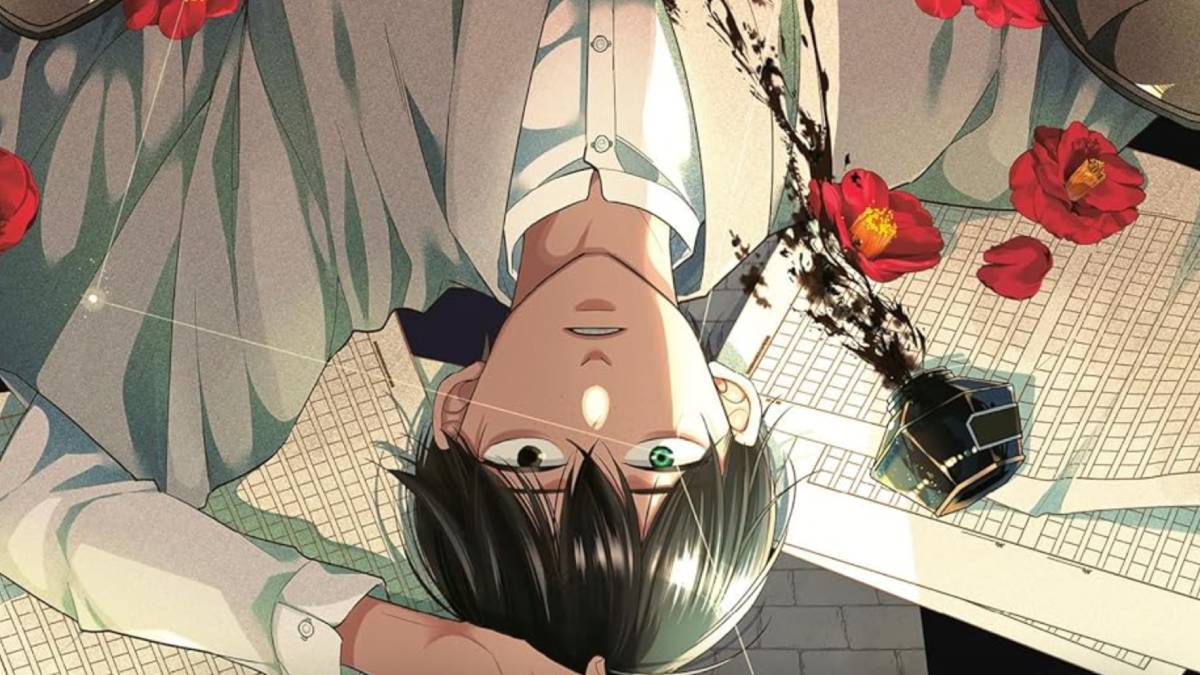
The narrative structure of the first volume further complicates this dynamic. For the first two chapters, the reader is confined to Subaru’s internal monologue, experiencing his depression and resentment firsthand. It is only in the third and fourth chapters that the perspective shifts, offering a glimpse into Geppo’s mindset. This shift reveals that Geppo’s motivations may be more complex than simple benevolence or professional rivalry, suggesting a shared history or a hidden obsession that will likely drive the plot in future volumes.
Comparative Thematic Analysis: Magic vs. Reality
The contrast between Cherry Magic and A Starlit Darkness provides a unique look at Yuu Toyota’s evolution as a storyteller. In Cherry Magic, the protagonist Adachi gains the ability to read minds after reaching the age of 30 as a virgin. This "magic" serves as a bridge, allowing him to bypass the barriers of social anxiety and connect with his colleague, Kurosawa. The magic is a tool for clarity and emotional honesty.
In A Starlit Darkness, there is no supernatural intervention. The "darkness" mentioned in the title is entirely internal and societal. Relationships are not facilitated by a magical ability but are hindered by the very real barriers of pride, mental health, and social status. Where Cherry Magic is about the joy of being known, A Starlit Darkness is about the pain of being seen—specifically, the pain of being seen in one’s lowest state by the person one envies most. This shift suggests a more mature, cynical, and perhaps more realistic exploration of human interaction from Toyota.
Global Distribution and the Square Enix Strategy
The decision by Square Enix to pick up A Starlit Darkness for a worldwide release reflects a broader trend in the manga industry. Following the global success of series like Cherry Magic, publishers are increasingly looking to capitalize on the established fanbases of specific mangaka, even when they pivot genres. Square Enix Manga & Books has been aggressive in its localization efforts, recognizing that international audiences have a growing appetite for diverse stories beyond traditional shonen or shojo tropes.
The localization of A Starlit Darkness is particularly notable because it targets a demographic that appreciates "Seinen" (young adult male) or "Josei" (young adult female) dramas with psychological depth. By releasing the series in North America and Europe, Square Enix is positioning Toyota not just as a creator of romantic comedies, but as a versatile author capable of handling intense, character-driven thrillers.
Timeline and Future Outlook
The rollout of A Starlit Darkness follows a strategic schedule aimed at maintaining momentum in the English-speaking market.
- Volume 1 Release: Currently available, establishing the Taisho-era setting and the foundational conflict between Subaru and Geppo.
- Volume 2 Release: Scheduled for September 15, 2026. This volume is expected to delve deeper into Geppo’s perspective and the secrets behind his successful career.
- Contextual Background: The release comes after the 2024 anime adaptation of Cherry Magic, which revitalized interest in Toyota’s bibliography and ensured a ready-made audience for her subsequent projects.
Industry analysts suggest that the success of A Starlit Darkness will likely depend on its ability to bridge the gap between Toyota’s existing fans and new readers who prefer historical or psychological fiction. While the tone is a departure, the core strength of Toyota’s writing—her ability to render internal emotional states with precision—remains the central draw of the work.
Implications for the Genre
A Starlit Darkness contributes to a growing sub-genre of "Taisho Noir" or "Taisho Gothic" manga, which uses the specific aesthetic and social constraints of the early 1900s to tell stories of personal and societal decay. By focusing on the "writer’s life," the series also joins a long tradition of Japanese literature that examines the toll of the creative process on the human psyche.
The series stands as a testament to the versatility of modern mangaka. In an industry where creators are often pigeonholed into a single genre once they achieve a major hit, Yuu Toyota’s move into psychological drama is a bold assertion of artistic range. The relationship between Subaru and Geppo serves as a sophisticated case study in the complexities of human connection, proving that a bond does not need to be romantic or "magical" to be profoundly impactful. As the series progresses toward its second volume in 2026, it remains one of the most anticipated psychological dramas in current serialization, offering a stark, starlit look at the shadows of the human heart.