 Cecilia Chamidah Nur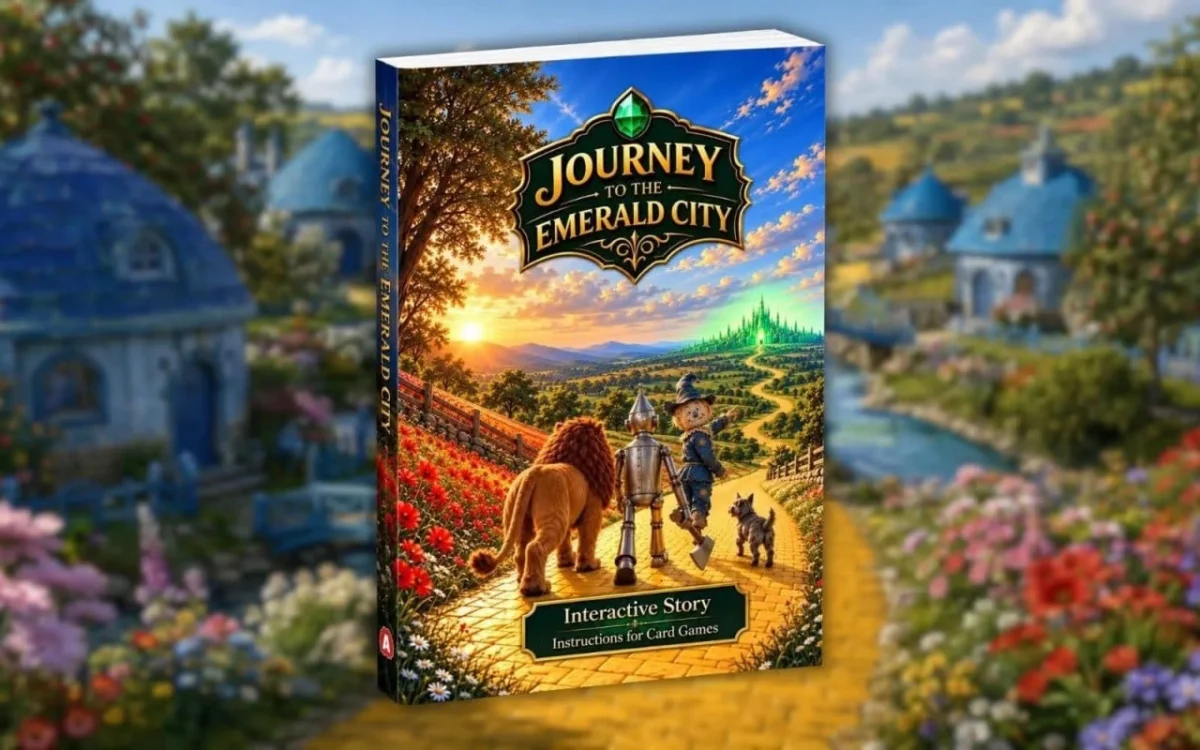
The Oliver Twins, Philip and Andrew Oliver, were once the undisputed architects of the British home computer software industry. Rising to prominence during the 1980s "bedroom coding" boom, the duo became synonymous with the Dizzy franchise, a series of puzzle-platformers that defined the aesthetic of the ZX Spectrum, Commodore 64, and Amstrad CPC eras. Over the subsequent decades, their influence expanded through the founding of major development houses including Interactive Studios—later rebranded as Blitz Games Studios—and eventually Radiant Worlds. However, the siblings’ recent transition toward Generative AI-driven content has sparked significant debate within the gaming and creative communities, culminating in a controversial new Kickstarter campaign.
A Chronology of the Oliver Twins’ Industry Transition
To understand the current tension surrounding the Oliver Twins, it is necessary to examine the trajectory of their careers. During the 1980s and 1990s, the brothers were lauded for their technical efficiency and prolific output. Their work on Dizzy was characterized by hand-drawn pixel art and rigorous manual programming, which became a hallmark of early British game design.
Following the closure of Blitz Games in 2013, the brothers sought to remain relevant in a rapidly shifting digital landscape. By the late 2010s, they shifted their focus toward "RichCast," a platform designed to enable users to create interactive, voice-driven experiences using AI. This pivot signaled a departure from traditional game development models toward a system where automation played a central role in narrative and asset generation.
The most notable friction point occurred with the release of their Ghost Hunters interactive experience. Critics and long-time fans noted that the production relied heavily on AI-generated assets, leading to accusations that the project lacked the creative soul and technical polish that had historically defined the Oliver brand. The reception of Ghost Hunters served as a precursor to the current public discourse surrounding their latest venture.
Analysis of the "Journey to the Emerald City" Kickstarter
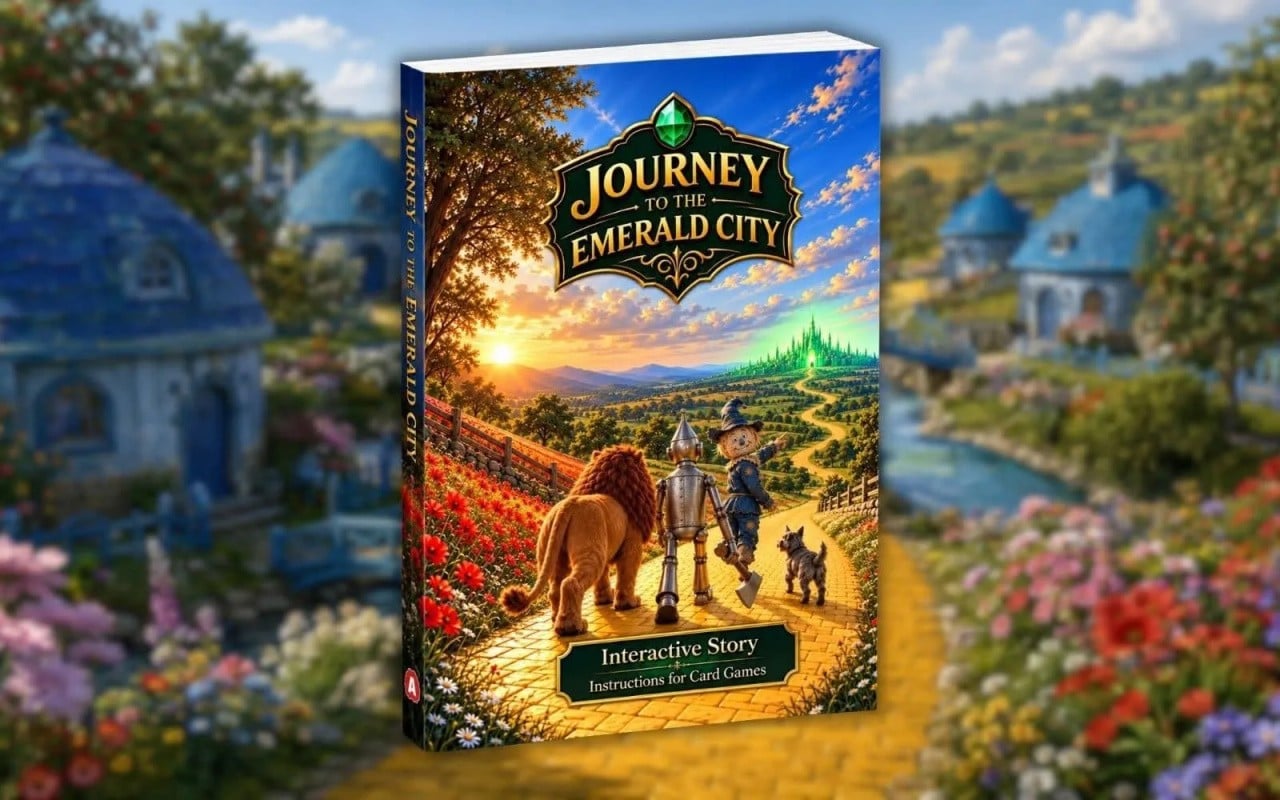
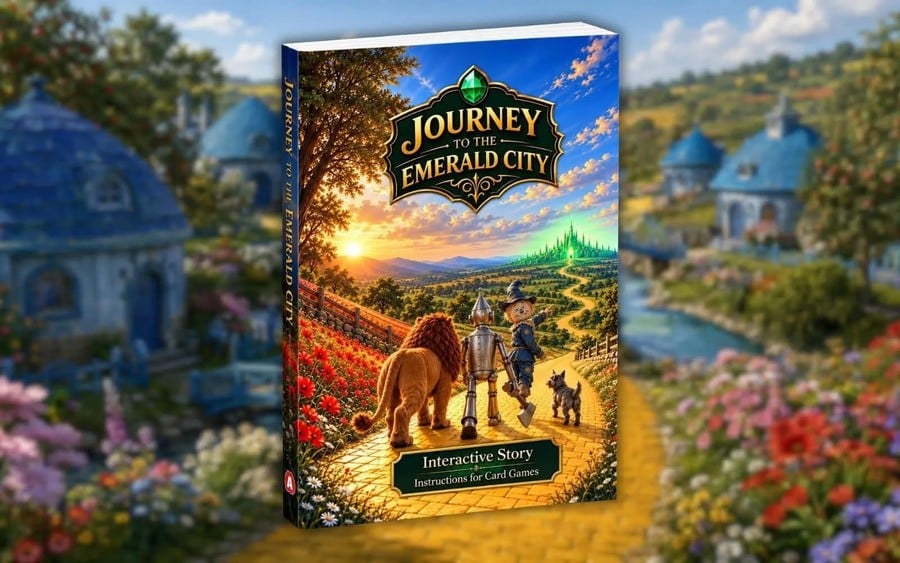
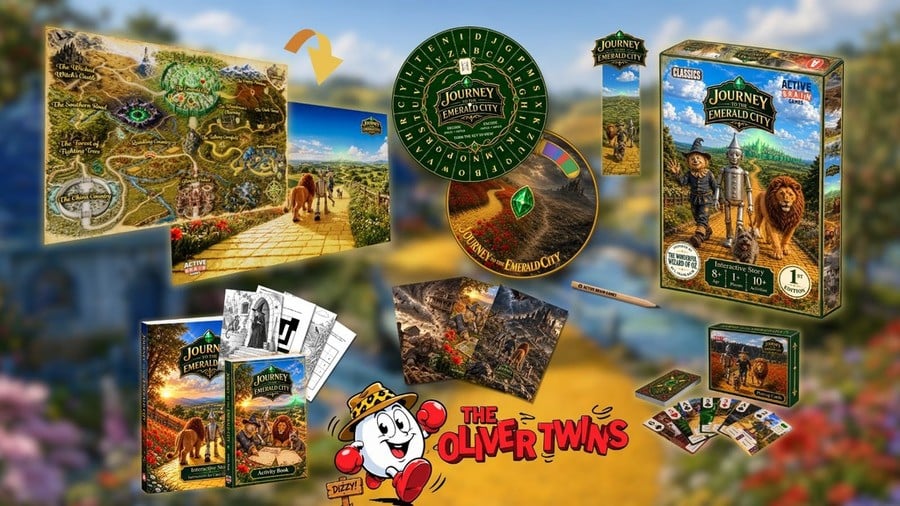
The current controversy centers on Journey to the Emerald City, a project recently identified on the crowdfunding platform Kickstarter. Marketed as a "story-led interactive adventure" based on L. Frank Baum’s classic The Wizard of Oz, the project includes a collection of physical and digital assets, such as a narrative book, game cards, a cipher disc, and maps.

Early scrutiny from observers, including social media analysts, has pointed to the visual design of these materials as being predominantly, if not entirely, the product of generative AI models. The use of such technology has become a contentious issue in the creative industries, where artists and illustrators frequently express concerns regarding the ethical sourcing of training data and the potential displacement of human labor.
The inclusion of the Dizzy character in promotional materials related to these new AI-integrated projects has also drawn sharp criticism. Fans of the original character have noted that the AI-rendered version of the anthropomorphic egg lacks the specific visual markers and charm of the original designs, leading to accusations of brand dilution.
Supporting Data and Industry Context
The shift toward AI in small-to-medium enterprise (SME) development is a growing trend, yet it remains polarized. According to recent industry reports, while AI-assisted development can reduce production costs by an estimated 20% to 40% for asset creation, it also introduces risks related to copyright uncertainty and consumer backlash.
In the case of the Oliver Twins, the reliance on AI appears to be a core strategy for their current operations. By leveraging automation to generate illustrations and narrative text, the brothers are attempting to bypass the traditional, time-intensive processes of hiring human illustrators, writers, and artists. However, this efficiency comes at the cost of brand equity. For a studio whose history is rooted in the "hand-crafted" nature of early software, the move to AI is perceived by many as an abandonment of the very principles that brought them their initial success.
Public Reception and Community Feedback
The reaction to the announcement of Journey to the Emerald City has been predominantly skeptical. Forums, social media platforms, and community hubs dedicated to retro gaming have become staging grounds for debates regarding the role of human artistry versus algorithmic output.
Critics argue that by utilizing generative models for a classic literary property like The Wizard of Oz, the developers are failing to provide the "bespoke" experience that crowdfunding backers typically expect. Unlike traditional projects where backers pledge support to artists, writers, and programmers, the current campaign structure creates a perception that the funds are being used to subsidize automated processes rather than creative talent.
While the Oliver Twins have not released an official statement regarding the specific allegations of AI usage in their latest campaign, their past public communications suggest they view Generative AI as an essential tool for "democratizing" game development. They have previously framed these technologies as the next logical step in the evolution of interactive media, asserting that AI allows smaller teams to compete with larger studios by scaling their output.
Broader Implications for Legacy Developers
The situation involving the Oliver Twins reflects a wider existential crisis facing developers from the 8-bit and 16-bit eras. As the industry moves toward high-fidelity, resource-intensive development, veteran developers are often faced with three choices: retire, adapt to modern AAA development standards, or pivot to emerging technologies like AI to maintain control over their intellectual property.
The Oliver Twins have chosen the latter, but in doing so, they have highlighted the friction between the nostalgic expectations of their audience and the economic realities of the modern digital market. The broader implications for the industry are significant:

- The Devaluation of Artistic Labor: As AI-generated content becomes more prevalent in independent crowdfunding, the professional standing of human artists may be further marginalized.
- Brand Integrity: Established developers risk alienating their core demographic when they replace human-led design with machine-generated aesthetics, potentially causing long-term damage to their professional legacy.
- Crowdfunding Sustainability: Platforms like Kickstarter may see a shift in donor behavior if backers begin to perceive AI-heavy projects as "low-effort" or "soulless," potentially leading to stricter guidelines regarding AI disclosure.
Conclusion
The trajectory of the Oliver Twins from the vanguard of the British gaming revolution to the center of the generative AI debate is a cautionary tale of creative evolution. As the campaign for Journey to the Emerald City prepares to launch, it serves as a litmus test for the gaming community’s tolerance for AI-produced creative work.
Whether the Oliver Twins can reconcile their historic identity as industry pioneers with their current reliance on synthetic media remains to be seen. What is clear, however, is that the industry is moving into an era where the divide between "human-made" and "machine-made" content will become a primary factor in consumer purchasing decisions. The success or failure of this campaign will likely influence how other legacy developers choose to handle the integration of AI in their own future endeavors. For now, the brothers remain a point of contention, embodying the friction between the industry’s past and its increasingly automated future.