 Hartono Sudibyo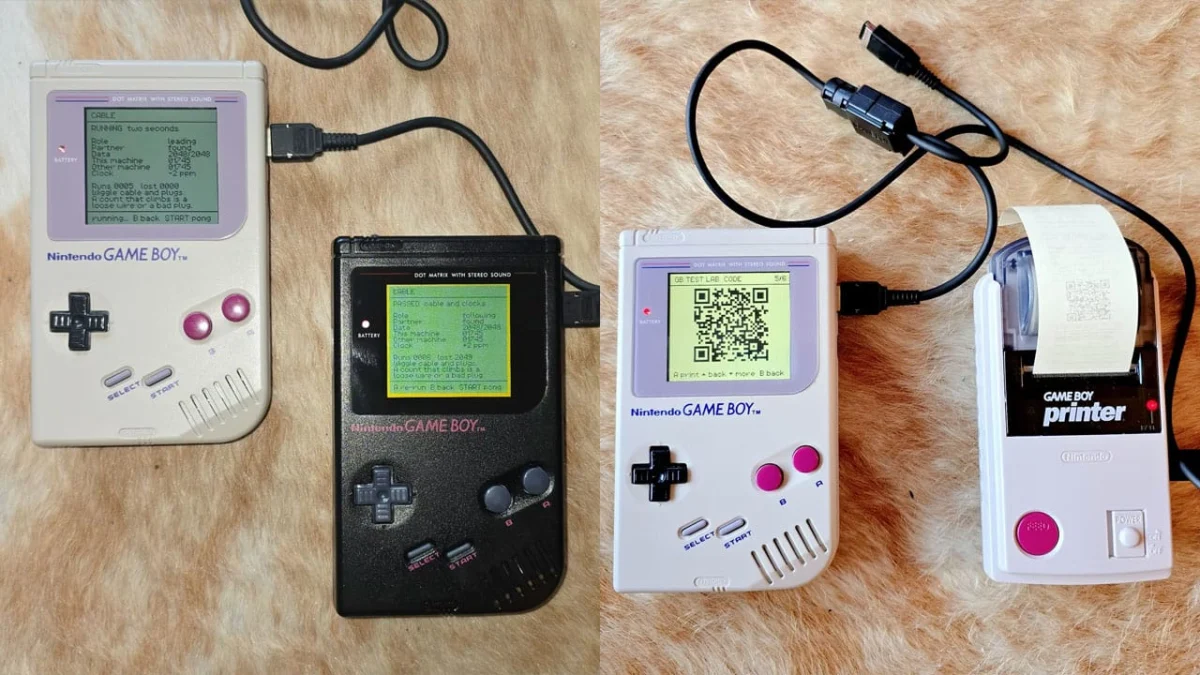
As the original Nintendo Game Boy approaches four decades of service since its landmark debut in 1989, hardware preservationists, repair technicians, and retro gaming enthusiasts face an escalating challenge: how to accurately assess the internal health of aging electronics. While external cleaning, shell replacements, and screen mods have become standard procedure in the thriving retro repair community, diagnosing deep-seated electronic failures—such as intermittent link port connectivity, memory degradation, or subtle wiring faults—has traditionally required specialized, rare equipment or tedious trial-and-error troubleshooting.
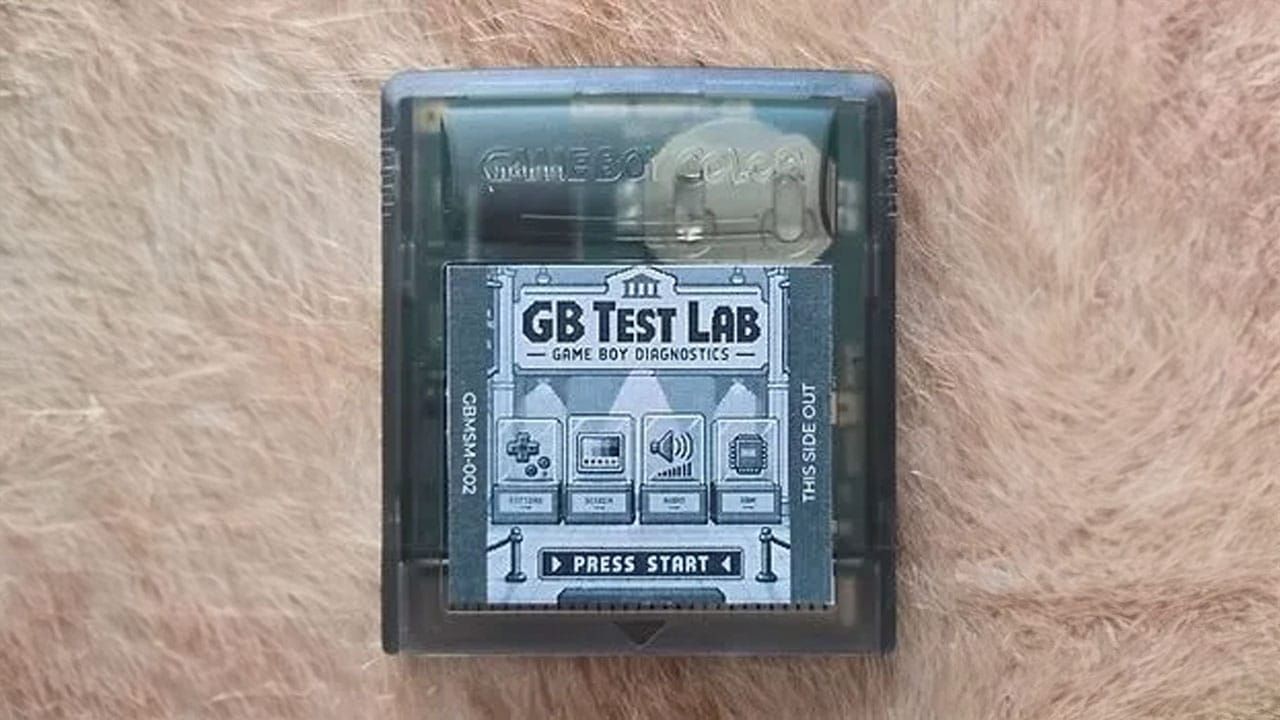
Addressing this critical gap in the retro hardware ecosystem, Marcel Pflug of the Game Boy Museum has developed the GB Test Lab, a comprehensive diagnostic cartridge designed to evaluate the operational integrity of original Game Boy (DMG-01) consoles. By packaging advanced diagnostic protocols into a standard ROM file that can be loaded onto flash cartridges like the EverDrive, this innovation brings factory-grade testing capabilities directly to independent repair shops and hobbyists worldwide.
Main Facts and Technical Scope
The GB Test Lab functions as a thorough health check for the vintage handheld, probing hardware functionality far beyond the basic ability to boot up a commercial video game. According to documentation provided by the Game Boy Museum, the software tests virtually every critical component of the console. This includes rigorous assessments of the CPU, RAM, key bounce times (the physical contact stability of the D-pad and action buttons), audio channels, and the operational status of the peripheral link ports.
Notably, the diagnostic tool evaluates whether a console can reliably interface with specialized hardware accessories, such as the historic Game Boy Printer. By generating real-time readouts and telemetry for each subsystem, technicians can isolate failing components, pinpoint micro-fractures in internal wiring, and verify whether a restored motherboard is performing to original factory specifications.
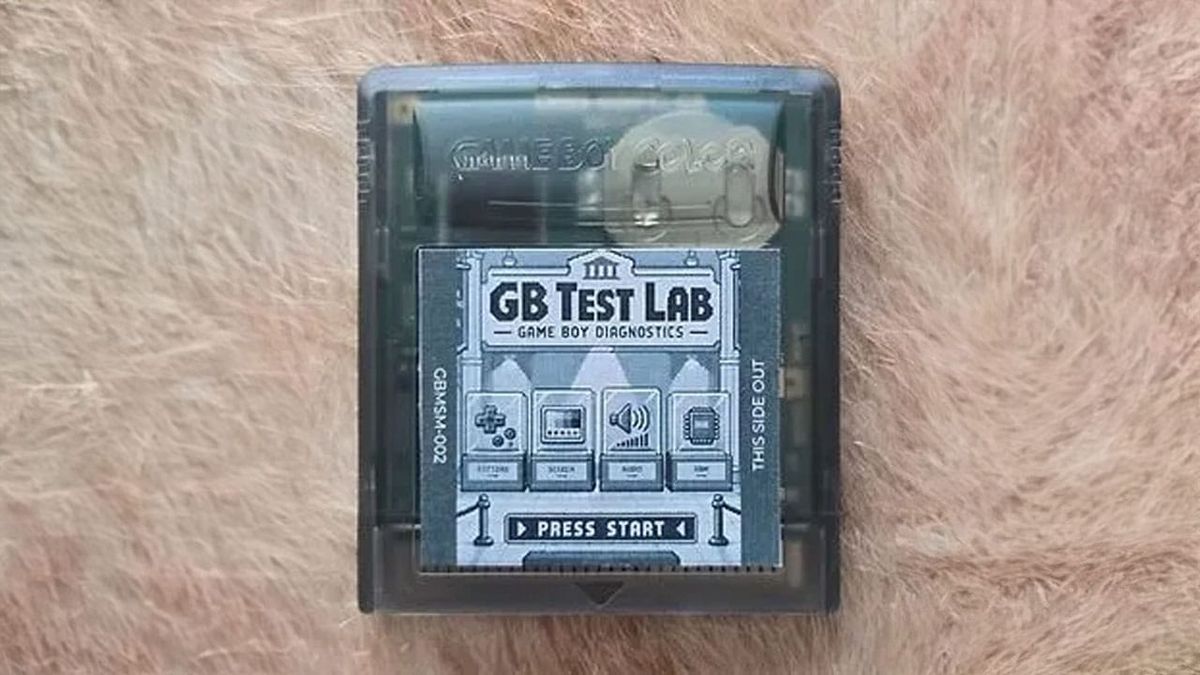
The software ROM is made freely available to the public via the Game Boy Museum’s digital platform, where users can download the file for deployment on compatible flash hardware or run preliminary checks via browser-based emulators.
Background Context and Historical Precedent
To understand the significance of the GB Test Lab, one must examine the historical ecosystem of console manufacturing and quality control. During the peak production years of the original Game Boy in the late 1980s and 1990s, Nintendo and authorized repair centers relied on proprietary diagnostic tools to streamline factory maintenance. The most notable official precursor is the DMG-AGING-01 cartridge, a specialized testing ROM used internally by Nintendo technicians.
The term "aging" in this context refers to the industrial practice of burn-in testing—operating electronic components under load for extended periods to accelerate potential infant mortality failures or expose thermal weaknesses. While official Nintendo diagnostic cartridges were restricted to authorized service centers and rarely entered the consumer market, they set a precedent for systematic, software-driven hardware evaluation.
Over the decades, as millions of Game Boy units transitioned from consumer electronics to collectible vintage hardware, the absence of accessible diagnostic software forced technicians to rely on subjective evaluations. A console was generally deemed "functional" if it successfully loaded a cartridge screen and played audio through the speaker or headphone jack. However, underlying issues—such as degraded solder joints on the link port, failing decoupling capacitors, or fluctuating clock speeds—often went unnoticed until total hardware failure occurred. The GB Test Lab bridges this historical divide, democratizing professional-grade diagnostics that were once exclusive to industrial repair facilities.
Chronology and Development Timeline

The genesis of the GB Test Lab spans years of archival research, reverse-engineering, and hardware documentation spearheaded by Marcel Pflug and the broader Game Boy Museum community.
- 1989–1998: Nintendo produces millions of DMG-01 Game Boy units globally, utilizing internal factory diagnostics and specialized test fixtures to manage quality control during manufacturing and warranty repairs.
- 2010s: As retro gaming gains commercial momentum, a grassroots community of hardware modders emerges, focusing primarily on aesthetic upgrades, such as backlit screen replacements, custom shells, and rechargeable battery mods. Diagnostic methodologies remain largely manual and analog.
- Early 2020s: With vintage hardware aging into its third and fourth decade, the frequency of complex electronic failures—including trace corrosion, acid damage from leaking batteries, and bus communication errors—increases. The community recognizes an urgent need for standardized testing tools.
- October 2026: Marcel Pflug formally releases the GB Test Lab project via the Game Boy Museum, publishing the diagnostic ROM, technical documentation, and browser-based emulation options, quickly gaining widespread attention across open-source hardware and retro gaming networks like Hackaday.
Supporting Data and System Requirements
Implementing the GB Test Lab requires specific hardware configurations to ensure accurate telemetry and signal processing. Because the diagnostic tool interacts directly with the physical architecture of the DMG-01 motherboard, compatibility extends across standard original hardware and specific flash media solutions.
- Primary Target Hardware: Original Nintendo Game Boy (Model DMG-01).
- Execution Medium: Compatible flash cartridges, most notably EverDrive series cartridges capable of running homebrew and diagnostic ROM files.
- Peripheral Testing Capabilities: RS-232 serial communication lines (link cable ports), internal audio synthesis registers (Square 1, Square 2, Wave, and Noise channels), video RAM (VRAM) integrity, and controller matrix input polling rates.
- Accessibility: Open-access distribution via the Game Boy Museum portal, allowing both advanced electrical engineers and amateur restorers to utilize the software without commercial licensing barriers.
Official Responses and Community Reactions
The release of the GB Test Lab has generated significant discussion within the digital preservation, electronics repair, and open-source hardware communities. Technicians have praised the tool for transforming subjective repair work into an objective, data-driven science.
Industry analysts and preservationists emphasize that as electronic components age, chemical degradation of capacitors and microscopic oxidation of internal traces become inevitable. Tools that provide exact performance metrics enable preventative maintenance rather than purely reactive repairs. By identifying a weakening component before it causes catastrophic failure on the mainboard, restorers can significantly extend the operational lifespan of historical hardware.
Furthermore, open-source hardware advocates have highlighted the educational value of the project. The detailed documentation accompanying the release allows hobbyists to study the underlying architecture of the Ricoh LR35902 processor and associated support chips, fostering a deeper technical understanding of 8-bit computing principles.
Broader Impact and Implications for Retro Preservation
The introduction of the GB Test Lab arrives at a pivotal juncture for electronic preservation. As functional vintage hardware becomes increasingly scarce and valued by collectors, museums, and enthusiasts, the methodologies used to maintain these artifacts must evolve from rudimentary fixes to professional conservation standards.
Diagnostic cartridges of this caliber shift the paradigm of retro gaming maintenance. By standardizing the testing process, repair shops can ensure consistent quality control, reduce diagnostic times, and prevent the misdiagnosis of complex motherboard faults. For the broader community, the tool represents a collective effort to safeguard gaming history against the inevitable decay of time, ensuring that original 1989 hardware can continue to function, be studied, and be enjoyed by future generations.