 Hartono Sudibyo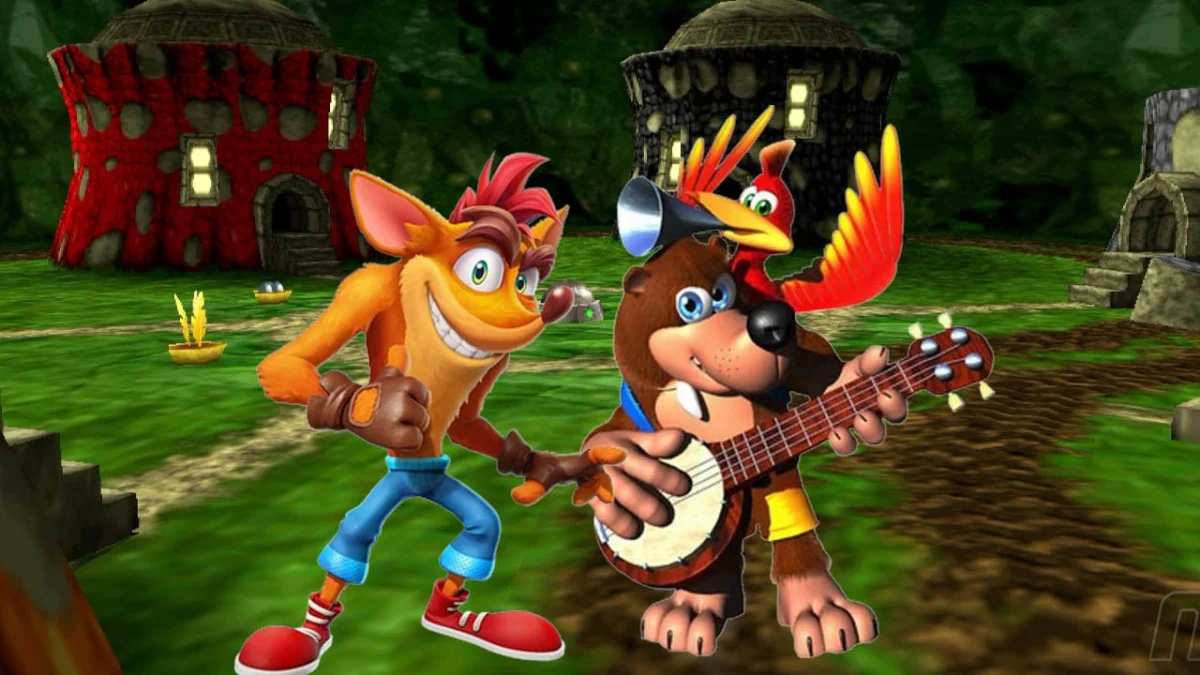
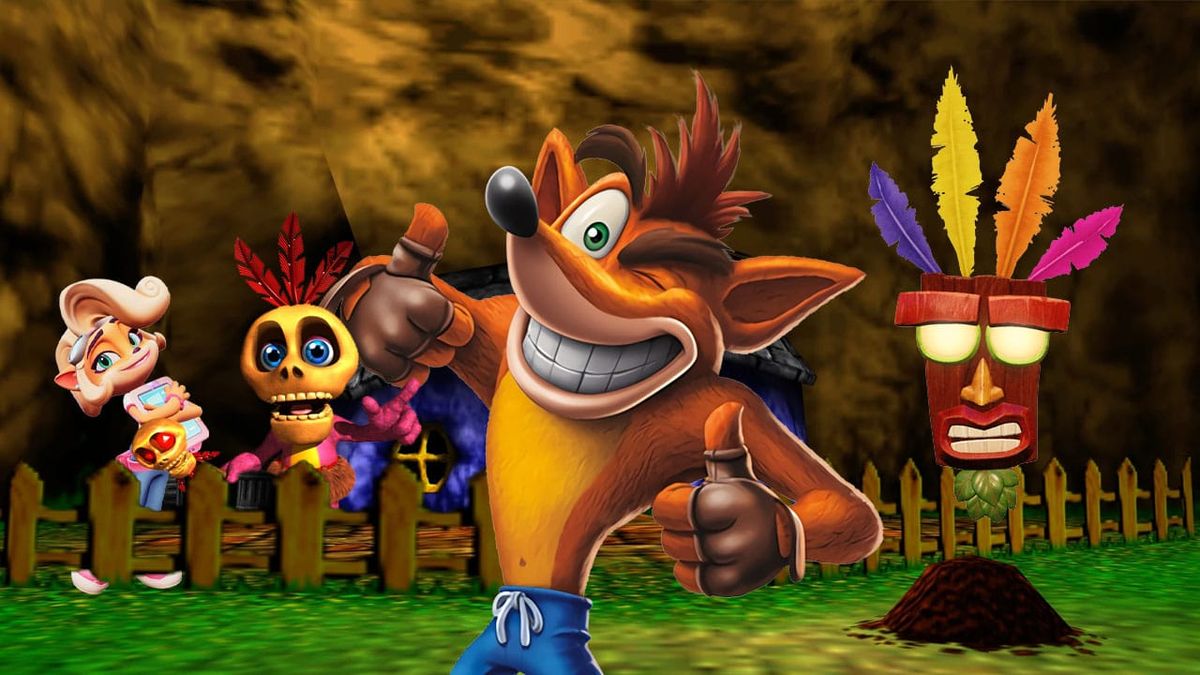
The landscape of the video game industry is once again abuzz with speculation following significant structural realignments within Microsoft’s Xbox division. Recent announcements detailing the administrative transfer of several prominent development studios under the Xbox umbrella to Activision have ignited intense discussions among industry analysts and retro gaming enthusiasts alike. Among the chief points of interest is the unverified, yet widely circulated, rumor that Rare—the legendary British studio renowned for classics such as Banjo-Kazooie and Donkey Kong Country—may have been tasked with developing a brand-new entry in the iconic Crash Bandicoot franchise.
While official confirmation from Microsoft, Xbox leadership, or Activision remains absent, the strategic implications of these corporate shifts have provided fertile ground for industry forecasting. Observers are evaluating how the cross-pollination of historic platforming talent and dormant intellectual properties could reshape the modern gaming market, particularly concerning the scarcity of traditional, non-Nintendo platformers on contemporary consoles.
Main Facts and the Catalyst for Rumors
The current wave of speculation traces back to organizational updates outlined by Xbox executive Asha Sharma regarding the operational integration between Microsoft’s internal development houses and Activision. Since Microsoft’s acquisition of Rare from Nintendo in 2002, the studio has experienced several shifts in corporate oversight, project focus, and portfolio management. The latest realignment places legacy studios into closer collaborative proximity with Activision’s expansive catalog of historic intellectual properties.
Crash Bandicoot, originally created by Naughty Dog in 1996 for the original PlayStation, has changed hands multiple times over the decades, seeing development stints under studios like Vicarious Visions and Toys for Bob within the Activision publishing framework. Given Rare’s historical mastery of character-driven, collectathon-style 3D platformers, industry commentators have quickly connected the dots, suggesting that assigning the Crash Bandicoot or Spyro the Dragon intellectual properties to Rare represents a logical alignment of studio expertise and publisher assets.
Historical Chronology of Studio and Franchise Evolution
To understand the weight of the current rumors, it is necessary to examine the historical trajectories of both Rare and the Crash Bandicoot franchise.

- 1982–1994 (The Rare Origins): Founded as Ultimate Play the Game by Tim and Chris Stamper, the studio eventually rebranded as Rare and achieved global renown during the 16-bit and Nintendo 64 eras through groundbreaking titles such as Donkey Kong Country (1994), GoldenEye 007 (1997), and Banjo-Kazooie (1998).
- 1996 (The Birth of Crash): Naughty Dog released the original Crash Bandicoot, establishing a vibrant, linear 3D platforming template that defined the late-90s Sony ecosystem.
- 2002 (Microsoft Acquisition): Microsoft acquired Rare for $375 million, shifting the studio’s output toward Xbox and Xbox 360 hardware, which eventually led to titles like Viva Piñata (2006) and Banjo-Kazooie: Nuts & Bolts (2008), alongside later heavy investments in Kinect software.
- 2018–2020 (Resurgence Eras): Toys for Bob successfully revived the Crash Bandicoot franchise with the release of the critically acclaimed Crash Bandicoot N. Sane Trilogy (2017) and Crash Bandicoot 4: It’s About Time (2020), proving that robust consumer demand for classic mascot platformers remains active.
- 2024–2026 (Corporate Realignment): Following Microsoft’s monumental $68.7 billion acquisition of Activision Blizzard finalized in late 2023, ongoing corporate restructuring has gradually integrated various legacy studios, culminating in the recent structural announcements by Xbox leadership.
Industry Data and Platformer Market Dynamics
Market analysis underscores a distinct gap in the current console landscape regarding traditional, family-friendly 3D platformers. Aside from Nintendo’s dominant first-party output on the Nintendo Switch and its successor hardware, the PlayStation 5 and Xbox Series X/S ecosystems primarily focus on cinematic action-adventure games, live-service multiplayer titles, and complex role-playing experiences.
Data from market research firms specializing in demographic gaming habits indicate that multi-platform franchise revivals consistently outperform expectations when targeted at nostalgic adult gamers while remaining accessible to younger audiences. The commercial success of the Crash Bandicoot N. Sane Trilogy—which sold over 10 million copies globally—demonstrates the enduring viability of these characters. Introducing a fresh perspective from a studio with Rare’s pedigree could bridge the gap between linear corridor platforming and the expansive exploration mechanics popularized in titles like Banjo-Tooie.
Analysis of Potential Gameplay Shifts and Design Implications
Should the rumors hold any substantive weight, assigning the Crash Bandicoot IP to Rare would likely prompt a fundamental evolution in game design for the marsupial hero. Traditional Crash Bandicoot titles have historically relied on strict linear progression, precision timing, and fixed-camera angles. Conversely, Rare’s foundational design philosophy relies on sprawling, interconnected open worlds, environmental puzzle-solving, and deep collectible economy loops.
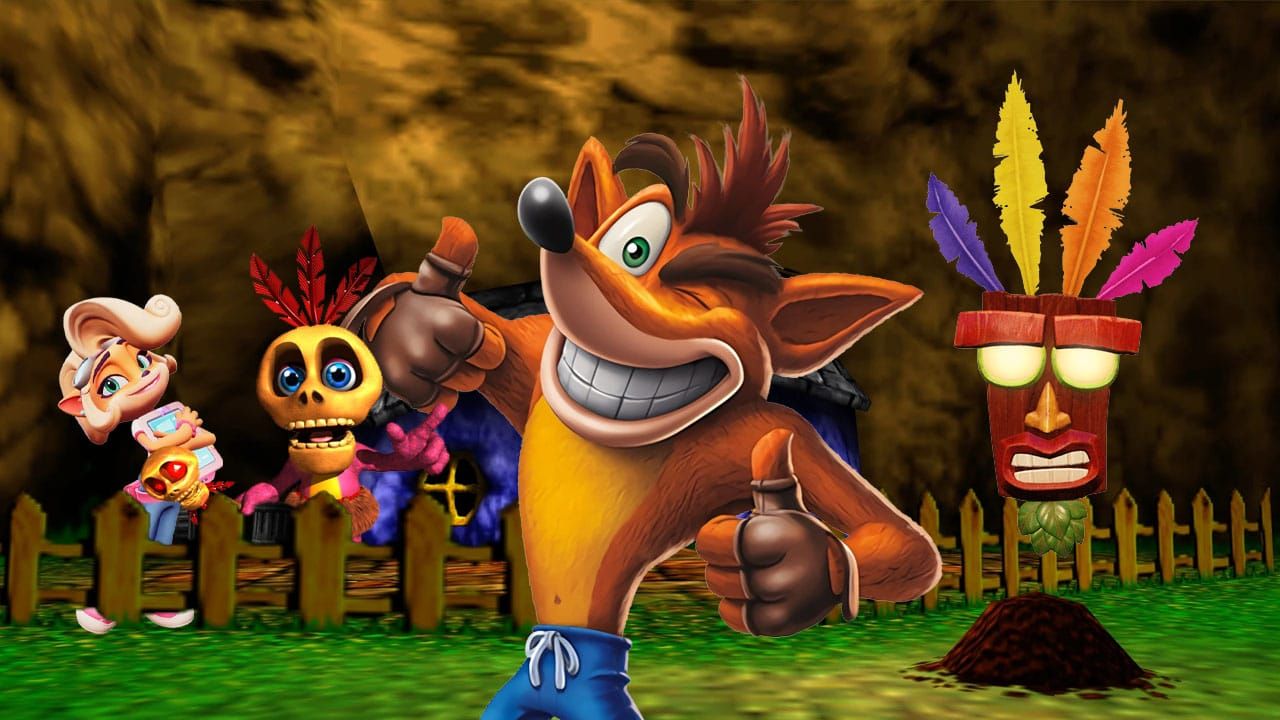
An open-ended or meandering adventure featuring Crash Bandicoot would represent a departure from his traditional level-based structure, potentially moving closer to the 3D collectathon genre that Rare helped define. While radical departures—such as the vehicle-building mechanics introduced in 2008’s Banjo-Kazooie: Nuts & Bolts—faced polarizing receptions from purists, a carefully balanced modernization could offer a compelling alternative to linear platforming standards. Alternatively, industry insiders note that Rare’s veteran developers could easily apply their historical expertise to other dormant Activision properties, such as Spyro the Dragon, which shares a similarly non-threatening, vibrant aesthetic framework.
Broader Impact and Corporate Strategy for Microsoft
The potential mobilization of Rare toward an established mascot franchise reflects a broader strategic imperative for Microsoft’s gaming division. As subscription services like Xbox Game Pass continue to expand, maintaining a diverse portfolio of recognizable, cross-generational intellectual properties is essential for subscriber retention and hardware ecosystem growth.
By leveraging historic studios to revitalize legacy franchises, Microsoft can address historical critiques regarding a perceived shortage of family-oriented, accessible software on non-Nintendo hardware. While official announcements regarding specific project pipelines remain unconfirmed by executive leadership, the convergence of Rare’s development capabilities with Activision’s massive catalog of historic brands ensures that speculation surrounding the future of classic mascots like Crash Bandicoot will remain a prominent topic of discussion across the global gaming community.