Retno Hari Mulyono
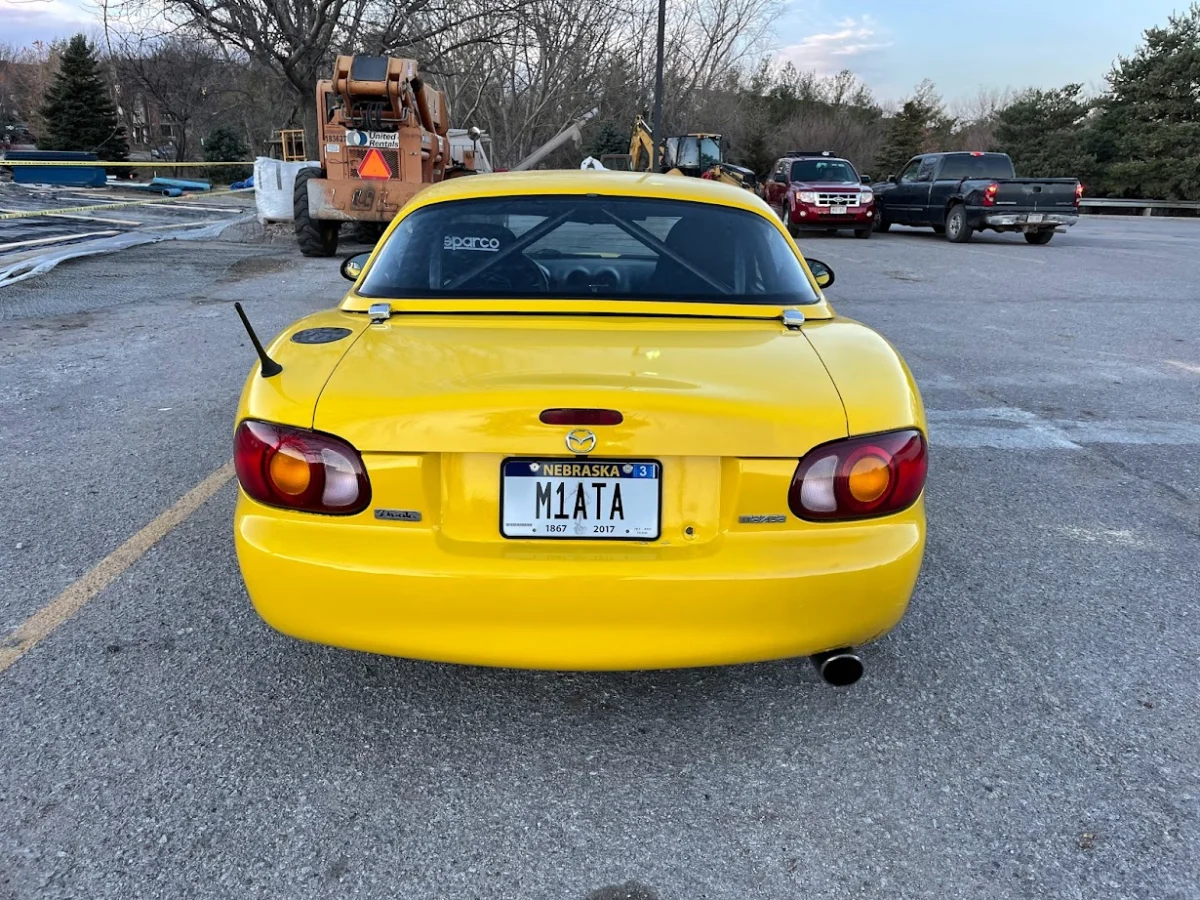
The fifth year of a comprehensive longitudinal study and development program for a 2000 Mazda MX-5 Miata (NB generation) has concluded, marking a significant transition from a stock roadster to a highly specialized track-focused machine. Over the course of the 2025-2026 season, the vehicle underwent extensive mechanical and electronic overhauls aimed at resolving persistent reliability issues and enhancing competitive consistency. This period was characterized by a shift toward advanced digital integration, including a full custom engine wiring harness and a transition to drive-by-wire (DBW) technology, while maintaining a rigorous schedule of 14 track days and over 350 completed laps.
Technical Milestones and Power Optimization
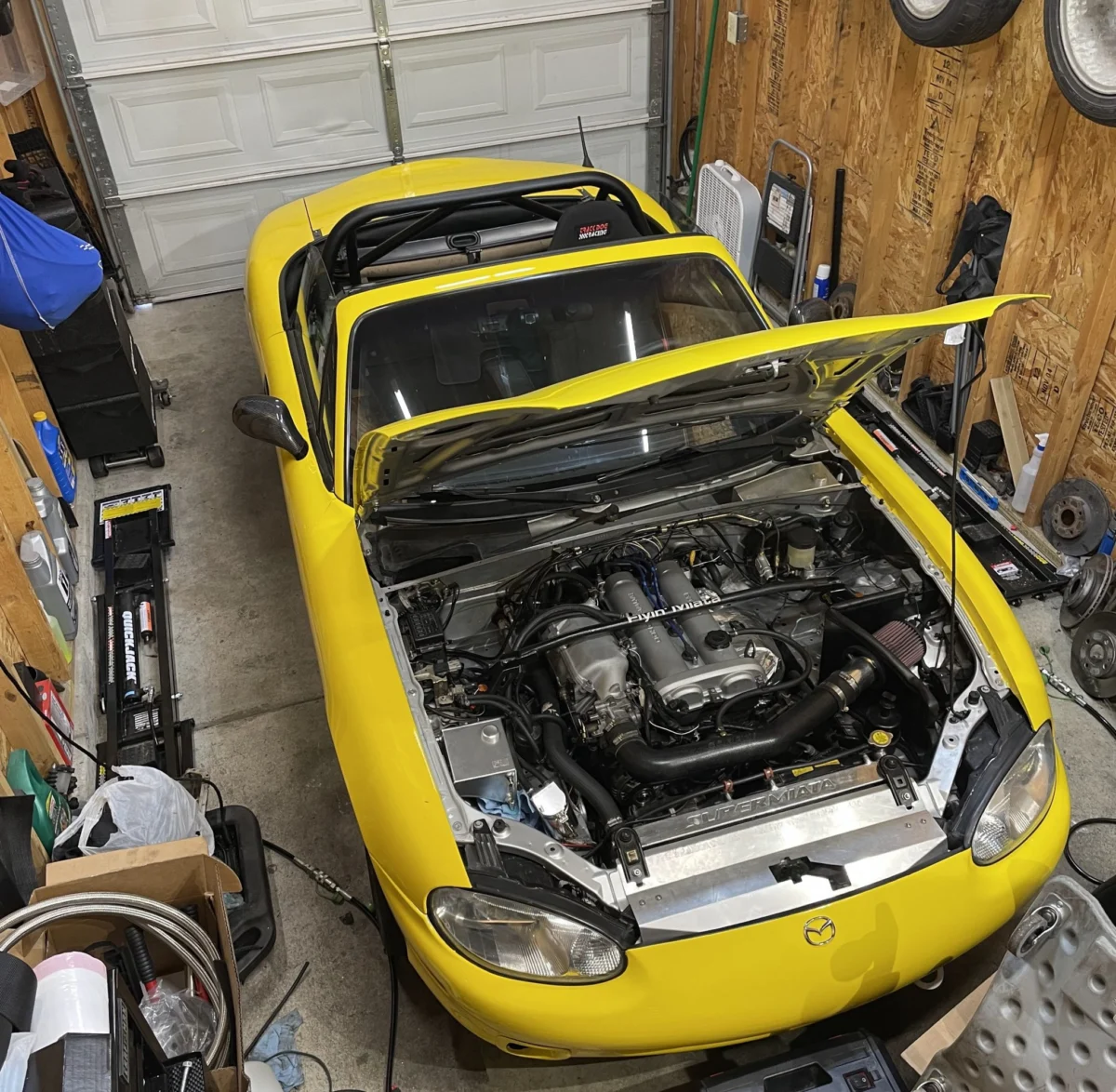
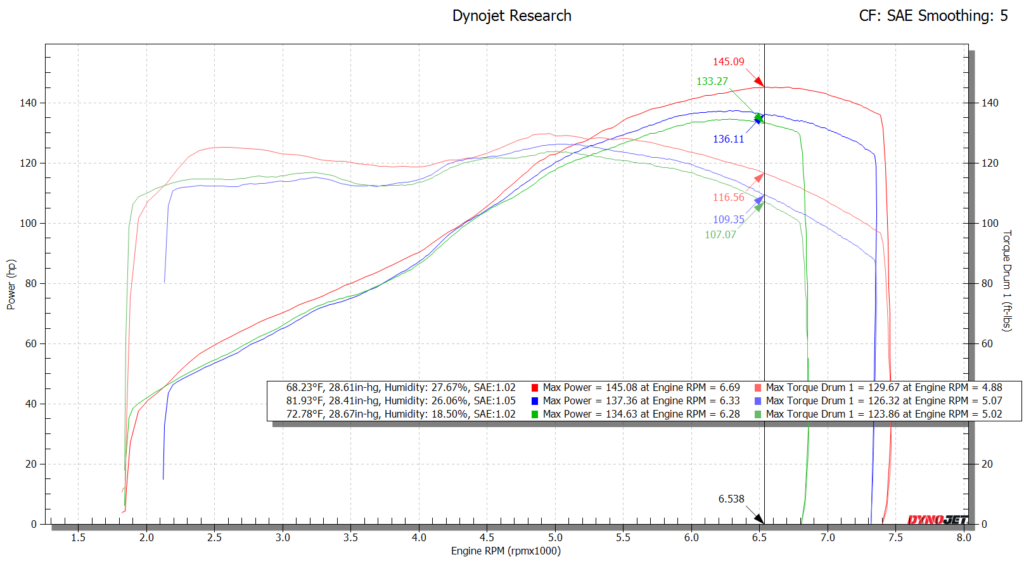
The development cycle for the 2025 season commenced in March with standardized dynamometer testing to establish a performance baseline for the SCCA Mid-States Division (MiDiv) Time Trials. The primary hardware modification involved the replacement of the previous "square top" intake manifold with a Skunk2 performance variant. Testing conducted on a Dynojet chassis dynamometer yielded a peak output of 145.09 wheel horsepower (whp) and 129.67 lb-ft of torque.
This represents a substantial improvement over the 115 whp recorded during the vehicle’s initial baseline with a stock Electronic Control Unit (ECU). Comparative data from previous years showed outputs of 133.27 whp and 136.11 whp, though the variations are partially attributed to differences in calibration between testing facilities. Analysts note that while the peak horsepower figures suggest a successful air-induction strategy, the torque curve remained a critical focus for mid-corner exit speeds throughout the subsequent racing season.
Seasonal Chronology of Track Operations and Mechanical Failure Analysis
The operational year was divided into a rigorous schedule across several major Midwestern racing circuits, revealing both the performance potential and the mechanical vulnerabilities of the aging NB platform.
Early Season Challenges at Hallett and I29 Speedway
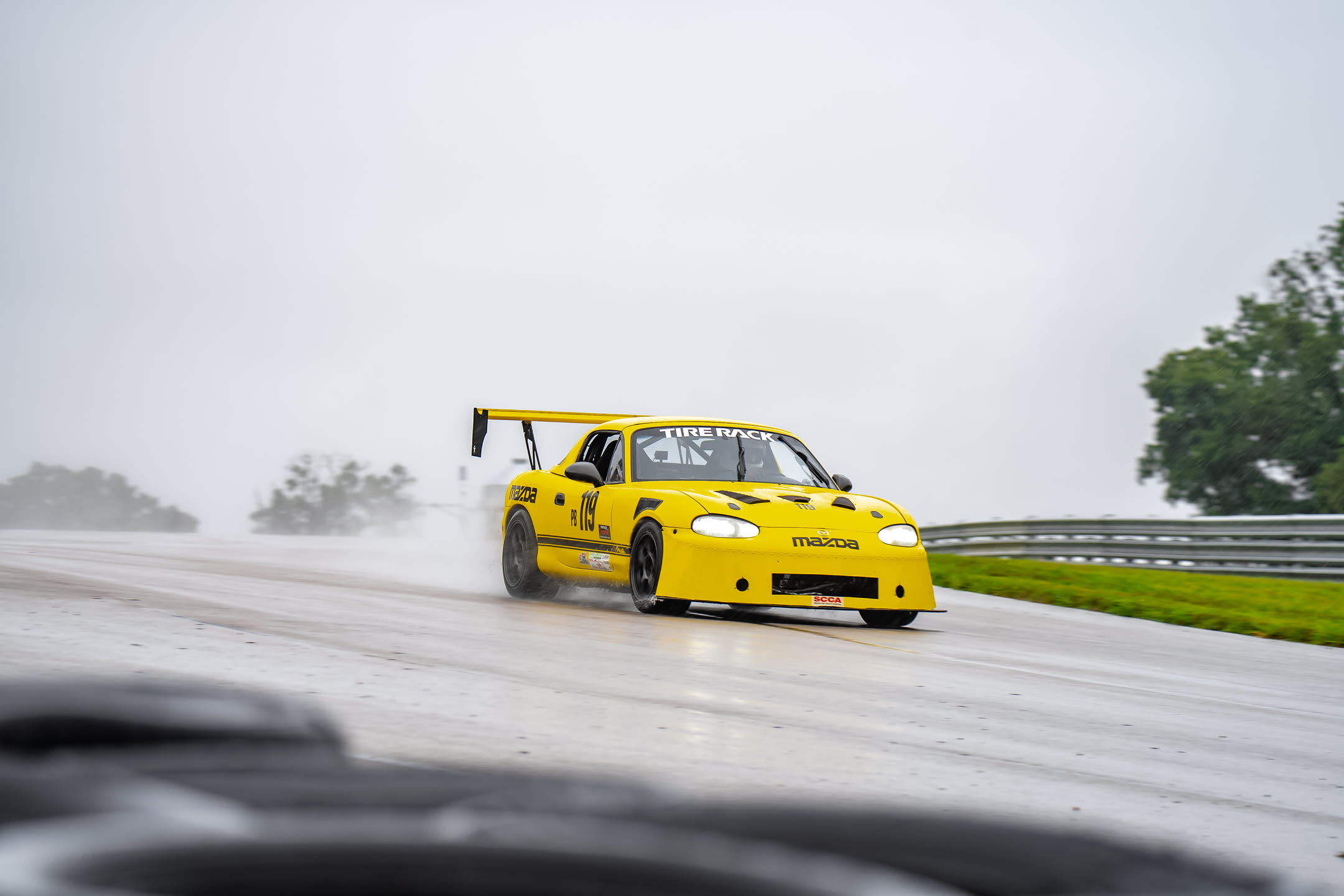
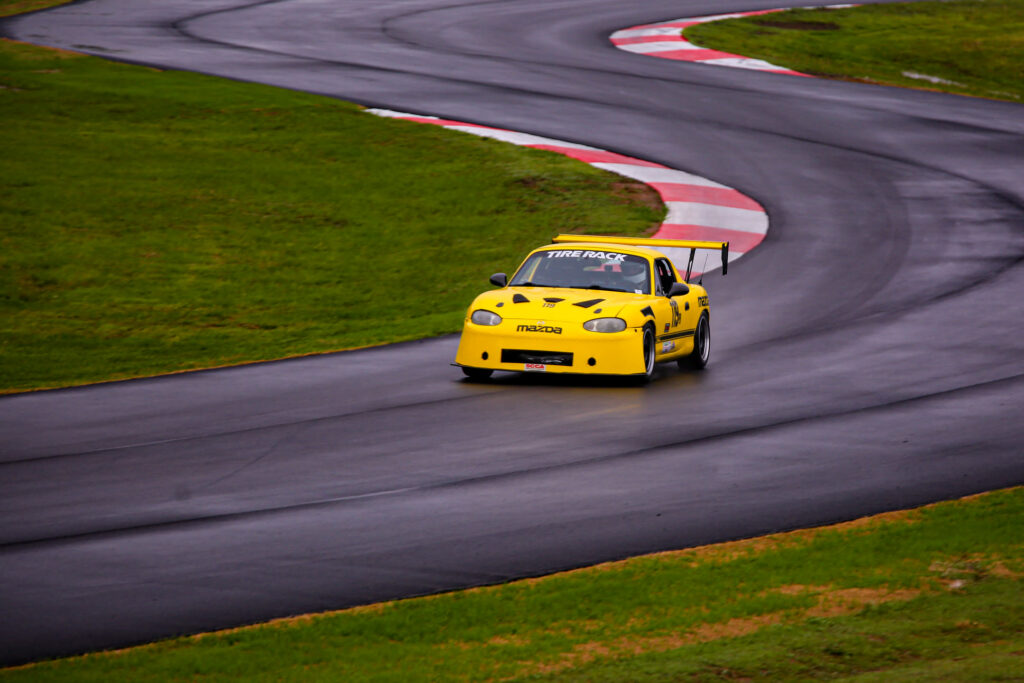
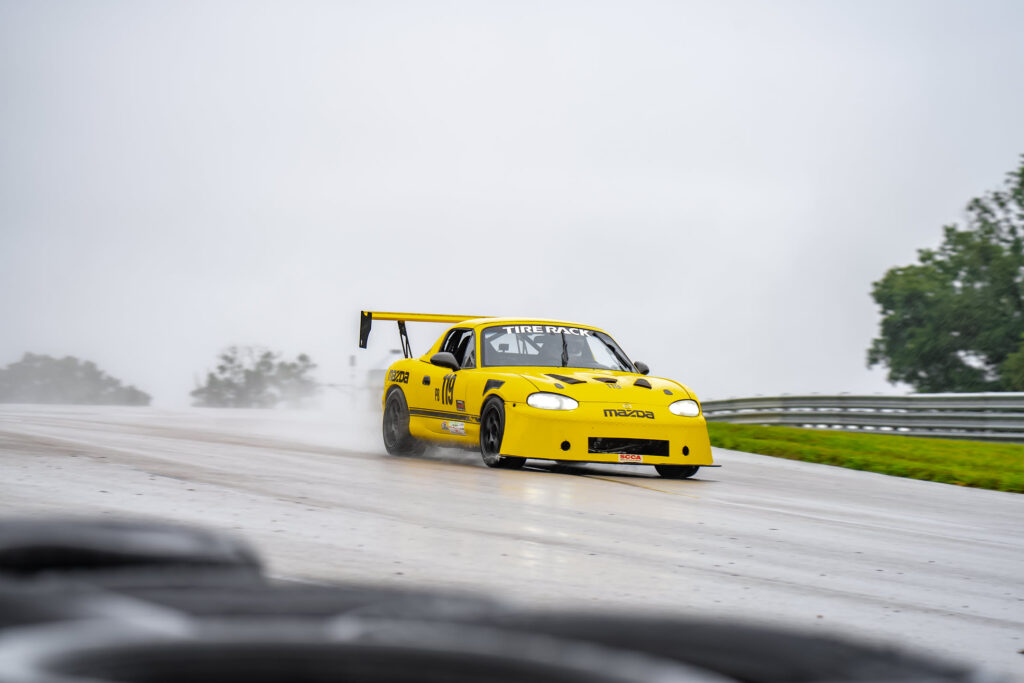
In April 2025, the vehicle was deployed to the Hallett Motor Racing Circuit. During the off-season, track management had resurfaced several critical corners. However, persistent precipitation throughout the event prevented the recording of "fast laps," shifting the focus of the session to wet-weather braking dynamics and the transition between old and new asphalt surfaces.
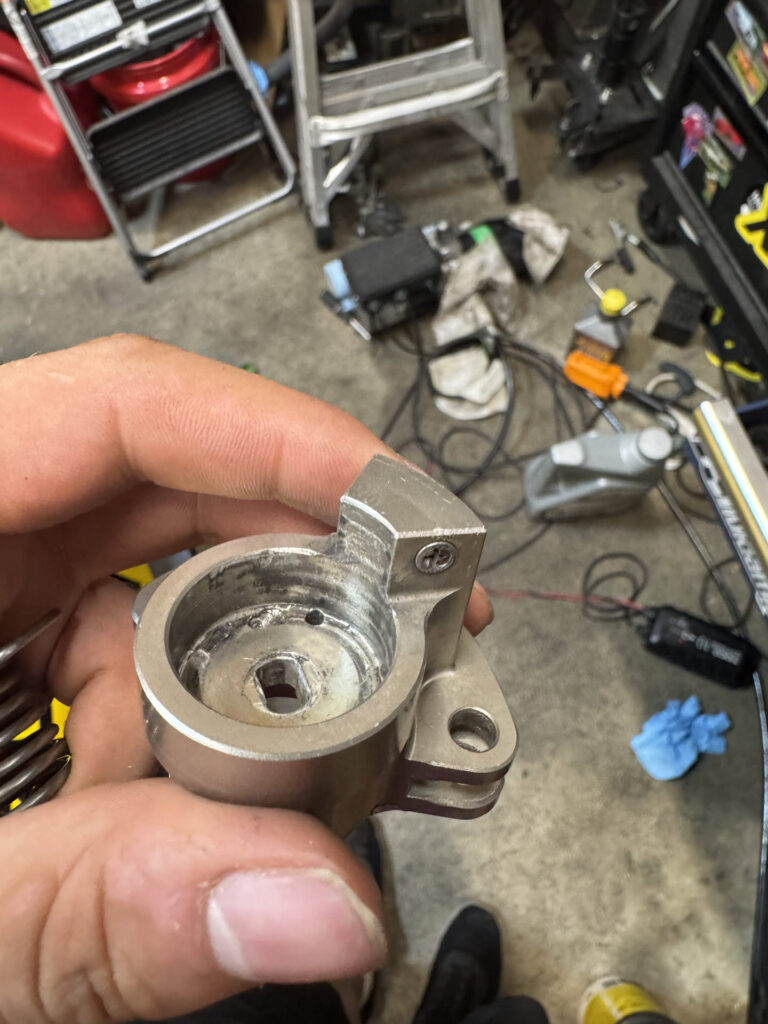
The first major mechanical setback occurred in May at I29 Speedway. The Skunk2 throttle body suffered a return spring failure during a morning test session. While the operator managed to complete the day using improvised repairs, the event highlighted a burgeoning reliability concern regarding aftermarket throttle components on high-vibration four-cylinder engines.
Mid-Season Endurance and Infrastructure Upgrades
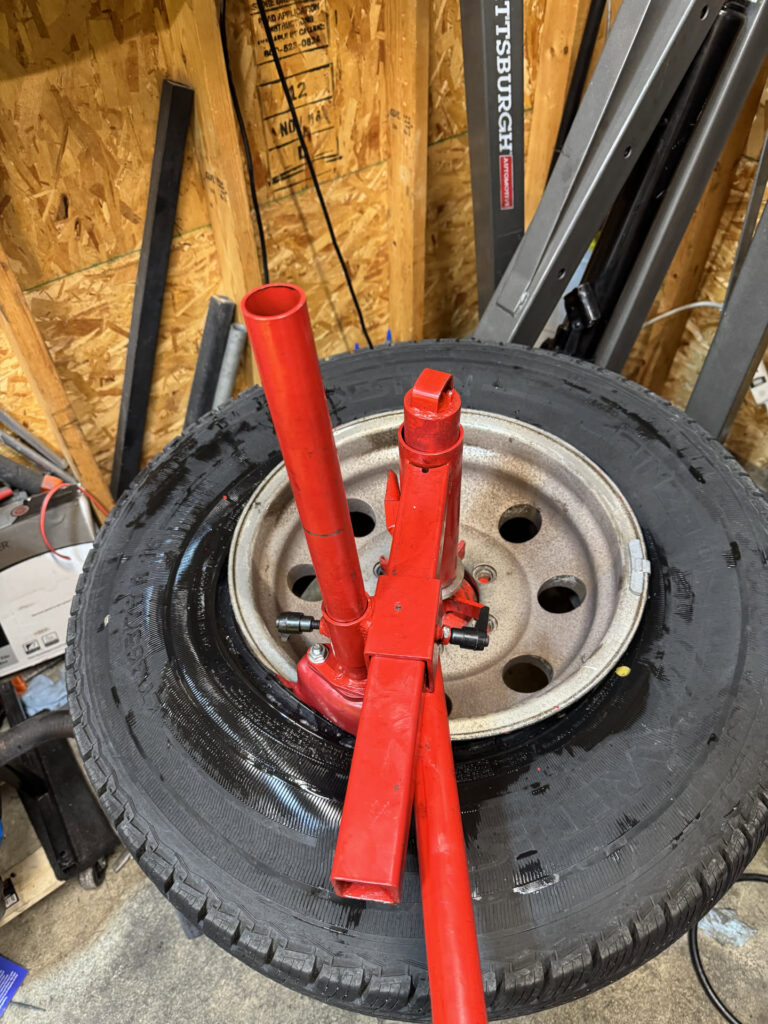
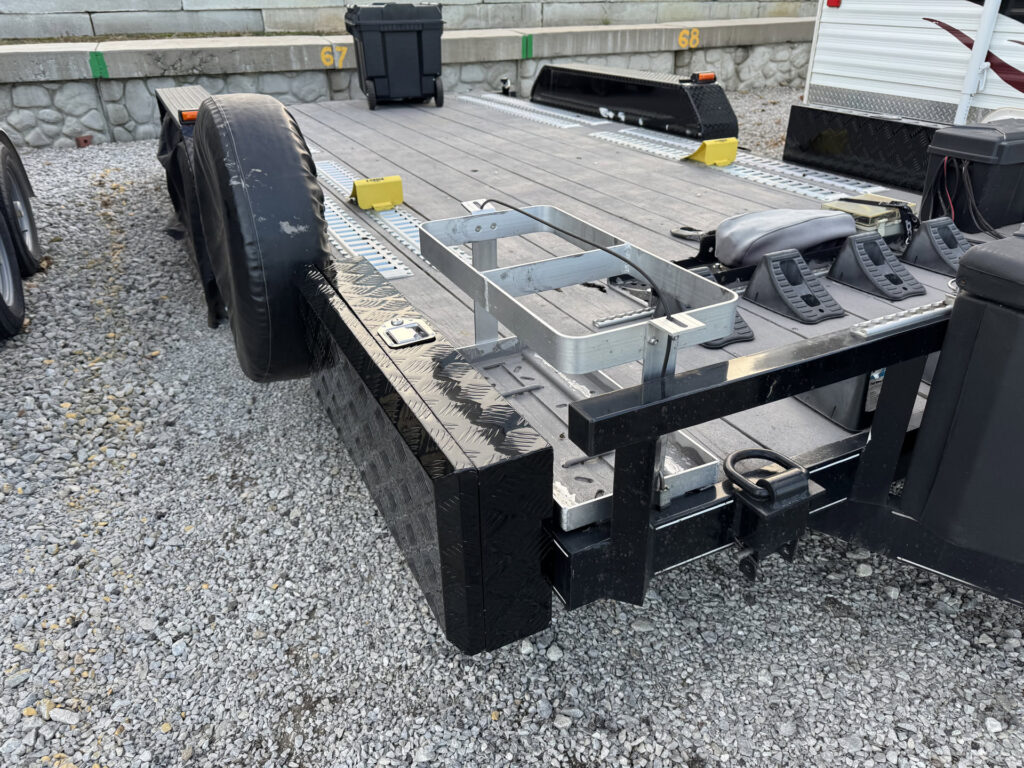
The summer months were marked by a focus on logistical self-sufficiency. In June, the program transitioned to in-house tire maintenance, utilizing a manual tire changer and bubble balancer. This move was prompted by escalating labor costs at local service centers. By the end of the year, over 20 sets of 200-treadwear (200TW) tires were successfully mounted and balanced, with results reportedly exceeding the precision of commercial shops.
July saw a return to Ozarks International Raceway. The session provided critical data on water drainage patterns and pooling at the technical circuit, which is known for its elevation changes and high-consequence runoff areas. These sessions underscored the importance of predictable throttle response in low-traction environments.
Critical Component Failure at High Plains Raceway
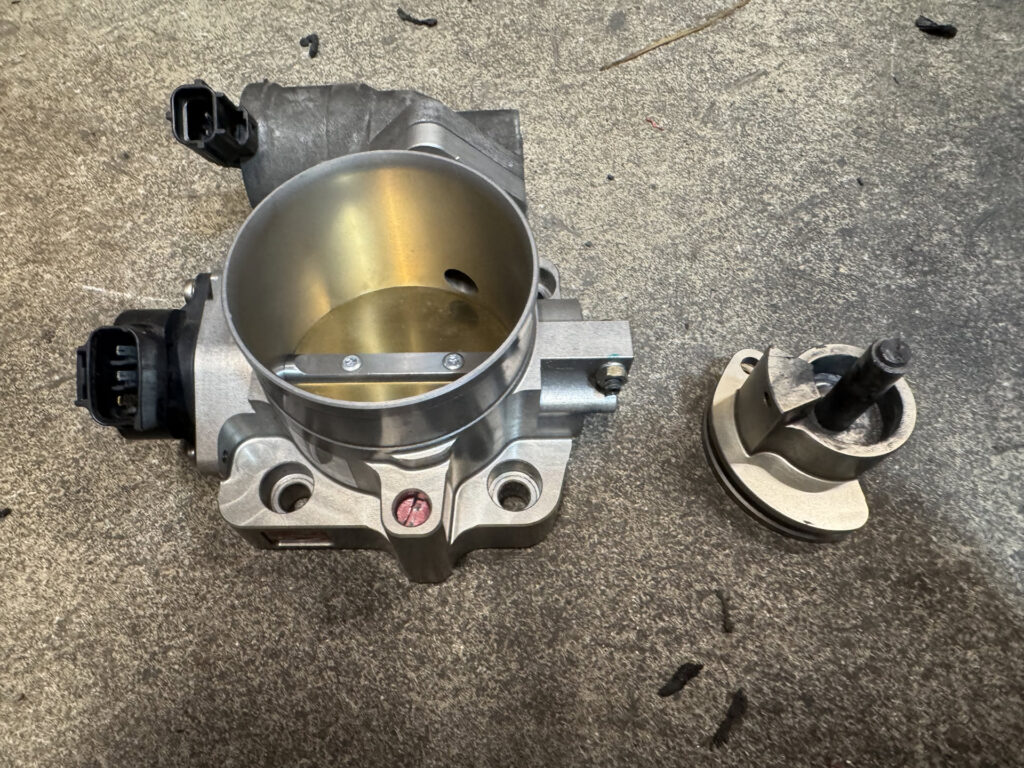
The mechanical reliability of the air intake system reached a breaking point in August 2025 at High Plains Raceway. During a timed lap, the throttle body shaft sheared completely. While the engine was spared from ingesting internal components, the failure resulted in a total loss of power and required a vehicle recovery operation. This marked the second failure of a Skunk2 throttle body within four months, prompting a strategic pivot in the vehicle’s engineering direction.
Electronic Integration and Drive-by-Wire Conversion
To address the recurring failures of cable-actuated aftermarket throttle bodies, the project entered a major overhaul phase in October 2025. The engineering goal was to modernize the 25-year-old electrical architecture and implement a more robust throttle solution.
Custom Wiring and MS3Pro Integration
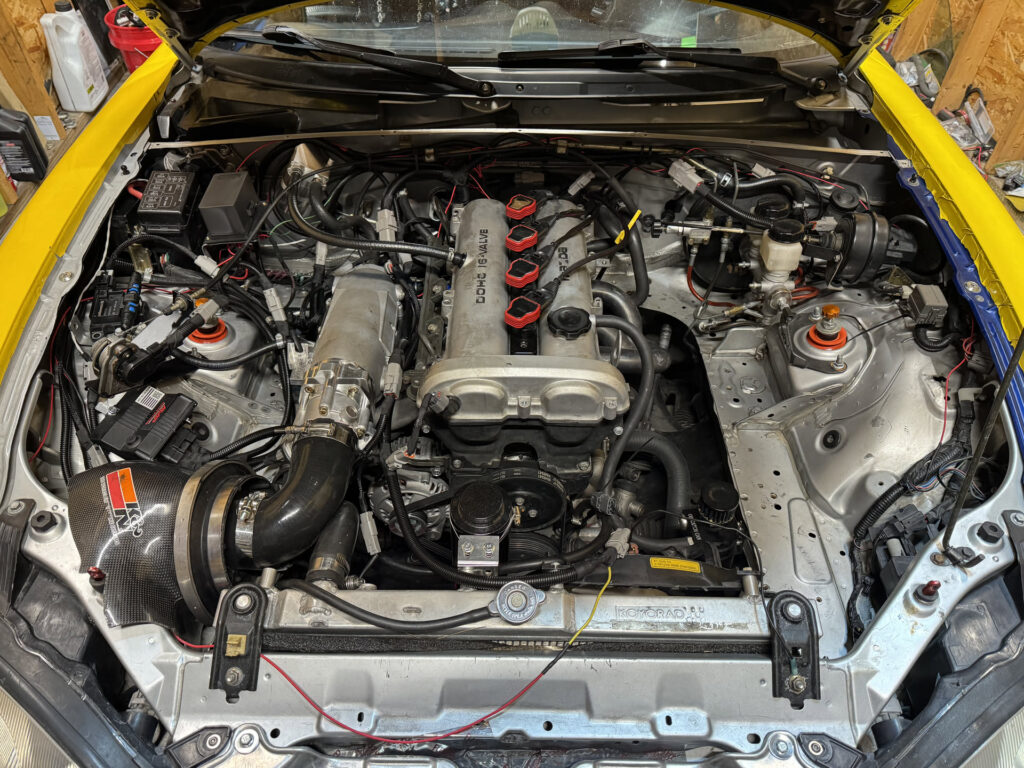
The decision was made to discard the factory engine harness and the associated conversion adapters. A bespoke engine wiring harness was constructed, pinned directly to an MS3Pro Evo ECU. This new architecture utilized Deutsch connectors for modularity and included a dedicated fuse/relay block and a ground bus bar. This "clean sheet" approach aimed to eliminate the "points of failure" inherent in aging copper wiring and multi-stage adapters.
Drive-by-Wire (DBW) Implementation
The centerpiece of the autumn overhaul was the conversion to a drive-by-wire system. This involved the installation of:
- Throttle Body: A Bosch 60mm electronic unit, known for its reliability in professional motorsport.
- Input Sensor: A Honda-sourced accelerator pedal position sensor.
- Controller: An AMP EFI drive-by-wire controller to interface with the Megasquirt system.
This conversion not only removed the physical stress of a mechanical cable and return spring but also allowed for more precise tuning of throttle maps, idle control, and safety overrides.
Instrumentation and Cabin Ergonomics
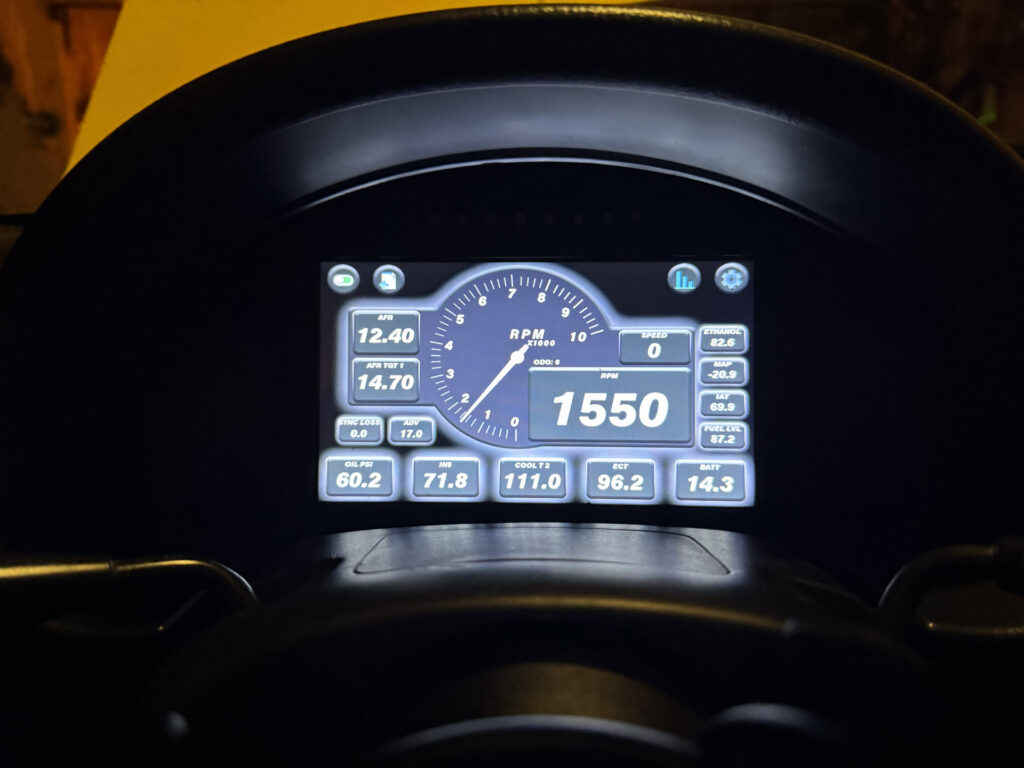
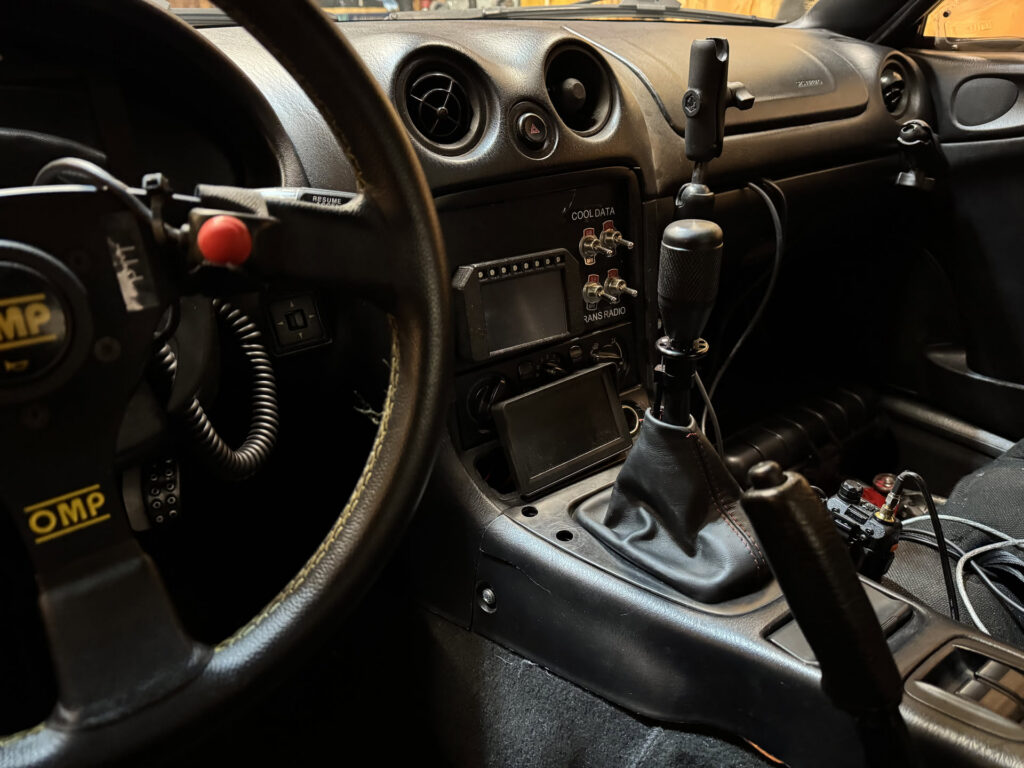
Following the electrical overhaul, the vehicle’s instrumentation was modernized in November 2025 with the installation of a Tinker Electronics digital dash. Communicating via the Controller Area Network (CAN) bus, the unit provides real-time telemetry for 15 critical parameters, including oil pressure, coolant temperature, ethanol content, and manifold absolute pressure (MAP).
The system features programmable visual alerts that trigger red backlighting if parameters exceed safe thresholds. Furthermore, the ECU was configured to process the stock vehicle speed sensor (VSS) data to maintain the functionality of the factory cruise control, a rare feature in a track-dedicated vehicle that retains road-legal utility.
In December, the mechanical interface was further refined with a Coolerworx short-throw shifter. This unit was selected to mitigate the "mis-shift" issues common in high-stress racing environments. The shifter incorporates a stiff external return-to-center spring, adjustable gate set-screws, and a dedicated reverse gear lockout, ensuring higher shifting consistency during rapid transitions.
Drivetrain Evolution and Fleet Expansion
The final phase of the 2025-2026 development cycle focused on power delivery and platform redundancy.
Differential Optimization
In January 2026, the vehicle’s 4.30 Torsen Type II differential was retired in favor of a Supermiata-tuned OS Giken limited-slip differential (LSD). While the Torsen unit is highly regarded for street use, it often struggles when an inside rear wheel is unloaded during sharp, low-speed cornering. The OS Giken unit, a plate-style LSD, offers more predictable locking characteristics under varying loads. The 4.30 final drive ratio was maintained to optimize the power band of the naturally aspirated engine when paired with the six-speed manual transmission.
Acquisition of a Secondary Development Platform
In February 2026, the program expanded with the acquisition of a 2001 NB Miata. Purchased for $1,800, the vehicle was in a state of significant disrepair, featuring a welded differential, damaged bodywork, and a stripped interior. Within one month, the car was restored to a functional baseline with a new soft top, factory interior components, and the 4.30 Torsen differential salvaged from the primary track car. This second vehicle serves as a "test mule" for street-oriented experimentation and a secondary chassis for the program.
Statistical Summary and Broader Implications
The cumulative data for the 2025 season reveals a high level of engagement despite mechanical setbacks. The primary vehicle completed 357 laps, totaling 10.9 hours of active track time. Since the inception of the project five years ago, the car has logged 1,380 laps and 43.8 hours of high-speed operation.
Performance Analysis
While personal best lap times were infrequent in 2025, technical analysts suggest that the vehicle has reached a "plateau of maturity" where environmental conditions (ambient temperature, track surface grip) play a larger role than minor hardware tweaks. The shift toward a drive-by-wire system and a plate-style LSD suggests that future gains will likely come from driver consistency and fine-tuned electronic control rather than raw horsepower increases.
Industry Context
The transition of this NB Miata mirrors a broader trend in the amateur racing community: the move away from purely mechanical "analog" modifications toward integrated "digital" solutions. The use of CAN bus communication and electronic throttle bodies in a platform originally designed in the late 1990s demonstrates the longevity and adaptability of the MX-5 chassis.
The project enters its sixth year with a robust, modernized infrastructure. The combination of a bespoke wiring loom, advanced differential technology, and a secondary support vehicle positions the program for continued data collection and competitive participation in regional time trial events. As the secondary 2001 chassis undergoes its own restoration, the study of the NB Miata platform remains a vital source of technical insight for the automotive enthusiast community.