Retno Hari Mulyono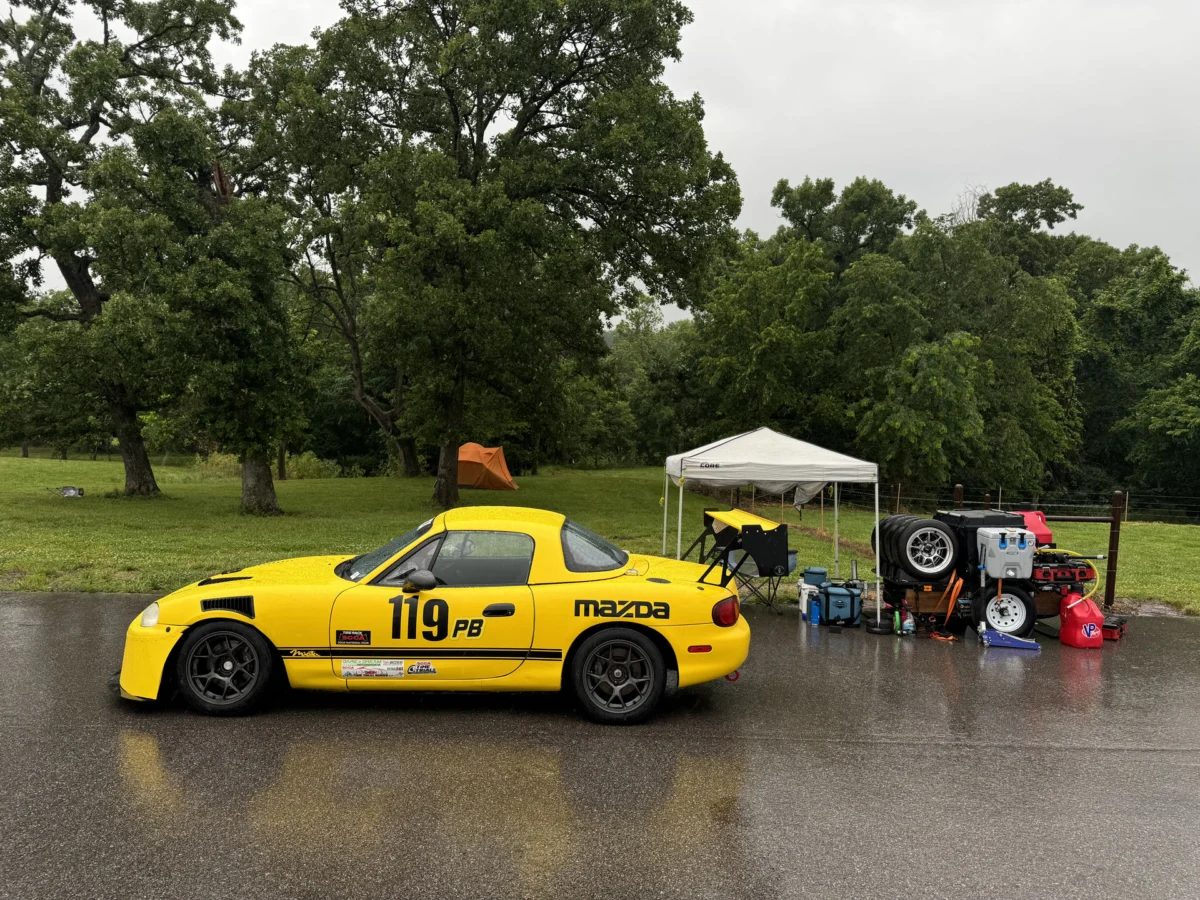
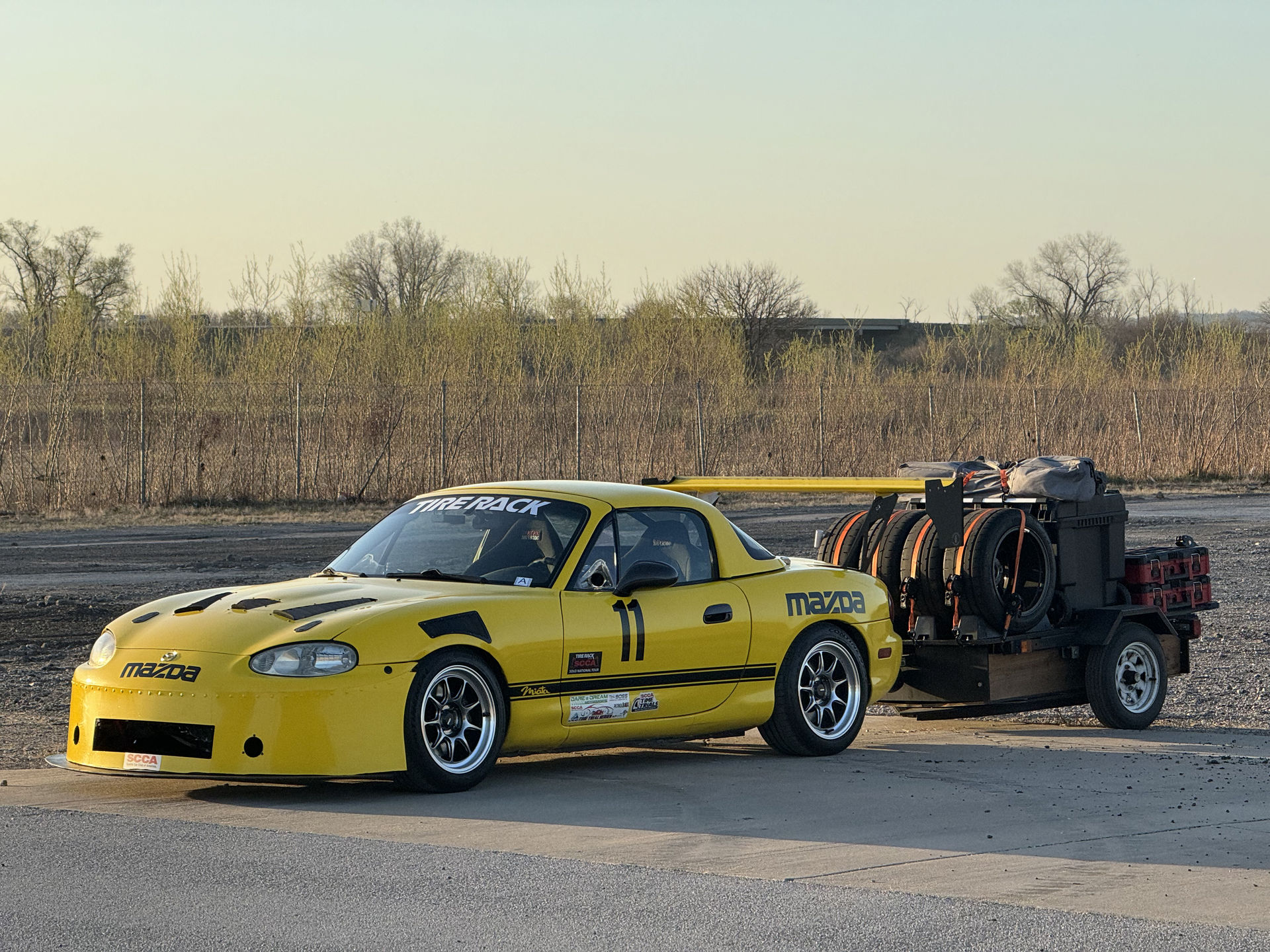
The logistical challenges of participating in grassroots motorsports, such as track days and autocross, frequently necessitate a strategic compromise between vehicle performance and road-going practicality. For owners of compact sports cars, most notably the Mazda Miata, the transition from standard street tires to high-performance rubber—specifically those with a 200 Treadwear (200TW) rating or lower—presents a significant transport dilemma. While larger vehicles can accommodate a secondary set of wheels within their interior or trunk space, the Miata’s diminutive dimensions require an external solution. This has led to the rise of the specialized tire trailer, a compact utility unit designed to expand the operational capacity of small performance vehicles without the immediate need for a dedicated towing rig and flatbed trailer.
The Technical Necessity of Secondary Wheel Sets
The primary driver behind the adoption of tire trailers is the inherent limitation of high-performance tires when subjected to daily driving conditions. Tires categorized in the 200TW bracket, such as the Hankook Ventus RS4, the Bridgestone Potenza RE-71RS, or the Michelin Pilot Sport Cup 2, are engineered for maximum grip under high thermal loads. However, these characteristics often render them unsuitable for extended street use for several critical reasons.
First, the longevity of a track tire is not merely a factor of tread depth but is also dictated by "heat cycles." Each time a performance tire reaches its operating temperature and subsequently cools, the chemical composition of the rubber compound changes, gradually becoming harder and less compliant. Using these tires for highway transit to and from a circuit unnecessarily exhausts these cycles, degrading the tire’s ultimate grip levels before it ever reaches the starting line. Furthermore, the soft compounds are highly susceptible to road debris; a single puncture from a common nail can result in a costly replacement of a tire that may retail for several hundred dollars.
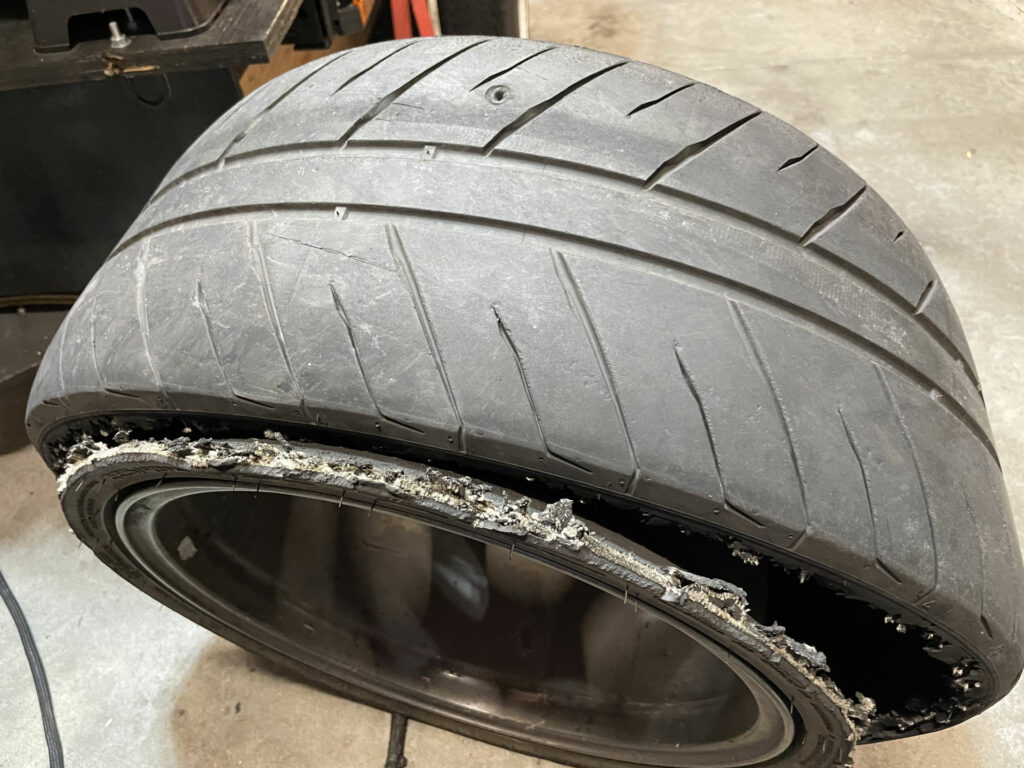
Safety remains the most pressing concern. Many track-oriented tires feature minimal siping and large tread blocks designed to maximize the contact patch on dry asphalt. In wet or cold conditions, these tires often fail to evacuate water effectively, leading to hydroplaning at relatively low speeds. Industry data suggests that once a performance tire has been "heat cycled out," its ability to provide lateral grip in the rain diminishes exponentially, creating a liability for the driver during transit.
Chronology of a Custom Build: Engineering for the Track
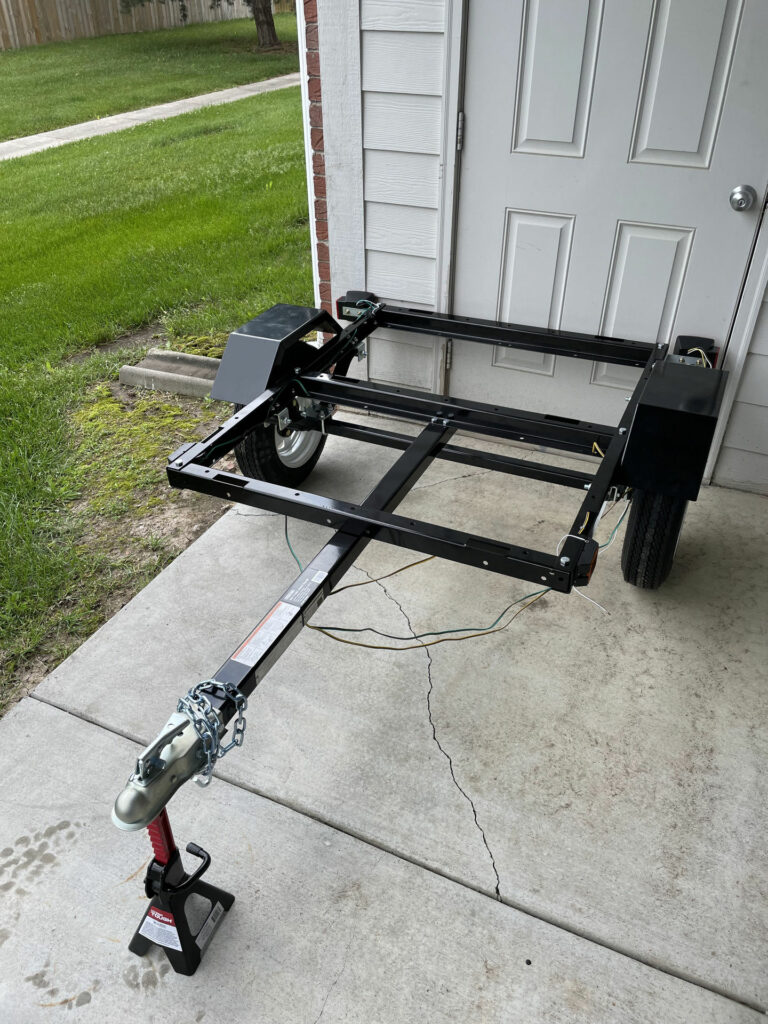
The development of a tire trailer often begins with a modular foundation, typically sourced from industrial suppliers. A common starting point is the 40-inch by 48-inch steel utility frame, such as those manufactured by Northern Tool or Harbor Freight. These frames are delivered in a disassembled state, allowing the builder to inspect every fastener and ensure the structural integrity required for high-speed transit.

The assembly process follows a logical progression:
- Frame Construction: The bolting of the steel members and the installation of the leaf-spring suspension and axle.
- Decking: The application of a load-bearing surface, often utilizing 3/4-inch marine-grade or Sande plywood, treated or painted to resist the elements.
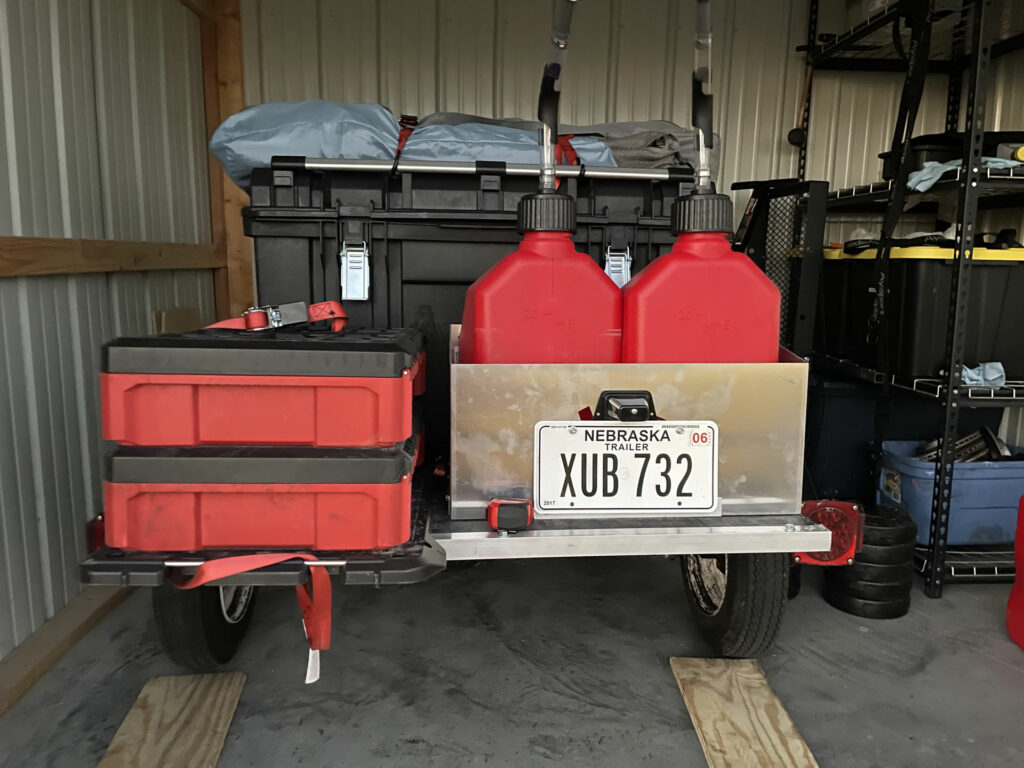
- Storage Integration: The mounting of weather-sealed toolboxes and specialized hardware for securing wheels and fuel containers.
- Electrical and Lighting: The installation of LED signaling lights compliant with Department of Transportation (DOT) standards.
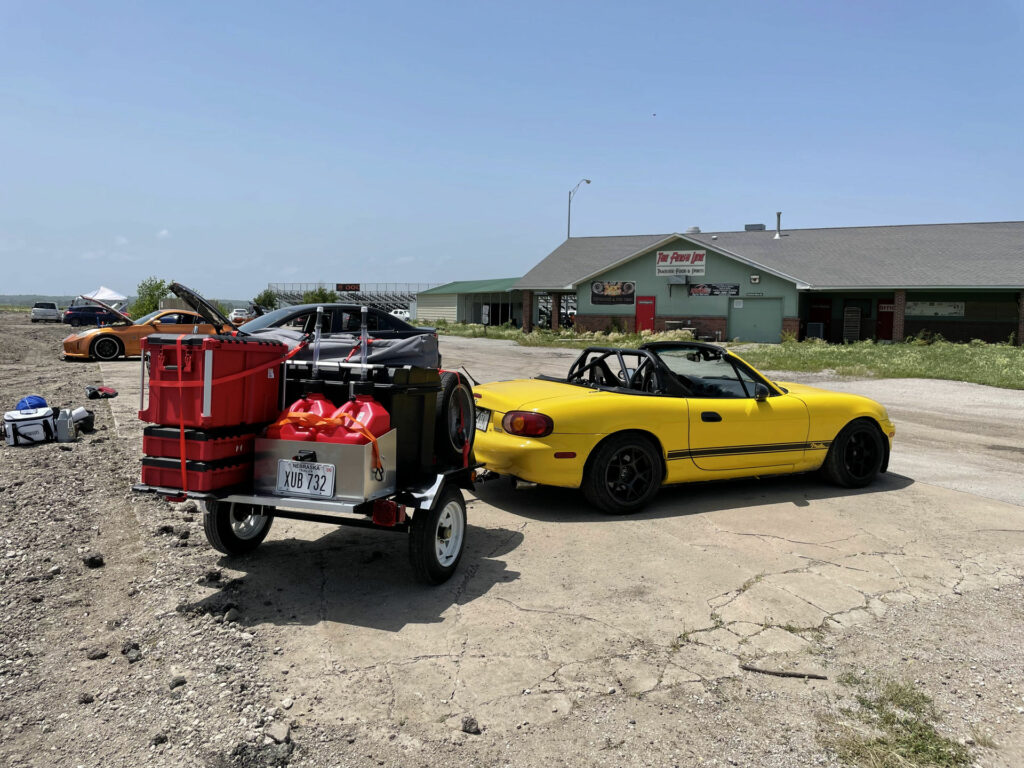
In the case of a high-utility build, the dimensions of the deck are often extended beyond the frame rails to maximize surface area. A deck measuring approximately 62 inches in width can accommodate a full set of four wheels while leaving central space for a heavy-duty toolbox, such as the DeWalt DWST38000. This central placement is crucial for weight distribution, ensuring the trailer maintains a low center of gravity and sufficient tongue weight to prevent swaying at highway speeds.
Technical Specifications and Tooling Requirements
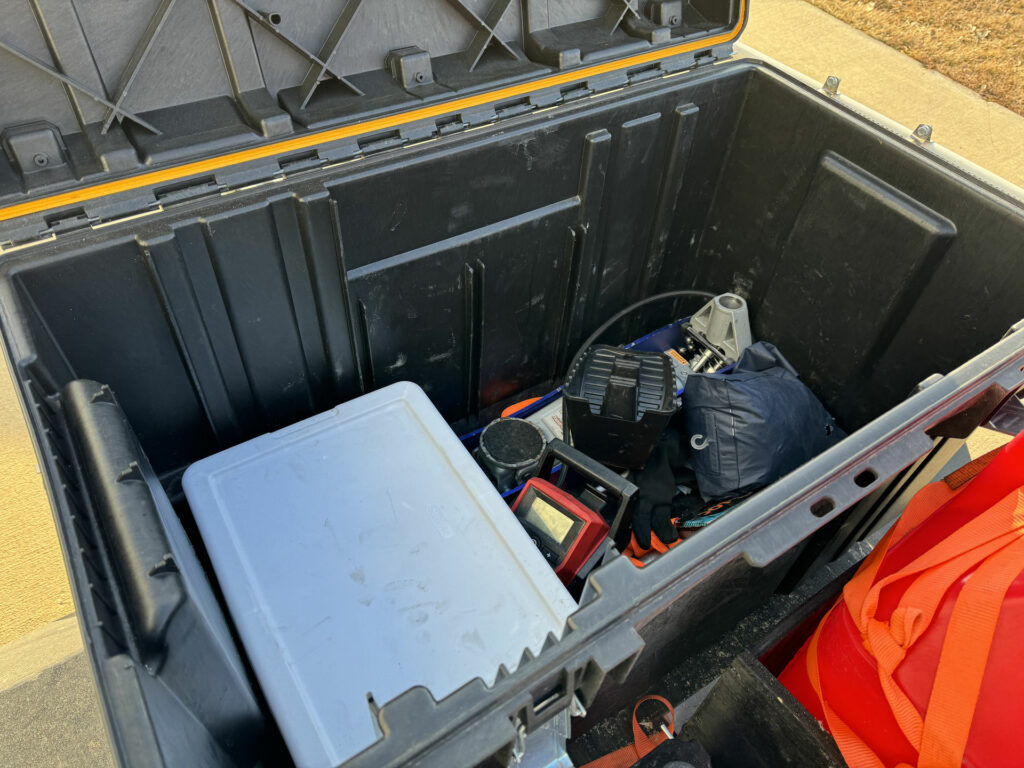
A professional-grade tire trailer serves as a mobile pit garage. Beyond the wheels themselves, the unit must house the mechanical infrastructure required for a full weekend of racing. Inferred data from track-day participants suggests that a well-equipped trailer should include a three-ton low-profile floor jack, a calibrated torque wrench, a high-torque cordless impact wrench, and a precise tire pressure gauge.
Storage of consumables is equally vital. Modern performance engines, particularly those modified to run on E85 ethanol fuel, require significant volumes of high-octane propellant that may not be available at rural track facilities. Builders often integrate specialized fuel jug mounts, such as those from VP Racing, to secure 5-gallon containers. Advanced builds have evolved to include 15-gallon Flo-Fast systems equipped with hand-crank pumps, allowing for rapid refueling in the paddock without the physical strain of lifting heavy jugs.
Advanced Modifications: The Lower Deck and Radial Upgrades
As builders gain experience, the limitations of basic utility trailers become apparent. Standard kits often ship with bias-ply tires, which are prone to flat-spotting and high heat buildup during long-distance hauls. A significant reliability upgrade involves transitioning to radial tires, such as the 145R12 specification. These tires offer superior heat dissipation and higher speed ratings, which are essential when the trailer is being towed behind a vehicle capable of maintaining 70-80 mph for several hours.
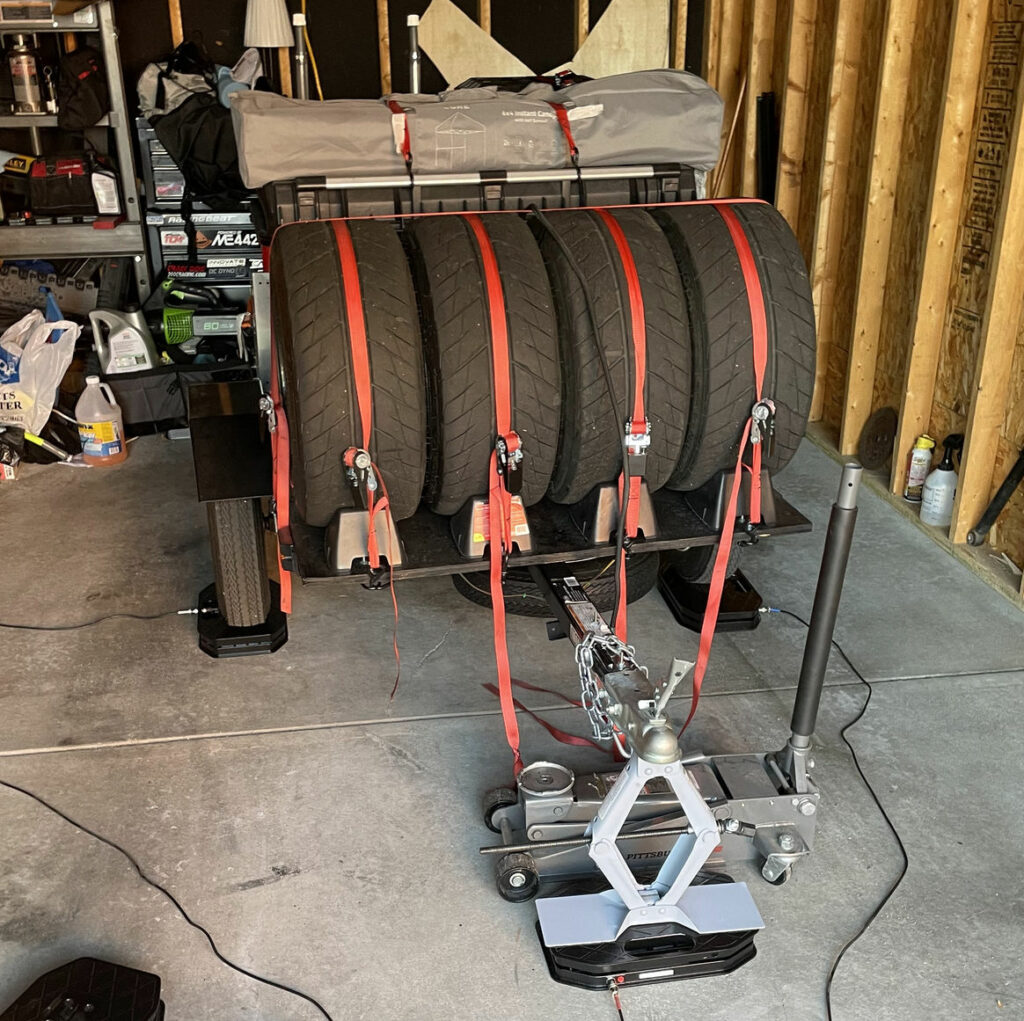
To further increase capacity, some builders implement a "lower deck" design. By mounting a secondary plywood shelf beneath the main frame—often supported by 2×10 lumber and steel reinforcement bars—the operator can store low-profile items like jack stands, canopy weights, and even spare aerodynamic components like front splitters. This dual-level storage strategy ensures that the primary deck remains clear for quick-access items, while the overall center of gravity remains as low as possible.
Market Analysis: DIY vs. Commercial Solutions
While the DIY approach is favored by the grassroots community for its cost-effectiveness (typically ranging from $500 to $1,200 depending on components), a commercial market exists for premium solutions. Companies like Leroy Engineering have introduced high-end tire trailers featuring independent suspension systems, high-speed bearings, and CNC-machined components.
These commercial units can cost upwards of $3,000, but they offer a level of mechanical refinement that mitigates the risks associated with the "bolt-together" nature of entry-level kits. For the serious competitor, the investment in a high-end trailer is often viewed as a form of insurance against mechanical failure on the way to an event.
Operational Safety and Regulatory Compliance
The use of a tire trailer introduces new variables into the driving experience. Operators must be cognizant of the towing capacity of their primary vehicle. While the Mazda Miata is not officially rated for towing in the United States market, its chassis—particularly the NB and NC generations—is frequently modified with hidden hitches capable of handling a 1,000-pound gross trailer weight.
Safety protocols for tire trailer operation include:
- Bearing Maintenance: Frequent greasing of the wheel bearings is mandatory, as the small-diameter trailer wheels spin at significantly higher RPMs than the car’s wheels.
- Load Securing: The use of a "triple-redundancy" system for wheels, involving a central steel rod, heavy-duty ratchet straps, and secondary safety chains.
- Pre-Flight Inspections: Checking tire pressures and light functionality before every leg of a journey.
Broader Impact on the Motorsports Community
The proliferation of the tire trailer has democratized access to track events for owners of small vehicles. By removing the need for a heavy-duty pickup truck and a full-sized car hauler—an investment that can easily exceed $50,000—the tire trailer allows enthusiasts to participate in the sport with a total capital outlay of just a few thousand dollars.
Furthermore, the "tow-to-track" philosophy encourages a higher standard of vehicle maintenance. Because the driver is not reliant on their track tires to get them home, they can push the vehicle to its limits during the final sessions of the day, knowing they have a fresh set of street tires waiting for the return journey.

Conclusion and Future Outlook
As the grassroots racing scene continues to grow, the demand for clever logistical solutions will only increase. While some drivers eventually transition to a full truck-and-trailer setup for the added benefits of climate-controlled cabins and enclosed storage, the tire trailer remains a staple of the paddock. It represents a masterclass in spatial efficiency and mechanical ingenuity, proving that with the right engineering approach, even the smallest sports car can be a fully capable long-distance racing platform.
The transition to larger towing rigs often comes with hidden costs, including decreased fuel economy and the logistical burden of maneuvering a 40-foot combined vehicle length through tight pit areas. For many, the simplicity and "grab-and-go" nature of the tire trailer remain the optimal balance of performance, cost, and convenience. Whether through a customized Northern Tool frame or a bespoke Leroy Engineering unit, the tire trailer has solidified its place as an essential tool in the modern automotive enthusiast’s arsenal.