Retno Hari Mulyono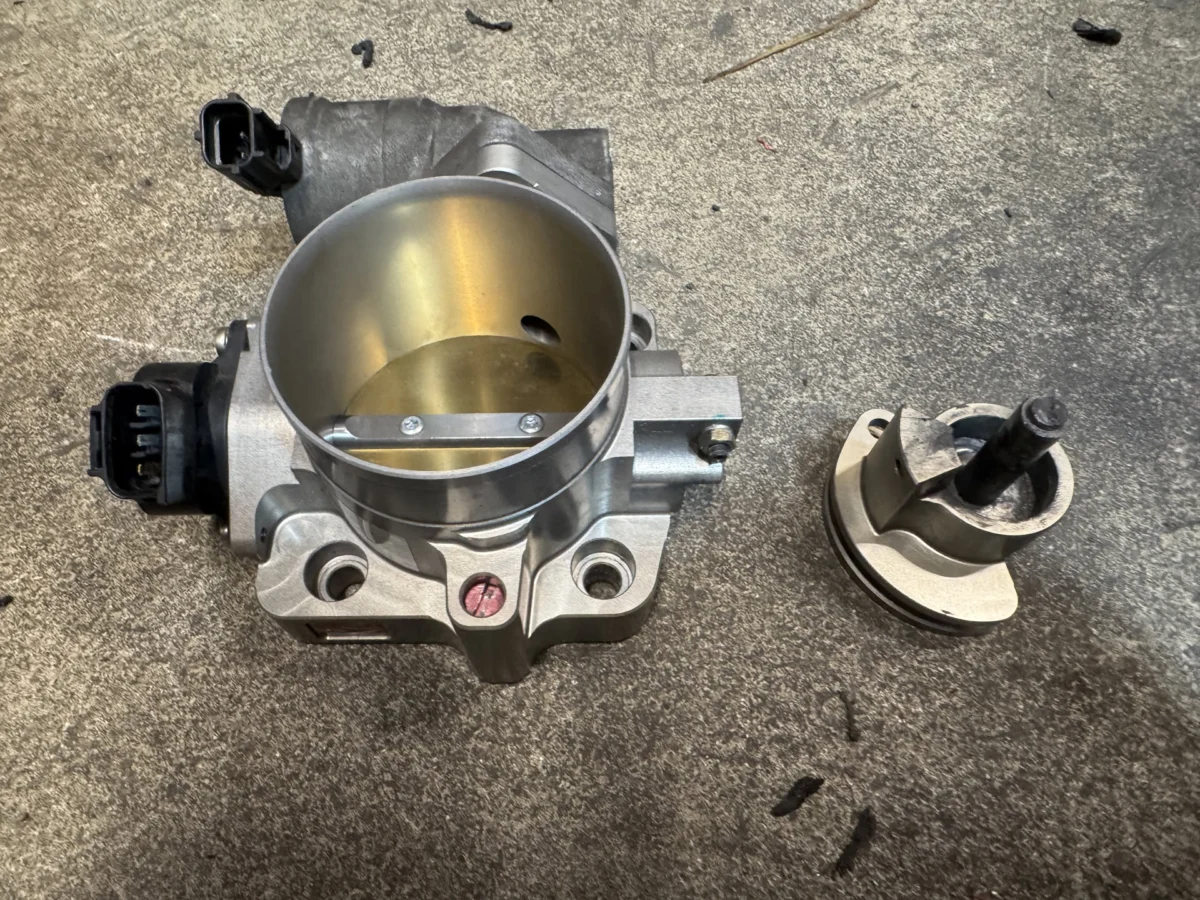
The landscape of automotive performance tuning is currently undergoing a significant technological shift as enthusiasts and engineers move away from traditional mechanical linkages in favor of sophisticated electronic control systems. For the Mazda Miata platform, specifically the NA (1989–1997) and NB (1998–2005) generations, the transition to Drive-By-Wire (DBW) throttle systems represents a critical evolution in both reliability and vehicle dynamics. While these vehicles were originally engineered with simple, cable-driven throttle bodies, the demands of modern track environments and high-output builds have exposed the inherent mechanical limitations of 30-year-old technology.
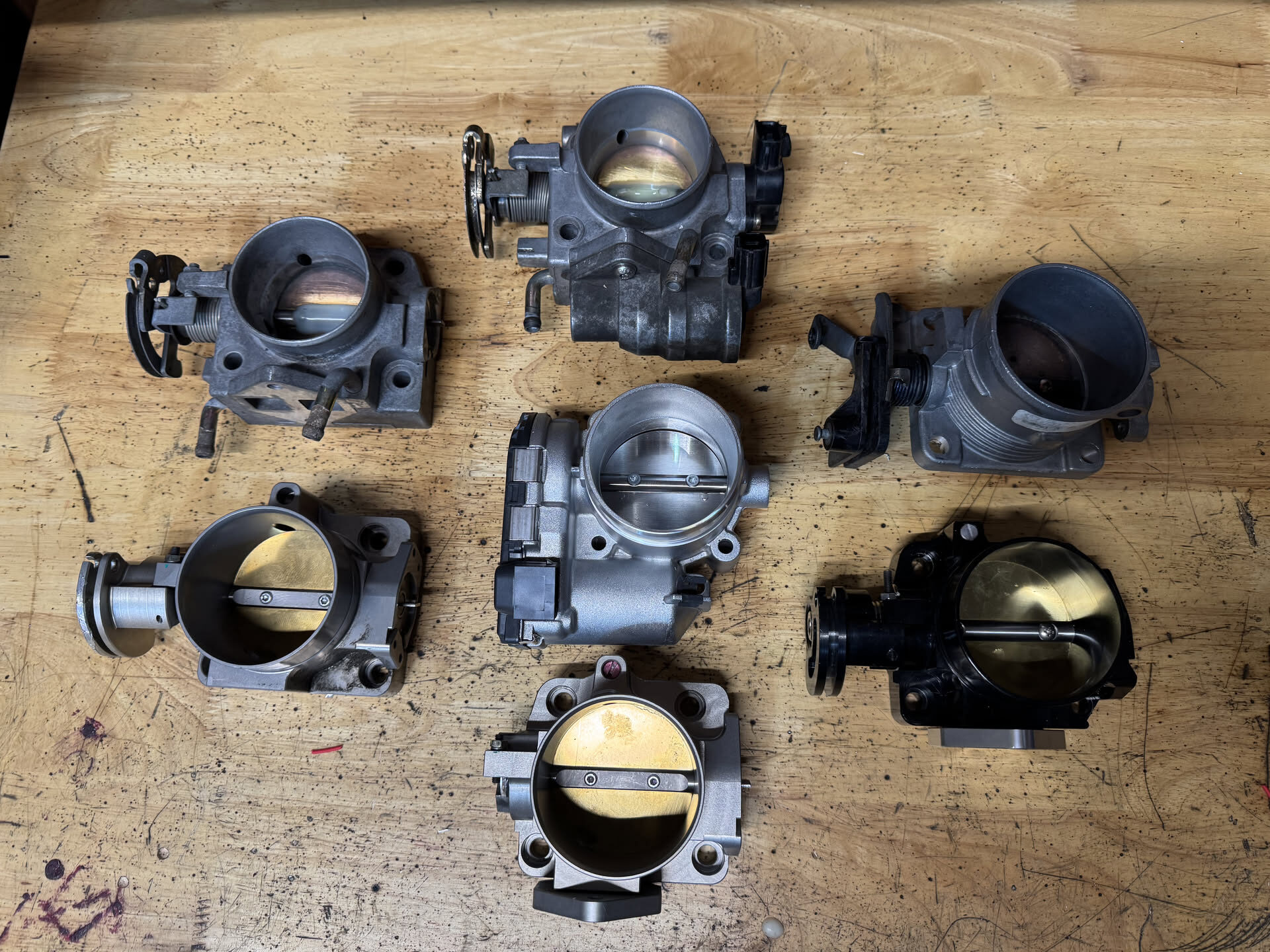
The impetus for this transition often stems from a recurring pattern of mechanical failures within the aftermarket and OEM cable-driven ecosystems. In high-vibration environments, such as those found in competitive circuit racing, traditional throttle bodies are susceptible to catastrophic failures, including the snapping of throttle shafts and the backing out of throttle plate screws. These incidents are not merely inconveniences; they pose significant risks to engine integrity, as ingested hardware can lead to immediate internal damage. Consequently, a growing segment of the tuning community is adopting Bosch-based electronic throttle systems, integrated via Controller Area Network (CAN) bus protocols, to modernize the platform’s intake management.
Mechanical Vulnerabilities in Cable-Driven Systems
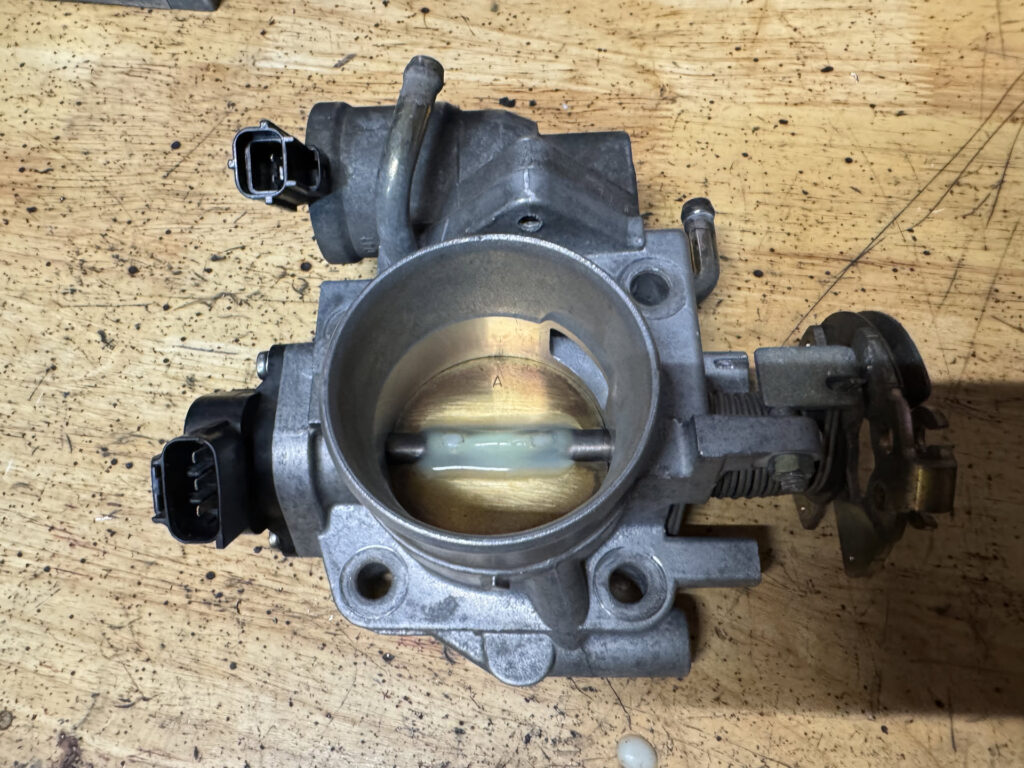
The reliance on cable-driven throttle bodies in the Mazda Miata community has long been predicated on the "simplicity equals reliability" maxim. However, recent data from track-focused applications suggests the opposite. Aftermarket solutions, most notably the Skunk2 throttle body, have come under scrutiny for structural deficiencies. Reports from the field indicate two primary failure modes: the complete mechanical shearing of the throttle shaft and the tendency for the throttle plate to stick in a partially open position. The latter issue often results in a "high idle" condition that complicates pit lane maneuvers and compromises throttle modulation during cornering.

Even the original equipment manufacturer (OEM) units are not immune to age-related fatigue. Documented cases within the Miata racing community highlight the risk of throttle blade screws loosening over time. If these screws are drawn into the combustion chamber, the resulting engine failure is typically total. While some racers have attempted to mitigate this risk using high-strength epoxies, such as 3M DP420, to secure the shaft and screws, this remains a reactive measure rather than a fundamental engineering solution.
In contrast, Drive-By-Wire systems eliminate the physical cable and return spring—components prone to stretching, binding, and snapping. By replacing these with an electronic actuator and a redundant sensor array, the system can monitor its own health in real-time, providing a level of safety that mechanical systems cannot replicate.
Chronology of the Drive-By-Wire Integration Process
The conversion of a Mazda Miata to an electronic throttle system is a multi-stage engineering project that requires the synchronization of hardware, electronics, and software. The process typically follows a specific logical progression:
- Failure Identification and Risk Assessment: The project usually begins after a mechanical failure of a cable-driven unit or as a preemptive upgrade for a high-value engine build.
- Hardware Selection: Engineers must source an OEM-quality electronic throttle body (typically a Bosch 60mm unit) and a compatible intake manifold adapter.
- Electronic Controller Integration: Since older standalone Engine Control Units (ECUs), such as the Megasquirt MS3Pro, do not have native DBW drivers, an external CAN-based controller must be selected.
- Pedal Position Sensing: A method for translating the driver’s foot movement into an electronic signal must be established, often utilizing sensors from modern production vehicles.
- Software Configuration and Calibration: The final stage involves mapping the throttle response curves and configuring safety protocols within the ECU’s firmware.
This transition has been made significantly more accessible due to recent firmware updates in the Megasquirt MS3 ecosystem, which now supports DBW commands over the CAN bus. This allows the ECU to communicate with a dedicated throttle controller without requiring a total overhaul of the vehicle’s wiring loom.

Comparative Analysis of CAN-Bus DBW Controllers
As of late 2025, the market for Megasquirt-compatible DBW controllers has diversified, offering various price points and feature sets. Selecting the appropriate controller is vital for ensuring the system’s responsiveness and safety.
The DBWX2 Controller
Retailing at approximately $500, the DBWX2 is positioned as a premium, high-versatility option. Its primary advantage is the support for two independent throttle bodies. This is particularly relevant for complex forced-induction setups, such as "hot side" superchargers or twin-plenum intake manifolds. It is fully configurable via TunerStudio, the standard interface for Megasquirt users.

The AMP EFI Controller
A recent entrant to the market as of October 2025, the AMP EFI controller is priced competitively at $300. It distinguishes itself with integrated "auto-blip" functionality, which uses brake and clutch inputs to automatically match engine revolutions during downshifts. It also offers the flexibility to run as a standalone unit, outputting a traditional Throttle Position Sensor (TPS) signal to older ECUs.
SPTronics and LD Performance Options
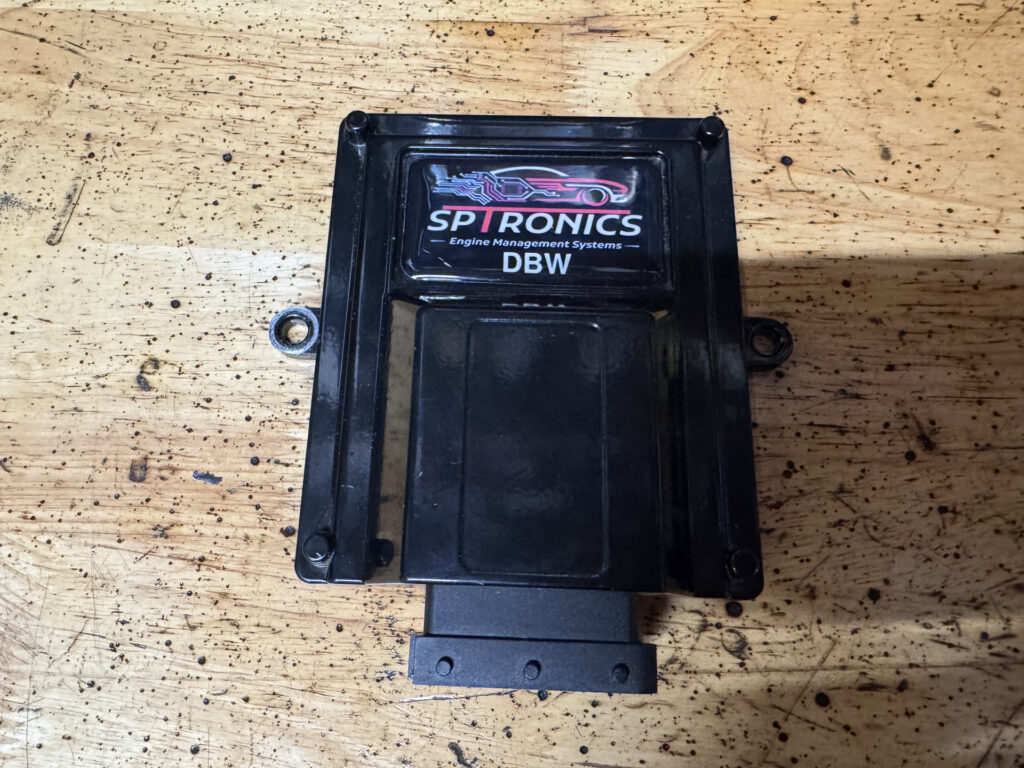
For budget-conscious builders, the SPTronics unit ($150) and LD Performance unit ($200) provide essential DBW functionality. While the SPTronics unit supports dual throttle bodies, it lacks the deep configurability and firmware update capabilities of its more expensive counterparts. The LD Performance unit is noted for its lack of a waterproof enclosure, necessitating an interior installation.

MS Labs Controller
Commonly utilized in the European market, the MS Labs controller offers advanced idle control and multiple throttle maps. However, its availability in North America is currently limited, making it a secondary choice for domestic builders despite its robust feature set.
Hardware Integration: The Bosch 60mm Standard
The hardware cornerstone of the Miata DBW conversion is the Bosch Motorsports 60mm electronic throttle body. Bosch produces these units for a wide range of European manufacturers, ensuring high production standards and long-term reliability. The 60mm diameter is considered an ideal "sweet spot" for the Miata’s 1.8L BP engine, providing a balance between increased airflow for high-RPM performance and maintaining air velocity for low-end torque.

Because the Bosch bolt pattern differs from the Mazda factory intake manifold, the industry has responded with CNC-machined adapters. Companies like Outsider Garage and ChathamCNC have developed slim-profile adapters that allow the Bosch unit to bolt directly to the stock manifold, maintaining a compact footprint within the engine bay.
To bridge the gap between the driver and the electronics, many builders are opting for the Honda Accelerator Pedal Position Sensor (APPS). Found in V6-powered Accords from 2003–2007, this unit is unique because it is cable-actuated but outputs a dual-channel electronic signal. This allows the builder to retain the factory Miata pedal assembly and throttle cable, mounting the sensor in the engine bay. This "hybrid" approach preserves the mechanical "feel" of the original pedal while providing the ECU with the necessary data to drive the electronic throttle blade.
Broader Implications for Safety and Performance
The move to Drive-By-Wire is not merely a solution for mechanical breakage; it unlocks a suite of performance features previously unavailable to vintage platforms.
Flexible Throttle Mapping: Unlike a mechanical linkage, which has a fixed linear or progressive rate, a DBW system allows for software-defined throttle curves. A tuner can program a "soft" throttle response for rain conditions or a highly aggressive "short-throw" response for dry track sessions.

Sophisticated Idle Control: Traditional Idle Air Control (IAC) valves are often a source of vacuum leaks and erratic behavior. A DBW system manages idle by making micro-adjustments to the main throttle blade, resulting in a much more stable and responsive idle, even with aggressive camshafts.
Safety Protocols: Modern DBW controllers utilize redundant sensors. If the two signals from the pedal or the throttle body do not match within a specific tolerance, the system immediately enters a failsafe mode, cutting power to the motor and allowing the internal clock-spring to snap the throttle shut. This provides a level of unintended acceleration protection that a frayed mechanical cable cannot offer.

Conclusion and Future Outlook
The technical evolution of the Mazda Miata from cable-driven to electronic throttle control marks a significant milestone in the preservation and enhancement of the platform. By leveraging the reliability of Bosch hardware and the intelligence of CAN-bus controllers, enthusiasts are effectively removing one of the last "weak links" in the Miata’s powertrain.
As more data is gathered from the testing of controllers like the AMP EFI and DBWX2, the community is likely to see a standardized "plug-and-play" ecosystem emerge. This will further lower the barrier to entry for racers seeking the precision of auto-blipping, the safety of electronic failsafes, and the reliability of modern automotive engineering. The transition to Drive-By-Wire ensures that the Miata remains a viable and competitive platform in the increasingly high-tech world of amateur and professional motorsport.