Chalid Lutfie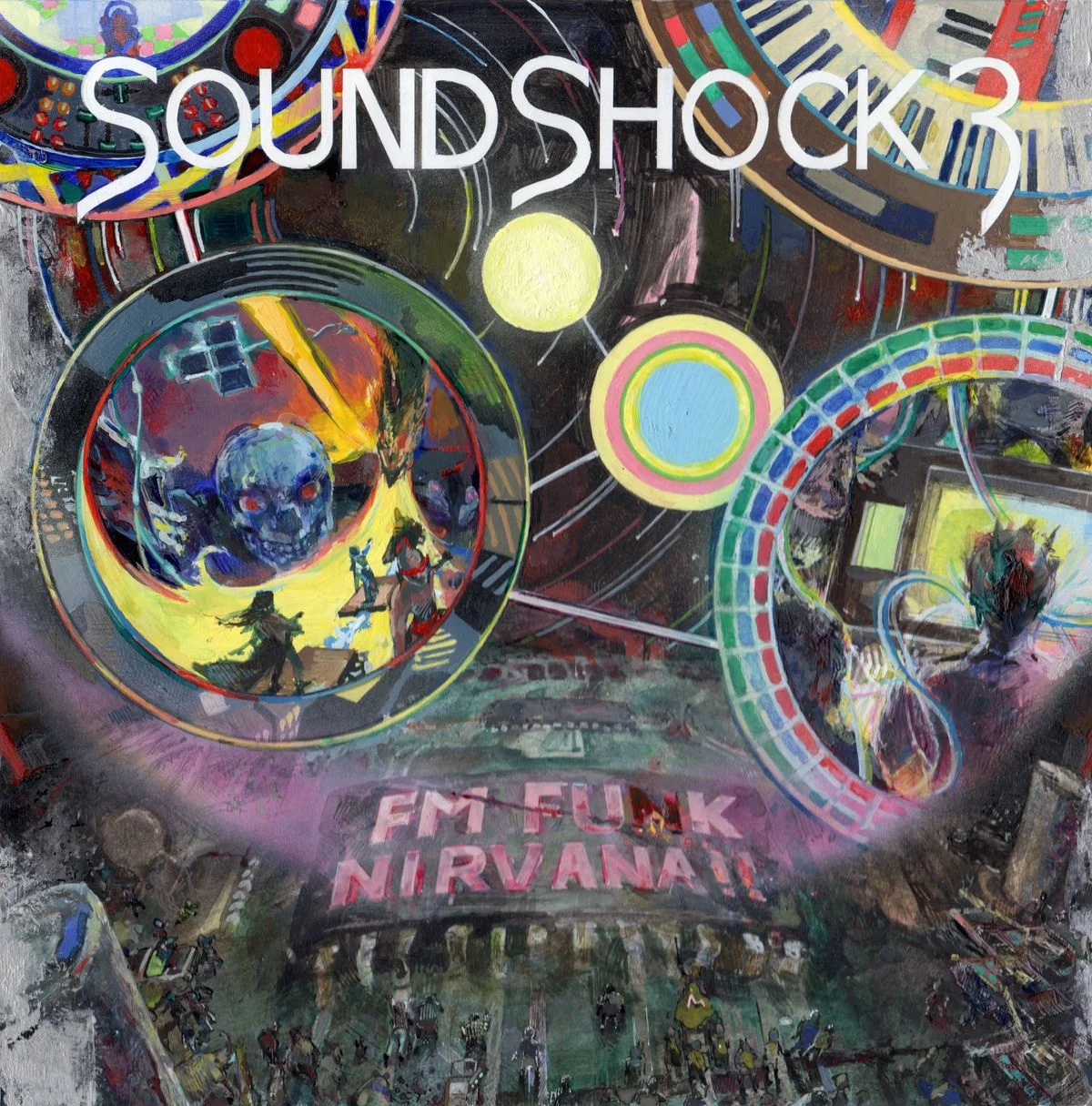
The release of SOUNDSHOCK 3: FM FUNK NIRVANA!! marks a significant milestone in the preservation and modernization of Frequency Modulation (FM) synthesis, a specialized subgenre of electronic music that traces its roots back to the golden age of arcade and home console gaming. Initiated in 2010, the SOUNDSHOCK series emerged from a collaborative effort between Swedish composer and organizer Joakim Kanmert, known professionally as zinger, and the international music collective Ubiktune, led by Dmitry "C-jeff" Zhemkov. What began as a conceptual proposal for a solo album has transformed over the past decade into a definitive cross-cultural compilation series that bridges the gap between the Western demoscene and the Japanese video game music industry.
Historical Context and the Origins of SOUNDSHOCK
The genesis of the SOUNDSHOCK project is rooted in the technological landscape of the late 1980s and early 1990s, specifically the era of the Sega Mega Drive (Genesis) and Japanese home computers such as the NEC PC-8801 and the Sharp X68000. These systems utilized Yamaha-produced FM synthesis chips, such as the YM2612 and YM2151, which offered a distinct, metallic, and "funky" timbre that defined the soundscapes of iconic titles like Sonic the Hedgehog and Golden Axe II.
In 2010, Dmitry Zhemkov, the founder of the Ubiktune label, approached Joakim Kanmert with the intent of producing a solo album. However, Kanmert, who had spent over fifteen years immersed in the tracker and demo scenes—subcultures dedicated to creating software-based music and art within strict hardware limitations—proposed a more ambitious vision. He sought to create a curated compilation that would celebrate the specific aesthetics of FM synthesis while uniting disparate communities of enthusiasts from across the globe. This proposal led to the birth of the SOUNDSHOCK series, a project dedicated to exploring, expanding, and cultivating the niche realm of chip-based computer music.
The Technological Significance of FM Synthesis
To understand the impact of the SOUNDSHOCK series, it is essential to examine the technical foundations of FM synthesis. Unlike subtractive synthesis, which was common in early analog synthesizers, FM synthesis generates complex waveforms by modulating the frequency of one signal (the carrier) with another (the modulator). This method, popularized by the Yamaha DX7 in the 1980s, allowed for the creation of realistic bell-like tones, sharp percussive sounds, and deep, "slap" bass lines that became the hallmark of 1990s game audio.
For the contributors to the SOUNDSHOCK series, these hardware limitations are not seen as obstacles but as creative catalysts. The "FM Funk" aesthetic specifically refers to the high-energy, rhythmic, and harmonically rich compositions that pushed these legacy chips to their absolute limits. By utilizing original hardware and modern FM software emulators, the artists involved in SOUNDSHOCK 3: FM FUNK NIRVANA!! maintain a direct lineage to the architectural constraints of 20th-century computing.
A Timeline of Cross-Cultural Collaboration
The development of the SOUNDSHOCK series reflects a broader trend of globalization within the chiptune and video game music (VGM) communities. The project’s timeline highlights several key phases of growth:
- 2010: Conceptualization. Joakim Kanmert and C-jeff formalize the partnership between Kanmert’s creative direction and Ubiktune’s distribution infrastructure.
- 2011–2012: Initial Releases. The first two installments of SOUNDSHOCK establish the series’ reputation for high-quality FM-based compositions, featuring a mix of Western "trackers" and Japanese industry veterans.
- The Mid-2010s: Bridging the Language Barrier. During this period, Kanmert and other organizers worked to establish direct lines of communication with Japanese composers. Initial interactions were often limited by language barriers, with enthusiasts connecting primarily through shared knowledge of specific game titles and hardware specifications.
- Present Day: SOUNDSHOCK 3. The release of the third volume represents the culmination of a decade of networking, featuring a diverse roster that includes established Japanese industry figures alongside Western underground artists.
Community Integration and Official Responses
One of the most significant achievements of the SOUNDSHOCK series is its ability to facilitate collaboration between the Western demoscene and the Japanese "doujin" (independent) music scene. This integration was made possible through the efforts of key intermediaries such as Haruhisa "hally" Tanaka, a respected music historian and founder of the VORC (Video Game Music and Other Retro-style Computer Music) website.
The series has seen participation from legendary Japanese composers such as Keishi Yonao, known for his work on Asuka 120% and Mad Stalker. Yonao’s involvement is particularly noteworthy as it highlights a reciprocal fascination; while Western artists were enamored with Japanese hardware like the NEC and Sharp computers, Japanese composers like Yonao had spent years fantasizing about Western computer culture, including the Commodore 64 and the Amiga.
Statements from the project’s organizers emphasize the importance of this community. Kanmert has noted that the series serves as a means of "exploring, expanding, and cultivating" a realm that remains vital despite the obsolescence of the original hardware. The inclusion of artists such as Ryu Takami, hex125, shogun, Utabi, zabutom, and Metal on the same tracklist is viewed by industry analysts as a symbolic unification of the global chiptune movement.
Production and Artistic Contributors
The production of SOUNDSHOCK 3: FM FUNK NIRVANA!! involved a sophisticated workflow of curation, mastering, and visual design. Beyond the musical compositions, the series relies on a dedicated team of specialists to ensure a professional presentation that rivals mainstream commercial releases.
- C-jeff (Dmitry Zhemkov): Provided the institutional support of the Ubiktune label, which has been described by Kanmert as the "world’s best chiptune label."
- Tsuyoshi Shimokura and Megus: Contributed to the technical and organizational aspects of the compilation.
- Rufus Blacklock: Responsible for visual elements, ensuring that the aesthetic of the series aligns with the retro-futuristic themes of the music.
- MmcM: A prominent figure in the Russian demoscene whose involvement underscores the international reach of the project.
The series also owes its success to the involvement of Haruhisa "hally" Tanaka, who served as a primary bridge to the Japanese community, introducing Kanmert to a network of composers who had previously operated in relative isolation from Western markets.
Broader Impact and Industry Implications
The SOUNDSHOCK series represents more than a collection of nostalgic tracks; it is a manifestation of the "New Retro" movement that seeks to preserve digital heritage through active creation. In an era where high-fidelity, orchestral scores dominate the video game industry, the persistence of FM synthesis highlights a growing demand for "lo-fi" and hardware-specific aesthetics.
From a journalistic perspective, the success of SOUNDSHOCK 3: FM FUNK NIRVANA!! suggests three primary implications for the future of independent music:
- The Democratization of Legacy Hardware: Modern tools and VSTs (Virtual Studio Technology) have made the sounds of the YM2612 and other FM chips accessible to a new generation of musicians who did not grow up with the original hardware. This ensures the longevity of the FM sound.
- Transnational Subcultures: The collaboration between Swedish, Russian, and Japanese artists demonstrates that niche interests can overcome geographical and linguistic barriers through digital platforms. The "name-dropping" of composers and game titles has evolved into a sophisticated, professionalized global network.
- Institutional Memory in the Digital Age: Netlabels like Ubiktune act as digital archives, documenting the evolution of a specific sound that might otherwise be lost to time. By organizing these works into high-quality compilations, the organizers provide a structured entry point for listeners and researchers interested in the history of electronic music.
As the SOUNDSHOCK series continues to evolve, it remains a testament to the enduring power of 1990s computer aesthetics. The project has moved beyond its origins as a bedroom obsession to become a professional-grade showcase of technical skill and cultural exchange. For the contributors and the audience alike, the series is not merely a tribute to the past, but a vibrant, living expansion of a unique musical language that continues to inspire excitement and innovation in the digital age.