Retno Hari Mulyono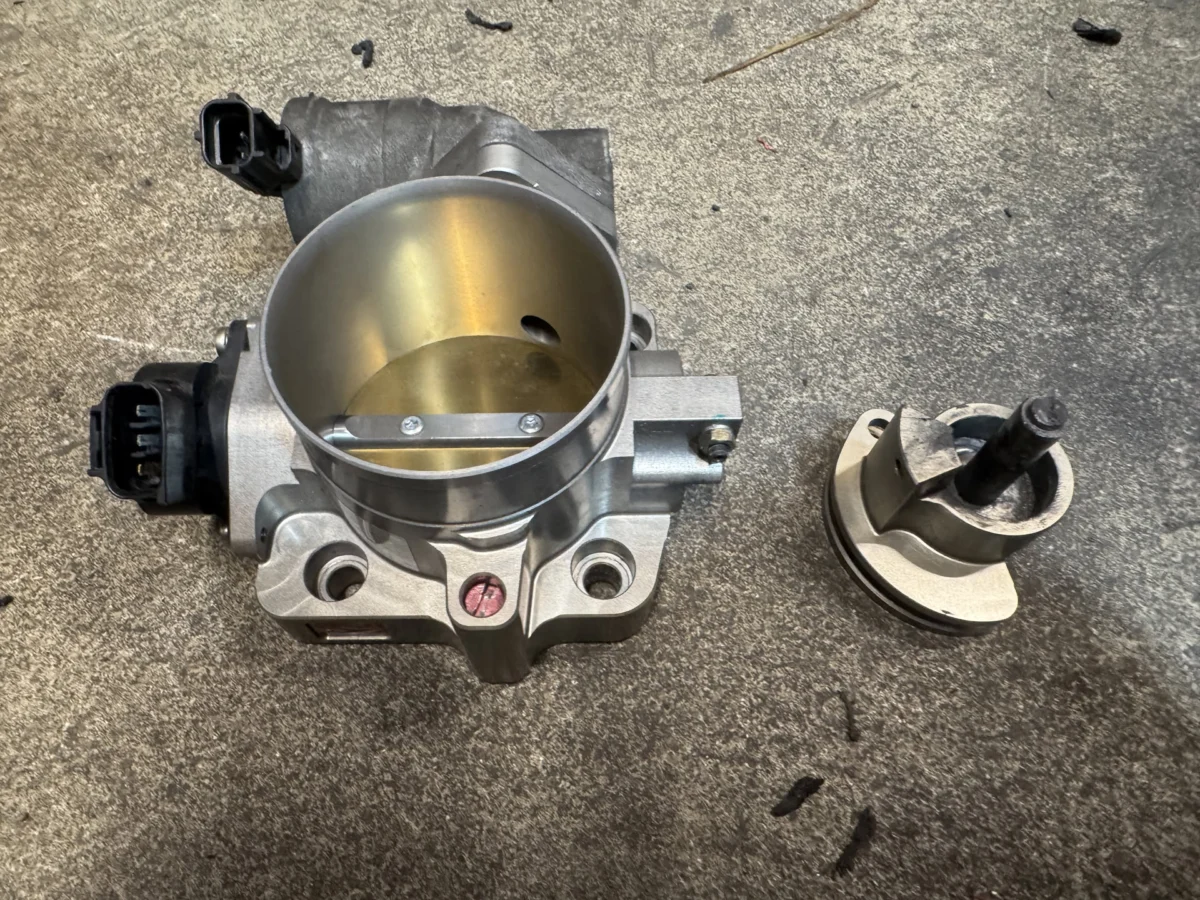
The automotive performance aftermarket is witnessing a significant shift in how legacy platforms, specifically the second-generation (NB) Mazda Miata, are managed in high-stress racing environments. As enthusiasts push these decades-old engines to their mechanical limits, the traditional cable-driven throttle body—once prized for its simplicity and direct tactile feedback—is increasingly being viewed as a liability. Recent developments in standalone Engine Control Unit (ECU) firmware and Controller Area Network (CAN) bus technology have paved the way for a transition to Drive-By-Wire (DBW) systems, a move aimed at eliminating mechanical failure points while unlocking advanced software-driven features such as auto-blip downshifts and precision traction control.
The Mechanical Failure Catalyst
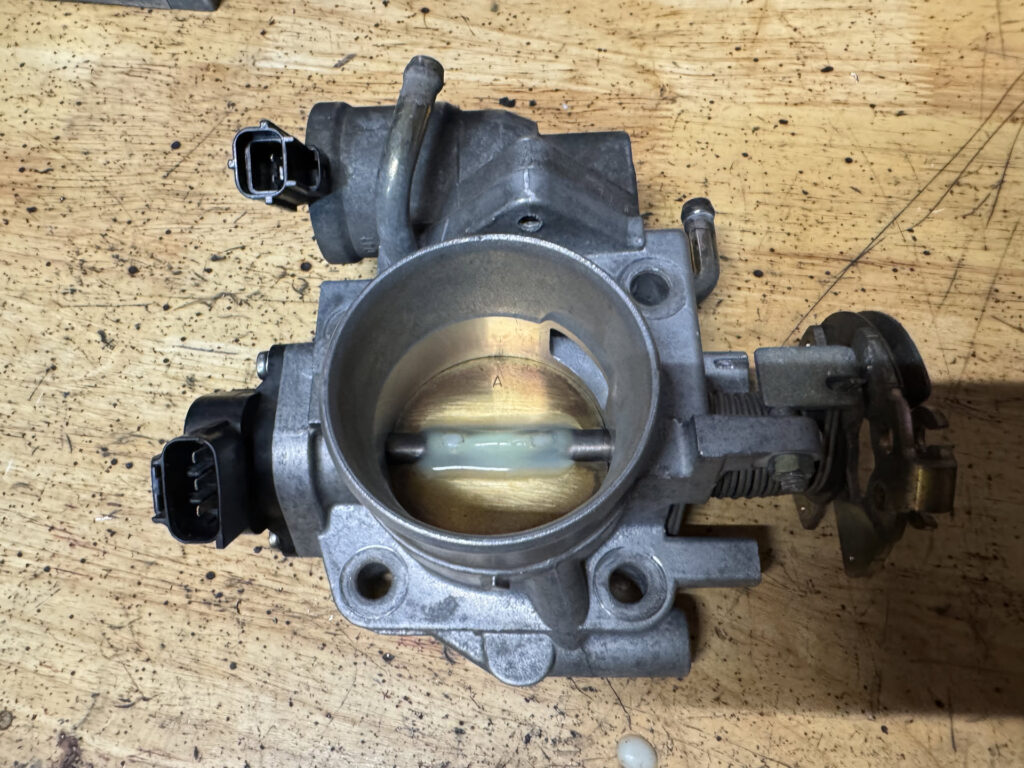
The transition from mechanical to electronic throttle control in the Miata community has been accelerated by a series of documented failures involving both original equipment manufacturer (OEM) parts and high-end aftermarket components. In professional and grassroots circuit racing, the Mazda NB Miata often undergoes rigorous vibration and heat cycles that can compromise the structural integrity of the throttle assembly.
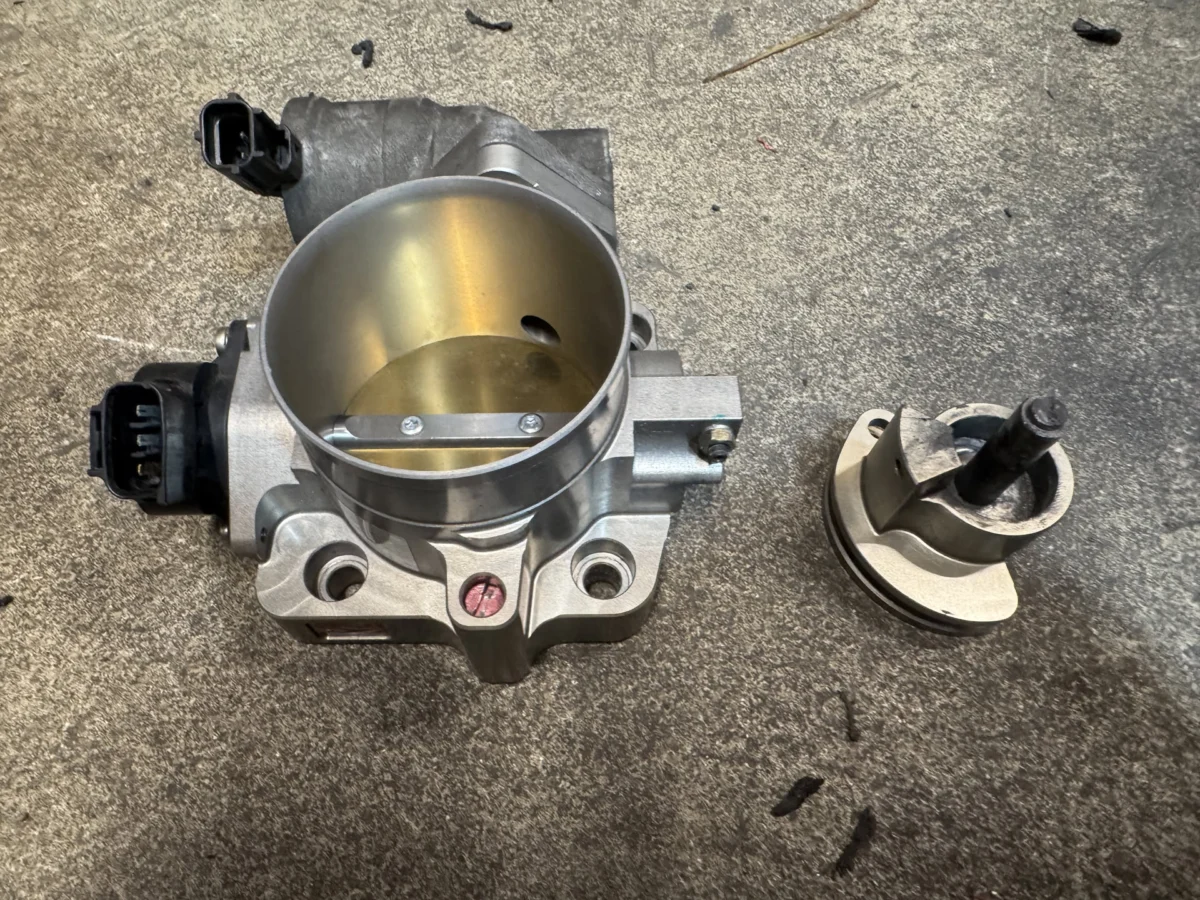
Data from the field indicates two primary failure modes in cable-driven units. First, the throttle shaft—the central rod holding the butterfly valve—is susceptible to fatigue, leading to complete mechanical snaps. Second, the screws securing the throttle blade to the shaft have been known to back out under high-frequency vibrations. If these screws are ingested into the intake manifold, the result is often catastrophic engine failure.

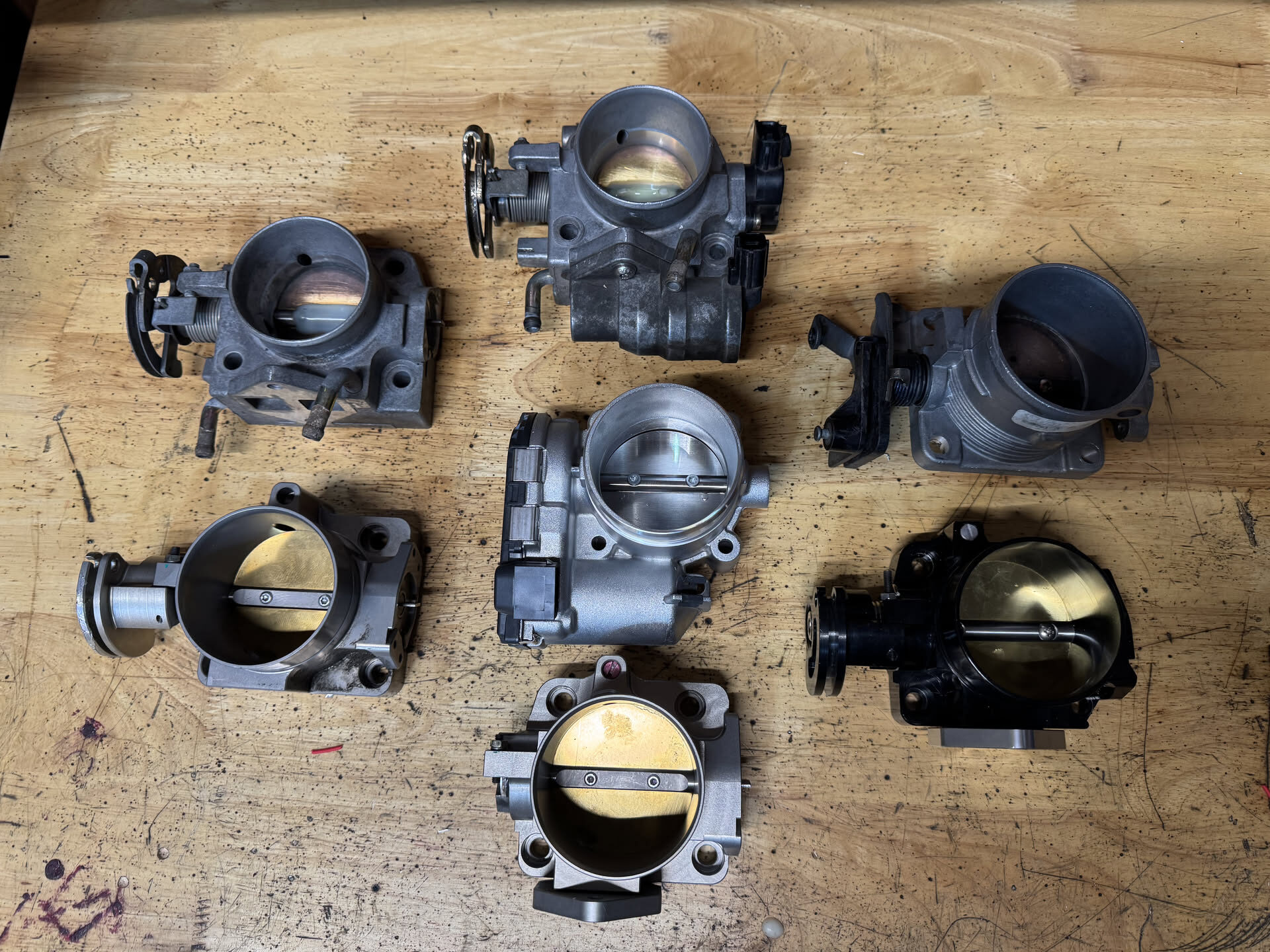
While aftermarket solutions like the Skunk2 throttle body were designed to offer larger bores and increased airflow, reports of sticking valves and shaft failures have led many tuners to categorize them as unreliable for endurance applications. Even with preventative measures, such as applying high-strength epoxies like 3M DP420 to the throttle screws, the inherent mechanical complexity of a cable, pulley, and return spring system remains a point of concern for drivers seeking maximum uptime on the track.
Chronology of the Drive-By-Wire Integration
The move toward DBW integration follows a clear chronological path of engineering necessity. Throughout the early 2020s, the popularity of the Megasquirt MS3 platform grew due to its affordability and open-source nature. However, unlike modern competitors such as Haltech or MaxxECU, the Megasquirt architecture did not originally include native high-current H-bridge drivers required to move an electronic throttle motor.
By 2019, the market saw the introduction of the first CAN-bus compatible DBW controllers, which acted as bridge devices. These units receive throttle position signals from the ECU and manage the high-amperage demands of the throttle motor independently.
In the 2025 racing season, a notable increase in "conversion projects" was recorded as several new controllers entered the market. The timeline of this technology’s adoption reflects a broader trend in the automotive industry: the "democratization of electronics," where features once reserved for high-end supercars or factory race teams are now accessible to DIY tuners for a hardware investment of under $1,000.

Hardware Architecture: The Bosch and Honda Standard
The hardware selection for a Miata DBW conversion typically centers on components with proven OEM reliability. The Bosch Motorsports 60mm electronic throttle body has emerged as the industry standard for this application. These units are readily available, cost-effective (often priced around $150), and utilized by global manufacturers in millions of production vehicles. The 60mm diameter provides a balanced increase in airflow for naturally aspirated or moderately turbocharged B-series engines without compromising low-end throttle resolution.
Because the Bosch unit does not natively bolt to the Mazda intake manifold, the market has responded with specialized adapters. Companies such as Outsider Garage and ChathamCNC have developed CNC-machined plates that allow the Bosch 60mm unit to interface with the stock NB Miata manifold, ensuring a leak-free seal and proper alignment.

On the input side, the Accelerator Pedal Position (APP) sensor is the most critical human-machine interface. While some tuners opt to replace the entire pedal assembly with a unit from a modern vehicle (such as a Mazda RX-8 or Corvette), a popular alternative is the Honda cable-driven sensor. Found in early 2000s Honda Accord V6 models, this sensor allows the driver to retain the original Miata pedal and cable. The cable simply pulls a spring-loaded pulley on the Honda sensor, which then transmits a dual-redundant voltage signal to the controller. This approach preserves the mechanical "feel" of the original pedal while providing the electronic data required for DBW operation.
Comparative Analysis of CAN-Bus Controllers
As of late 2024 and early 2025, five major controllers have dominated the Megasquirt-compatible landscape. Each offers a different balance of price, weatherproofing, and software integration.

- DBWX2: One of the most established units on the market. It is highly regarded for its dual-channel support, allowing for the control of two independent throttle bodies—a feature useful for twin-plenum intakes or complex supercharger bypass setups.
- AMP EFI: The newest entry to the market (October 2025), this unit offers advanced features like auto-blip downshift logic using dedicated brake and clutch input pins. It is priced competitively at $300 and features a robust, automotive-grade enclosure.
- MS Labs: While primarily available in European markets, the MS Labs controller is noted for its sophisticated idle control algorithms and multiple throttle mapping profiles, allowing drivers to switch between "Rain," "Sport," and "Race" modes on the fly.
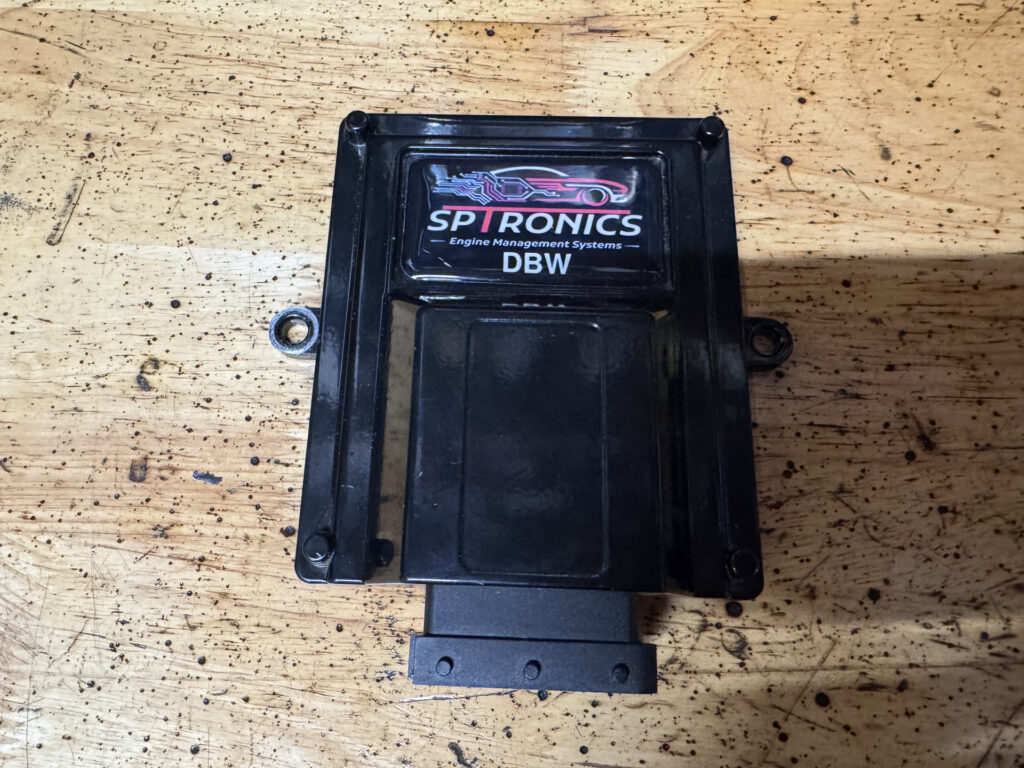
- SPTronics: Positioned as the budget-friendly option at $150, it provides essential functionality for those who do not require firmware updates or extensive PID (Proportional-Integral-Derivative) tuning.
- LD Performance: An intermediate option that provides basic DBW functionality but requires external mounting due to its non-waterproof design.
Industry Implications and Safety Standards
The shift to DBW is not merely a performance play; it is a significant upgrade in vehicle safety and engine longevity. Modern DBW systems utilize redundant signals (APP1/APP2 and TPS1/TPS2). If the two signals do not match within a specific tolerance, the controller immediately cuts power to the throttle motor, allowing the internal clock spring to snap the butterfly valve shut. This "fail-safe" mode is a massive improvement over mechanical cables, which can fray or bind, leading to "stuck-throttle" scenarios.
Furthermore, the integration of DBW allows for more nuanced engine protection strategies. If an ECU detects a lean condition or a drop in oil pressure, it can electronically close the throttle to save the engine, regardless of the driver’s foot position. This level of intervention is impossible with a mechanical link.

Broader Impact on the Tuning Community
The move toward electronic throttle control signals a coming-of-age for the Mazda Miata platform. As these vehicles transition from "cheap track cars" to "vintage racing machines," the emphasis on reliability has overtaken the desire for purely mechanical simplicity.
Experts in the field suggest that the adoption of DBW will soon become a prerequisite for competitive racing in classes where aftermarket ECUs are permitted. The ability to program "linear" throttle maps—where 10% pedal input equals exactly 10% torque—gives drivers a significant advantage in corner exit stability compared to the non-linear nature of a circular throttle pulley.
Conclusion and Future Outlook
The conversion of the NB Miata to drive-by-wire represents a convergence of old-school mechanical engineering and modern digital control. By utilizing Bosch hardware, Honda sensors, and sophisticated CAN-bus controllers, the tuning community is effectively modernizing the Miata’s powertrain for the next decade of competition.
As more data is gathered from the 2025 season, it is expected that the integration process will become even more streamlined, with "plug-and-play" kits likely becoming the norm. For the enthusiast, the result is a vehicle that is not only faster and more featured-filled but significantly more resilient against the mechanical rigors of the racetrack. The era of the throttle cable, at least in the world of high-performance Miatas, appears to be drawing to a definitive close.