Retno Hari Mulyono
The Mazda MX-5 Miata, particularly the second-generation NB model produced between 1998 and 2005, has long been a cornerstone of the global enthusiast community due to its balanced chassis and mechanical simplicity. However, as these vehicles transition from affordable roadsters to platforms for high-performance track and autocross applications, the limitations of factory instrumentation have become a primary concern for owners. Recent developments in aftermarket technology, specifically the integration of the CANchecked MFA 2.0 multifunction display and RevLimiter custom gauge faces, represent a significant shift in how drivers monitor engine health and customize interior aesthetics. This movement addresses a critical flaw in the original Mazda design: the presence of "dummy" gauges that offer little more than binary information regarding vital engine parameters.
The Technical Limitations of Factory NB Miata Instrumentation
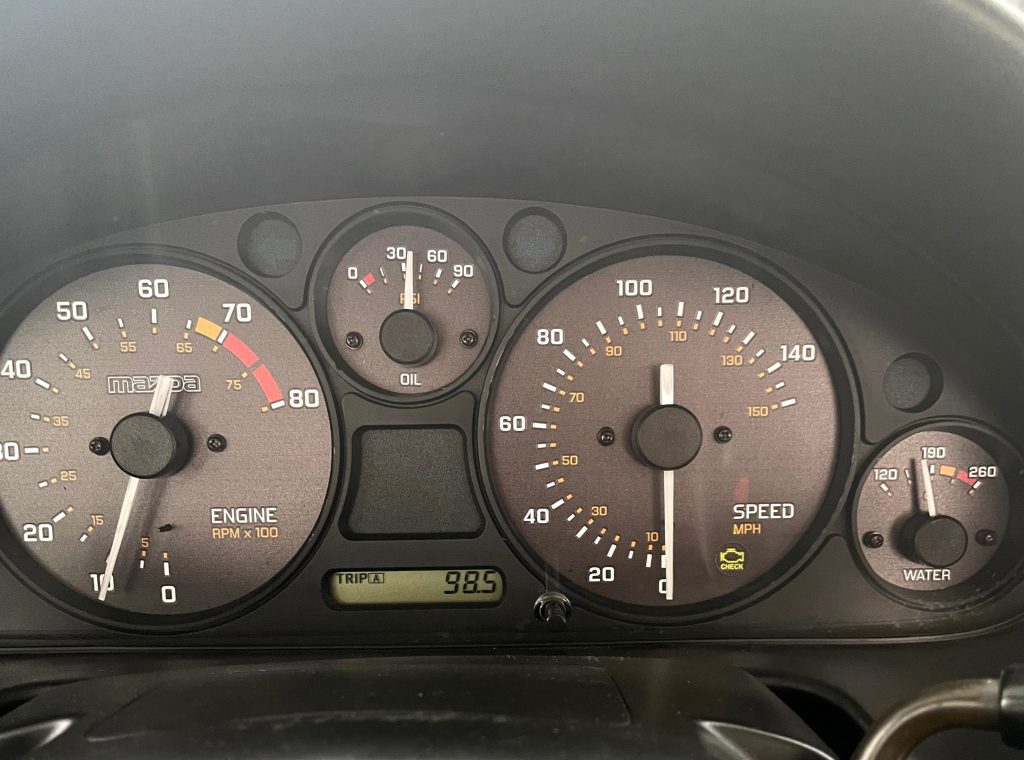
To understand the necessity of modern aftermarket solutions, one must first analyze the engineering choices made by Mazda during the late 1990s. While the NB Miata features a classic five-gauge cluster, the functionality of the oil pressure and coolant temperature gauges has been a point of contention for decades. In the stock configuration, the oil pressure gauge functions as a damped linear switch rather than a true pressure transducer. Once the engine reaches a minimum threshold of pressure, the needle moves to a fixed "normal" position and remains static regardless of fluctuations in RPM or oil viscosity. By the time the gauge registers a drop in pressure, catastrophic engine damage has often already occurred.
The coolant temperature gauge operates under a similar logic. It is designed with a wide "dead zone" in the middle of its sweep. This ensures that the needle stays perfectly centered during a broad range of operating temperatures to avoid alarming the average consumer with minor fluctuations. For a performance driver, however, this lack of granularity is dangerous. A car could be nearing a critical overheat condition without the needle moving a single millimeter from the center. These design choices were common in the automotive industry of the era to reduce "frivolous" warranty claims, but they present a significant hurdle for those pushing the 1.8-liter BP-series engine to its limits on track.
A Chronology of Instrumentation Evolution
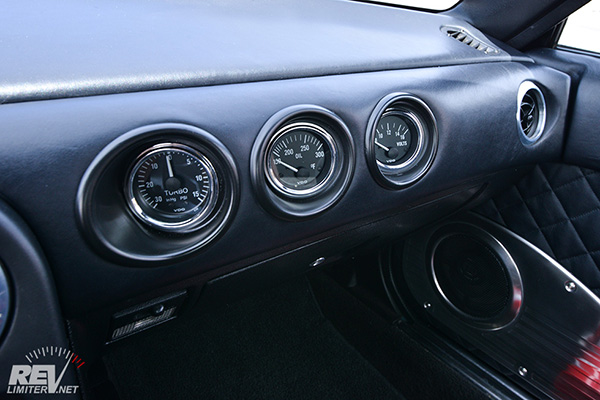
The journey toward optimized data monitoring often follows a predictable path for the Miata enthusiast. Initially, owners look toward cosmetic modifications to personalize the cabin. Following these aesthetic changes, the focus shifts toward functional reliability. For many, the first step in upgrading instrumentation involves the installation of a triple gauge pod on the driver-side A-pillar. This setup typically houses critical sensors such as oil temperature, oil pressure, and vacuum/boost for forced induction applications.
While the A-pillar pod is a functional solution, it introduces several ergonomic and safety compromises. In the context of autocross or tight circuit racing, the added bulk on the pillar creates a significant forward visibility blind spot, particularly when navigating left-hand hairpins. Furthermore, the aesthetic integration of these pods often leaves much to be desired. Because the pods are frequently designed as "add-ons" rather than full replacements, installers are often forced to bond the aftermarket plastic to the original trim, resulting in a cluttered look and a complex web of wiring that must be routed through the dashboard.
The limitations of the A-pillar approach have led to the search for more integrated, "OEM-plus" solutions. This search culminated in the adoption of digital multifunction displays that can be housed within the factory cluster itself, maintaining the vehicle’s original sightlines while providing modern data accuracy.
The CANchecked MFA 2.0: Integrating Digital Precision
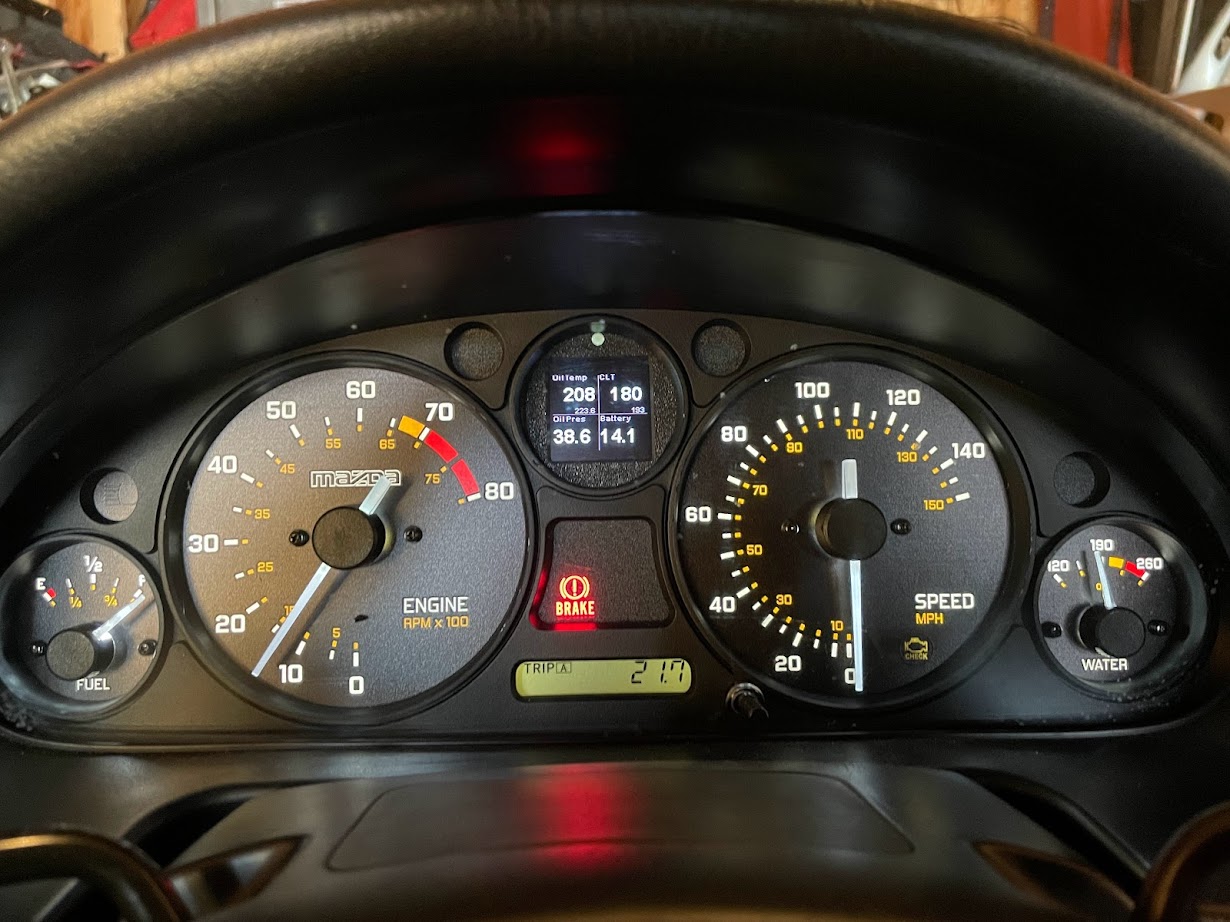
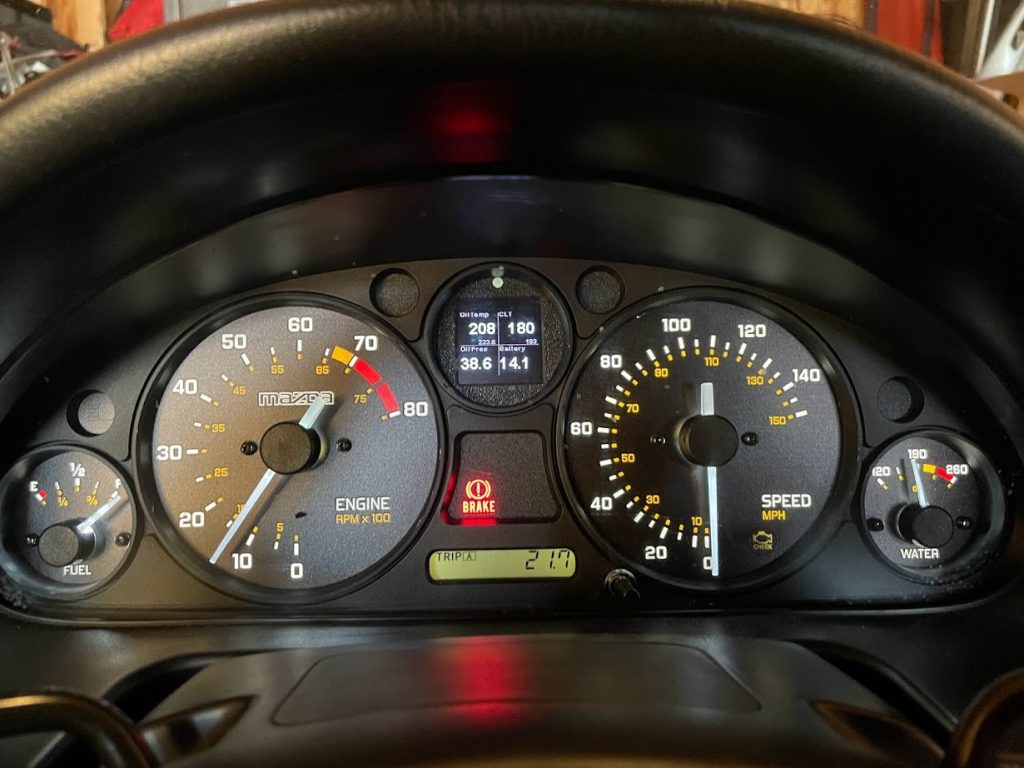
The emergence of the CANchecked MFA 2.0 multifunction display has revolutionized the way NB Miata owners interact with their vehicle’s data. This device is a small, high-resolution LCD screen designed to screw directly into the factory oil pressure gauge location. By replacing a "dummy" gauge with a programmable digital interface, drivers gain access to a wealth of information previously hidden by the stock ECU.
The CANchecked system operates on two primary data streams. The first is the CAN (Controller Area Network) bus protocol. Because the factory NB Miata ECU does not natively output a high-speed CAN signal, this upgrade typically necessitates the installation of a standalone engine management system, such as a Megasquirt or Haltech ECU. These modern computers can be configured to broadcast sensor data—including intake air temperature, manifold absolute pressure, and ignition timing—directly to the CANchecked display.
The second data stream involves four dedicated analog inputs. These allow the user to wire high-accuracy sensors directly to the gauge, bypassing the ECU entirely if necessary. This is particularly useful for monitoring oil pressure and temperature with dedicated linear transducers. The ability to display up to six parameters simultaneously across multiple customizable "dashboards" allows the driver to toggle between a street-focused view and a track-focused view with the press of a button.
Technical analysis of the MFA 2.0 suggests that while it solves the data granularity issue, it faces the universal challenge of automotive displays: sunlight legibility. In open-top roadsters like the Miata, direct glare can wash out LCD screens. Despite this, the move toward integrated digital monitoring is widely considered a superior alternative to the cluttered gauge pods of the past.
Aesthetic Refinement through RevLimiter Customization
While digital precision handles the functional requirements of the car, the aesthetic experience remains a priority for the "restomod" community. RevLimiter, a prominent manufacturer in the Miata aftermarket, has become the industry standard for high-quality gauge faces. These products are engineered to meet or exceed OEM specifications, utilizing multi-layer printing processes that ensure even light distribution and durability.
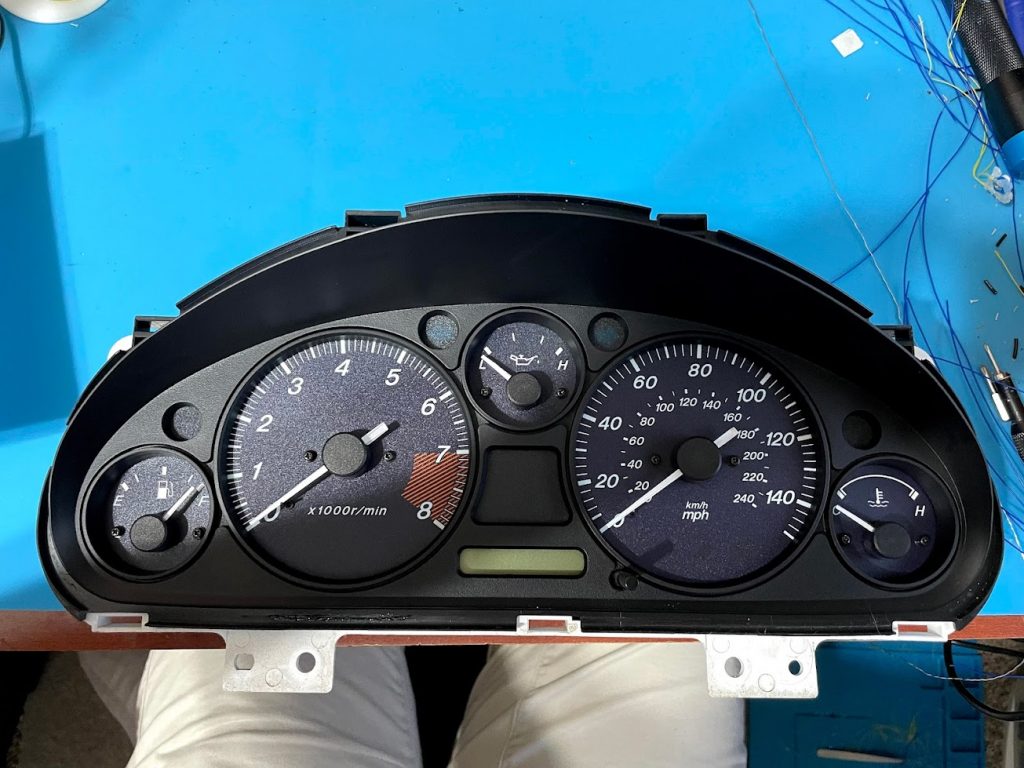
The transition to custom faces, such as the "JNC" (Japanese Nostalgic Car) design, allows owners to pay homage to classic automotive styling while modernizing the cluster’s appearance. The JNC design draws inspiration from vintage Japanese sports cars of the 1960s and 70s, featuring clean typography and a minimalist layout. When paired with a white LED conversion—replacing the dated green incandescent bulbs of the factory NB cluster—the result is a high-contrast, modern interface that retains a timeless feel.
The installation of these faces requires a meticulous approach, involving the removal of the gauge needles and the delicate alignment of the new overlays. However, the feedback from the enthusiast community indicates that this modification is one of the most impactful "touchpoint" upgrades available, as the gauge cluster is the primary interface between the driver and the machine.
Supporting Data and Performance Implications
The shift toward better instrumentation is supported by data from engine builders who specialize in the Mazda BP engine. Analysis of engine failures in track-driven Miatas often points to oil starvation or cooling system fatigue as the primary culprits. In a stock NB, these issues are often invisible until the engine has already seized. By utilizing a digital display with programmable warning thresholds, drivers can set visual alerts that trigger the moment oil pressure drops below a safe level relative to RPM, or if coolant temperatures exceed 215 degrees Fahrenheit.
Furthermore, the integration of these systems simplifies the vehicle’s electrical architecture. A single CAN bus cable can replace a dozen individual signal wires, reducing the risk of electrical interference and simplifying troubleshooting. In a vehicle where weight and space are at a premium, the consolidation of data into the factory cluster represents a significant engineering efficiency.
Broader Impact and the Future of Data Logging
The trend of enriching the Miata gauge cluster is a microcosm of a larger movement within the automotive hobby: the "Digital Restomod." As vintage and modern-classic cars age, owners are increasingly looking for ways to blend original styling with 21st-century technology. The success of products like CANchecked and RevLimiter suggests a robust market for integrated solutions that do not compromise the interior design of the vehicle.
Looking forward, the next step in this evolution involves the integration of advanced telemetry and data logging. Systems like the RaceCapture Pro are becoming common additions to the Miata platform. These devices log not only engine data but also high-frequency GPS, accelerometer, and gyro data. By correlating engine health with track position and driver inputs (such as brake pressure and throttle position), owners can transition from simply monitoring their car to actively improving their driving performance.
In conclusion, the modernization of the NB Miata gauge cluster is more than a cosmetic endeavor. It is a necessary response to the shortcomings of late-90s automotive engineering. By replacing unreliable "dummy" gauges with high-precision digital displays and refined aesthetic components, enthusiasts are ensuring that the Mazda MX-5 remains a viable and safe platform for performance driving well into its third decade of existence. The combination of the CANchecked MFA 2.0 and RevLimiter faces provides a roadmap for how classic driver’s cars can be updated for the modern era without losing their soul.