Cecilia Chamidah Nur
Hamster Corporation, a leading purveyor of classic arcade and console titles, has announced a significant expansion to its esteemed Arcade Archives and Console Archives collections. This week’s additions, slated for release on Thursday, July 16th, 2026, will introduce Taito’s innovative 1988 arcade shooter Syvalion and Data East’s 1989 Famicom role-playing game Hercules no eikou II Taitan no metsubou (Glory of Hercules II: The Downfall of Titan) to a wide array of contemporary and next-generation platforms. These releases underscore Hamster’s ongoing commitment to game preservation and accessibility, bringing historically significant titles to a new generation of players while catering to nostalgic fans.
Syvalion: A Return for Taito’s Dragon-Piloting Arcade Marvel
Syvalion, a captivating dragon-themed shooting game from the golden age of arcades, is set to make its digital debut across multiple platforms, including the Nintendo Switch, the forthcoming Switch 2, PlayStation 4, PlayStation 5, and Xbox Series X|S. Developed by a team at Taito that notably included Fukio Mitsuji, the celebrated creator behind seminal titles like Bubble Bobble and Arkanoid, Syvalion carved out a unique niche in the competitive arcade landscape of the late 1980s. Its distinctive gameplay mechanics and innovative design elements have long secured its place in arcade history.
Genesis and Gameplay Innovation:
First released in 1988, Syvalion stood out for its blend of fast-paced shooting action with intricate maze navigation, controlled by a trackball. Players assume command of a formidable mechanical dragon, tasked with traversing complex, multi-directional mazes filled with environmental hazards and enemy combatants. The trackball interface, a control method less common for shooters but famously utilized in classics like Centipede and Missile Command, demanded a unique blend of precision and agility from players. This non-traditional input method contributed significantly to the game’s distinctive feel and challenge, requiring fluid, sweeping motions to guide the dragon through tight corridors and engage robotic adversaries positioned at the conclusion of each labyrinthine stage.
Perhaps Syvalion‘s most celebrated feature was its unprecedented depth in narrative progression: the game boasted over 100 different endings. This remarkable design choice, particularly for an arcade title of its era, offered an exceptional degree of replayability and player agency. While many arcade games focused solely on high scores and linear progression, Syvalion‘s multiple conclusions, influenced by factors such as completion time, destruction rate, and perhaps even specific hidden objectives, encouraged players to experiment with different strategies and master the game’s mechanics beyond mere survival. This foresight in design hinted at the evolving complexities that would later become standard in console gaming, allowing Syvalion to offer a surprisingly rich, albeit subtle, branching narrative experience.
The Taito H System: A Specialized Platform:
Syvalion holds further historical significance as one of only three titles ever developed for Taito’s proprietary H System hardware. Launched in 1988, the H System was a relatively powerful 16-bit arcade board for its time, featuring custom chips designed to handle advanced sprite scaling and rotation, along with enhanced sound capabilities. This specialized hardware allowed for the creation of visually impressive and technically demanding games, such as Syvalion‘s detailed mazes and smoothly animated dragon. However, the high cost and specialized nature of developing for the H System meant it saw limited adoption. The other two titles to utilize this advanced architecture were the 1988 events game Recordbreaker (known as Go For Gold in Japan) and the 1989 baseball simulation Dynamite League. The rarity of H System titles makes their preservation and re-release even more crucial for video game historians and enthusiasts, offering a glimpse into Taito’s hardware innovation efforts.
A History of Ports and Reissues:
Following its arcade debut, Syvalion saw several adaptations for home platforms. In 1990, it was ported to the Sharp X68000, a high-end Japanese home computer celebrated for its robust gaming capabilities and faithful arcade conversions. This was followed by a Super Famicom (SNES) release in 1992, which necessitated significant adjustments to accommodate the console’s graphical and control limitations, particularly the absence of a trackball. Despite these challenges, the Super Famicom version allowed a broader console audience to experience the game.
In more recent times, Syvalion has been featured in various compilation releases, testament to its enduring appeal. It appeared on the PlayStation 2 as part of Taito Memories Jōkan in Japan and Taito Legends 2 in North America and Europe, providing a convenient way for modern console owners to access a curated selection of Taito’s arcade heritage. More recently, the game was a highlight on the Egret II Mini, a dedicated retro console that famously included a paddle and trackball controller, offering a near-authentic arcade experience for a selection of its included games. Additionally, it found a spot on the Nintendo Switch as one of the titles in Taito Milestones 4, showcasing Hamster’s ongoing collaboration with Taito to bring its classics to contemporary digital storefronts.
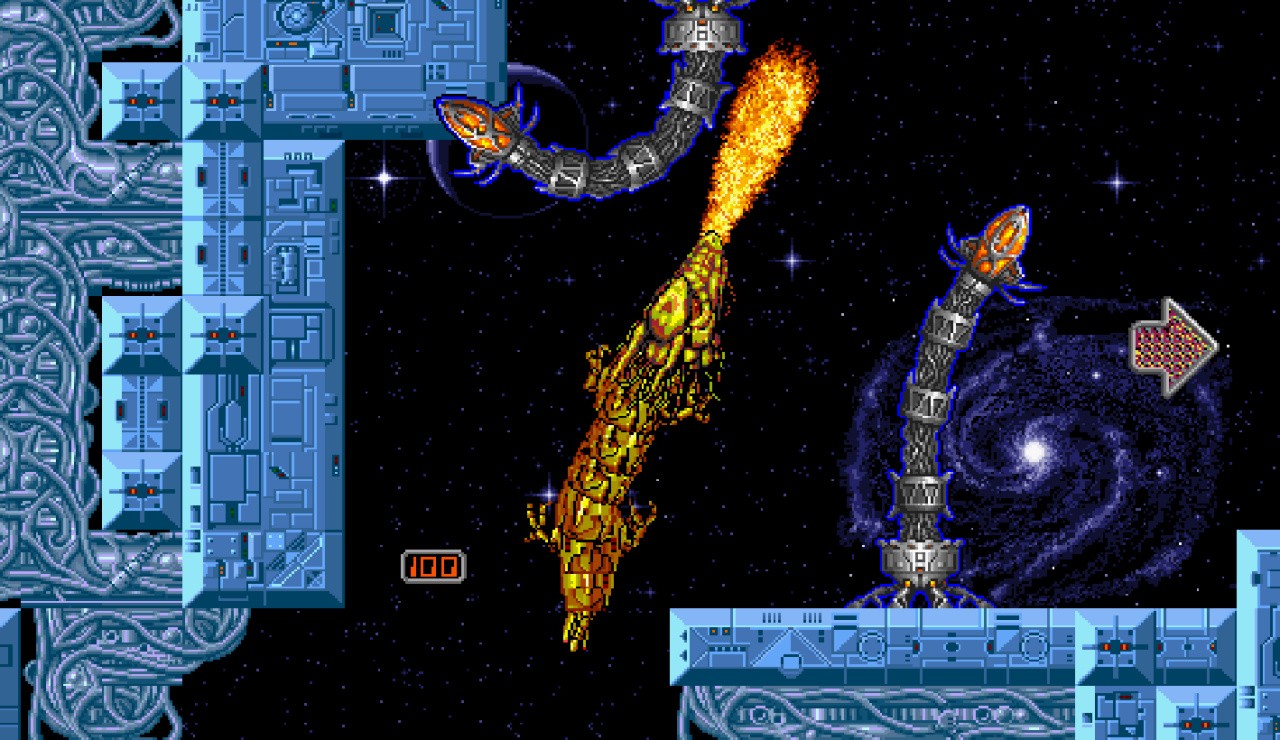
The upcoming Arcade Archives and Arcade Archives 2 versions of Syvalion are anticipated to provide the definitive digital rendition. Hamster has established a reputation for meticulous emulation, ensuring faithful reproduction of the original arcade experience. These releases will include the standard suite of Hamster’s "Archives" bonuses, enhancing the play experience without compromising authenticity. These features typically range from customizable screen filters that replicate the look of CRT monitors to additional modes, such as "High Score Mode" and "Caravan Mode," which challenge players to achieve specific scores under timed conditions. Crucially, online leaderboards will allow players worldwide to compete for top honors, injecting a modern competitive edge into this arcade classic. The Arcade Archives version will be priced at $7.99, with the Arcade Archives 2 version available for $9.99. This tiered pricing often reflects slightly different feature sets, such as additional challenge modes or enhanced emulation options, as Hamster continues to evolve its archival offerings.
Hercules no Eikou II Taitan no Metsubou: Data East’s Famicom RPG Emerges
Alongside Syvalion, Hamster will also release Data East’s 1989 Famicom role-playing game, Hercules no eikou II Taitan no metsubou (Glory of Hercules II: The Downfall of Titan), as part of its Console Archives series. This title will be available on the Switch 2 and PlayStation 5, also on July 16th, 2026, priced at $7.99. This release is particularly notable as it marks the first official international availability of this classic Japanese RPG.
The "Glory of Hercules" Series and Data East’s Legacy:
Data East Corporation, a prolific developer and publisher during the 8-bit and 16-bit console eras, was responsible for a diverse portfolio of games spanning various genres. While perhaps best known in the West for arcade hits like BurgerTime and Bad Dudes Vs. DragonNinja, Data East also cultivated a strong presence in the burgeoning console RPG market in Japan. The Hercules no Eikou (Glory of Hercules) series, steeped in Greek mythology, was one of its most prominent contributions to the Famicom’s rich RPG library, which also included foundational titles like Dragon Quest and Final Fantasy. The second installment, Taitan no metsubou, built upon the groundwork of its predecessor, offering an expansive world, intricate narratives, and turn-based combat that was characteristic of the era. These games often featured compelling stories of gods, heroes, and mythical beasts, captivating Japanese players with their blend of fantasy and strategic gameplay.
Addressing the Localization Challenge:
A critical aspect of the Hercules no eikou II release is its unique localization status. As the game was never released overseas during its original Famicom run, Western players have historically been unable to experience it without resorting to fan translations or importing. Hamster has addressed this by providing the user interface and manual in English, a significant step towards making the game more accessible. However, the core game content – including dialogue, item descriptions, and quest details – will remain in Japanese only. This decision, while perhaps disappointing for those anticipating a full localization, is a pragmatic approach for preserving and releasing niche, Japan-exclusive titles. Hamster explicitly warns potential players to manage expectations regarding language barriers, emphasizing that a deep understanding of Japanese will be necessary to fully engage with the game’s narrative and systems.
This partial localization strategy highlights the complexities of retro game preservation. Fully translating an entire 8-bit RPG, often with thousands of lines of text and cultural nuances, can be a prohibitively expensive and time-consuming endeavor, especially for a title with a relatively niche international audience. By localizing only the interface and manual, Hamster balances the desire for broader accessibility with the economic realities of publishing obscure classics. For dedicated fans of retro RPGs and those interested in video game history, this release offers a rare opportunity to legally acquire and play a significant piece of the Famicom’s legacy, even if it requires additional effort to fully comprehend. It also caters to players who possess some Japanese language proficiency, offering them a direct portal to a game previously out of reach.
Hamster Corporation: The Custodians of Gaming History
These dual announcements reaffirm Hamster Corporation’s pivotal role in the digital preservation of video game history. Through its Arcade Archives and Console Archives initiatives, Hamster has systematically brought hundreds of classic titles from various publishers to modern platforms, preventing them from being lost to obsolescence and making them available to new generations of players.
The Mission of Digital Preservation:
Hamster’s mission extends beyond mere re-releases; it is a dedicated effort to archive and present games as they originally appeared, complete with authentic emulation. This commitment addresses several critical challenges in video game preservation:
- Hardware Degradation: Original arcade cabinets and console hardware are susceptible to wear, tear, and component failure, making them increasingly difficult to maintain and play.
- Software Obsolescence: Older game cartridges and discs require specific hardware to run, which is becoming rarer and more expensive. Digital re-releases bypass these physical limitations.
- Historical Accessibility: Many historically significant games, particularly those that were Japan-exclusive or had limited distribution, become difficult for researchers and new players to access. Hamster’s archives democratize access to this cultural heritage.
The "Archives" brand has become synonymous with quality emulation. Each release typically includes features designed to enhance the modern playing experience while respecting the original game’s integrity. These include multiple display options (e.g., scanline filters, aspect ratio adjustments), save states, custom button mapping, and the aforementioned online leaderboards and challenge modes. These thoughtful additions transform a simple port into a robust, curated historical package.

Multi-Platform Strategy and Future-Proofing:
Hamster’s strategy of releasing titles across a wide range of platforms – Nintendo Switch, Switch 2, PlayStation 4, PlayStation 5, and Xbox Series X|S – ensures maximum reach and future-proofs these classics for years to come. The inclusion of the Switch 2, a presumed next-generation console, demonstrates Hamster’s proactive approach to supporting emerging hardware and maintaining continuity for its archival programs. This broad availability means that players, regardless of their preferred console ecosystem, can access these cherished titles, fostering a larger and more engaged retro gaming community.
The continued success of the Arcade Archives and Console Archives programs highlights the robust and growing market for retro gaming. Driven by nostalgia among older players and a burgeoning interest in gaming history among younger audiences, the demand for faithfully emulated classics remains strong. Hamster’s consistent weekly releases have cultivated a loyal following, turning each Thursday into a moment of anticipation for what classic title will be unveiled next.
Broader Implications for the Gaming Industry
The release of Syvalion and Hercules no eikou II Taitan no metsubou carries broader implications for the video game industry, particularly in the realm of preservation, accessibility, and the economic viability of niche titles.
Preservation as a Priority:
These releases underscore the critical importance of video game preservation as a cultural endeavor. As the medium matures, the need to document, maintain, and make accessible its history becomes increasingly apparent. Hamster, alongside other dedicated entities like M2, Digital Eclipse, and community-driven projects like MAME, plays a vital role in this effort. Without such initiatives, countless games could be lost to technological obsolescence, leaving gaps in the historical record of this influential art form. The re-release of obscure hardware-specific titles like Syvalion and previously untranslated RPGs like Hercules no eikou II are particularly significant contributions to this ongoing preservation work.
Expanding Market for Retro Gaming:
The continued expansion of the "Archives" programs also reflects a sustained and growing commercial viability for retro gaming. What was once a niche pursuit for collectors and enthusiasts has evolved into a mainstream segment of the industry. Digital distribution channels have lowered the barrier to entry, making it easier for publishers to release older titles without the overhead of physical production. This economic model enables companies like Hamster to take calculated risks on lesser-known or more challenging titles, knowing there is a dedicated audience willing to support these efforts. The success of these titles, in turn, encourages other publishers to look into their own back catalogs for potential re-releases.
Cultural Exchange and Accessibility:
The partial localization of Hercules no eikou II sparks an ongoing debate within the retro gaming community about the balance between authenticity, accessibility, and economic realities. While a full translation would undoubtedly open the game to a wider audience, the current approach still provides a crucial entry point for Western players into a significant piece of Japanese gaming culture. It highlights that even with language barriers, the act of experiencing a historically important game in its original form holds value. This practice fosters a greater appreciation for the diversity of game design philosophies and cultural contexts that shaped the early days of video games.
Looking ahead, Hamster Corporation’s unwavering dedication to its Arcade Archives and Console Archives programs promises a future where more of gaming’s rich history is brought to light. These upcoming releases of Syvalion and Hercules no eikou II Taitan no metsubou are not just new games for modern consoles; they are carefully curated artifacts, offering windows into the past that continue to inform and inspire the future of interactive entertainment. As the industry advances towards new horizons with consoles like the Switch 2, the commitment to preserving its foundational works remains as vital as ever.