Farhan hamdan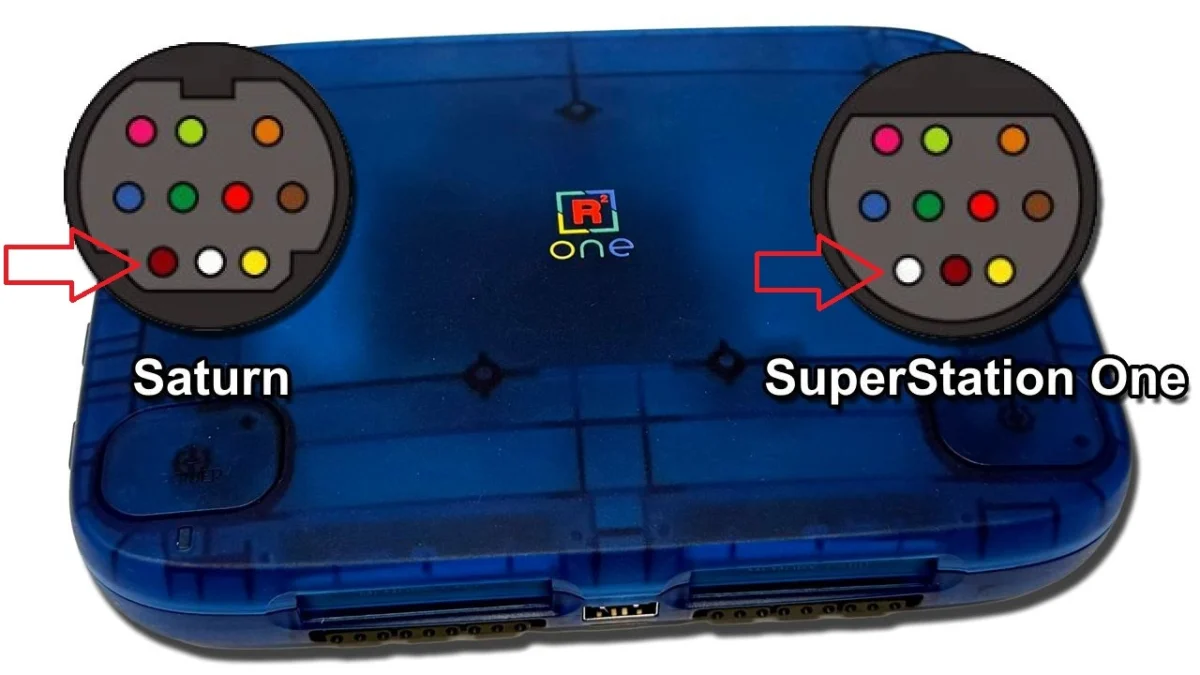
A significant audio pinout discrepancy has been identified in the highly anticipated SuperStation One (SSOne) retro gaming hardware, leading to an immediate public apology from prominent retro gaming expert Bob from RetroRGB and a re-evaluation of industry-standard pinout documentation. The issue, which involves the reversal of Left and Right audio channels on the device’s Sega Saturn-style MiniDIN output, was brought to light by Kyle from Retro Access during the development of custom SSOne cables. This discovery has prompted a broader discussion within the retro gaming community regarding the critical importance of meticulous verification, comprehensive beta testing, and the accuracy of shared technical documentation in a niche but rapidly evolving market.
Discovery and Immediate Response
The revelation of the audio pinout error came to public attention through a social media post by Retro Access on May 29, 2026, which quickly circulated within the dedicated retro gaming hardware community. Kyle, a respected figure in the custom cable manufacturing sector, was in the process of designing specialized cables for the SuperStation One when he observed the inverted audio channels. This critical finding contradicted the widely accepted Sega Saturn MiniDIN pinout, which the SSOne’s design was ostensibly based upon.
Following Retro Access’s public announcement, Bob from RetroRGB, a key figure in the review and promotion of retro gaming hardware, promptly issued a comprehensive statement acknowledging the error. In what he described as "the most embarrassing post I’ve written in a very long time," Bob took full responsibility for the oversight. His admission underscored the collaborative yet interdependent nature of the retro gaming hardware ecosystem, where creators, reviewers, and accessory manufacturers often rely on shared information and initial testing results. He expressed sincere apologies to anyone who had purchased SuperStation One cables based on his initial, albeit flawed, recommendations, assuring them that the cables themselves remained high quality and the fix was relatively straightforward.
The SuperStation One: A Brief Overview
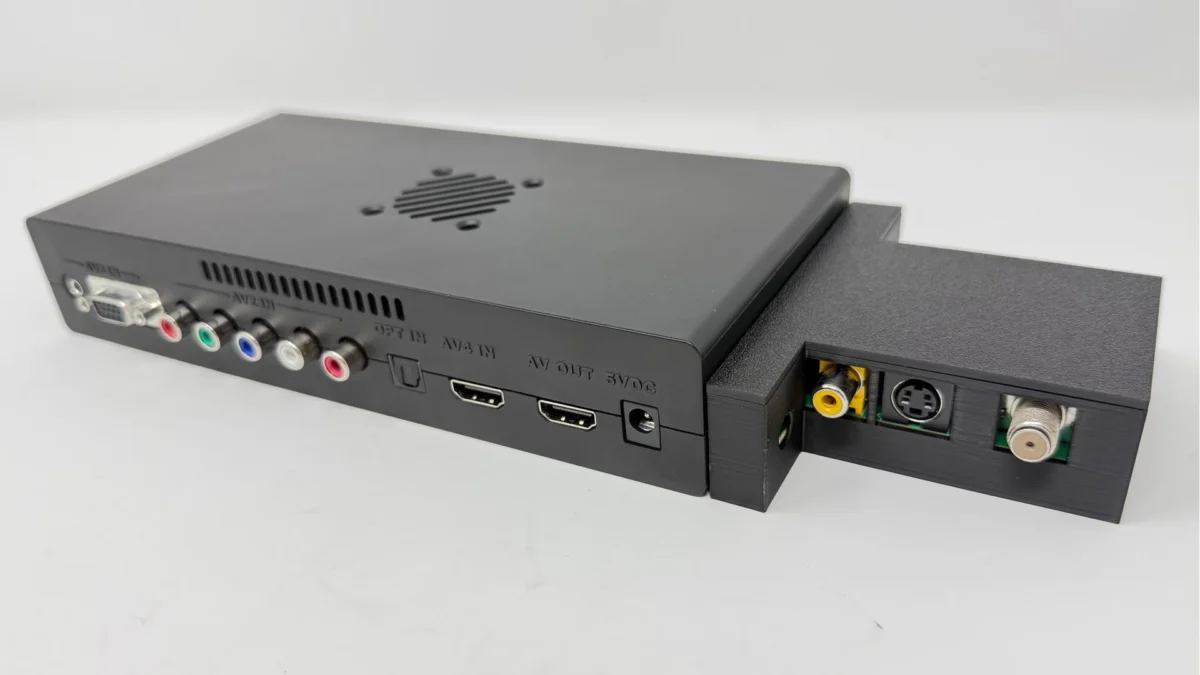
To fully appreciate the context of this discovery, it is essential to understand the SuperStation One’s position within the retro gaming hardware landscape. The SuperStation One is an advanced piece of hardware designed by Taki, aimed at providing a high-quality, comprehensive video and audio output solution for various retro consoles, often featuring complex signal processing capabilities. Devices like the SSOne are crucial for enthusiasts seeking to connect their vintage gaming systems to modern displays while preserving or enhancing video and audio fidelity. Its design often incorporates multiple input/output options, including RCA jacks and multi-pin MiniDIN connectors, which emulate the outputs of popular consoles like the Sega Saturn.
The Sega Saturn MiniDIN connector, specifically, is a common interface in the retro gaming world due to its ability to carry multiple video and audio signals in a compact form factor. Its widespread use makes accurate pinout documentation paramount, as numerous accessory manufacturers and modders rely on these specifications for compatibility. The SSOne’s ambition to serve as a versatile hub for retro consoles meant that its adherence to established standards, or clear deviations from them, was vital for seamless integration into existing setups. The initial excitement surrounding the SSOne was precisely because of its promise to simplify and enhance the retro gaming experience, making the discovery of a core pinout error particularly notable.
Tracing the Error: A Flawed Pinout at the Source
The root cause of the SuperStation One’s audio pinout reversal has been traced back to an inaccurate Sega Saturn pinout diagram used during the device’s design phase. Taki, the designer of the SSOne, confirmed to Bob that the reference pinout they consulted was one of "many retro gaming pinouts floating around that’s wrong." This highlights a pervasive and often unacknowledged challenge within the retro hardware community: the proliferation of unofficial, unverified, or outdated technical specifications. Unlike modern commercial electronics, which typically adhere to stringent industry standards and have readily available, official documentation, the world of retro gaming often relies on community-generated diagrams, reverse-engineered schematics, and forum discussions, which can inadvertently propagate errors.
This reliance on potentially flawed community documentation is not unique to the SuperStation One incident. It underscores the difficulty in establishing definitive standards for legacy hardware, where original manufacturer specifications may be lost, obscure, or never publicly released in comprehensive detail. The act of documenting and standardizing pinouts for dozens of different consoles and their myriad accessory ports is a monumental task, often undertaken by passionate hobbyists rather than large corporations. Consequently, even well-intentioned designers can fall prey to seemingly authoritative but ultimately incorrect information.
The Review Process: Missed Signals and Complexities
The fact that the audio pinout error went unnoticed through initial reviews by prominent experts like Bob from RetroRGB and Ken, who conducted a detailed teardown and analysis of the SSOne, speaks to the inherent complexities of evaluating sophisticated retro hardware. Bob openly admitted that his and Ken’s focus was overwhelmingly on the video circuit side of things. Given the intricate nature of analog video signals, particularly for older consoles, ensuring video fidelity, compatibility, and signal integrity often consumes the vast majority of testing resources. The SuperStation One, with its promise of advanced video processing, likely presented numerous potential pitfalls in this area, demanding intense scrutiny.
Bob elaborated on his personal testing methodology, stating that he spent approximately 99% of his time on the analog video circuit. While he did test audio, his methodology had specific limitations. He noted that the device’s White and Red RCA jacks, which typically correspond to Left and Right audio, were correctly routed. His primary audio verification likely centered on these, confirming basic functionality.
However, the MiniDIN testing, which ultimately revealed the error, was subject to several complicating factors in Bob’s setup. He explained that his testing environment included a specific audio capture device that exhibited issues with channel reversal, alongside a personal habit of using specific headphones with a reversed L/R signal. While he stressed these were "not an excuse for my mistake, just an explanation," they collectively contributed to masking the underlying pinout error during his extensive review process. This detailed self-assessment provides valuable insight into the practical challenges of hardware review and the importance of redundant verification methods, even for seemingly straightforward aspects like audio channels.
Industry Collaboration and Interdependence
This incident also serves as a poignant illustration of the interconnectedness and interdependence within the retro gaming hardware community. The collaboration chain involved Taki (designer), Bob and Ken (reviewers), Retro Gaming Cables (manufacturer of initial cables), and Retro Access (discoverer of the error).

Rob from Retro Gaming Cables, a respected producer of high-quality custom cables, relied directly on Bob’s testing results for the specifications of the initial batch of SuperStation One RGB SCART cables. This is a common practice, as smaller-scale manufacturers often leverage the expertise and testing capabilities of community leaders and reviewers to ensure product compatibility. When the source information contains an error, the ripple effect can impact multiple parties down the line.
Kyle from Retro Access, in his role as a custom cable designer, undertook his own rigorous testing to ensure his products would seamlessly integrate with the SuperStation One. It was this independent verification process that ultimately unearthed the discrepancy. His discovery, and the subsequent transparent communication from all parties, underscores the community’s commitment to accuracy and quality, even when it means acknowledging past errors. The quick dissemination of information and the collaborative spirit in addressing the problem highlight the robust, if sometimes fallible, self-correcting mechanisms at play in this niche industry.
Impact on Consumers and Remedial Actions
For consumers who purchased the initial batch of SuperStation One RGB SCART cables based on the original, incorrect specifications, the immediate impact is manageable. Bob assured users that the cables themselves are "still excellent," requiring only a simple modification to correct the audio channel reversal. The fix, described as "really easy," involves a basic soldering iron and tweezers or pliers to swap the L&R wires within the SCART head. This level of DIY repair is often within the capabilities of many retro gaming enthusiasts, who frequently engage in soldering for console modifications or repairs.
Furthermore, Bob confirmed that all subsequent "SuperStation One" branded cables would be manufactured with the corrected pinout, effectively matching the SSOne’s output. This proactive measure ensures that future purchases will not be affected by the original error. Retro Access also updated its "Knowledge Center" to reflect the accurate pinout figures, providing a reliable reference for the community moving forward. The swift provision of solutions and updated information helps mitigate consumer inconvenience and maintains trust in the product and the associated businesses.
Broader Implications for Hardware Development
The SuperStation One audio pinout incident offers several crucial lessons for hardware developers, reviewers, and the retro gaming community as a whole.
Firstly, it forcefully reiterates the necessity of rigorous and independent beta testing before any product goes into mass production. While initial reviews by trusted experts are invaluable, a diverse group of beta testers, operating with varying setups and methodologies, can provide a more comprehensive net for catching subtle errors. This multi-layered approach to quality assurance is standard practice in larger industries and proves equally vital in niche markets.
Secondly, the incident underscores the critical importance of verifying all source documentation. The reliance on unverified community-generated pinouts, while understandable given the lack of official documentation for legacy hardware, carries inherent risks. There’s a clear need for community efforts to curate and maintain a single, authoritative database of verified retro hardware pinouts, perhaps through collaborative wikis or dedicated archives, to minimize the propagation of errors.
Thirdly, it highlights the complexities of testing multifaceted devices. When a product like the SuperStation One aims to be an all-encompassing solution, the sheer number of features and potential interactions can make comprehensive testing a monumental task. This necessitates a structured approach, perhaps breaking down testing into distinct modules (e.g., video, audio, power, specific console compatibility) with dedicated verification steps for each.
Finally, the incident reinforces the value of transparency and accountability within the community. Bob’s immediate and unreserved apology, coupled with Taki’s explanation and Retro Access’s clear communication, fostered trust rather than erosion. In a community often driven by passion and personal investment, open dialogue about mistakes and their solutions is paramount for long-term credibility and collaboration.
Looking Ahead: Reinforcing Standards and Trust
The SuperStation One audio pinout error, while initially an embarrassing oversight, has ultimately served as a valuable learning experience for the retro gaming hardware community. It has prompted a renewed focus on the meticulous verification of technical specifications, the importance of robust beta testing protocols, and the need for standardized, accurate documentation.
As the retro gaming market continues to grow and mature, with increasingly sophisticated hardware solutions being developed, the demand for precision and reliability will only intensify. This incident will likely spur greater collaboration among designers, reviewers, and manufacturers to establish more formal verification processes, ensuring that the passion for preserving and enhancing retro gaming experiences is consistently matched by an unwavering commitment to technical accuracy. The open and honest way in which the community addressed this challenge ultimately strengthens its foundation, fostering greater trust and encouraging continued innovation.