 Farhan hamdan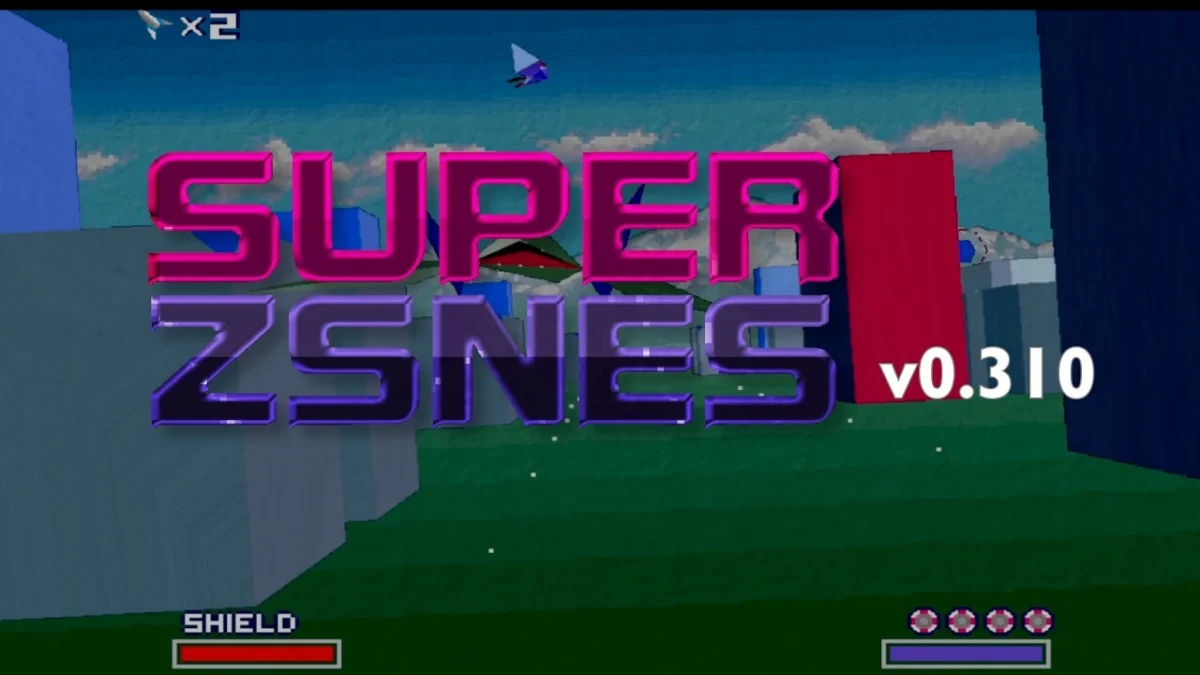
Developer zsKnight has officially rolled out version 0.310 of Super ZSNES, the newly resurrected iteration of the classic Super Nintendo Entertainment System (SNES) and Super Famicom emulator. This latest release introduces targeted high-definition graphics enhancements for classic titles—most notably the pioneering 3D-polygon game Star Fox—alongside native streaming box support for both Apple TV and Android TV platforms. While the PC version remains entirely free to download for desktop users, the mobile and living room smart-device editions are available for a nominal $3 fee on their respective app marketplaces. This update marks a significant milestone in retro gaming preservation and accessibility, bridging the gap between decades-old hardware architectures and modern high-definition home entertainment setups.
Main Facts and Core Features of Version 0.310
The release of Super ZSNES v0.310 brings several major structural and visual updates aimed at both casual enthusiasts and hardcore preservationists. At the forefront of these features is the implementation of HD enhancements for Star Fox, a title historically bottlenecked by the Super FX graphics coprocessor chip built into its original 1993 cartridge. By leveraging modern host hardware, the emulator is now capable of rendering these early polygonal graphics at higher internal resolutions, smoothing out the jagged edges that defined the original 16-bit era.
In addition to visual upgrades, the engineering focus has heavily targeted living room deployment. The integration of Apple TV and Android TV support transforms streaming media devices into fully functional retro consoles. Furthermore, the development team has streamlined the file management process by incorporating a built-in web server interface. Users can upload ROM images and save files directly to the device over a local network by simply inputting an address into a web browser, bypassing the need for complex cloud storage solutions or physical USB transfers. The emulator also features seamless compatibility with enhanced audio mods, such as MSU-1 soundtrack expansions, which allow games to stream CD-quality audio tracks natively during gameplay.
Background Context and Chronological Development
The resurgence of the Super ZSNES project represents a fascinating chapter in the broader history of software emulation. The original ZSNES project began in the late 1990s as a DOS-based emulator, quickly rising to prominence due to its impressive performance on low-end hardware of the era. However, as operating systems evolved and more accurate, cycle-accurate emulators like bsnes and Higan took center stage, the original codebase became largely legacy software, praised more for its historical significance than its modern utility.
The recent re-launch of the project under the banner of Super ZSNES signifies a modern modernization effort. Building upon previous iterations—such as version 0.300, which laid the groundwork for contemporary operating system compatibility—version 0.310 represents a calculated pivot toward living room ecosystems. By targeting hardware boxes like the Apple TV and various Android TV units, the developers are tapping into a growing demographic of consumers who prefer playing classic video games on large-screen OLED and 4K displays using wireless controllers, rather than sitting at a traditional computer desk.
Financial and Distribution Model
Super ZSNES maintains a dual-tier distribution model that balances open-source accessibility with project sustainability. The desktop computer editions for Windows, macOS, and Linux are provided free of charge, upholding the long-standing tradition of open-source retro gaming software. Conversely, the Apple TV and Google Play store versions are priced at $3.

This monetization strategy serves multiple purposes. First, it helps offset the costs associated with developer accounts, continuous integration testing, and software distribution infrastructure across proprietary app stores. Second, it complements the project’s ongoing crowdfunding efforts via Patreon, where community members can contribute financial support to accelerate feature development. Industry analysts note that nominal pricing models for mobile and streaming platforms help deter low-effort shovelware copycats while securing dedicated funding for core developers to maintain regular updates and bug fixes.
Technical Performance and Setup Considerations
Early adopters testing Super ZSNES v0.310 on high-end display hardware have reported generally positive experiences, though specific configuration steps are required to ensure optimal performance. Users running the application on Apple TV connected to modern 4K televisions, such as LG OLED panels, emphasize the critical importance of enabling "Game Mode" on the television display settings.
Because modern streaming boxes and advanced televisions often employ heavy video processing pipelines—such as motion interpolation, noise reduction, and cinematic color grading—input latency can become noticeably degraded. Switching the display profile to Game Mode bypasses these extraneous processing features, reducing input lag to levels suitable for platformers, action games, and timing-sensitive titles like The Legend of Zelda: A Link to the Past.
In terms of file management, the integrated local web server has received widespread praise for its user-friendly implementation. Instead of navigating proprietary file transfer protocols, users simply connect to the device’s local IP address via a computer or smartphone browser on the same Wi-Fi network and drag-and-drop game ROMs directly into the interface. The software automatically catalogs the titles, matches save files, and prepares them for immediate execution.
Broader Impact and Implications for Retro Gaming
The release of Super ZSNES v0.310 underscores a broader shift in the emulation community toward living room integration and plug-and-play accessibility. For years, setting up a dedicated retro gaming rig required building a custom Home Theater PC (HTPC) or configuring complex front-ends like RetroArch on specialized hardware. By bringing polished, hardware-accelerated emulation directly to mainstream streaming boxes, developers are lowering the technical barrier to entry for millions of consumers.
Furthermore, the focus on specific hardware enhancements—such as upgrading the Super FX chip rendering for Star Fox—demonstrates the evolving capabilities of modern retro software. Emulation is no longer merely about strict preservation or pixel-perfect recreation; it increasingly involves enhancing legacy software to look and sound better on modern display technology than it ever did on original CRT televisions and 16-bit hardware.
As the development team continues to address minor bugs and refine platform-specific optimizations, Super ZSNES stands out as a compelling option for enthusiasts looking to experience classic Super Nintendo and Super Famicom libraries in a modern living room environment. With ongoing updates, active community backing via Patreon, and expanding cross-platform support, the project signals a robust and enduring interest in keeping 16-bit gaming history alive and thriving on contemporary devices.