 Chalid Lutfie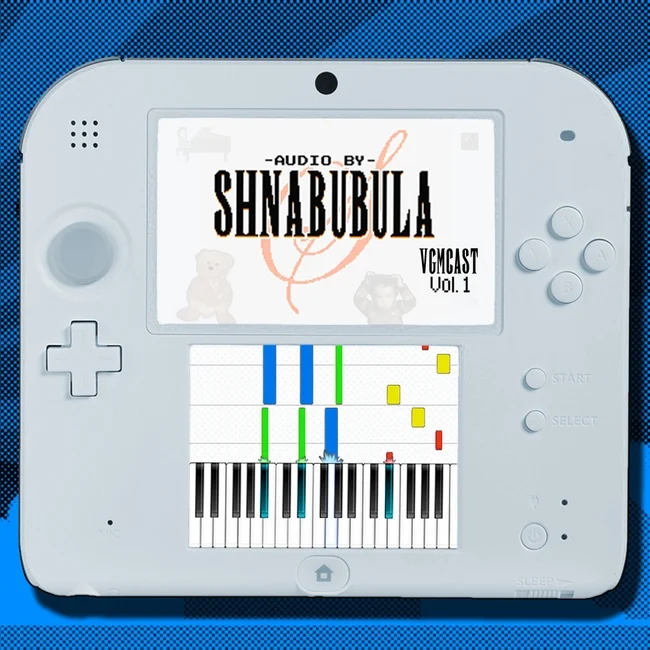
On May 18, 2015, the video game music community observed the launch of a significant new initiative by the prolific musician and composer Shnabubula, known professionally as Sam. The project, designed as both a rigorous personal challenge and an experimental learning exercise, centers on a weekly cycle of live-streamed request-taking and subsequent high-fidelity performance. By utilizing the Hitbox streaming platform, Shnabubula has established a recurring bridge between audience interaction and technical musical proficiency, effectively turning the process of sight-reading and arrangement into a public spectacle.
The Mechanics of the Weekly Challenge
The project operates on a rigid, two-part schedule designed to maximize efficiency and listener participation. Every Friday, between the hours of 12:00 PM and 8:30 PM EST (GMT -5), Shnabubula broadcasts a live stream dedicated to the acquisition of new material. During this eight-and-a-half-hour window, the audience is invited to submit song requests via the live chat interface. Shnabubula then attempts to learn, arrange, and internalize these pieces in real-time, often performing them for the stream shortly thereafter.
The second phase of this cycle occurs on Sunday at 4:00 PM EST. This session serves as the culmination of the week’s labor, featuring a curated setlist of the fourteen songs mastered during the preceding Friday session. By standardizing this workflow, Shnabubula has created a predictable rhythm for his audience, fostering a sense of community around the development of his repertoire. The recordings of these sessions are subsequently archived and, in many cases, released as digital albums, allowing for a permanent record of the learning process.
Background and Technical Context
Shnabubula has long been a fixture in the video game music (VGM) arrangement scene, known for his technical prowess and his ability to synthesize complex chiptune and orchestral themes into piano-centric arrangements. The decision to initiate this specific project reflects a broader trend in the live-streaming era where creators move away from polished, pre-recorded content toward "process-oriented" entertainment.
Learning music in real-time is a daunting task that requires a high degree of musical literacy and muscle memory. The complexity of VGM, which often involves rapid arpeggios, syncopated rhythms, and dense polyphony, makes the feat of learning fourteen distinct songs in a single sitting particularly notable. From a musicological perspective, this project serves as a case study in "active acquisition," where the pressure of a live audience acts as a forcing function for rapid learning.
Data Analysis: Throughput and Performance Metrics
The inaugural week of the project saw the successful completion and performance of fourteen unique compositions. Analyzing the throughput of this challenge reveals a demanding work rate. If one assumes a standard average song length of three minutes, Shnabubula is effectively processing over 40 minutes of complex music in under nine hours. This equates to roughly 38 minutes of learning time per song—a timeframe that includes listening to the source material, determining the harmonic structure, arranging the piece for his specific instrumentation, and practicing the execution.
Supporting data from the first week of the initiative indicates that the project is not merely an exercise in speed, but also in musical fidelity. The recorded performance of the initial 14 tracks demonstrates a high level of accuracy, suggesting that the "learn-and-perform" model does not significantly compromise the artistic integrity of the arrangements. This consistent output suggests that the project is sustainable for a seasoned musician, provided they maintain the rigorous schedule established at the project’s inception.
Implications for the Digital Music Ecosystem
The emergence of such projects has implications for both the independent music scene and the platforms that host them. By utilizing Hitbox—a platform that gained traction as a competitor to Twitch during the mid-2010s—Shnabubula is leveraging the direct monetization and engagement tools provided by live-streaming ecosystems. This shift represents a departure from the traditional model of album-centric releases, where the value is placed on the final product rather than the labor-intensive journey of creation.
Furthermore, this model suggests a shift in how audiences value musical performance. In an era of infinite content, the "behind-the-scenes" nature of this project provides an added layer of intimacy. Viewers are no longer passive consumers; they are active participants in the creative process, influencing the setlist and witnessing the inherent failures and triumphs that occur during the learning process. This transparency builds brand loyalty and creates a "real-time" experience that cannot be replicated by pre-produced content.
Industry Perspectives and Audience Reception
While official statements from established music conservatories regarding such "rapid learning" projects are rare, the reception within the online gaming and music community has been largely positive. Supporters emphasize that Shnabubula’s approach demystifies the craft of arrangement. By broadcasting the errors and the repetition necessary to master a piece of music, the project provides a form of educational content that is rarely accessible outside of private masterclasses.
Critics, however, might point to the potential for "burnout" inherent in such a demanding weekly cycle. Maintaining a standard of excellence while adhering to a strict, audience-driven timeline requires significant cognitive load. Should the quality of the arrangements begin to falter, it could affect the longevity of the project. Nevertheless, the initial success of the May 2015 launch suggests that the audience values the effort and the process as much as the final aesthetic result.
Chronology of Development: May 2015
- Early May 2015: Planning phase for the live-request project, including technical setup on the Hitbox platform.
- May 15, 2015 (Friday): The inaugural live session, during which 14 songs were requested and learned.
- May 17, 2015 (Sunday): The first public performance of the 14-song setlist, captured for subsequent digital release.
- May 18, 2015: Public announcement and formal launch of the ongoing weekly series, inviting the community to participate in future requests.
Future Outlook and Sustainability
The sustainability of this project will likely depend on the balance between audience requests and the performer’s personal interest in the material. A potential risk is the homogenization of the repertoire; if requests become too repetitive or simplistic, the educational value for the performer may diminish. Conversely, if the requests become overly complex, the performer may be unable to maintain the eight-hour turnaround time.
Despite these variables, the project serves as a compelling example of how digital tools can be used to foster artistic growth. Shnabubula’s project is not just a series of performances; it is an ongoing public experiment in cognitive capacity and musical adaptation. As the project progresses, it will likely serve as a benchmark for other content creators looking to integrate live-streaming into their professional creative workflows.
The digital archives of these sessions—now available as individual songs or full albums—provide a lasting record of this period of intense output. For the broader music industry, this project highlights the shift toward a more transparent, collaborative, and immediate form of musical production, one where the barrier between the artist’s practice room and the public stage is effectively dissolved. As of mid-May 2015, the project stands as a testament to the evolving nature of performance in the digital age, characterized by high-volume output, community-driven setlists, and an unwavering commitment to technical development.