 Chalid Lutfie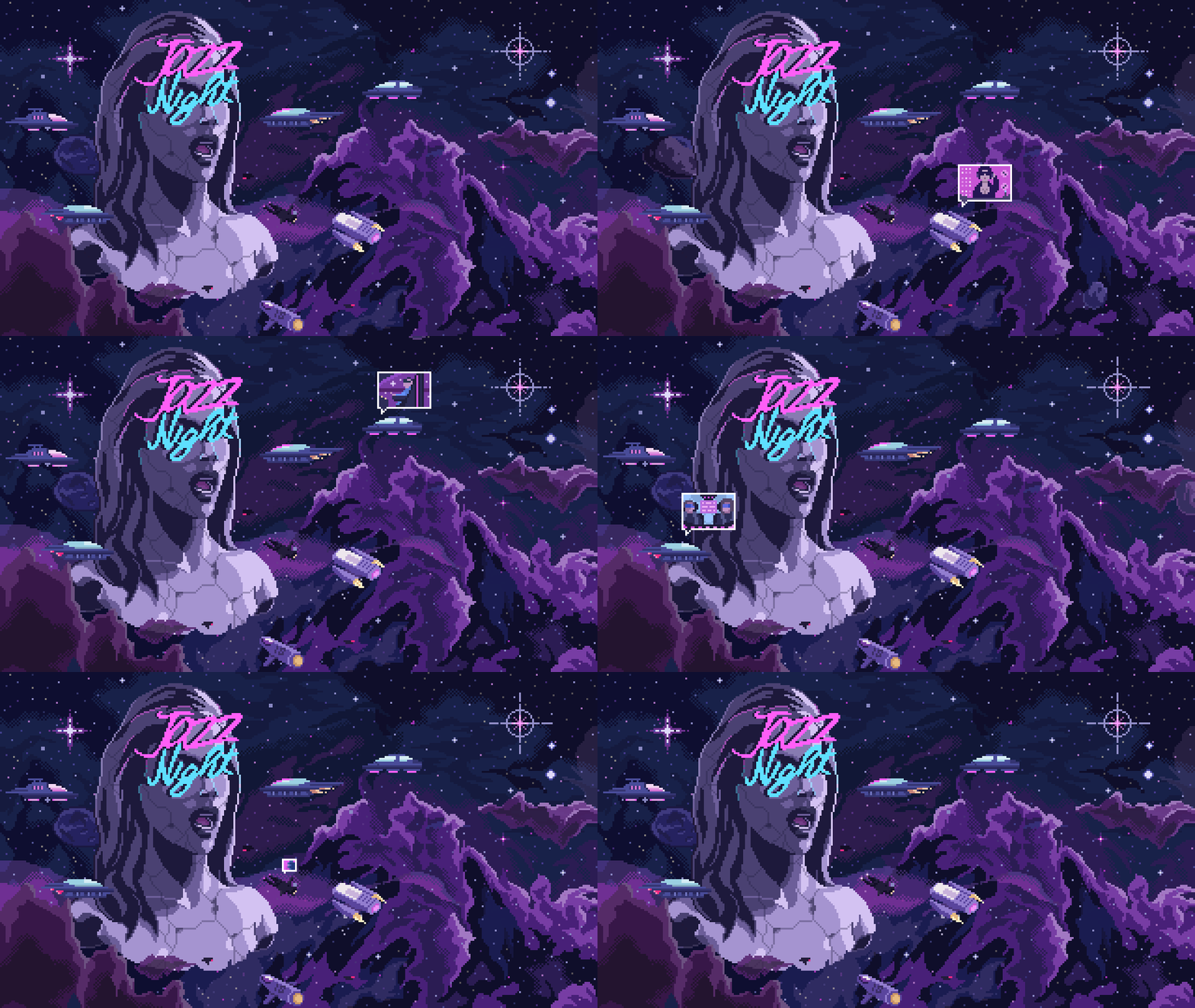
A Career Rooted in Demoscene Culture
The trajectory of Juan Irming’s career provides essential context for the technical sophistication found in his latest work. Irming’s origins can be traced to the European demoscene of the late 1980s, a highly competitive digital subculture where programmers and musicians pushed early computing hardware—specifically the Atari ST—to its absolute limits. Serving as the primary composer for the acclaimed SYNC crew, Irming developed an early mastery of restricted audio environments, an experience that informs the technical efficiency required to manipulate FM synthesis today.
Irming’s formal education at the Musicians Institute in the early 1990s served as a bridge between his demoscene background and the professional world of game audio and electronic production. Since that period, he has maintained a prolific output, appearing on over ten LPs and contributing to the growing synthwave and chiptune movements. His collaborative history includes work with notable figures in the genre such as Mitch Murder, Lazerhawk, and GUNSHIP, as well as providing audio production for the cyberpunk-inspired work of YTCracker. Beyond pure music production, his influence has extended into the gaming industry, with credits for sound design and original soundtracks in titles such as Power Drive 2000 and VirtuaVerse.
The Conceptual Framework: Jazz-Funk Meets Digital Synthesis
The genesis of The Frequency Modulators Orchestra, Vol. 1 can be mapped back to a series of creative developments between 2014 and 2015. During the production of YTCracker’s Introducing Neals, Irming found himself revisiting the specific timbre of FM synthesizers. While the project was primarily rooted in the synthwave aesthetic, the track "Feel Like Leisure Suit Larry" sparked an interest in the percussive potential of chiptune-adjacent FM sounds.

This interest solidified following the release of his 2015 solo project Blue Bots Dots, particularly the track "Funky Mustache," which utilized similar sonic textures. Recognizing the viability of an entire record built on this methodology, Irming committed to a ten-month development cycle. The central challenge, as defined by the artist, was to navigate the "coldest" method of synthesis—FM, which is inherently mathematical and binary—to emulate the "warmest" genre: jazz.
To achieve this, the album relies heavily on improvisation. Unlike many electronic records that rely on quantized grids and pre-programmed sequences, Irming opted for a performance-based approach. By jamming on keyboards and prioritizing spontaneous takes, he sought to preserve the "in-the-moment" quality synonymous with jazz standards. This choice serves to humanize the digital soundscape, effectively turning the synthesizer into an instrument of expression rather than a mere tool for sequence playback.
Technical Production and Collaborative Synergy
The sonic fidelity of the project was bolstered by the involvement of Grammy Award-winning mastering engineer Don Grossinger. Known for his work with legendary jazz figures like Miles Davis, Grossinger’s contribution was pivotal in ensuring that the frequency-dense nature of the FM-heavy tracks would translate well to high-end audio systems. This collaboration underscores the album’s ambition; it is not merely a "chip-tune" record, but a deliberate exploration of jazz instrumentation through unconventional digital means.
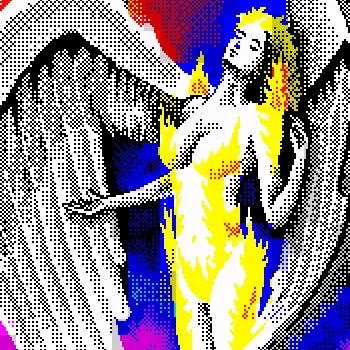
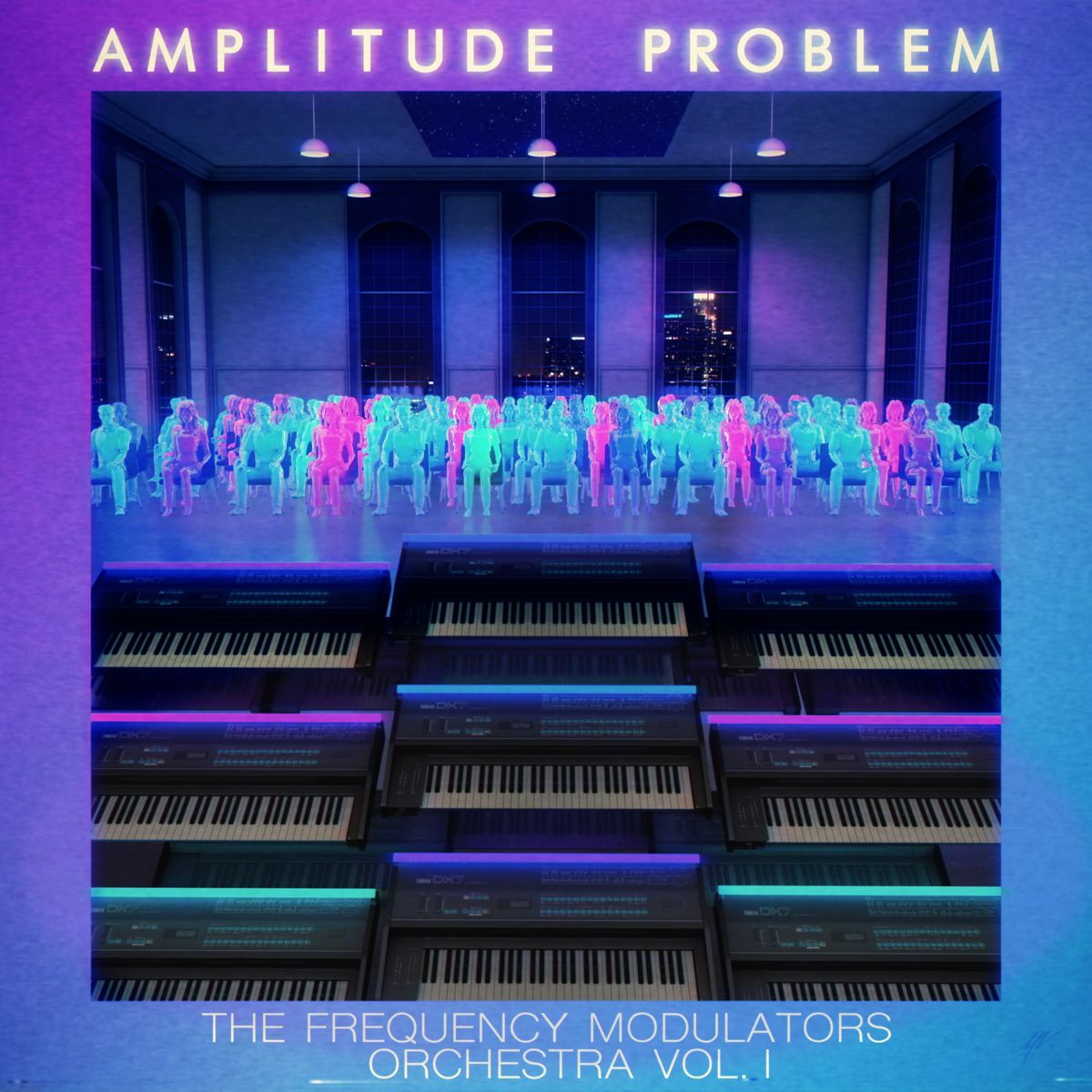
Visual presentation remains a cornerstone of the project’s identity. The album artwork was created by Mythical Vigilante, with additional animations provided by Valenberg. Valenberg, who had previously collaborated with Irming, produced a "Jazz Night" pixel-art animation that serves as a visual companion to the music. This interdisciplinary approach mirrors the themes of the album—marrying retro-tech aesthetics with contemporary artistic sensibilities.
Thematic Depth and Introspective Narrative
Structurally, the album is divided into distinct thematic segments. According to the artist, the initial four tracks are intended as a deep dive into introspection, while the concluding three tracks offer broader, more philosophical reflections on the human experience and the cosmos.
Irming notes that the absence of vocals placed a higher burden of responsibility on the instrumentation. Without the lyrical guideposts provided by a singer, the music had to sustain listener engagement through complex arrangements and dynamic shifts. Tracks such as "Ghosts in My Medicine Cabinet" represent this "no-apologies" approach, where the artist allows the intensity of the composition to dictate the flow of the record, rather than adhering to traditional song structures.
The title itself—The Frequency Modulators Orchestra—is a functional conceit. Because the music required the depth of a full band, Irming designated each FM-synthesized voice as a "member" of the orchestra. By granting these voices the agency to improvise, the album moves away from the rigid loops associated with early digital music and toward a collaborative ensemble feel.
Industry Implications and Market Reception
The release of this album highlights a growing trend within independent music: the intersection of niche, hardware-based electronic music and traditional genre structures. By leveraging the history of the demoscene and the established tropes of jazz-funk, Amplitude Problem has created a niche space that appeals to both tech-savvy hardware enthusiasts and listeners who prioritize compositional complexity.

From an industry perspective, the success of such projects relies heavily on the ability to translate "retro" aesthetics into modern, accessible formats. The ubiquity of digital streaming services and the resurgence of interest in synth-based soundtracks—fueled by the success of retro-futuristic media—have provided a fertile environment for artists like Irming.
The analytical consensus regarding this project points to a successful experiment in sonic hybridization. By utilizing FM synthesis, which defined the sound of the 1980s, to play music that mimics the improvisational ethos of jazz, Irming provides a bridge between generations of audio production. The result is an album that is intellectually grounded in its technical execution yet remains accessible to listeners familiar with the funk-influenced sounds of modern synthwave.
Future Outlook
As The Frequency Modulators Orchestra, Vol. 1 continues to find its audience across major digital platforms, it serves as a testament to the longevity of the artist’s creative vision. Juan Irming’s transition from the demoscene to high-level game composition and, finally, to conceptual jazz-funk, demonstrates a career characterized by continuous adaptation.
The implications for the broader genre are significant. As production tools become more accessible, the barrier to entry for complex electronic composition is lowered, yet the requirement for "humanity" in these sounds becomes more pronounced. Projects like this suggest that the future of digital music may not lie in the pursuit of more realistic sampling, but rather in the creative, human-driven manipulation of synthetic sources. With this debut on the Ubiktune label, Amplitude Problem has established a high bar for future explorations in the field, signaling that there is still much territory to be charted at the intersection of pixelated soundscapes and the timeless, improvisational spirit of jazz.