Cecilia Chamidah Nur
Four decades after its initial release, Sega’s beloved 1985 Master System port of the arcade classic Hang-On has been revitalized with a significant fan-made "enhanced" version, unveiled late last month. This ambitious project, developed by a dedicated three-person team, introduces a suite of improvements designed to elevate the 8-bit experience closer to its coin-op progenitor, a testament to the enduring passion of the retro gaming community and the potential of modern fan development.
The Genesis of an Enhancement: A Look at Hang-On’s Enduring Legacy
Hang-On first burst onto the arcade scene in 1985, instantly captivating players with its innovative, fully-integrated motorcycle cabinet that leaned into turns, offering an unprecedented level of immersion for its time. Designed by Yu Suzuki and his team at Sega AM2, it was a technological marvel, utilizing Sega’s new "out run" board (later famously used for Out Run) to create a convincing sense of speed and scale with its sprite-scaling techniques. The game’s premise was simple yet addictive: race a motorcycle against the clock across varied landscapes, hitting checkpoints to extend playtime. Its success cemented Sega’s reputation as an arcade powerhouse and paved the way for future racing classics.
Later that same year, Sega brought Hang-On to its fledgling 8-bit home console, the Sega Master System (known as the SG-1000 Mark III in Japan). While an impressive feat for the hardware, the Master System port, like many early console adaptations, inevitably made concessions. The sophisticated sprite-scaling of the arcade was simulated, visuals were simplified, and perhaps most notably, the iconic in-game music that defined the arcade experience was absent, replaced largely by sound effects. Despite these limitations, the Master System version allowed players to bring a slice of the arcade home, fostering a generation of fans who cherished the game for its addictive gameplay and challenging courses. The Master System itself, launched in 1985 in Japan and 1986 in North America, aimed to compete with Nintendo’s dominant Famicom/NES. While it struggled to gain market share against its rival, it built a loyal following and a library of cult classics, including Hang-On.
The Architects of Revival: A Dedicated Team and Their Vision
The recent "enhanced" patch is the brainchild of a three-person development team comprising chirinea (who handled art, music, and project direction), Maxim (responsible for hacking and code), and badcomputer (who created the new title screen art). This collaborative effort was specifically undertaken for SMSPower’s 2026 hacking competition, an event that encourages and showcases the talents of the Sega Master System fan community in pushing the boundaries of the console’s capabilities. Such competitions serve as vital catalysts for creativity and innovation within the retro gaming scene, challenging developers to revisit beloved titles and reimagine them with modern techniques and insights.
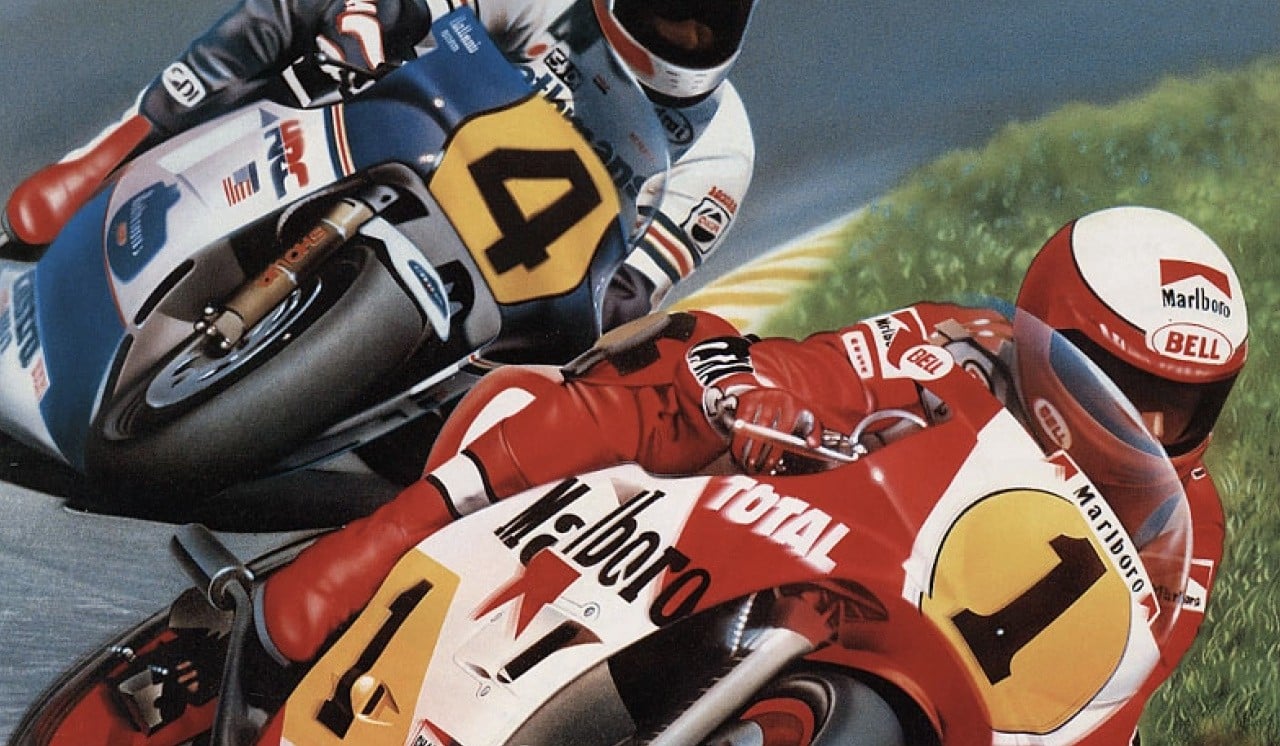
The team’s primary objective was clear: to significantly upgrade the Master System port of Hang-On, bringing it closer to the arcade’s visual and auditory grandeur, while operating under a stringent self-imposed constraint – never expanding the original ROM size. This particular limitation presented a formidable technical challenge, as adding new assets, code, and features typically necessitates a larger game file. Their dedication to this constraint highlights a deep understanding of the original hardware’s limitations and a commitment to elegant, efficient solutions, a hallmark of skilled retro development.
Technical Ingenuity: Overcoming 8-Bit Constraints with Modern Solutions
The most significant hurdle for the development team was the ROM size constraint. Early console games were meticulously crafted to fit within incredibly tight memory budgets, and the original Hang-On for the Master System was no exception, being "very full" as the team noted. To introduce new content without expanding the ROM, the developers employed a series of ingenious space-saving measures.
A crucial technique involved recompressing all existing art assets using ZX0 compression. ZX0 is a sophisticated, efficient data compression algorithm particularly well-suited for retro systems due to its fast decompression speed and impressive compression ratios. By applying ZX0, the team could shrink the footprint of the existing graphics, freeing up valuable bytes of ROM space that could then be repurposed for new features and enhanced visuals. This process is far from trivial; it requires meticulous work to decompress, modify, and then recompress assets while ensuring graphical integrity and compatibility with the Master System’s display hardware.
Beyond art recompression, the team also strategically replaced some of the original tilemaps and text data used to draw screens with their own custom compressed data. Tilemaps, which dictate how individual graphical tiles are arranged to form backgrounds and objects, are fundamental to 8-bit game rendering. By optimizing their storage, further space was recovered. Additional bytes were salvaged by streamlining the game’s sound effects (SFX) system, which now utilizes only a single channel. The original code for computing the bike engine RPM, previously used solely to control engine sounds, was also optimized or replaced, as its data could be more efficiently generated or handled by the new sound system. These seemingly minor adjustments accumulate, creating the necessary headroom for substantial additions.
A monumental task within the project was the complete disassembly and understanding of the game’s original music engine. The Master System utilizes a Programmable Sound Generator (PSG) chip, the SN76489, capable of generating three square wave voices and one noise channel. While capable, creating complex music within its constraints and integrating it into existing game code is highly specialized work. The team had to reverse-engineer how the original game handled its limited sound, then modify it to accommodate the entirely new, longer, and more complex musical compositions they wished to integrate. This required deep knowledge of Z80 assembly language – the native language of the Master System’s CPU – and the specific timings and registers of the PSG chip. The successful implementation of new in-game music, a feature conspicuously absent from the original 8-bit port, stands as one of the patch’s most impressive technical achievements, showcasing a profound level of expertise in retro hardware and software.

Key Enhancements: Bridging the Arcade-Home Divide
The cumulative effect of these technical feats is a significantly enriched gameplay experience that addresses many of the limitations of the original Master System port.
One of the most visually impactful changes is the redrawing of the motorcycle sprites. The original Master System port, while commendable for its era, featured simplified bike sprites compared to the arcade’s more detailed renditions. The enhanced version meticulously recreates these sprites, aligning them more closely with the visual fidelity of the arcade machine. This enhancement dramatically improves the aesthetic appeal and authenticity of the game, making the player’s motorcycle look more dynamic and less blocky as it speeds across the screen.
A crucial quality-of-life improvement for modern players is the addition of high score recording. Many early console games lacked persistent high score tables due to memory constraints or design philosophies. The enhanced Hang-On now allows players to save their best times and scores, providing a tangible sense of progression and competition, akin to the allure of arcade leaderboards. This feature significantly boosts replayability and adds a layer of competitive depth that was missing from the original home version.
Perhaps the most eagerly anticipated enhancement is the implementation of in-game music. The absence of continuous music during gameplay was a notable drawback of the 1985 Master System port, especially given the iconic soundtrack of the arcade original. The enhanced version introduces new, extended musical tracks that play during races, dramatically improving the atmosphere and sense of excitement. This auditory overhaul leverages the Master System’s PSG capabilities to their fullest, creating a more engaging and authentic racing experience. The team specifically highlighted that the final music is "longer and more complex than the original," further emphasizing the depth of this addition.
Further improvements include a completely redesigned title screen, giving the game a fresh, polished first impression. The color palettes have been adjusted throughout the game, enhancing the vibrancy and detail of the environments and vehicles, making the overall presentation more appealing. Subtle visual improvements to the road and background layers contribute to a smoother sense of scrolling and depth, mitigating some of the visual compromises inherent in sprite-scaling on 8-bit hardware. The HUD (Heads-Up Display) has been refined, making information like speed and time clearer and more aesthetically integrated. Even the sound effects have been tweaked and improved, offering a crisper and more impactful auditory feedback during gameplay, despite the single-channel limitation for SFX.
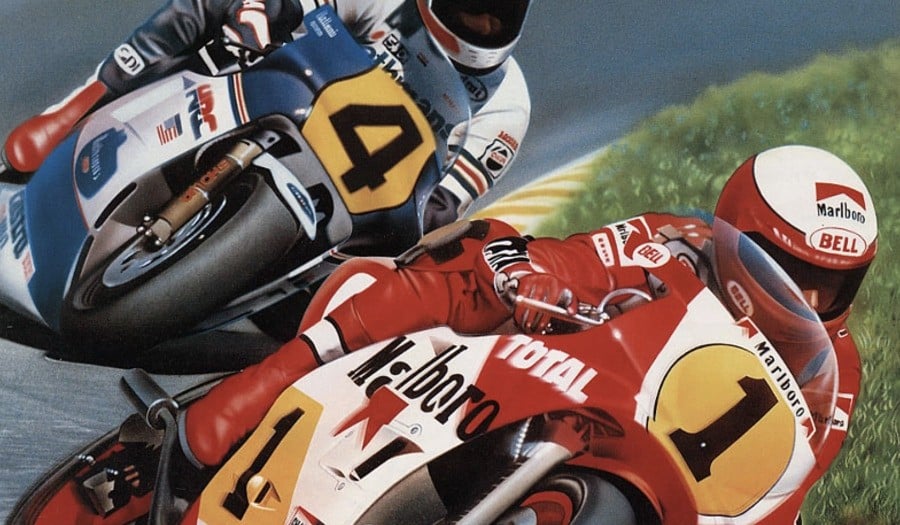
The patch is designed to be compatible with the 1985 Japanese version of Hang-On, a detail important for users seeking to apply the enhancement.
The Role of Modern Tools: AI in Retro Development
In a fascinating intersection of old and new technology, the development team explicitly stated that "an online LLM [Large Language Model] was used occasionally during development to help write Python scripts and to answer questions about makefile syntax." This disclosure highlights the evolving landscape of software development, where AI tools are increasingly becoming assistants even in highly specialized fields like retro game hacking.
It is crucial to note the specific, limited scope of the LLM’s involvement. The team emphasized that the AI was not used for writing Z80 code – the complex, low-level assembly language directly interacting with the Master System’s CPU – nor was it employed to generate art or music. These core creative and technical tasks remained firmly in the hands of the human developers, underscoring that while AI can aid in auxiliary scripting and information retrieval, the nuanced understanding, artistic vision, and intricate problem-solving required for a project of this nature still necessitate human expertise. This serves as an important case study in the appropriate and effective integration of AI in complex technical projects, demonstrating its utility as a supportive tool rather than a replacement for specialized human skill.
Broader Implications: Preservation, Community, and the Future of Retro Gaming
This fan-made enhancement of Hang-On is more than just a nostalgic update; it represents several significant trends within the retro gaming world.
Firstly, it is a powerful act of game preservation. While the original Master System port is historically significant, fan projects like this ensure that classic games can be experienced in their best possible form on modern platforms (via emulation) or even original hardware (through flash carts). By meticulously improving upon the original, these projects contribute to the longevity and accessibility of gaming history, offering new generations a reason to revisit titles that might otherwise be overlooked due to their age or initial technical limitations.

Secondly, it underscores the vibrancy and technical prowess of the retro gaming community. The SMSPower competition, the collaborative nature of the team, and the technical ingenuity displayed are all hallmarks of a dedicated and skilled global community. These enthusiasts, often driven by passion and a desire to improve beloved games, frequently achieve results that rival or even surpass what might have been possible with original development budgets and timelines. Their collective efforts enrich the entire retro gaming ecosystem, from creating new games for old systems to enhancing existing ones.
Thirdly, the project offers a glimpse into the future of fan-driven enhancements. As development tools become more sophisticated and accessible, and as knowledge of classic hardware continues to grow and be documented, the potential for similar "definitive" fan versions of other classic games will only increase. This trend blurs the lines between official releases and community contributions, posing interesting questions for copyright holders and the broader industry about how to engage with these passionate fan bases. While Sega has not officially commented on this specific patch, many companies in the retro space have adopted varying stances, from issuing cease-and-desist orders to tacitly allowing or even embracing fan projects that honor their legacy.
Finally, the enhanced Hang-On reaffirms the timeless appeal of well-designed gameplay. Despite the decades that have passed, the core mechanics of Hang-On remain engaging. By polishing the presentation and adding missing features, the fan patch allows the underlying brilliance of Yu Suzuki’s original design to shine even brighter on the Master System, proving that great gameplay transcends graphical limitations and technological eras.
Accessing the Enhanced Experience
For enthusiasts eager to experience this revitalized classic, the patch is readily available for download from the SMSPower website. Users will typically need a clean ROM of the 1985 Japanese version of Hang-On and a patching utility (such as Lunar IPS or similar tools) to apply the enhancement. Once patched, the game can be played on original Sega Master System hardware via a flash cart or through various Master System emulators available on modern computing platforms.
This comprehensive fan-made enhancement of Hang-On stands as a remarkable achievement, demonstrating how passion, technical skill, and a deep respect for gaming history can breathe new life into beloved classics. Forty years on, the roar of the virtual motorcycle on the Sega Master System is louder and clearer than ever before, thanks to the tireless efforts of its dedicated fans.