Cecilia Chamidah Nur
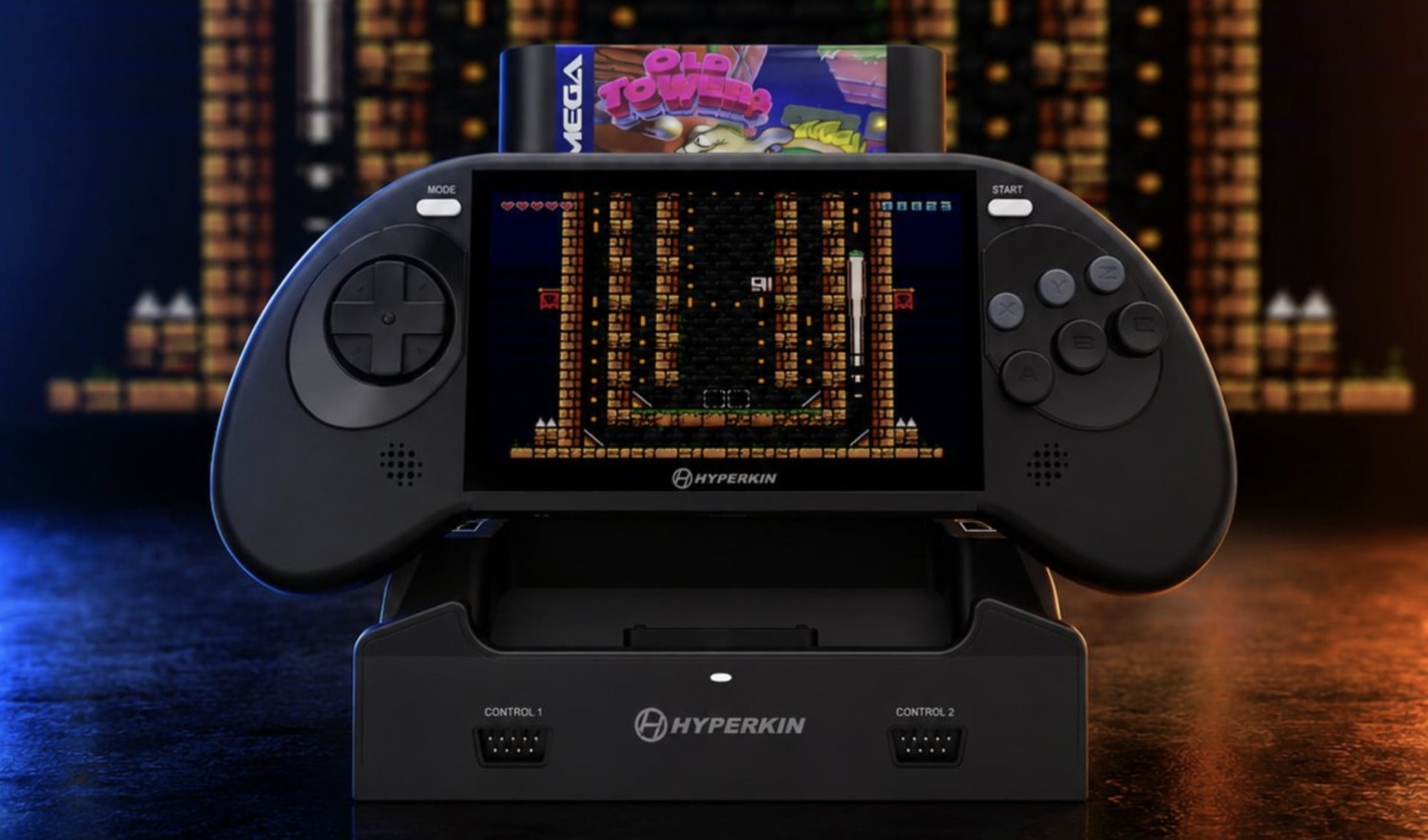
Hyperkin, a prominent player in the retro gaming hardware market, has announced yet another substantial delay for its highly anticipated Mega95 portable Genesis/Mega Drive console. The company confirmed on May 30, 2026, that the latest "tooled samples" received from its manufacturing partner failed to meet the stringent quality standards required for the product. This setback prevents the device from moving forward to external testing and further postpones its already protracted journey to market, fueling ongoing anticipation and, for some, growing frustration within the dedicated retro gaming community. The decision underscores Hyperkin’s stated commitment to delivering a premium, uncompromised product, even at the cost of significant delays and increased development timelines.
Detailed Account of the Latest Setback
In an update disseminated across its official channels, Hyperkin candidly addressed the reasons behind the prolonged silence and the fresh delay for the Mega95. The statement, issued on a Saturday, acknowledged the community’s long wait and expressed regret for not delivering more positive news. "It has been a while since we last shared an update on the Mega95, and we were hoping to have a better update than this," the company stated, emphasizing a desire for transparency with its customer base.
The core issue, as Hyperkin elaborated, lies squarely with the physical prototypes. "The honest reason for the delays, is that the latest tooled samples we received from our factory partner did not meet the standards we require for this product." These "tooled samples" are critical pre-production units, fabricated using the final molds and manufacturing processes intended for mass production. They serve as a crucial checkpoint for evaluating the physical build quality, component fit, durability, and overall user experience before large-scale manufacturing commences. For Hyperkin, these samples fell short of expectations.
Specifically, the company stated, "They were not at a level where we felt comfortable sending them out to local testers." This decision highlights a crucial stage in product development: external validation. Handing out subpar samples to trusted reviewers or community specialists would not only yield inaccurate feedback but also potentially misrepresent the product’s ultimate vision. Hyperkin affirmed, "Because of this, we were not willing to move forward with samples that did not properly represent what the Mega95 is supposed to be."
Rather than pushing forward with flawed units merely to demonstrate progress, Hyperkin has instructed its factory partner to rectify the identified issues. "Rather than rush something out just to show progress, we have asked the factory to go back, and correct the issues we found. We are persistent on solving any major issues we find before we move into production." This proactive approach, while causing further delays, is presented as a necessary measure to uphold the brand’s reputation and deliver a product that genuinely meets consumer expectations. The company concluded its update by reiterating its commitment: "The Mega95 is still very much in development, and we are continuing to push to make sure it is done the right way. Thank you for your patience, your excitement, and your continued support. We will share more as soon as we have samples that truly reflect the product we set out to build."
A Chronology of Anticipation and Delays
The journey of the Mega95 from concept to a tangible product has been marked by a series of significant announcements and subsequent postponements, creating a narrative of high anticipation tempered by recurring setbacks.
Early 2024: The Grand Unveiling
The Mega95 first captured the attention of the retro gaming world at the beginning of 2024. Hyperkin unveiled a concept that promised to bridge the gap between classic hardware and modern convenience: a portable console capable of playing original Sega Genesis/Mega Drive cartridges, complete with the innovative ability to dock and connect to a television, akin to the popular Nintendo Switch. This revelation generated considerable excitement, particularly among long-time fans of Sega’s 16-bit era, who yearned for a high-quality, authentic portable experience for their cherished cartridge collections. The prospect of a dedicated hardware solution, rather than software emulation on general-purpose devices, resonated deeply with purists. Initial promotional materials showcased a sleek design and emphasized the hybrid functionality, promising unparalleled flexibility for retro gamers.
January 2026: The First Acknowledged Snag
Almost two years after its initial announcement, Hyperkin publicly admitted to encountering significant development hurdles. In January 2026, the company acknowledged that the project had hit "a snag in development," necessitating a "sizeable delay." While specific details of these initial obstacles were not fully disclosed, the admission marked the first official deviation from an unspoken or internal timeline, signaling that the device’s path to market would be more arduous than initially projected. This initial delay began to test the patience of a fanbase eager to get their hands on the promised hardware, raising questions about the complexity of the project.
February 2026: A Glimmer of Hope
Following the January admission, Hyperkin provided a more optimistic update on February 12, 2026. The company stated that, "after a lot of testing, iteration, and late-night problem solving, we believe we’ve found a solution to the obstacles that were holding Mega95 back. Things are finally moving in the right direction, and we’re nearing the next big milestone." This update suggested that the primary technical challenges had been overcome, and the project was progressing towards its next critical phase: external validation. Hyperkin outlined plans to distribute the device to "trusted retro specialists in the community" – individuals known for their deep understanding of retro hardware and their uncompromising feedback. The firm expressed confidence that their "hands-on impressions will help us validate performance, catch any remaining issues, and make final refinements before we move into mass production." This period instilled renewed hope that the Mega95 was indeed "getting close," with many anticipating a swift move towards production.
May 2026: The Latest Setback
The optimism of February proved to be short-lived. The May 30, 2026 update delivered the disheartening news of yet another delay, directly contradicting the previous positive trajectory. The failure of the "tooled samples" to meet quality standards meant that the device could not even progress to the community testing phase that was anticipated in February. This latest delay not only pushes back the release further but also reintroduces a significant element of uncertainty regarding the project’s timeline, forcing Hyperkin to return to the drawing board for crucial manufacturing adjustments. The pattern of promising updates followed by further delays risks creating a perception of a project perpetually in flux, despite the company’s stated commitment to quality and transparency.
The Mega95 Concept: A Blend of Nostalgia and Modernity
The Mega95 is designed to be more than just another retro emulation device; it aims to offer a genuine hardware experience for Sega Genesis and Mega Drive enthusiasts. Its core appeal lies in its ability to directly play original 16-bit cartridges, providing an authentic tactile and visual experience that many purists argue software emulation alone cannot fully replicate. This commitment to physical media distinguishes it from many modern retro handhelds that rely solely on digital ROMs, catering specifically to collectors and those who value the original hardware experience.
The device’s innovative feature set includes a high-quality portable display for on-the-go gaming, coupled with the ability to "dock" the unit and connect it to a television for a big-screen experience. This hybrid functionality mirrors the success of contemporary consoles like the Nintendo Switch, offering versatility that appeals to both mobile and home console players. For many, the Mega95 represents the ultimate evolution of Sega’s beloved hardware, combining the cherished nostalgia of the original console with the convenience and technological advancements of the 21st century, such as improved display technology and modern connectivity options.
The Sega Genesis, known as the Mega Drive outside North America, holds a legendary status in video game history. Launched in 1988 in Japan and 1989 in North America, it was a direct competitor to Nintendo’s Super Nintendo Entertainment System during the fiercely contested "console wars" of the early 1990s. Its library boasts iconic titles such as Sonic the Hedgehog, Streets of Rage, Phantasy Star, and Gunstar Heroes, games that defined a generation and continue to be celebrated for their innovative design, fast-paced action, and distinctive aesthetics. The Mega95 seeks to honor this legacy by providing a robust and authentic platform for these classic titles, ensuring they can be experienced as intended, whether at home or on the go.
However, replicating or re-engineering such hardware faithfully presents significant technical challenges. Ensuring accurate sound reproduction, precise video output, and full compatibility with a vast library of games, some of which had unique chip enhancements, requires meticulous engineering and rigorous testing. The current manufacturing issues with the tooled samples suggest that achieving this level of authenticity and quality in a mass-produced portable form factor is proving to be a complex endeavor, pushing the boundaries of Hyperkin’s development capabilities and requiring substantial iteration.
Hyperkin’s Track Record and the Retro Gaming Market Landscape
Hyperkin has carved out a significant niche in the retro gaming hardware market over the years. The company is well-known for producing a wide array of accessories, controllers, and multi-console systems designed to bring classic games to modern players. Their product line includes popular devices such as the RetroN series, which are multi-system consoles capable of playing cartridges from various vintage platforms, and the SupaBoy, a portable Super Nintendo console. This history demonstrates Hyperkin’s expertise and commitment to the retro segment, building a loyal customer base eager for their next innovation. However, Hyperkin’s product quality has sometimes been a point of contention among enthusiasts, with some products receiving praise for innovation and affordability, while others have faced criticism for build quality or emulation accuracy. This varied track record places a heightened emphasis on the Mega95’s final quality, as consumers will be scrutinizing its performance and durability.
The broader retro gaming market is currently experiencing a significant boom. Driven by nostalgia, a desire for physical media preservation, and the increasing accessibility of classic titles, consumers are flocking to solutions that allow them to revisit their favorite games. According to recent market analyses, the retro gaming sector continues to see year-over-year growth, fueled by both seasoned collectors and younger generations discovering classic titles. This burgeoning market is populated by various players, each with a different approach. Companies like Analogue are renowned for their high-fidelity FPGA-based systems that meticulously replicate original hardware behavior, offering premium experiences at premium prices. Others, such as Evercade, focus on officially licensed game collections on proprietary cartridges, offering a curated modern retro experience. Additionally, a plethora of smaller manufacturers, particularly from Asia, produce a wide range of emulation-based handhelds that prioritize affordability and broad game compatibility, saturating the lower end of the market.
In this competitive landscape, consumer expectations for quality are exceptionally high. Retro enthusiasts, particularly those willing to invest in dedicated hardware like the Mega95, demand not only functional devices but also those that offer accurate gameplay, durable construction, and a premium feel. The "perfect" retro experience often entails flawless emulation (or native hardware playback), excellent screen quality, comfortable controls, and reliable performance. Any deviation from these expectations can lead to significant disappointment and negative feedback within the tightly-knit retro gaming community. For a product like the Mega95, which promises native cartridge playback and modern portability, the bar for quality and authenticity is set even higher, requiring Hyperkin to meet stringent standards to succeed.
Manufacturing Challenges and Quality Control
The challenges Hyperkin faces with the Mega95 are indicative of the inherent complexities in hardware manufacturing, particularly for specialized electronics. Bringing a sophisticated electronic device from design to mass production involves numerous intricate stages, each with its own set of potential pitfalls:
- Design and Prototyping: Conceptualizing the device, designing its internal components (circuit boards, chips), external casing, and user interface. This involves numerous iterations to perfect ergonomics and aesthetics.
- Engineering Validation Tests (EVT): Testing the core functionality of the hardware, ensuring all electronic components perform as intended.
- Design Validation Tests (DVT): Ensuring the product meets all design specifications, including environmental stress tests, drop tests, and thermal performance. This critical stage often involves producing "tooled samples" – units made with the actual production molds and processes.
- Production Validation Tests (PVT): Final testing before mass production, ensuring the manufacturing process itself is consistent, reliable, and capable of producing high-