Cecilia Chamidah Nur
A remarkably rare pre-Mike Tyson prototype of Nintendo’s iconic 1987 NES title, Mike Tyson’s Punch-Out!!, has recently surfaced online, offering what game historians are calling an "unheard of" glimpse into the nascent stages of a first-party Nintendo game’s creation. This discovery not only provides invaluable insight into the iterative development process of one of the console’s most beloved titles but also challenges long-held assumptions about Nintendo’s early production methodologies, leaving experts intrigued by its unique characteristics.
The Unveiling of an Anomaly: A Prototype Unlike Others
The NES prototype cartridge was officially showcased to the public on [Date of YouTube Upload – e.g., yesterday, October 26, 2023] in a video published on the Video Game History Foundation’s (VGHF) YouTube channel. Frank Cifaldi, the founder and director of the VGHF and a veteran in the field of video game preservation with over 25 years of experience, expressed profound astonishment, stating, "I’ve never seen anything like this" in his extensive career of examining NES prototypes. Cifaldi’s reaction underscores the truly exceptional nature of this artifact, setting it apart from the vast majority of development cartridges that have come to light over the decades.
During the detailed presentation, Cifaldi meticulously documented several bizarre features that render this prototype particularly fascinating. Foremost among these is its distinctive mockup label, which, despite being a temporary placeholder, adheres rigorously to the "Nintendo of America house style" prevalent during the earliest days of the Nintendo Entertainment System’s market penetration. This adherence suggests a level of internal formality even for preliminary builds. More perplexing, however, is the presence of a date stamped directly onto mask ROMs, rather than the more commonly observed EPROMs typically found in prototype cartridges of that era. As Cifaldi highlighted, the use of mask ROMs is a characteristic almost exclusively associated with final retail production units, raising significant unanswered questions about the specific purpose and manufacturing circumstances behind this particular cartridge. The implication is that this wasn’t merely a rough development build but perhaps a very late-stage internal review or even a production test, a theory complicated by the substantial differences found within its software.
Most NES prototypes, when they do emerge, tend to be remarkably similar to their finished retail counterparts, often exhibiting only minor debugging features or small, almost imperceptible changes. This Punch-Out!! build, however, defies that trend by presenting a multitude of noticeable divergences from the retail versions familiar to millions. Such a disparity between a prototype and the final product is a goldmine for historians, illuminating the scope of creative changes and technical refinements that occurred during the game’s development cycle.
A Glimpse into Early Fighter Rosters and Design Changes
One of the most compelling aspects of the prototype is its early fighter roster, which significantly differs from the lineup that eventually graced the NES in 1987. The game’s introductory sequence reveals a list of combatants that includes Piston Hurricane and Pizza Pasta, characters derived directly from Nintendo’s original 1984 Punch-Out!! arcade game. Piston Hurricane would famously undergo a localization change for the NES, transforming into the more culturally neutral Piston Honda, a move that likely aimed to avoid any potential sensitivities related to national disasters. Pizza Pasta, surprisingly, was completely absent from the final NES release, indicating a decision to streamline or rebalance the roster.
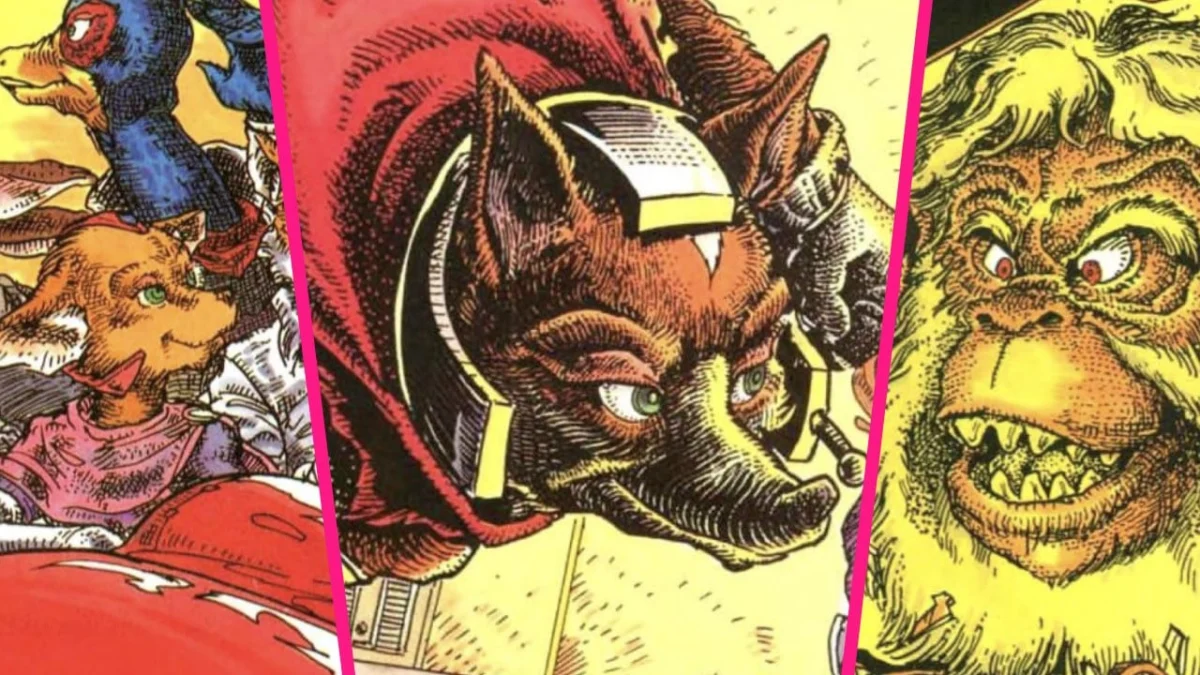
Further illustrating Nintendo’s localization efforts and cultural considerations, Soda Popinski, a well-known character from Super Punch-Out!!, is listed in the prototype under his original, uncensored name: Vodka Drunkenski. This explicit moniker, while perhaps fitting for a character archetype, was evidently deemed unsuitable for a family-friendly console release in the Western market, leading to its memorable alteration. Adding to the mystery, the prototype also lists two entirely unknown fighters, Rockyhead and Mongol Khan, whose existence in this early build suggests potential characters that were either scrapped early in development or served as placeholders for later concepts.
Despite the intriguing list of potential opponents, the playable content within the prototype is limited. Only four characters are actually fightable: Glass Joe, Bald Bull, King Hippo, and Don Flamenco. Two other listed fighters, Von Kaiser and Great Tiger, are present in the game’s data but appear in a highly incomplete state, indicating that their development was still rudimentary when this build was compiled. Beyond character changes, the early build also features a single-ring palette, a lack of comprehensive audio, distinct victory and game-over screens, and various altered statistics for the fighters, suggesting ongoing balancing and aesthetic adjustments throughout the development process. These granular changes collectively paint a vivid picture of a game in flux, far from its polished, final form.
The Journey of Discovery and Preservation
The story of this prototype’s journey to public awareness is as compelling as its contents. According to documentation compiled by The Cutting Room Floor, a prominent wiki dedicated to documenting unused and hidden content in video games, the early build was unearthed in a garage at the beginning of 2023. It is believed to have originally belonged to a former Nintendo of America employee, a common provenance for such rare artifacts given the internal circulation of development hardware.
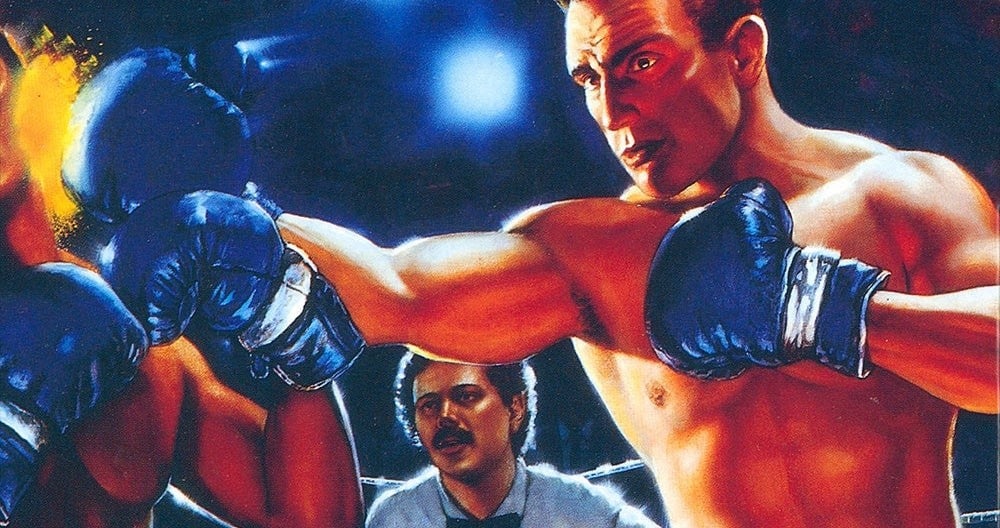
Following its discovery, the prototype was eventually put up for auction, fetching a significant sum of $45,000 from an anonymous buyer through Heritage Auctions, a leading platform for collectibles. The sale initially sparked concerns among game preservationists and historians who feared that such a valuable artifact might be "sealed away forever" from public scrutiny, disappearing into a private collection and thus limiting its potential for scholarly study. However, these fears were thankfully unfounded. The new owner, demonstrating an admirable commitment to video game history and public access, not only permitted extensive study of the ROM but also sanctioned its public release online, making its contents accessible to enthusiasts, researchers, and the general public worldwide. This decision represents a significant victory for the video game preservation community, ensuring that this crucial piece of history is not lost but instead contributes to our collective understanding. The full list of changes and detailed analysis are available courtesy of researchers like xkeeper and The Cutting Room Floor, providing comprehensive documentation for anyone interested in delving deeper into the prototype’s intricacies.
Contextualizing the Significance: The NES Era and Punch-Out!!’s Legacy
To fully appreciate the gravity of this discovery, one must contextualize it within the broader landscape of video game history, particularly the golden age of the Nintendo Entertainment System. The NES, launched in North America in 1985, single-handedly revitalized a flagging video game industry in the wake of the 1983 market crash. With global sales exceeding 60 million units, it established Nintendo as a dominant force and laid the groundwork for modern console gaming. Punch-Out!!, an adaptation of Nintendo’s successful 1984 arcade title, was a cornerstone of the NES’s early library. The decision to license the likeness of boxing superstar Mike Tyson for the NES version, a strategic move that significantly boosted the game’s profile, solidified its place in pop culture. The game sold approximately 2 million units on the NES, making it a commercial and critical success.
The rarity of this prototype is amplified by Nintendo’s historically tight control over its intellectual property and development processes. Unlike some third-party developers, whose early builds or unreleased games occasionally found their way into the public domain through less stringent internal controls or employee departures, first-party Nintendo prototypes are exceedingly scarce. Nintendo has always maintained a reputation for secrecy, with internal development often shrouded in mystery. This particular prototype, predating the iconic Mike Tyson licensing deal, offers a unique window into the game’s identity before its most famous branding element was even in place. It represents a tangible piece of the creative evolution that led to one of the NES’s most enduring titles, revealing a stage of development rarely seen from such a high-profile, first-party Nintendo release. The fact that it comes from a period before the "Mike Tyson" moniker was affixed further accentuates its historical value, allowing researchers to study the game’s core design principles independent of its eventual celebrity endorsement.
The Indispensable Role of Video Game Preservation
This discovery underscores the critical and often challenging work of video game preservation. Unlike traditional media like books or films, video games are inherently ephemeral, reliant on specific hardware, software environments, and often proprietary data formats. The relentless march of technological obsolescence, coupled with the fragile nature of physical media and the proprietary nature of development tools, means that vast swathes of gaming history are at constant risk of being lost forever. Organizations like the Video Game History Foundation, alongside dedicated individual researchers and communities like The Cutting Room Floor, serve as vital digital archaeologists, meticulously working to document, archive, and make accessible these digital relics.
The ethical considerations surrounding prototype ownership versus public access are complex. While private ownership allows for personal collection, the decision by this anonymous buyer to prioritize public access for study and enjoyment sets a precedent that champions historical integrity over exclusivity. This act of generosity is crucial for scholarly research, as it allows for collaborative analysis, deeper understanding, and the dissemination of knowledge that benefits the entire gaming community.
This Punch-Out!! prototype enriches our understanding of the game development process, offering concrete evidence of iterative design, artistic decision-making, and technical compromises within a major studio environment. It demonstrates that even games from highly secretive companies like Nintendo underwent significant conceptual shifts and practical adjustments during their journey from idea to final product. Rather than seeing a perfectly linear progression, this prototype reveals the "messy middle" — the stages where core gameplay mechanics, character rosters, and aesthetic choices were still being actively refined and reconsidered. This kind of raw, unfiltered insight is invaluable for understanding the creative and technical challenges inherent in bringing a complex interactive experience to life.
Implications for Future Research and Preservation Efforts
The surfacing of this Punch-Out!! prototype carries significant implications for future research and preservation efforts within the video game industry. It serves as a powerful reminder that even after decades, crucial pieces of gaming history can still emerge from unexpected places. This success story may encourage other collectors or former industry employees who possess rare prototypes to come forward, knowing that their contributions can profoundly enrich our collective historical record without necessarily sacrificing their ownership rights.
Furthermore, the detailed analysis of this prototype provides new methodologies and benchmarks for studying other unreleased or early Nintendo titles, potentially guiding researchers in identifying similar anomalies or developmental quirks in other existing, yet unexamined, builds. As digital archaeology continues to evolve, discoveries like this Punch-Out!! prototype fuel the ongoing efforts to piece together the intricate tapestry of video game history, ensuring that future generations can understand and appreciate the rich lineage of this dynamic medium. The public availability of this ROM sets a new standard for collaboration between collectors and preservationists, fostering an environment where historical treasures are shared for the benefit of all.
In conclusion, the discovery and public release of the pre-Mike Tyson Punch-Out!! NES prototype represent a landmark event in video game preservation. Its unique physical characteristics, coupled with its distinct software differences, offer an unparalleled look into Nintendo’s early development practices, challenging existing narratives and providing fresh insights into the creation of a beloved classic. This artifact’s journey from a forgotten garage to public accessibility underscores the vital importance of preservation efforts and the collaborative spirit necessary to safeguard the rich, evolving history of video games for generations to come.