Chalid Lutfie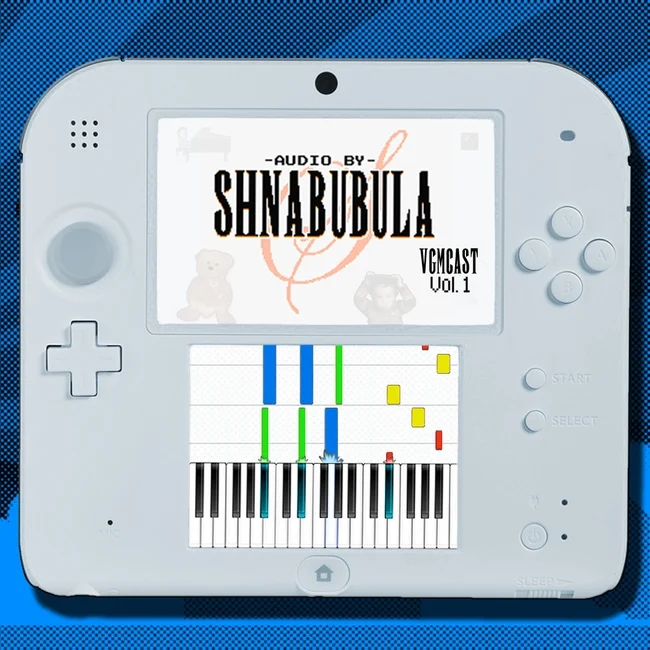
Samuel Ascher-Weiss, the acclaimed composer and pianist known professionally as Shnabubula, has officially inaugurated a rigorous new performance and educational initiative designed to push the boundaries of live musical transcription and arrangement. The project, which debuted in mid-May 2015, leverages the emerging capabilities of live-streaming technology to bridge the gap between audience participation and high-level musical execution. Operating on a structured weekly schedule, Ascher-Weiss utilizes the Hitbox.tv platform to engage in an intensive process of "live learning," wherein he transcribes and masters complex video game compositions in real-time based on viewer requests, culminating in a formal recital every Sunday.
The Evolution of Live-Streamed Musical Performance
The announcement marks a significant return to the public eye for Shnabubula, a figure long celebrated within the Video Game Music (VGM) and chiptune communities for his technical virtuosity and jazz-inflected arrangements. The project is framed not merely as entertainment but as a "fun challenge" and a systematic method for the artist to expand his repertoire through exposure to unfamiliar material. In an era where digital platforms are increasingly becoming the primary venue for niche musical genres, this initiative represents a sophisticated use of interactive media to demonstrate the mechanics of musical acquisition.
The schedule established by Ascher-Weiss is divided into two distinct phases. Every Friday, from 12:00 PM to 8:30 PM EST, he conducts a marathon session on Hitbox. During this eight-and-a-half-hour window, the audience submits requests ranging from obscure 8-bit themes to contemporary orchestral scores. Ascher-Weiss then deconstructs these pieces by ear, memorizing their harmonic structures and melodic lines while the audience observes the pedagogical process. Following a 48-hour period of refinement, the cycle concludes on Sunday at 4:00 PM EST with a live performance of the curated setlist.
Technical Framework of the Request-Driven Model
The logistical undertaking of learning 14 or more songs within a single session is a feat that requires immense cognitive stamina and a deep understanding of music theory. By inviting the public to witness the "learning" phase, Ascher-Weiss demystifies the process of ear training and piano arrangement. Observers note that the Friday sessions function as a masterclass in transcription, as the artist must navigate various styles, from the contrapuntal intricacies of Koji Kondo to the progressive rock influences found in the works of Nobuo Uematsu.
The inaugural session of the project resulted in a 14-song setlist, which was recorded and subsequently released for public consumption. This output highlights the efficiency of the model; in a single week, the artist produced an album’s worth of content that was both crowd-sourced and professionally executed. The transition from raw request to polished performance in less than 48 hours provides a unique window into the professional workflow of a high-level session musician adapted for the digital age.
Biographical Background: The Artistic Path of Samuel Ascher-Weiss
To understand the significance of this project, one must look at the career trajectory of Samuel Ascher-Weiss. Rising to prominence in the mid-2000s, Shnabubula became a staple of the OverClocked ReMix (OC ReMix) community, a non-profit organization dedicated to the appreciation and rearrangement of video game music. His style is characterized by a "maximalist" approach to the piano, often blending the frantic energy of ragtime with the complex modulations of modern jazz.
His previous works, such as the album Game Music Concert, demonstrated his ability to transform simple melodic motifs from the NES and SNES eras into sprawling, sophisticated concert pieces. This new streaming project serves as a continuation of that legacy, but with an added element of spontaneity. By relinquishing control over the setlist to his audience, Ascher-Weiss subjects his skills to a "stress test," ensuring that his growth as a musician remains tethered to a diverse and unpredictable range of source material.
The Hitbox Platform and the 2015 Streaming Landscape
The choice of Hitbox.tv as the primary broadcast medium is noteworthy within the context of 2015. While Twitch.tv remained the dominant force in the streaming industry, Hitbox attempted to differentiate itself through lower latency and a focus on community-centric features. For a musician like Ascher-Weiss, low latency is critical; it allows for near-instantaneous interaction with the chat, which is essential when taking live requests and discussing the nuances of a particular chord progression with viewers.
During this period, the "Creative" and "Music" categories on streaming platforms were beginning to see a surge in popularity. No longer limited to gaming, streamers began to showcase digital art, programming, and live instrumentation. Ascher-Weiss’s project is a quintessential example of this shift, treating the act of musical practice as a spectator sport. The data from these early streams suggests a growing appetite for high-skill, long-form content that prioritizes process over mere result.
Analytical Review of the Initial 14-Song Performance
The recording of the first 14-song set provides a concrete look at the project’s viability. The repertoire covered in the initial sessions showcased a broad spectrum of gaming history. Analysis of the performance reveals a focus on maintaining the "spirit" of the original compositions while augmenting them with the stride-piano techniques and improvisational flourishes that are hallmarks of the Shnabubula sound.
The individual tracks, which have been made available for download as a digital album, serve as a historical document of the event. From a journalistic perspective, the speed at which these arrangements were produced does not appear to have compromised their structural integrity. Instead, the time constraint seems to have acted as a creative catalyst, forcing the artist to rely on his instincts and a deep well of internalized musical patterns.
The Cognitive Demands of Real-Time Music Acquisition
Psychological and musicological studies often highlight the intense mental load associated with transcribing music by ear. This process involves several simultaneous cognitive tasks:
- Auditory Analysis: Isolating individual voices within a multi-timbral soundtrack.
- Harmonic Mapping: Identifying the underlying chord structure and key modulations.
- Physical Translation: Mapping those sounds onto the piano keyboard.
- Memorization: Committing the structure to short-term memory for the Sunday performance.
By performing these tasks live for over eight hours, Ascher-Weiss is engaging in a form of "extreme" musicianship. For the audience, the value lies in seeing the errors, the corrections, and the eventual "click" when a difficult passage is mastered. This transparency fosters a deeper connection between the performer and the listener, as the audience feels a sense of ownership over the songs they requested and watched being "built" from scratch.
Broader Implications for the Video Game Music Community
The implications of this project extend beyond the immediate enjoyment of Shnabubula’s fanbase. It sets a precedent for how independent musicians can monetize their practice hours and build a sustainable brand through direct community engagement. In the traditional music industry, the "learning" phase is hidden behind closed doors. By monetizing the process through stream donations and digital downloads, Ascher-Weiss is pioneering a business model that rewards transparency and technical skill.
Furthermore, the project contributes to the ongoing "legitimatization" of video game music as a serious art form. By applying rigorous jazz and classical techniques to themes from Mega Man, Final Fantasy, or obscure indie titles, Ascher-Weiss demonstrates that the melodic bones of these games are robust enough to support complex reinterpretation. This elevates the source material and provides a bridge for listeners who might be familiar with the games but not with the musical traditions Ascher-Weiss draws upon.
Chronology of the Shnabubula Request Project
The timeline of the project’s launch and its weekly cycle provides a clear view of its structured nature:
- May 15th, 2015: The inaugural "Learning Friday" session takes place on Hitbox, lasting approximately 8.5 hours.
- May 17th, 2015: The first "Sunday Recital" is performed, featuring 14 newly learned arrangements.
- May 18th, 2015: Official announcement of the project’s permanence and the release of the first recorded set as a downloadable album.
- Ongoing (2015): The cycle repeats weekly, with the Friday session serving as the intake and the Sunday session serving as the output.
This disciplined approach ensures a constant stream of new content, which is vital for maintaining visibility on digital platforms. It also creates a predictable "appointment viewing" habit for the audience, a strategy commonly used by traditional broadcasters to build loyalty.
Future Outlook and Sustainability
As Samuel Ascher-Weiss continues this ambitious endeavor, the primary challenges will be the prevention of burnout and the management of an ever-growing list of requests. However, the initial reception has been overwhelmingly positive. Members of the VGM community have praised the initiative for its honesty and its celebration of musicality.
In conclusion, the Shnabubula Hitbox project is more than just a series of piano covers. It is a sophisticated experiment in interactive performance, a public display of high-level musical pedagogy, and a testament to the evolving relationship between artists and their audiences in the digital age. By documenting the grueling process of learning 14 songs in a single day, Ascher-Weiss has provided a roadmap for other musicians looking to navigate the intersection of technology, community, and craft. The project stands as a significant milestone in the 2015 digital music landscape, highlighting the potential for streaming platforms to host content that is both intellectually stimulating and artistically profound.