 Cecilia Chamidah Nur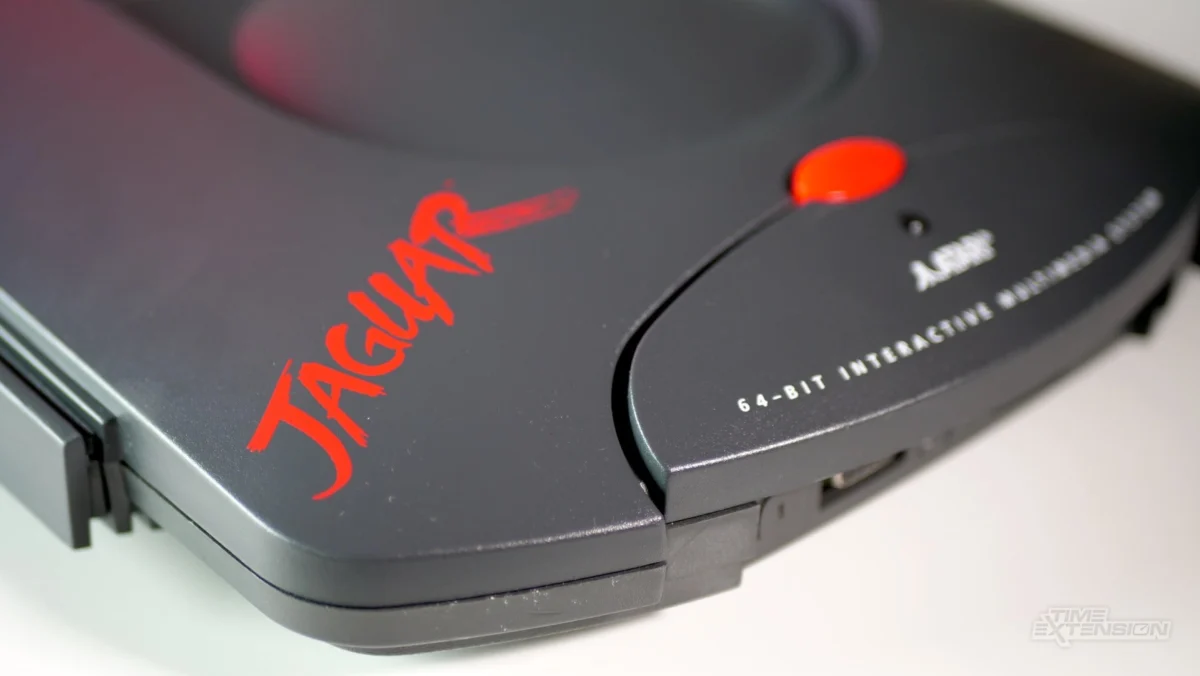
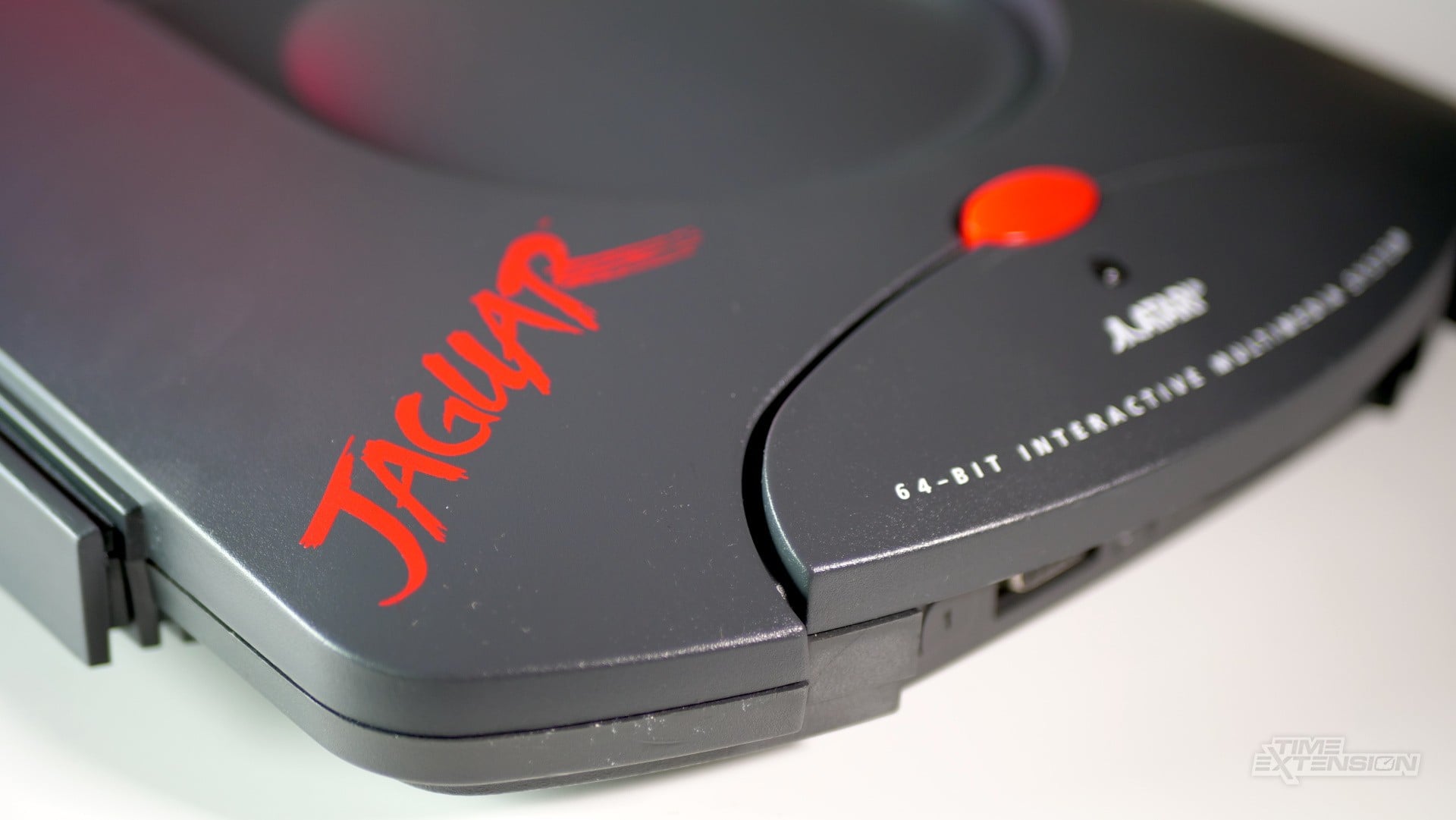
Thirty-five years after Atari abandoned its ambitious plans for a hybrid home computer, a homebrew developer has successfully bridged the gap between what was and what could have been. Clint Thomson, a dedicated member of the retro-computing community, has developed "JagOS," a functional operating system that transforms the Atari Jaguar—a console historically maligned for its difficult architecture—into a fully realized personal computer environment. This project serves as a digital resurrection of the "Atari Painter," a prototype workstation from the early 1990s that was intended to merge the company’s legacy ST and Falcon home computer lines with the raw, RISC-based power of the Jaguar.
The Genesis of the Atari Painter Project
To understand the significance of Thomson’s work, one must examine the precarious position Atari occupied in the early 1990s. Following the relative decline of the Atari ST and the specialized, high-performance Falcon 030, the company faced an identity crisis. The market was shifting toward CD-based multimedia and increasingly complex 3D graphics. Richard Miller’s research and development team at Atari was tasked with navigating this transition.
The concept for the Atari Painter was, for its time, revolutionary. It proposed a hardware architecture that would marry the established, software-rich environment of the Falcon with the custom RISC (Reduced Instruction Set Computer) circuitry of the Jaguar. The goal was to create a "prosumer" machine capable of high-end graphics processing and CD-ROM-based productivity. However, as the mid-1990s approached, Atari’s financial instability and the mounting pressure to compete with the 3DO, Sega Saturn, and Sony PlayStation forced a drastic pivot. The company consolidated its resources, effectively killing the Painter project to focus exclusively on the Jaguar console hardware. Consequently, the Painter remained a collection of sketches and internal R&D documents, serving as a "what-if" footnote in computer history.
Technical Implementation: From Console to Workstation
Thomson’s JagOS utilizes the RetroHQ Jaguar GameDrive cartridge, a piece of modern hardware that allows users to run homebrew software directly on the original console. By treating the Jaguar not as a closed gaming system but as a general-purpose processor, Thomson has engineered a GUI (Graphical User Interface) that mimics the desktop environments typical of the mid-1990s.
The operating system includes a suite of functional utilities, including a calculator, a calendar, and basic file management systems. More impressively, the OS incorporates rudimentary support for IRC (Internet Relay Chat) and email clients, suggesting a vision of the Jaguar that Atari itself never fully explored. The technical challenge of coding for the Jaguar is substantial; the console is notorious for its complex, multi-processor architecture, which requires developers to manage five separate chips—two 32-bit RISC processors (the "Tom" and "Jerry" chips) and a 68000 co-processor. Achieving a stable, multitasking OS environment on this hardware represents a significant technical achievement in the homebrew community.
Chronology of the Development
The development of JagOS can be traced through the following timeline of events:
- 1991–1993: The R&D phase for the Atari Painter prototype takes place, led by Richard Miller’s team. Plans are drafted to leverage the RISC-based architecture of the upcoming Jaguar.
- 1994: Atari officially cancels the Painter project to consolidate its remaining capital and engineering talent toward the Jaguar console launch.
- 2024: Renewed interest in the Atari Painter leads to public discourse on platforms like AtariAge, where historical documentation is digitized and analyzed.
- 2025: Clint Thomson initiates the JagOS project, aiming to emulate the functionality of the aborted Painter workstation using modern GameDrive hardware.
- 2026: Thomson demonstrates a working version of the OS, showcasing desktop functionality, productivity apps, and network support.
Analysis of the Atari Hardware Ecosystem
The Jaguar was released in 1993, marketed as the world’s first "64-bit" console. Despite its marketing, it suffered from a lack of third-party support and a development environment that proved too cumbersome for many studios. The Atari Painter, had it been released, would have likely addressed some of these shortcomings by providing a standardized development environment—essentially a PC—that could have been used to build games for the console.

By building JagOS, Thomson has essentially validated the original R&D premise: the Jaguar’s hardware was theoretically capable of supporting a desktop environment. While the Jaguar lacked a high-speed memory bus and modern storage, the RISC architecture was more than capable of handling the windowed interface and light applications found in JagOS. Analysts of the era often noted that Atari’s inability to create a cohesive ecosystem—where the computer line fed into the console line—was a primary factor in their eventual withdrawal from the hardware market in 1996.
Implications for the Retro-Computing Community
The success of JagOS has significant implications for how collectors and enthusiasts interact with "dead" hardware. Historically, retro-computing has focused on preservation—keeping old machines running in their original state. Thomson’s project signals a shift toward "re-imagining," where enthusiasts use modern tools to fulfill the unachieved potential of discontinued products.
This shift is facilitated by modern FPGA (Field Programmable Gate Array) technology and sophisticated flash cartridges like the GameDrive, which remove the barriers to software distribution that existed in the 1990s. When asked about the project’s future, Thomson has remained cautious, noting that time constraints currently prevent a public release. However, the project has already generated significant academic interest among computer historians who view JagOS as a vital "missing link" in understanding the failed trajectory of Atari’s final years in hardware.
Official Responses and Industry Context
While Atari (currently existing as a brand and entity far removed from its 1990s iteration) has not issued a formal statement regarding JagOS, industry observers have praised the effort. "The Atari Painter represents a path not taken," says an independent hardware consultant familiar with the project. "Seeing it finally manifest—even as a community-driven mod—gives us a window into the design philosophy of the mid-90s that was otherwise lost to time."
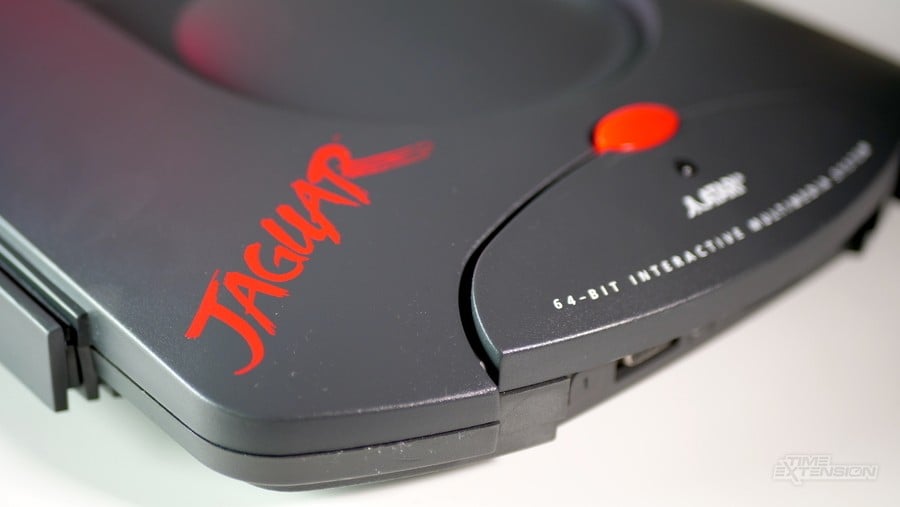
The project also highlights the longevity of the Jaguar’s cult following. Despite being a commercial failure in the 1990s, the Jaguar has one of the most active homebrew scenes in the gaming industry. Developers continue to push the hardware, releasing new titles and tools that consistently outperform the software produced during the console’s official retail lifespan.
Broader Impact: The Legacy of Abandoned Hardware
The story of the Atari Painter and the subsequent creation of JagOS serves as a case study in the lifecycle of technological innovation. It illustrates the divide between the vision of R&D teams and the harsh realities of corporate fiscal management. At its core, the Atari Painter was a product designed to solve a problem that Atari didn’t yet know it had—the need for a unified platform for both entertainment and productivity.
Clint Thomson’s work is not merely a nostalgic hobby; it is a restorative act of engineering. By building an OS that the company was forced to abandon, he has provided a tangible, interactive experience for a piece of history that was previously limited to theoretical discussions and dusty blueprints. As the project continues to evolve, it stands as a testament to the fact that, in the world of computing, even the most forgotten hardware can find a second life through the ingenuity of a dedicated user base.
For those interested in the historical blueprints of the project, the Atari Explorer archive remains the primary source for documentation, offering a comprehensive look at the internal memos and sketches that defined the Painter’s design. As JagOS matures, it will likely serve as the definitive benchmark for what the hardware could have achieved, forever altering the historical narrative of the Atari Jaguar.